Unveiling the Secrets of GANs: How Generative Adversarial Networks Are Shaping the Future of Media
In the rapidly evolving landscape of artificial intelligence, Generative Adversarial Networks (GANs) have emerged as a groundbreaking technology that is reshaping how we create and consume media. As we delve into the intricacies of GANs, we will uncover their mechanisms, applications, and the transformative impact they are having across various sectors.
Understanding GANs: The Mechanics Behind the Magic
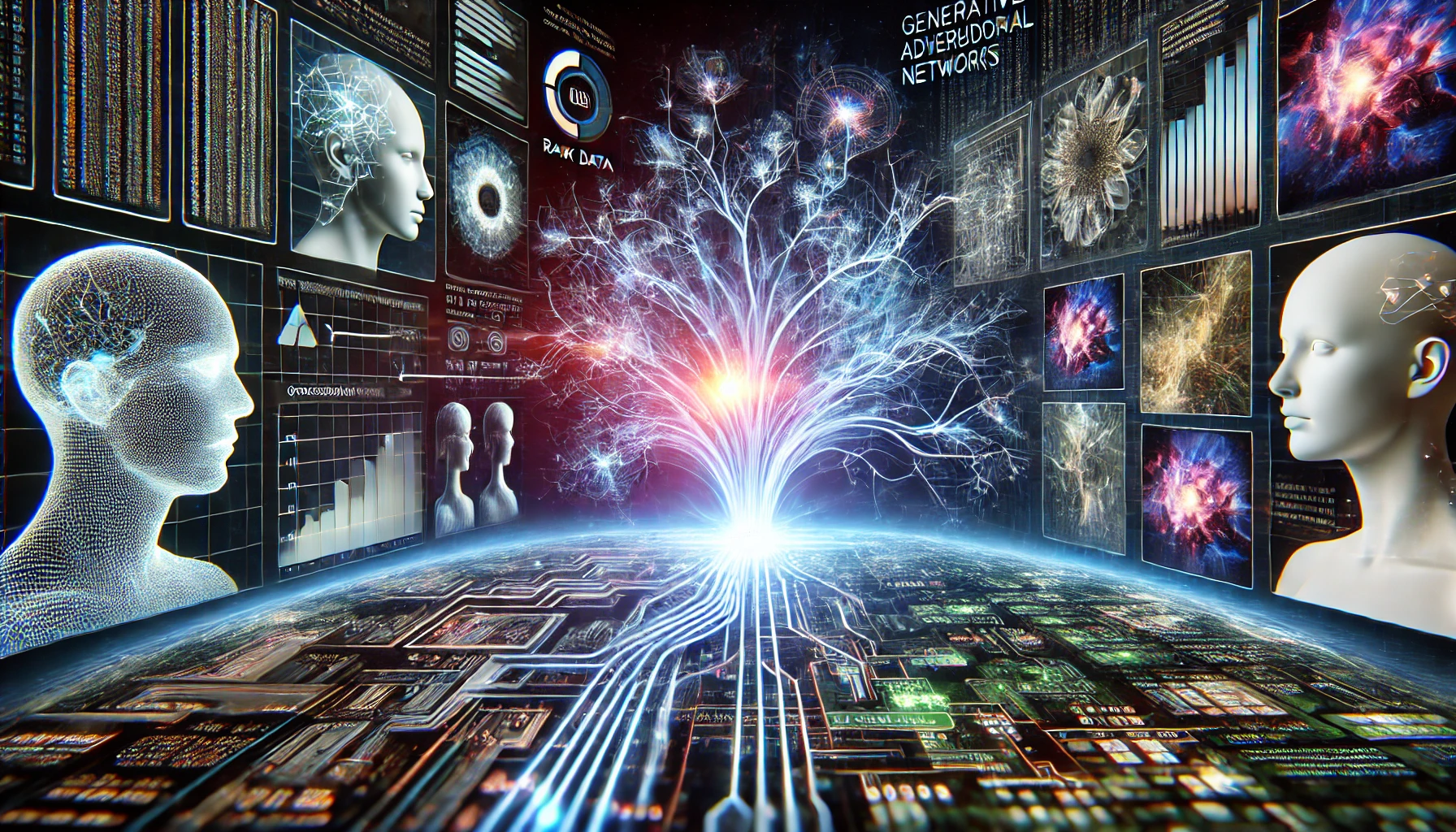
To appreciate the significance of GANs, it is essential to understand how they function. Introduced by Ian Goodfellow and his colleagues in 2014, GANs consist of two neural networks—the generator and the discriminator—that work in tandem. The generator creates synthetic data, while the discriminator evaluates it against real data, determining its authenticity. This adversarial process continues until the generator produces data indistinguishable from the real thing.
The generator starts with random noise and gradually learns to produce data that resembles the training set. Conversely, the discriminator becomes adept at distinguishing between real and generated data. The competition between these two networks leads to remarkable improvements in the quality of the generated outputs. This unique framework allows GANs to produce high-quality images, audio, and even video, making them a powerful tool for various applications in the media industry.
Applications of GANs in Media
The versatility of GANs has led to their adoption in numerous media-related applications. One of the most prominent uses is in image synthesis. Artists and designers are leveraging GANs to create stunning visuals that push the boundaries of creativity. For instance, GANs can generate realistic portraits of people who do not exist, opening new avenues for digital art and advertising.
In addition to image generation, GANs are also making waves in the realm of video production. By utilizing GANs, filmmakers can generate realistic special effects or even create entire scenes without the need for extensive filming. This technology not only reduces production costs but also allows for greater creative freedom. For example, a filmmaker could use GANs to visualize complex scenes that would be difficult or impossible to film in reality.
Moreover, GANs have found applications in audio and music generation. Musicians and sound designers are experimenting with GANs to compose original pieces of music or generate sound effects. This innovation can lead to entirely new genres of music and soundscapes, enriching the auditory experience for audiences.
Ethical Considerations and Future Implications
While the potential of GANs is immense, it is crucial to address the ethical implications that accompany their use. The ability to create hyper-realistic media raises concerns about misinformation, deepfakes, and the potential for misuse. As GANs become more sophisticated, distinguishing between real and generated content may become increasingly challenging for consumers. This reality necessitates the development of robust frameworks and tools to authenticate content and ensure accountability.
Looking to the future, the evolution of GANs holds the promise of even more innovative applications. As researchers continue to improve the technology, we can expect to see advancements in personalization and interactivity in media. For instance, GANs could enable dynamic content generation tailored to individual preferences, creating immersive experiences in gaming and virtual reality.
Furthermore, the integration of GANs with other AI technologies, such as reinforcement learning and natural language processing, could lead to groundbreaking developments in storytelling and content creation. Imagine a video game that adapts its storyline based on player interactions, creating a unique narrative experience every time.
In conclusion, GANs are undeniably shaping the future of media, offering unprecedented opportunities for creativity and innovation. As we navigate this exciting landscape, it is essential to remain vigilant about the ethical considerations that accompany such powerful technology. By harnessing the potential of GANs responsibly, we can unlock new realms of artistic expression and redefine how we engage with media.