



Unlocking the Potential of AI in Writing: Tools and Techniques for the Modern Author
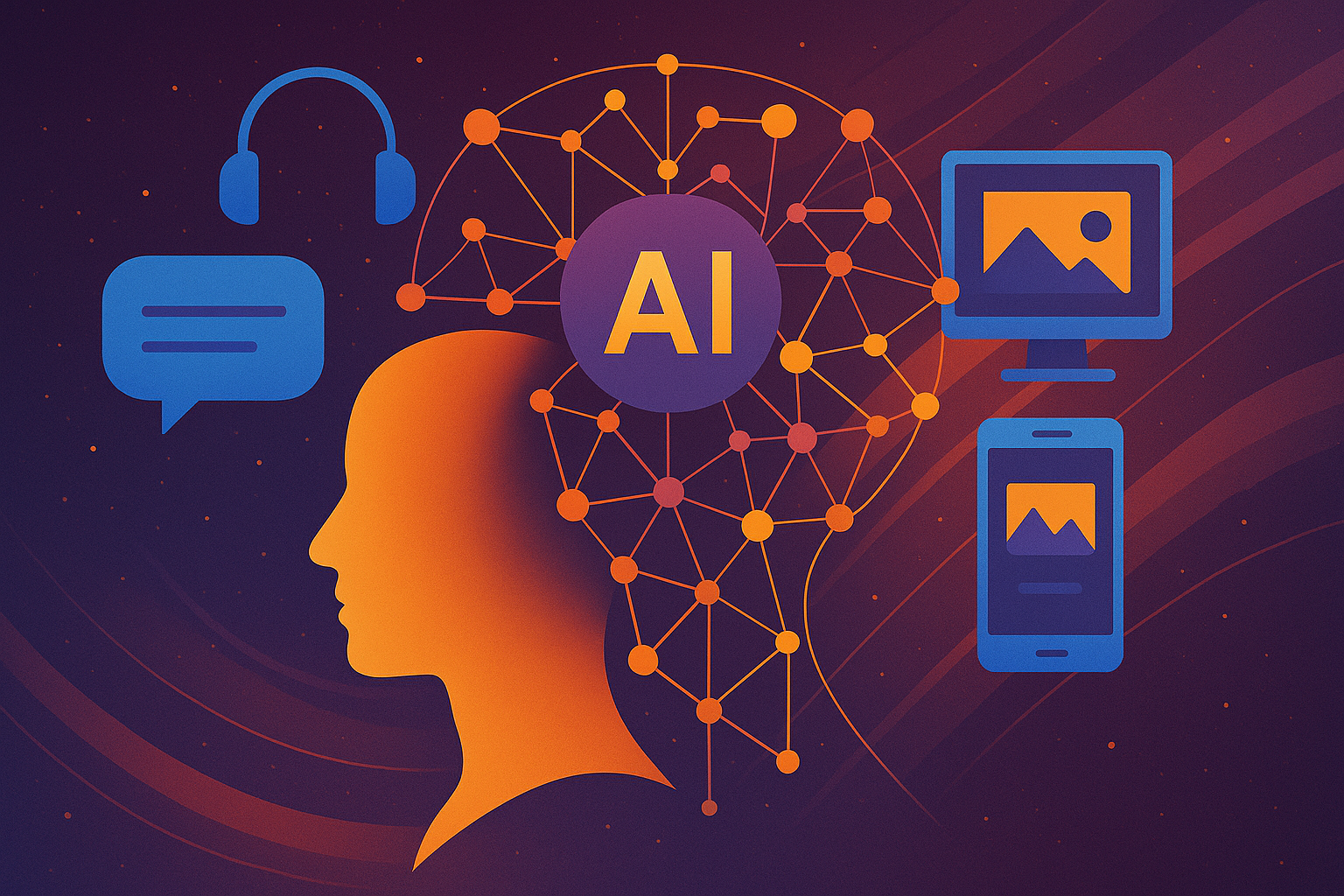
In the rapidly evolving landscape of content creation, artificial intelligence (AI) has emerged as a transformative force for authors. As technology continues to advance, writers are increasingly turning to AI tools to enhance their creative process, streamline workflows, and produce high-quality content. This article delves into the various ways AI can be harnessed in writing, exploring innovative tools and techniques that empower modern authors to unlock their full potential.
The Rise of AI in Content Creation
Over the past decade, AI has made significant strides in natural language processing (NLP) and machine learning, enabling it to understand and generate human-like text. This evolution has led to the development of a myriad of AI writing tools designed to assist authors in various aspects of the writing process. From brainstorming ideas to editing drafts, these tools provide invaluable support, allowing writers to focus on their creative vision rather than getting bogged down by mundane tasks.
One of the most notable advancements in AI writing tools is the introduction of predictive text and autocomplete features. These functionalities can help authors generate ideas and phrases quickly, reducing the time spent on the initial stages of writing. For instance, tools like Grammarly and Google Docs now offer suggestions that can enhance sentence structure and vocabulary, making the writing process more efficient. By leveraging these capabilities, writers can maintain their creative flow while ensuring their work remains polished and engaging.
AI-Powered Writing Assistants
Beyond simple predictive text, AI-powered writing assistants have emerged as essential companions for authors. These sophisticated tools utilize machine learning algorithms to analyze vast amounts of text data, allowing them to offer tailored suggestions and feedback. Software like Jasper AI and Writesonic can generate entire paragraphs, craft compelling headlines, and even suggest content outlines based on a given topic. By integrating these tools into their workflow, writers can enhance their productivity and creativity.
In addition to generating content, AI writing assistants can also assist in editing and proofreading. Tools such as ProWritingAid and Hemingway Editor analyze text for readability, grammar, and style, providing authors with actionable insights to improve their writing. The ability to receive instant feedback on drafts can be particularly beneficial for authors working under tight deadlines or those who struggle with self-editing. By utilizing AI for these tasks, writers can refine their work more effectively and produce content that resonates with their audience.
Enhancing Creativity and Overcoming Writer’s Block
Creative blocks can be a significant hurdle for authors, often leading to frustration and stalled projects. Fortunately, AI tools are now available to help overcome these challenges. By providing prompts, brainstorming assistance, and even writing style suggestions, AI can reignite inspiration and facilitate the creative process. For example, platforms like ChatGPT can engage in dialogues with authors, offering ideas and perspectives that may not have been considered otherwise.
Moreover, AI-generated content can serve as a springboard for authors looking to explore new genres or styles. By analyzing existing works, AI can propose unique angles or themes that writers may wish to explore. This capability not only broadens the creative horizon for authors but also encourages experimentation, allowing them to push the boundaries of their writing.
Utilizing AI for brainstorming and idea generation can also lead to unexpected and innovative narratives. For instance, an author might input a few keywords or themes into an AI tool, which can then produce a range of potential storylines or character arcs. This collaborative approach can help writers discover new directions for their work, ultimately enriching the storytelling process.
Ethical Considerations and the Future of AI in Writing
As the integration of AI in writing becomes more prevalent, it is crucial to address the ethical considerations surrounding its use. Questions about authorship, originality, and the potential for plagiarism arise as AI-generated content becomes increasingly sophisticated. Writers must navigate these complexities to ensure their work remains authentic and true to their voice. Maintaining a balance between utilizing AI as a tool and preserving the artistry of writing is essential for the future of the craft.
Furthermore, the ongoing development of AI technology raises concerns about dependency. While AI can enhance productivity and creativity, it is vital for authors to cultivate their skills and maintain a strong connection to their craft. Writers should view AI as a complementary resource rather than a replacement for their unique perspective and creativity.
Looking ahead, the future of AI in writing promises to be both exciting and challenging. As technology continues to evolve, new tools and techniques will emerge, offering authors even greater opportunities to enhance their work. Embracing these advancements while remaining mindful of the ethical implications will be crucial for writers navigating the changing landscape of content creation.
Conclusion: Embracing AI as a Writing Partner
In conclusion, the potential of AI in writing is vast and multifaceted. By incorporating AI tools and techniques into their workflow, modern authors can unlock new levels of creativity, efficiency, and productivity. From brainstorming ideas to refining drafts, AI-powered writing assistants offer invaluable support that can elevate the writing process. However, as writers embrace these innovations, it is essential to remain vigilant about the ethical considerations and maintain a strong connection to the art of storytelling.
Ultimately, the relationship between authors and AI should be viewed as a partnership. By leveraging the strengths of AI while preserving their unique voice and vision, writers can navigate the future of content creation with confidence. As technology continues to advance, the possibilities for enhancing the writing experience are boundless, paving the way for a new era of storytelling that blends human creativity with the power of artificial intelligence.