Unlocking the Future of Multimodal AI: Transforming Interaction and User Engagement Across Platforms
In an increasingly digital world, the way we interact with technology is evolving rapidly. The emergence of multimodal artificial intelligence (AI) is at the forefront of this transformation, bridging the gap between different forms of data—text, images, audio, and more. This innovative approach not only enhances user engagement but also significantly improves accessibility tools, making technology more inclusive for everyone, especially those with disabilities. In this article, we will explore how multimodal models are reshaping accessibility tools like screen readers, speech-to-image support, and assistive applications, ultimately unlocking a future where technology is more accessible and user-friendly.
Understanding Multimodal AI
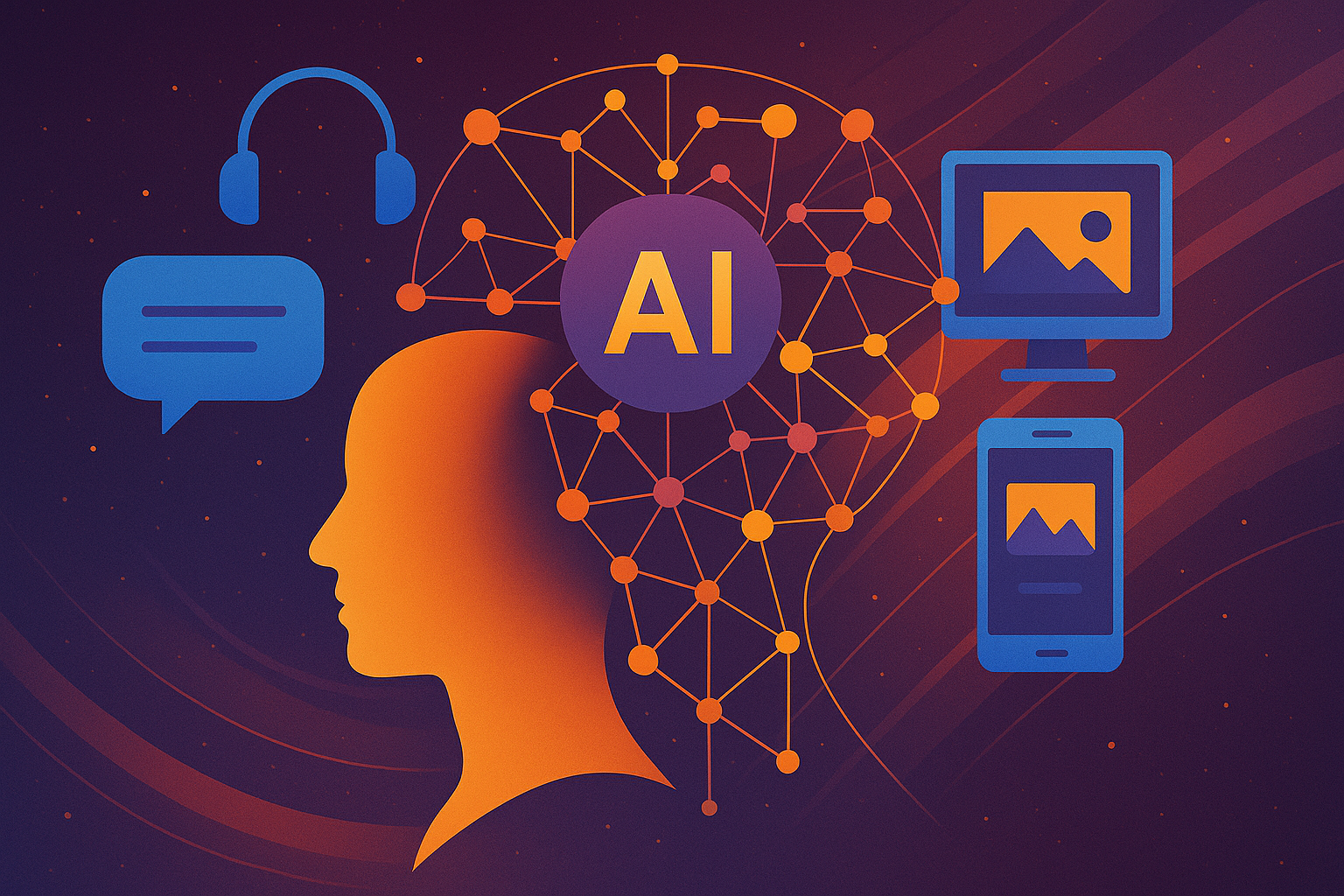
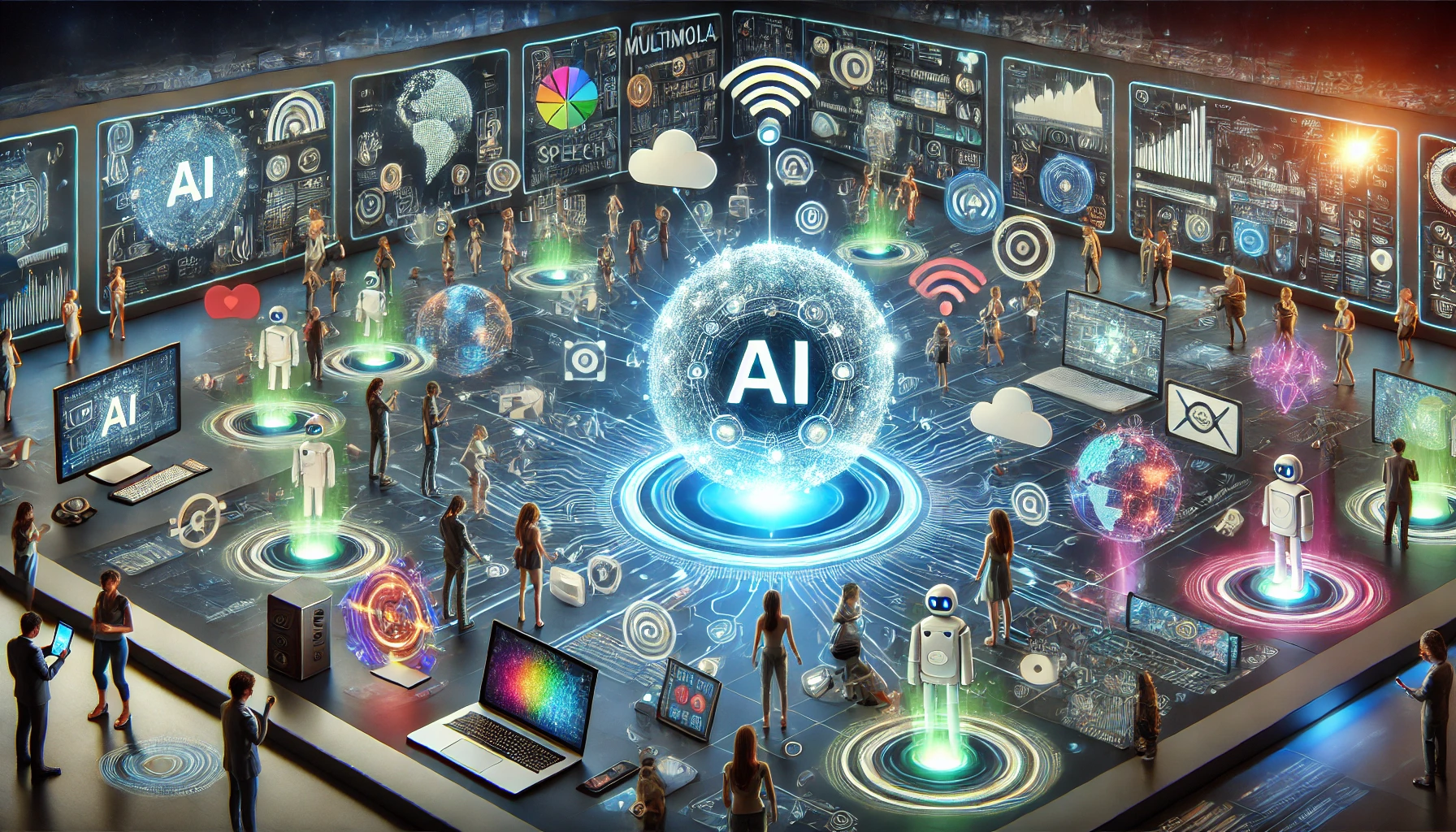
Multimodal AI refers to systems that can process and analyze multiple types of data simultaneously. For example, a multimodal model can understand text, images, and audio, allowing it to generate responses that consider all these inputs. This capability is particularly beneficial in creating a more holistic and natural interaction experience, as it mimics human-like understanding and response patterns.
The integration of multimodal AI into accessibility tools is a game changer. By leveraging the strengths of various data types, these tools can provide richer, more meaningful interactions, thus enhancing user engagement and satisfaction.
Enhancing Screen Readers
Screen readers have long been a critical tool for visually impaired users, converting text on screens into synthesized speech. However, traditional screen readers primarily focus on text and often struggle with the context provided by images, videos, and other visual elements. This is where multimodal AI comes into play.
Recent advancements in multimodal models allow screen readers to interpret not just text but also images and their context. For example, an AI-powered screen reader can describe an image, identify objects within it, and even convey emotions depicted in visual content. This level of detail enriches the user experience, enabling visually impaired individuals to engage with content that was previously inaccessible.
Moreover, the integration of natural language processing (NLP) with multimodal capabilities means that screen readers can offer more conversational interactions. Users can ask for clarifications or additional information, and the system can respond appropriately, creating a more interactive and engaging experience.
Speech-to-Image Support
Another area where multimodal AI is making significant strides is in speech-to-image support. Traditionally, converting speech into images has been a complex task, often requiring manual input or extensive programming. However, with the development of multimodal AI, this process has become more intuitive and accessible.
Imagine a user describing a scene verbally—“a sunset over the mountains with a river flowing below.” A multimodal AI system can analyze the spoken input, understand the context, and generate a corresponding image. This capability can be particularly beneficial for individuals with disabilities that limit their ability to create visual content manually.
For artists and content creators, this technology opens up new avenues for expression. They can use their voice to generate illustrations or designs, significantly reducing the barriers to creativity. This not only democratizes art creation but also empowers individuals who may have previously felt excluded from such activities.
Assistive Applications
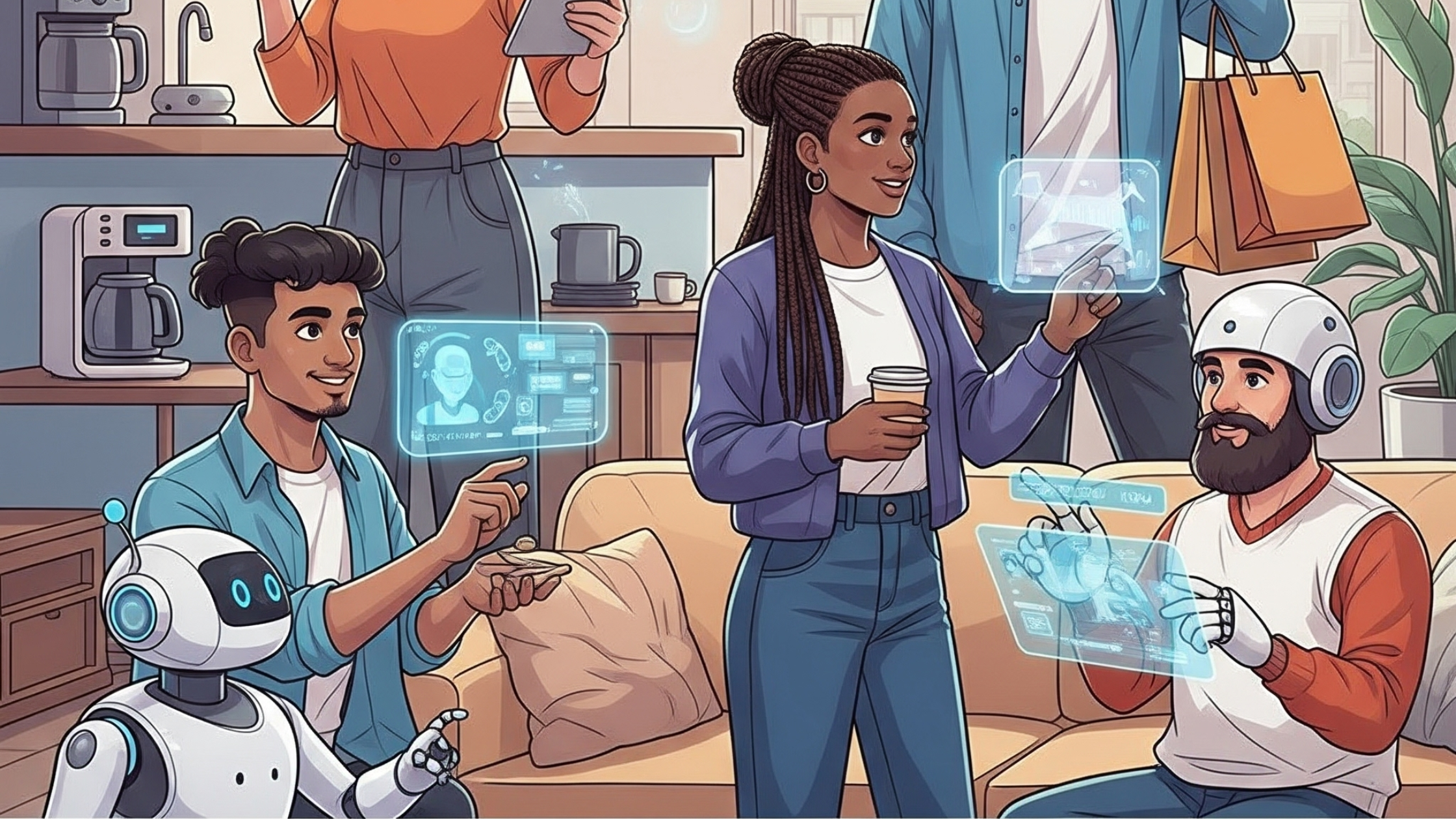
The integration of multimodal AI into assistive applications is revolutionizing the way people with disabilities interact with technology. These applications leverage various data types to provide tailored support for users, enhancing their overall experience.
For instance, consider a communication app designed for individuals with speech impairments. By utilizing multimodal AI, the app can interpret gestures, facial expressions, and even contextual cues from the user’s environment. This allows for a more nuanced understanding of the user’s intent, enabling more effective communication.
Additionally, educational tools powered by multimodal AI can cater to diverse learning styles. For example, a learning application can combine visual aids, audio instructions, and interactive elements to engage users with different needs. This personalized approach not only improves comprehension but also fosters a more inclusive learning environment.
Bridging the Digital Divide
The potential of multimodal AI goes beyond enhancing existing tools; it has the power to bridge the digital divide that often leaves individuals with disabilities behind. By creating more accessible technology, we can ensure that everyone has the opportunity to participate in the digital landscape.
As multimodal models continue to evolve, we can expect to see increased collaboration between developers, accessibility advocates, and users. This collaboration will be crucial in identifying specific needs and challenges faced by individuals, leading to the creation of tools that genuinely address those concerns.
Moreover, the rise of open-source multimodal AI frameworks can gain access to this technology. Developers from around the world can contribute to and improve these models, ensuring that they are continuously refined and adapted to meet the needs of diverse populations.
Future Implications
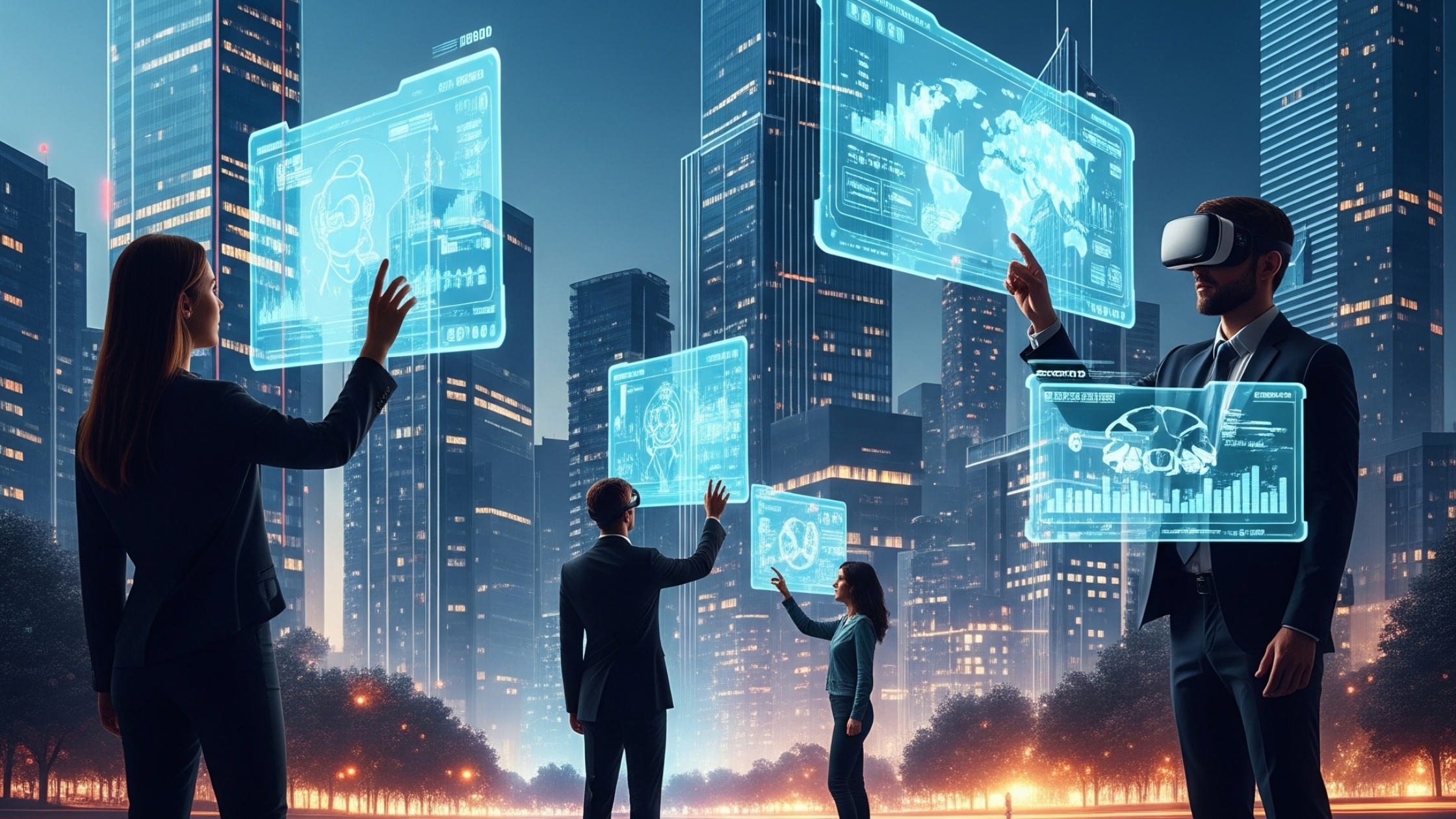
The implications of multimodal AI for accessibility are profound. As technology continues to advance, we can anticipate even more sophisticated applications that further enhance user engagement and accessibility. For instance, future multimodal systems may incorporate real-time translation, allowing for seamless communication across language barriers, or even virtual reality environments that adapt to individual user needs.
However, with these advancements come ethical considerations. It’s essential to prioritize user privacy and data security, ensuring that individuals feel safe while using these technologies. Additionally, ongoing education and awareness about the capabilities of multimodal AI will be crucial in fostering acceptance and understanding among users and developers alike.
Conclusion
Multimodal AI is unlocking a future where technology is more accessible, engaging, and inclusive. By improving tools like screen readers, speech-to-image support, and assistive applications, we are paving the way for a more interconnected world where everyone can participate fully. As we continue to explore the possibilities of multimodal AI, we must remain committed to ensuring that these advancements benefit all individuals, regardless of their abilities. The journey towards a more inclusive digital landscape is just beginning, and with the power of multimodal AI, the future looks promising.