



Transforming Tomorrow: The Role of AI Technology in Shaping Our Future and Daily Lives
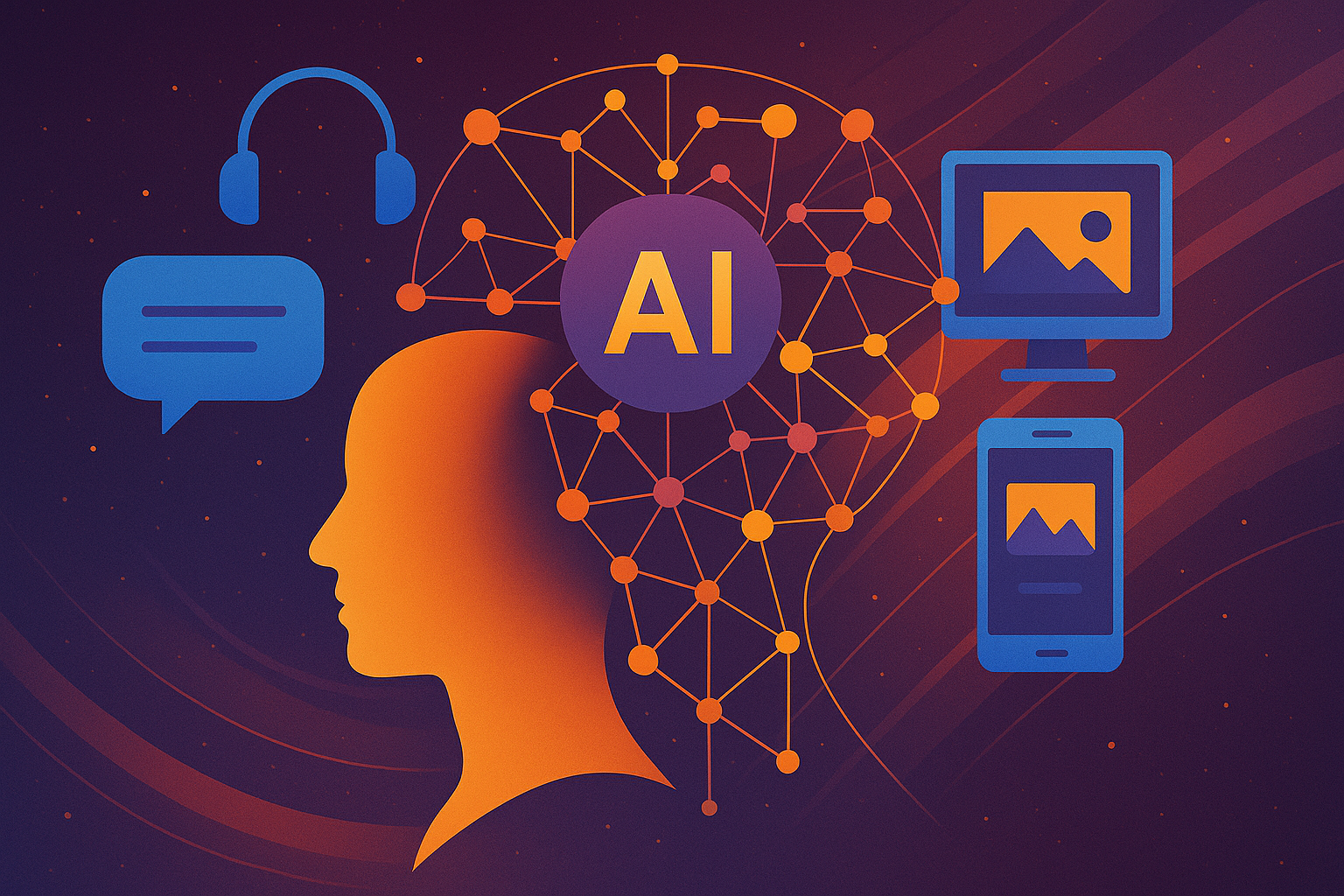
Artificial Intelligence (AI) has transitioned from the realm of science fiction into an integral part of our everyday existence. As we look toward the future, the implications of AI technology are profound, influencing various sectors and reshaping the way we interact with the world around us. This article explores the transformative power of AI in our daily lives, its applications across industries, and the ethical considerations that accompany its rise.
AI in Everyday Life
Daily interactions with AI technology have become commonplace, often without our conscious awareness. From voice-activated assistants like Siri and Alexa to personalized recommendations on streaming platforms and e-commerce sites, AI algorithms continuously learn from user behavior to enhance convenience and engagement. These systems analyze vast amounts of data in real-time, enabling them to provide tailored experiences that resonate with individual preferences.
In addition to enhancing user experience, AI also plays a crucial role in automating mundane tasks. Consider how AI-powered chatbots streamline customer service by addressing common inquiries instantly, freeing human agents to tackle more complex issues. This shift not only improves efficiency but also enhances customer satisfaction, marking a significant evolution in how businesses operate.
Moreover, AI technologies are increasingly embedded in smart home devices, allowing for seamless control over various aspects of our living environments. Smart thermostats learn our heating preferences, while security systems utilize facial recognition to identify familiar faces. Such innovations not only contribute to comfort and security but also promote energy efficiency, showcasing how AI can lead to more sustainable living practices.
AI’s Impact on Various Industries
Beyond personal convenience, AI is revolutionizing numerous industries, driving innovation and efficiency in ways previously unimaginable. In healthcare, for instance, AI algorithms analyze medical images to aid in diagnostics, significantly reducing the time required for physicians to make informed decisions. Machine learning models can predict patient outcomes based on historical data, enabling healthcare providers to tailor treatments to individual needs, ultimately improving patient care.
The financial sector has also seen substantial advancements due to AI technology. Algorithms now analyze market trends and consumer behavior to inform investment strategies, allowing for more informed decision-making. Fraud detection systems powered by AI continuously monitor transactions, identifying anomalies that could indicate fraudulent activity. This proactive approach not only protects consumers but also enhances the integrity of financial systems.
In the manufacturing industry, AI-driven automation is reshaping production processes. Robotics equipped with AI capabilities can perform complex tasks with precision, reducing human error and increasing productivity. Predictive maintenance powered by AI ensures that machinery operates at peak efficiency, minimizing downtime and reducing operational costs. These advancements not only contribute to higher profit margins but also foster a culture of innovation within organizations.
Ethical Considerations and the Future of AI
As AI technology continues to evolve, ethical considerations become increasingly critical. The potential for bias in AI algorithms poses a significant challenge, as these systems are only as good as the data they are trained on. If historical data reflects societal biases, AI systems can inadvertently perpetuate discrimination in areas like hiring practices, law enforcement, and lending. Addressing these biases requires a concerted effort from developers to implement fairness and transparency in AI design.
Privacy concerns also loom large in discussions about AI’s future. The vast amounts of data collected to train AI models raise questions about how this information is stored, used, and protected. Striking a balance between leveraging data for innovation and safeguarding individual privacy rights is essential. Regulatory frameworks must evolve alongside AI technology to ensure that ethical standards are upheld, fostering public trust in these systems.
Looking ahead, the integration of AI into our daily lives is likely to deepen, with emerging technologies such as quantum computing poised to enhance AI capabilities further. This evolution could lead to breakthroughs in various fields, from climate modeling to drug discovery. Embracing these advancements while remaining vigilant about ethical implications will be crucial as we navigate an increasingly AI-driven world.
AI technology is undeniably transforming our future and daily lives, permeating various aspects of society and industry. Its applications enhance convenience, drive efficiency, and foster innovation, making it an invaluable tool in modern life. However, as we embrace these advancements, it is imperative to address the ethical considerations that accompany them. By doing so, we can harness the full potential of AI technology to create a future that is not only technologically advanced but also equitable and just. As we stand on the brink of this new era, the role of AI in shaping our world will continue to evolve, presenting both challenges and opportunities that will define the trajectory of human progress.