

Transforming Classrooms: The Role of AI in Personalized Learning and Student Engagement
In an era characterized by rapid technological advancements and a shifting job landscape, the need for lifelong learning has never been more pronounced. Adult learners face the dual challenge of keeping their skills relevant while also navigating the complexities of their professional lives. The traditional education model, often rigid and one-size-fits-all, is no longer sufficient to meet these evolving demands. Enter Artificial Intelligence (AI), a transformative force that is reshaping how adults engage with learning. By offering personalized learning experiences, identifying skills gaps, and enhancing corporate training, AI is paving the way for a more adaptive and accessible approach to education.
The Necessity of Lifelong Learning
The World Economic Forum’s Future of Jobs Report emphasizes that the skills required in the workforce are changing at an unprecedented pace. As industries evolve, the need for continuous upskilling and reskilling becomes paramount. Lifelong learning is not merely an option; it is a necessity for individuals seeking to remain competitive in their fields. This reality underscores the importance of creating learning environments that are flexible, engaging, and tailored to the unique needs of adult learners.
AI-Powered Personalized Learning Platforms
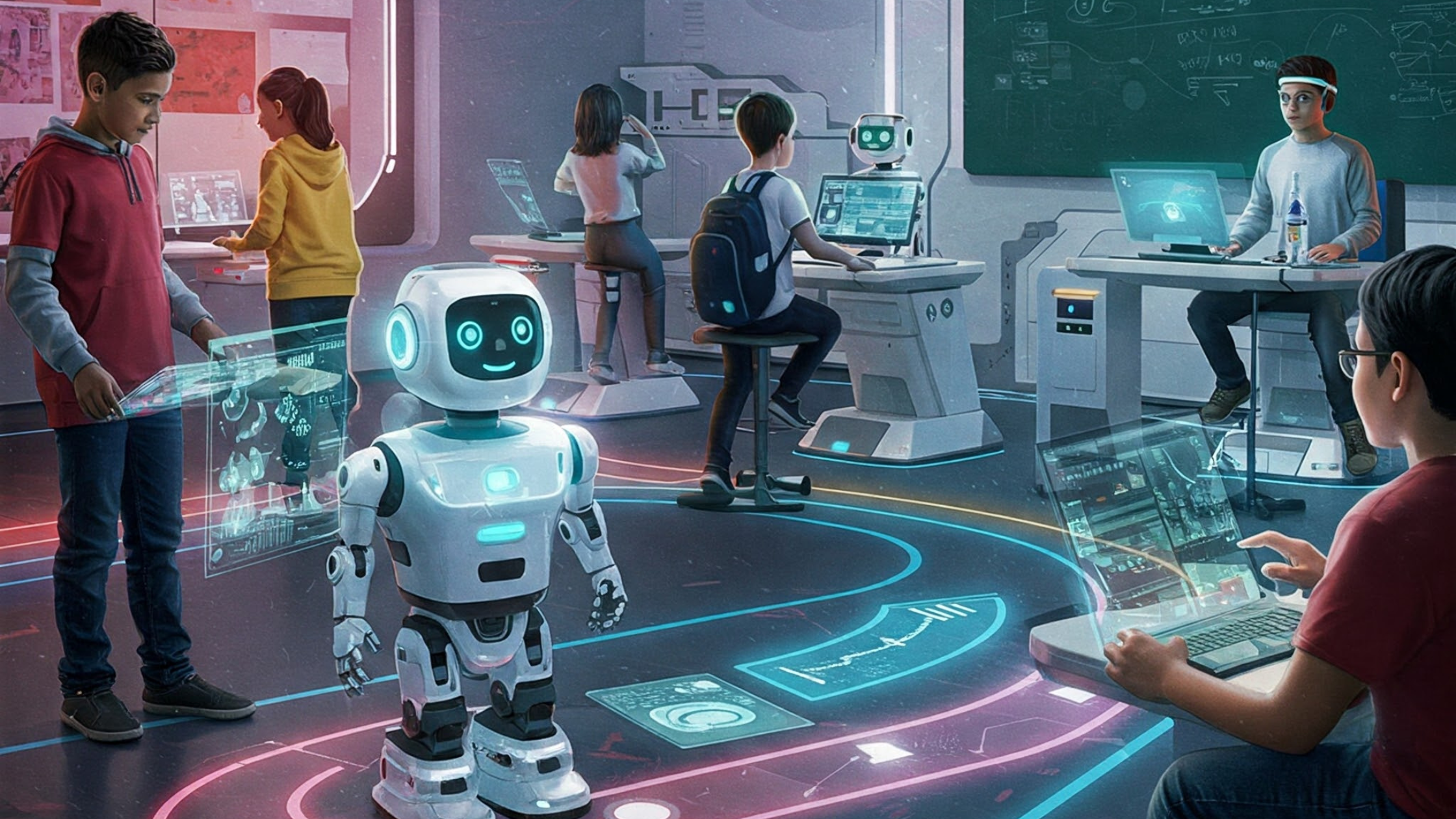
AI-powered personalized learning platforms are revolutionizing the adult education landscape by providing tailored educational experiences that cater to individual learning styles and paces. Unlike traditional classroom settings, where the instructor’s approach may not resonate with every student, AI systems can analyze a learner’s behavior, preferences, and performance to customize the learning pathway.
For instance, platforms like Coursera and Udacity utilize AI algorithms to recommend courses based on users’ past learning experiences and career aspirations. These platforms not only suggest relevant content but also adapt the difficulty level of the material based on real-time assessments of the learner’s understanding. This level of personalization ensures that adults can engage with the material at their own pace, leading to higher retention rates and overall satisfaction.
Moreover, AI can facilitate microlearning—short, focused segments of learning that are easier for busy adults to fit into their schedules. By breaking down complex topics into digestible pieces, learners can engage with content when it is most convenient for them, thereby promoting a culture of continuous learning.
Identifying Skills Gaps with AI
One of the most significant challenges in lifelong learning is identifying skills gaps. Traditional assessments often fail to provide a comprehensive view of an individual’s competencies. AI addresses this issue by leveraging data analytics to pinpoint specific skills that need to be developed.
For example, companies like LinkedIn have integrated AI into their platforms to analyze user profiles, job postings, and industry trends. This analysis helps identify skills that are in demand and highlights the gaps in an individual’s skill set. By providing personalized feedback and recommendations for courses or training programs, AI empowers adult learners to take charge of their professional development.
Additionally, AI can facilitate skills mapping, a process that aligns an individual’s current competencies with the requirements of their desired career path. This targeted approach not only enhances the learner’s confidence but also increases their employability, making them more attractive candidates in a competitive job market.
Accessibility of Learning via AI
Accessibility is a critical consideration in adult education, as diverse learners come from various backgrounds, abilities, and life circumstances. AI plays a vital role in making learning more accessible to all individuals, including those with disabilities or those who face barriers to traditional education.
AI-driven tools such as speech recognition and natural language processing can break down language barriers and provide real-time translations, making content available to non-native speakers. Additionally, AI can create customized learning experiences for individuals with disabilities by offering alternative formats, such as audio descriptions or interactive content that caters to different learning preferences.
By democratizing access to education, AI ensures that lifelong learning is not limited to a privileged few but is available to anyone willing to invest in their personal and professional growth.
Conclusion: Shaping the Future Workforce
As we look to the future, the role of AI in transforming adult education and fostering lifelong learning cannot be overstated. By personalizing learning experiences, identifying skills gaps, enhancing corporate training, and improving accessibility, AI is equipping individuals with the tools they need to thrive in an ever-changing job landscape.
The future workforce will be characterized by adaptability and continuous growth, driven by a commitment to lifelong learning. As AI continues to evolve, it will undoubtedly play a central role in shaping educational practices, ensuring that learners of all ages can meet the challenges of tomorrow with confidence and competence.