





Introduction
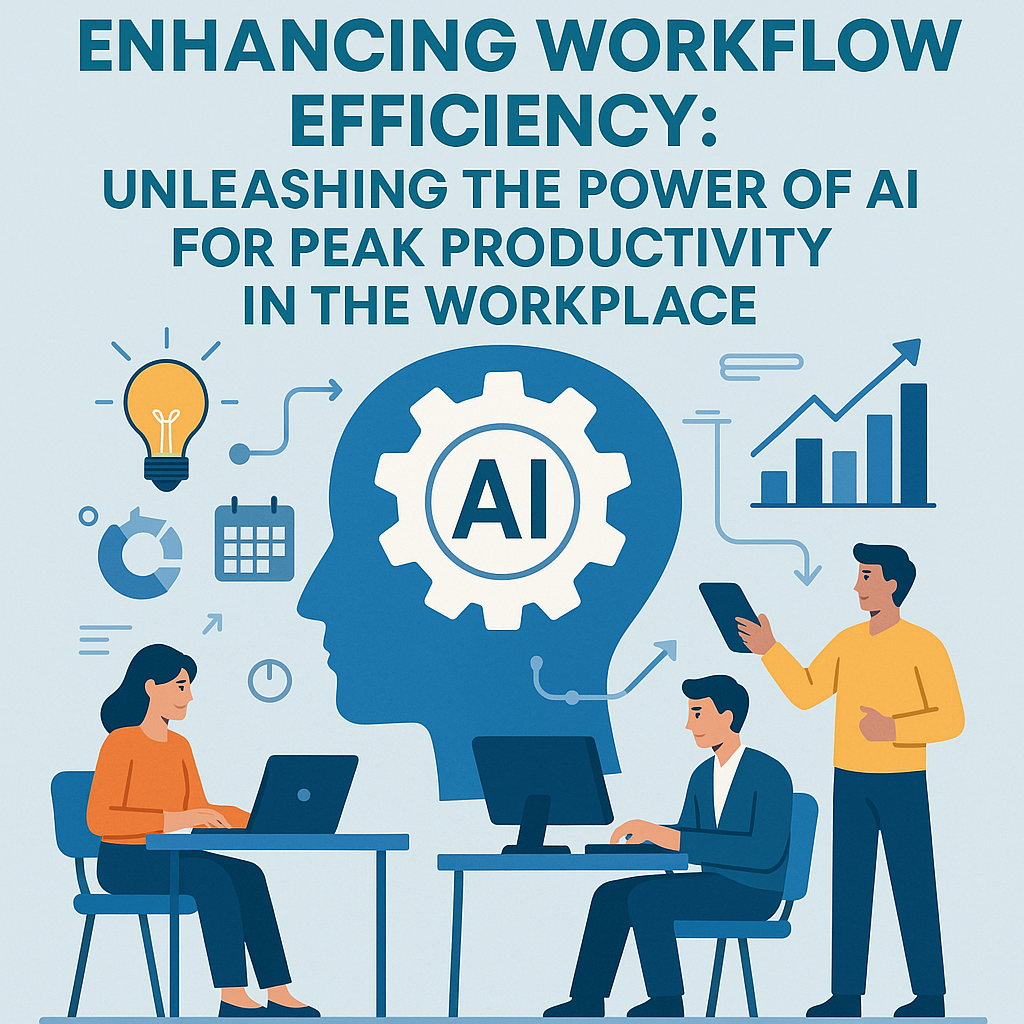
In an era marked by rapid technological advancements, artificial intelligence (AI) stands out as a game-changer in the workplace. Its capacity to enhance productivity and redefine work efficiency is unparalleled, impacting industries from healthcare to finance and beyond. This article delves into the transformative power of AI with a particular focus on workflow automation tools. By automating repetitive tasks, AI not only frees up human resources but also enables organizations to allocate their efforts toward more strategic initiatives.
The Rise of Workflow Automation: Understanding Workflow Automation
Workflow automation refers to the process of streamlining and automating complex business processes and workflows. It involves utilizing software tools that can handle repetitive tasks, thereby minimizing human intervention. These tools can manage everything from data entry to customer relationship management (CRM), allowing employees to focus on higher-value tasks. AI plays a critical role in this realm by learning from data patterns and making informed decisions that traditionally required human judgment.
Key Benefits of AI-Powered Workflow Automation
1. Increased Efficiency: One of the most significant advantages of AI-driven workflow automation is the dramatic increase in efficiency. By automating mundane tasks, businesses can reduce the time spent on manual processes. For example, AI can automatically sort and prioritize emails, schedule meetings, or generate reports, allowing employees to devote their time to more strategic activities.
2. Error Reduction: Human errors are inevitable, especially in repetitive tasks. AI’s precision in data handling significantly reduces the risk of mistakes. For instance, in financial sectors, AI can automate invoicing and transaction processing, ensuring accuracy and compliance with regulations. This not only saves time but also safeguards against potential financial losses due to errors.
3. Enhanced Collaboration: AI tools can facilitate better collaboration among team members. By automating information sharing and task assignments, AI ensures that everyone is on the same page. Tools like Slack and Microsoft Teams can integrate AI features to streamline communication, making it easier for teams to collaborate in real-time, regardless of their physical location.
Implementing AI Workflow Automation Tools: Choosing the Right Tools
The effectiveness of AI workflow automation hinges on selecting the right tools that align with an organization’s specific needs. Popular tools such as Zapier, Asana, and Trello offer various automation features that can be tailored to suit different workflows. Businesses should conduct a thorough analysis of their processes to identify bottlenecks and areas where automation can be most beneficial.
Training and Adoption
The successful implementation of AI tools requires a cultural shift within the organization. Employees must be trained not only to use these tools but also to understand their benefits. A lack of proper training can lead to resistance and underutilization of the technology. Therefore, organizations should invest in comprehensive training programs that emphasize the advantages of AI in enhancing productivity.
Measuring Success
To gauge the effectiveness of AI workflow automation, organizations should establish key performance indicators (KPIs). Metrics such as time saved on tasks, reduction in errors, and overall employee satisfaction can provide valuable insights into the impact of AI on productivity. Regular assessments will help organizations refine their automation strategies and ensure they are getting the most out of their investments.
Real-World Applications of AI in Workflow Automation
Case Study: AI in Customer Service
Consider the customer service sector, where AI-powered chatbots have revolutionized customer interactions. Companies like Zendesk and Intercom utilize AI to automate responses to frequently asked questions, freeing up human agents to handle more complex inquiries. This not only improves response times but also enhances customer satisfaction, as clients receive immediate assistance.
Case Study: AI in Marketing
In marketing, AI tools such as HubSpot and Marketo automate lead generation and nurturing processes. By analyzing consumer behavior data, these platforms can personalize marketing campaigns, ensuring that the right message reaches the right audience at the right time. This level of automation significantly boosts productivity, allowing marketing teams to focus on strategy and creativity rather than manual data management.
Case Study: AI in Human Resources
Human resources departments are also benefiting from AI-driven workflow automation. Tools like BambooHR and Workday automate tasks such as applicant tracking and employee onboarding. By streamlining these processes, HR teams can spend more time on employee engagement and development, ultimately fostering a more productive workplace culture.
Conclusion
The transformative power of AI in boosting productivity through workflow automation is evident across multiple sectors. By automating repetitive tasks, organizations can enhance efficiency, reduce errors, and foster collaboration among teams. However, the successful implementation of AI tools requires careful planning, training, and continuous measurement of success. As businesses continue to embrace AI, those who effectively leverage these technologies will not only redefine work efficiency but also gain a competitive edge in an increasingly digital landscape.