The Rise of AI Art: Exploring New Dimensions in Visual Expression and Digital Creativity
The advent of artificial intelligence (AI) has heralded a new era in the realm of visual arts, transforming the way we create, perceive, and appreciate art. As algorithms and machine learning models become increasingly sophisticated, artists and technologists alike have begun to explore the uncharted territories of AI-generated art. This article delves into the rise of AI art, examining its implications for creativity, the challenges it poses, and its potential future.
The Intersection of Technology and Creativity
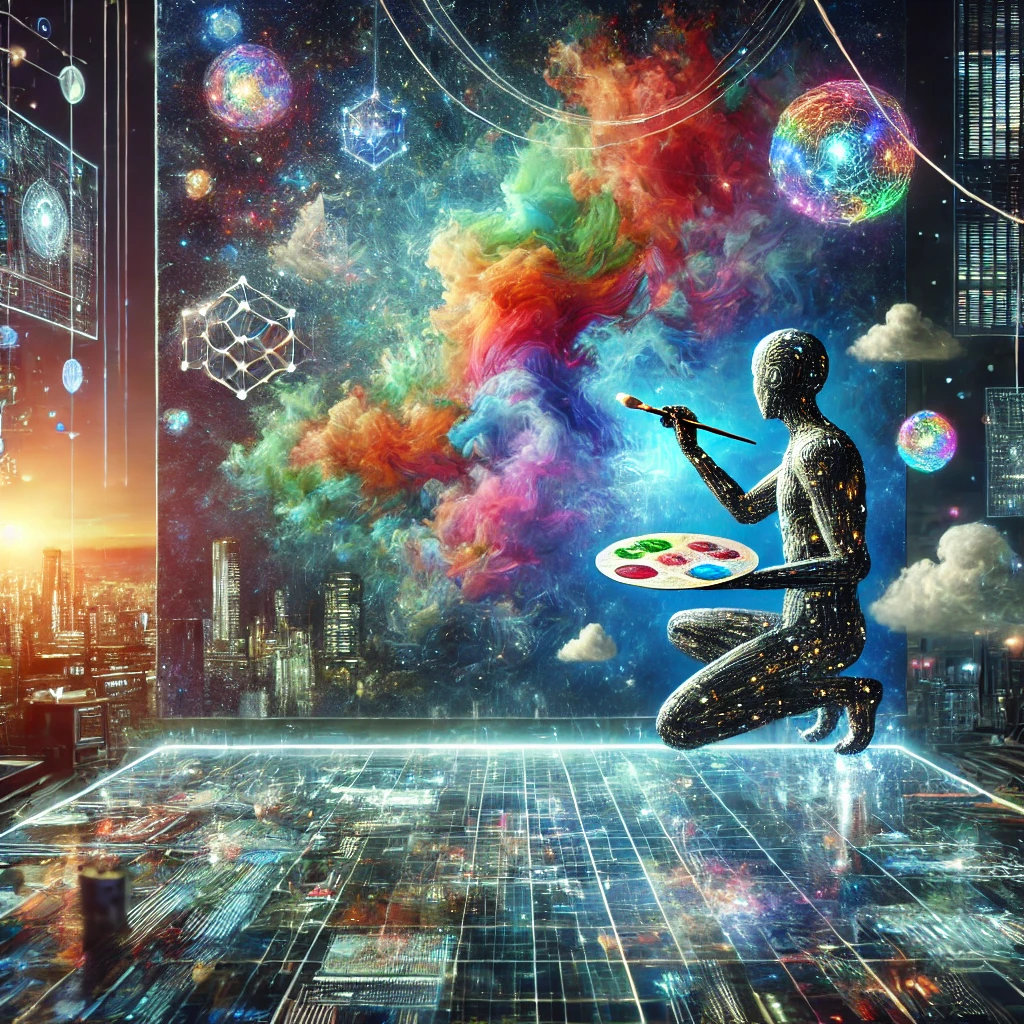
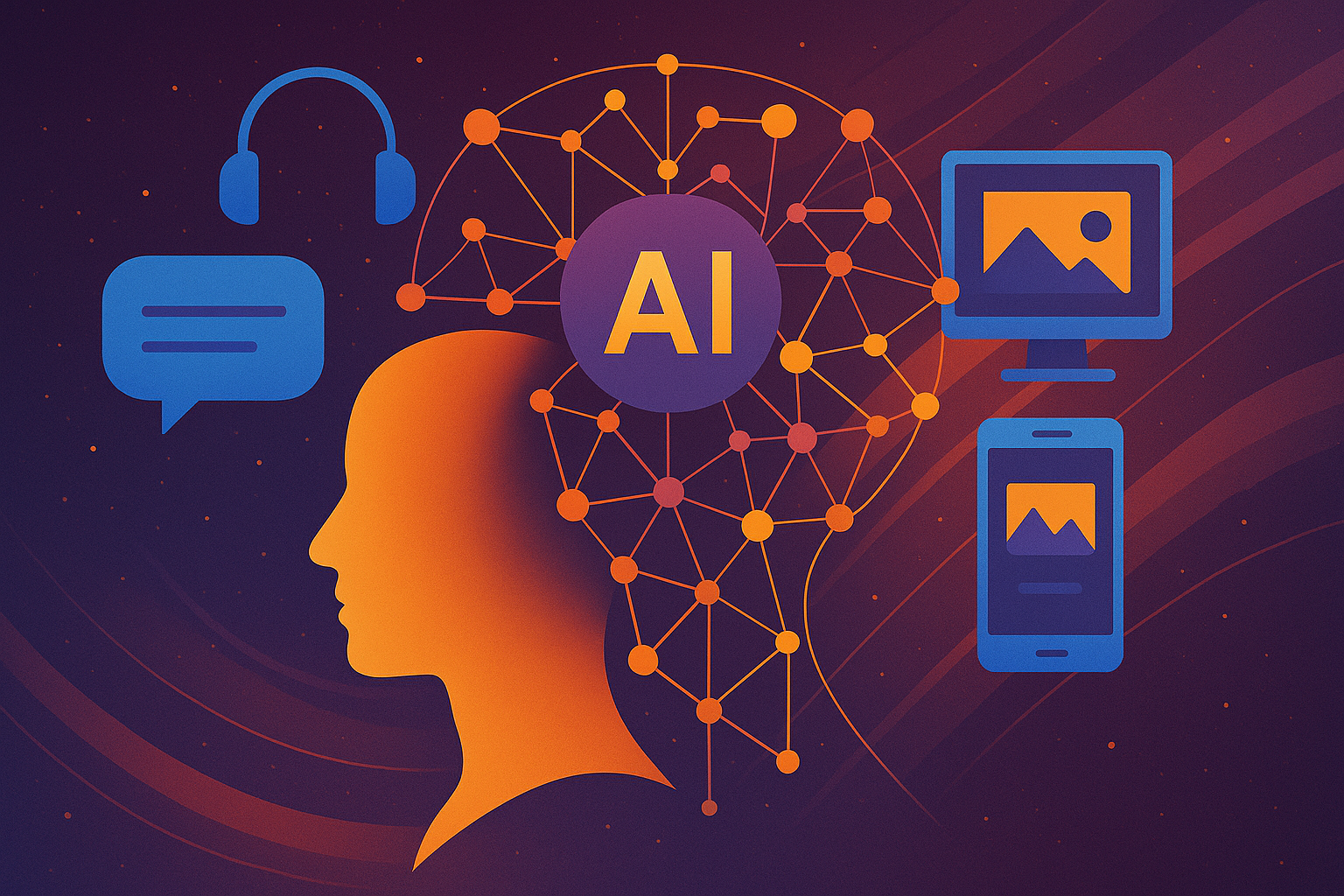
In recent years, the fusion of technology and creativity has gained significant traction, with AI playing a pivotal role in this evolution. Artists are now leveraging machine learning algorithms to generate artworks that were previously unimaginable. By feeding vast datasets of existing art into neural networks, these algorithms can learn patterns, styles, and techniques, subsequently producing original pieces that reflect a unique blend of human creativity and machine intelligence.
One notable example is the use of Generative Adversarial Networks (GANs), which consist of two neural networks that work in tandem. One network generates images while the other evaluates them, providing feedback that helps refine the output. This iterative process leads to the creation of artwork that can mimic the styles of renowned artists or explore entirely new aesthetics. The result is a democratization of artistic expression, where individuals with limited traditional skills can produce visually captivating pieces.
Moreover, the integration of AI into the creative process does not diminish the role of the artist; rather, it reshapes it. Artists are becoming curators of AI-generated content, making creative decisions about which outputs to refine, alter, or combine. This collaborative dynamic between human and machine fosters a new kind of artistry that challenges traditional notions of authorship and originality.
The Aesthetic Appeal of AI-Generated Art
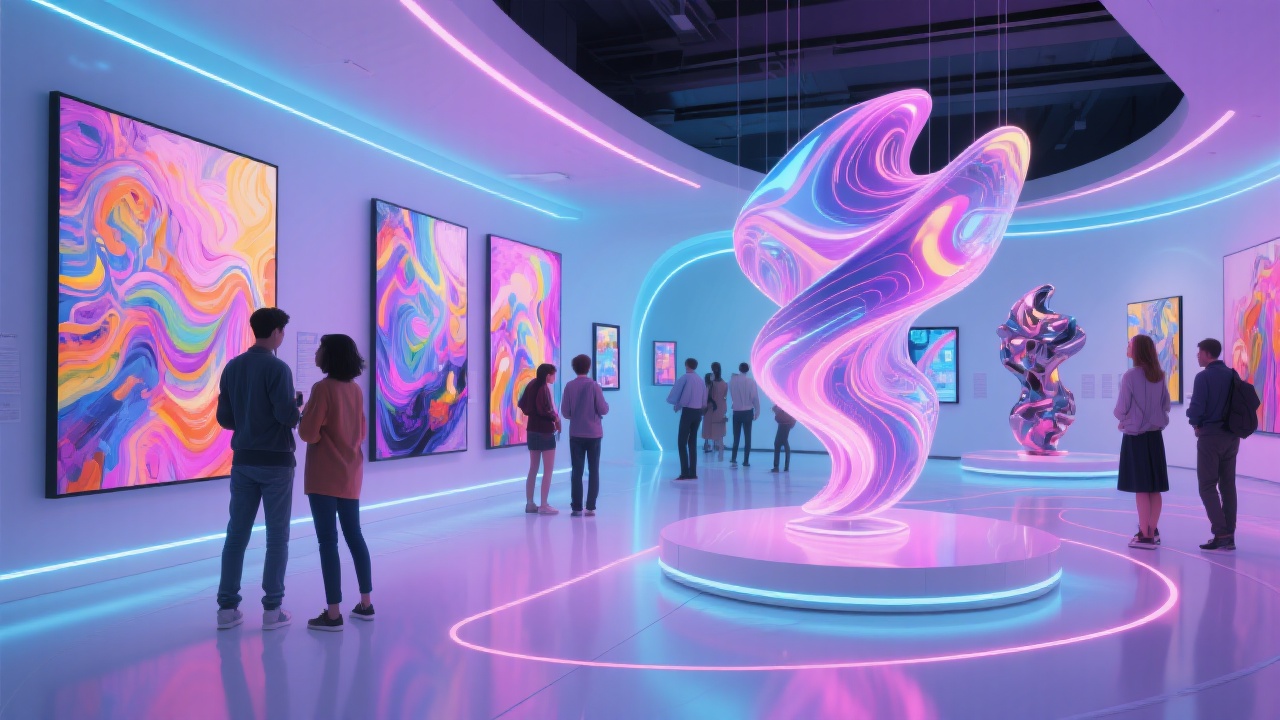
Delving deeper into the aesthetic dimensions of AI art reveals a fascinating landscape of visual expression. The unique qualities of AI-generated artwork often stem from the algorithms’ ability to analyze and synthesize diverse influences. This capability allows for the exploration of hybrid styles that blend elements from various artistic movements, cultures, and periods. The result is a rich tapestry of visual experiences that can evoke emotions and provoke thought in ways that are both familiar and alien.
Critics of AI art often argue that it lacks the emotional depth and intentionality of human-created works. However, this perspective overlooks the potential for AI to evoke new forms of emotional resonance. By generating art that challenges conventional aesthetics, AI can stimulate conversations about the nature of creativity and the human experience. For instance, pieces created by AI can provoke a sense of wonder or unease, inviting viewers to question their perceptions of art and the role of technology in shaping our cultural landscape.
Furthermore, the accessibility of AI art tools has led to a surge of interest among non-artists, allowing a broader audience to engage with the creative process. Platforms that enable users to create AI-generated images or manipulate existing artworks have democratized artistic expression, fostering an inclusive community where creativity knows no boundaries. This accessibility not only enriches the art world but also encourages dialogue about the implications of AI in society.
Navigating Ethical Considerations and Future Implications
As the popularity of AI art continues to rise, it is essential to address the ethical considerations that accompany this technological advancement. One pressing concern revolves around issues of copyright and ownership. When an artwork is generated by an algorithm trained on existing pieces, questions arise regarding the originality of the output and the rights of the original artists. Who holds the copyright to a piece created by AI? Is it the programmer, the user, or the AI itself? These questions challenge existing legal frameworks and necessitate a reevaluation of intellectual property laws in the digital age.
Additionally, the potential for AI-generated art to perpetuate biases is a critical issue that must be confronted. Algorithms are only as unbiased as the data they are trained on, and if that data reflects societal prejudices, the resulting artwork may inadvertently reinforce harmful stereotypes. This reality underscores the importance of diverse datasets and inclusive practices in the development of AI art tools, ensuring that the technology serves as a force for positive change rather than a vehicle for discrimination.
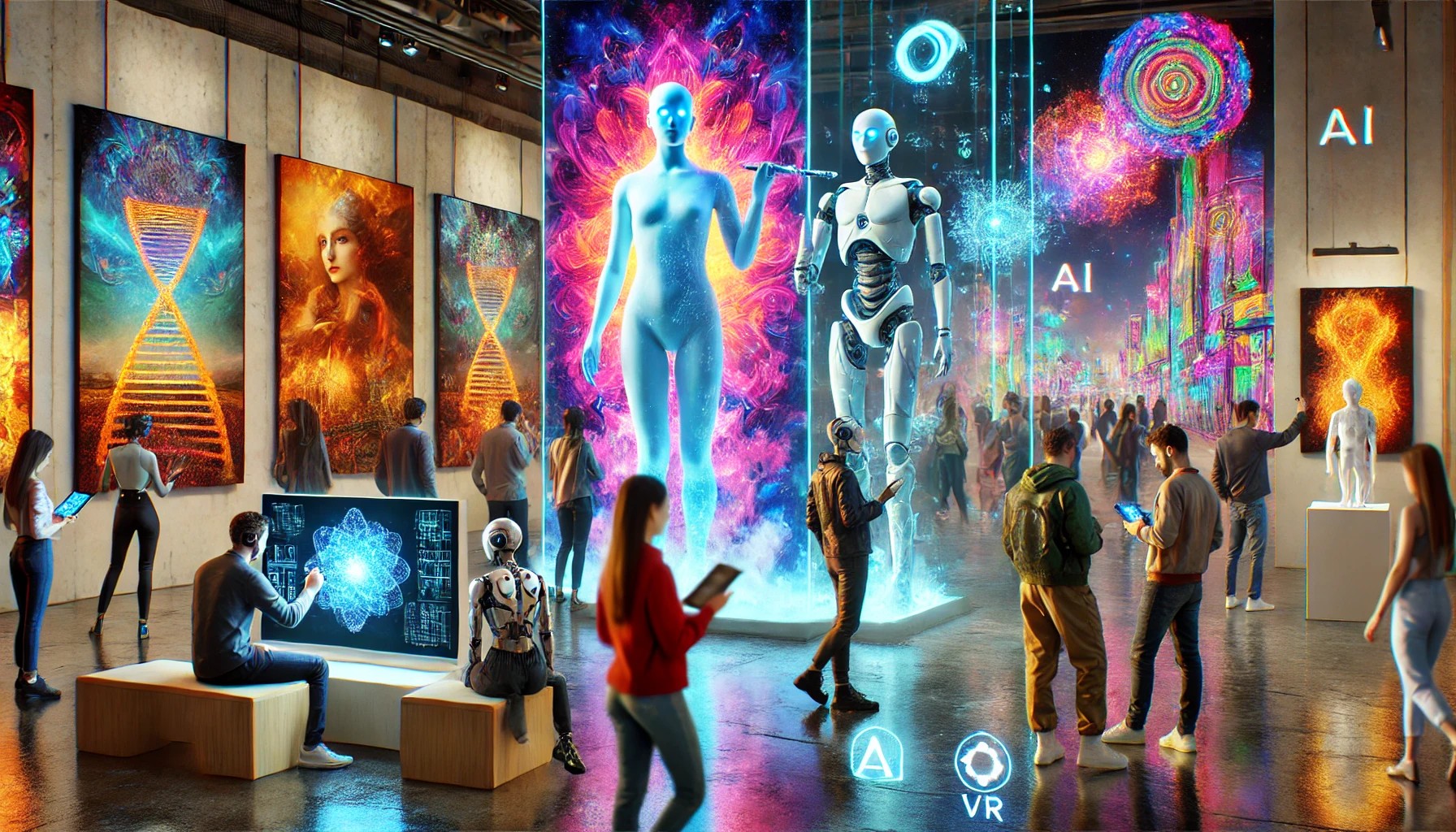
Looking ahead, the future of AI art is poised to be both exciting and complex. As technology continues to evolve, artists and technologists will likely collaborate in innovative ways, pushing the boundaries of what is possible in visual expression. The emergence of augmented reality (AR) and virtual reality (VR) technologies may further enhance the capabilities of AI art, allowing for immersive experiences that engage audiences on multiple sensory levels.
In conclusion, the rise of AI art signifies a transformative shift in the landscape of visual creativity. By merging technology with artistic expression, AI is not only redefining the creative process but also challenging our perceptions of art and authorship. As we navigate the ethical implications and embrace the opportunities presented by AI-generated art, it is crucial to foster a dialogue that prioritizes inclusivity, diversity, and innovation. The journey into this new dimension of visual expression promises to be as enriching as it is complex, inviting us all to reconsider the role of art in our lives and the future of creativity itself.