The Intersection of Technology and Imagination: Exploring the World of Artificial Intelligence Art
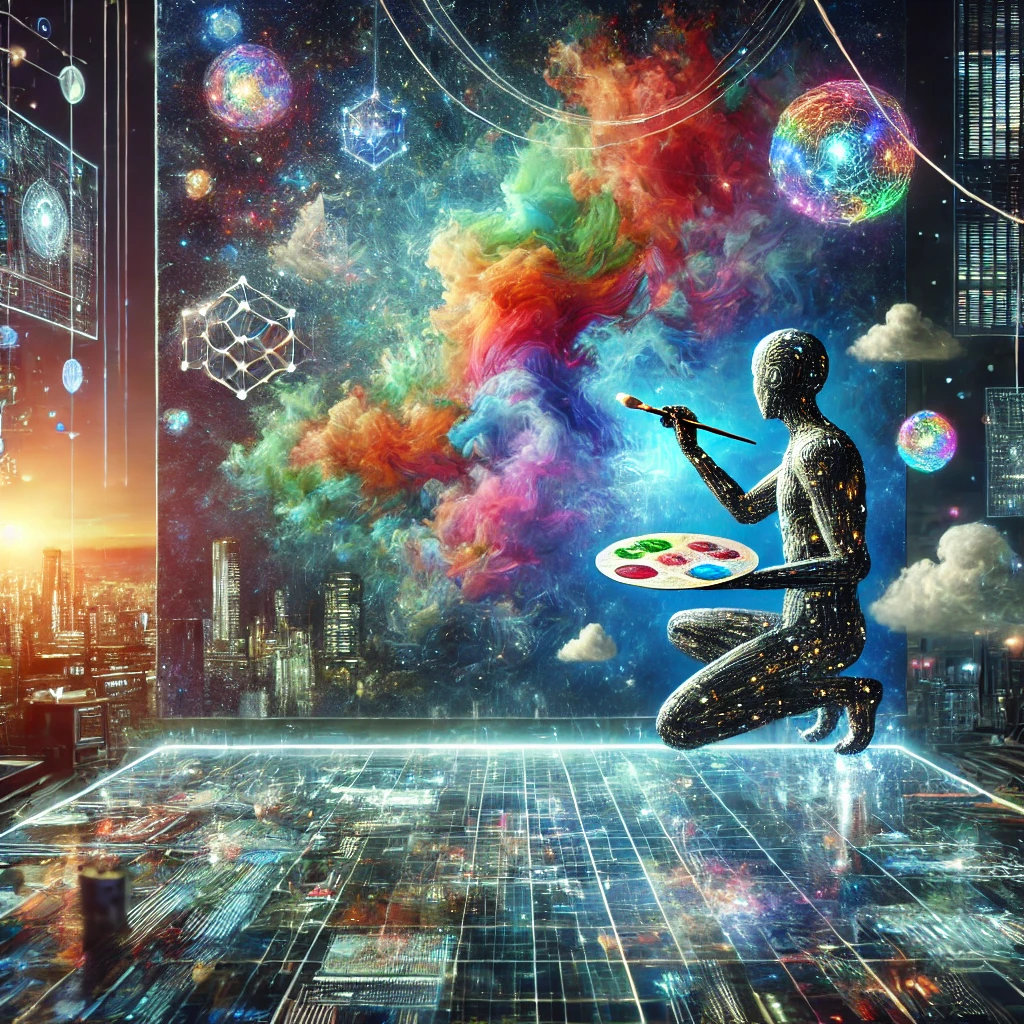
In recent years, the art world has witnessed a revolutionary transformation driven by the advent of artificial intelligence (AI). This technology has not only redefined the process of creation but has also prompted deep ethical and philosophical questions about authorship, creativity, and the very nature of art itself. As we delve into the world of AI art, we will explore the techniques that power this innovation, the ethical implications surrounding its use, and the impact it has on the traditional art landscape.
The Techniques Behind AI Art
Artificial intelligence art is primarily generated through algorithms that analyze vast datasets of existing artwork. These algorithms, particularly deep learning models like Generative Adversarial Networks (GANs), enable machines to create visually stunning pieces that mimic human creativity. GANs work by pitting two neural networks against each other: one generates images, while the other evaluates their authenticity. This process leads to the production of novel artwork that can be indistinguishable from that created by human hands.
Another technique gaining traction is style transfer, which allows AI to blend the characteristics of one artwork with the content of another. For instance, an AI can take a photograph and reinterpret it in the style of Van Gogh or Picasso, creating a unique fusion of modern imagery with classic aesthetics. This technique not only showcases the versatility of AI but also raises questions about the originality of the resulting pieces. Are these works new creations, or merely derivative products of existing styles?
Moreover, AI art generation tools like DALL-E and Midjourney have democratized the creation of art, enabling anyone with a computer to produce compelling visuals in seconds. This accessibility has sparked a new wave of creativity, allowing individuals without formal artistic training to express themselves through digital media. However, it also leads to discussions about the dilution of skill and the value of traditional artistic training.
The Ethical Implications of AI Art
While the technological advancements in AI art are remarkable, they are accompanied by a myriad of ethical concerns. One of the foremost issues revolves around authorship. If an AI creates a piece of art, who owns the rights? Is it the programmer who designed the algorithm, the user who input the prompts, or the AI itself? Current copyright laws are ill-equipped to address these questions, leading to potential legal battles and a need for new frameworks.
Additionally, the use of AI in art raises concerns about the potential for cultural appropriation. AI systems are trained on vast datasets that include works from diverse cultures and backgrounds. When these systems generate art, they may inadvertently borrow elements from cultures without proper context or respect. This can lead to a commodification of cultural symbols and a lack of acknowledgment for the original creators.
Moreover, the question of authenticity in AI-generated art looms large. As machines create increasingly sophisticated pieces, the line between human and machine creativity blurs. This raises philosophical inquiries about the nature of creativity itself. Can a machine truly be creative, or is it merely mimicking human creativity? The debate continues to evolve, challenging our understanding of what it means to be an artist in the 21st century.
The Impact on the Traditional Art World
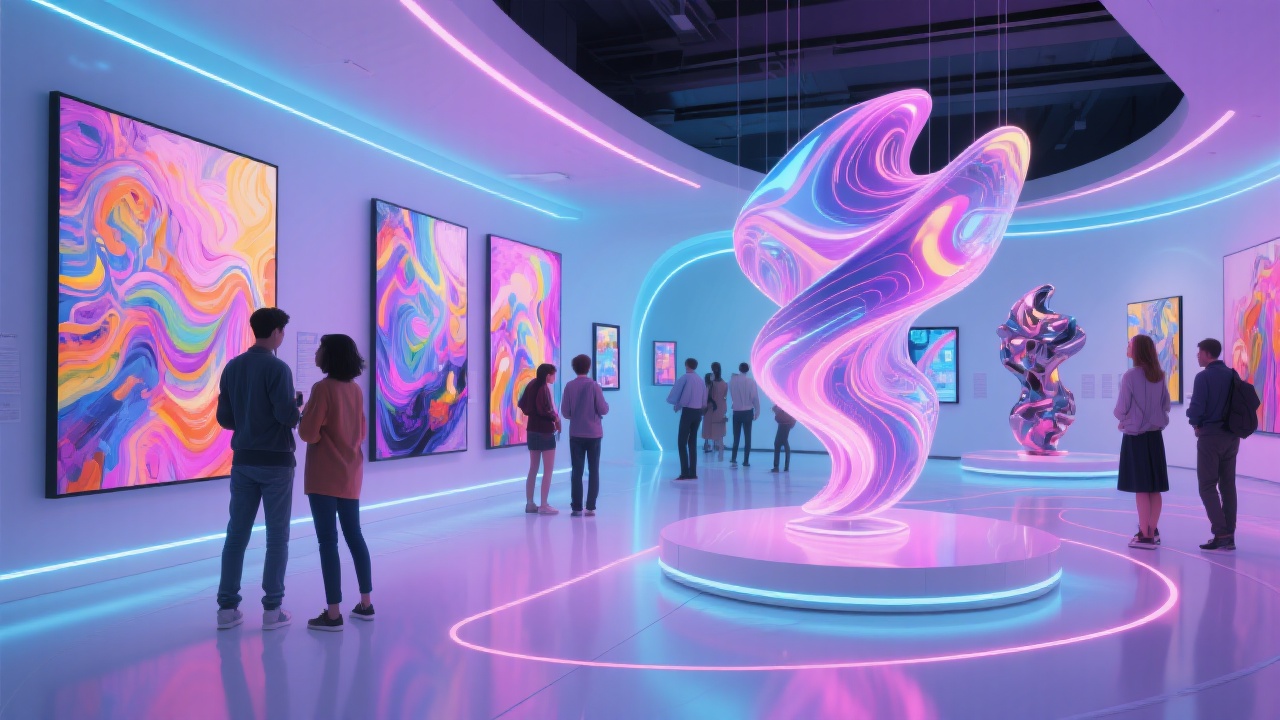
The rise of AI art has undoubtedly impacted the traditional art world, leading to both opportunities and challenges. On one hand, AI-generated art has found its place in galleries and exhibitions, often fetching high prices at auctions. The sale of works created by AI has sparked interest among collectors, leading to a new market segment that values innovation and technological prowess.
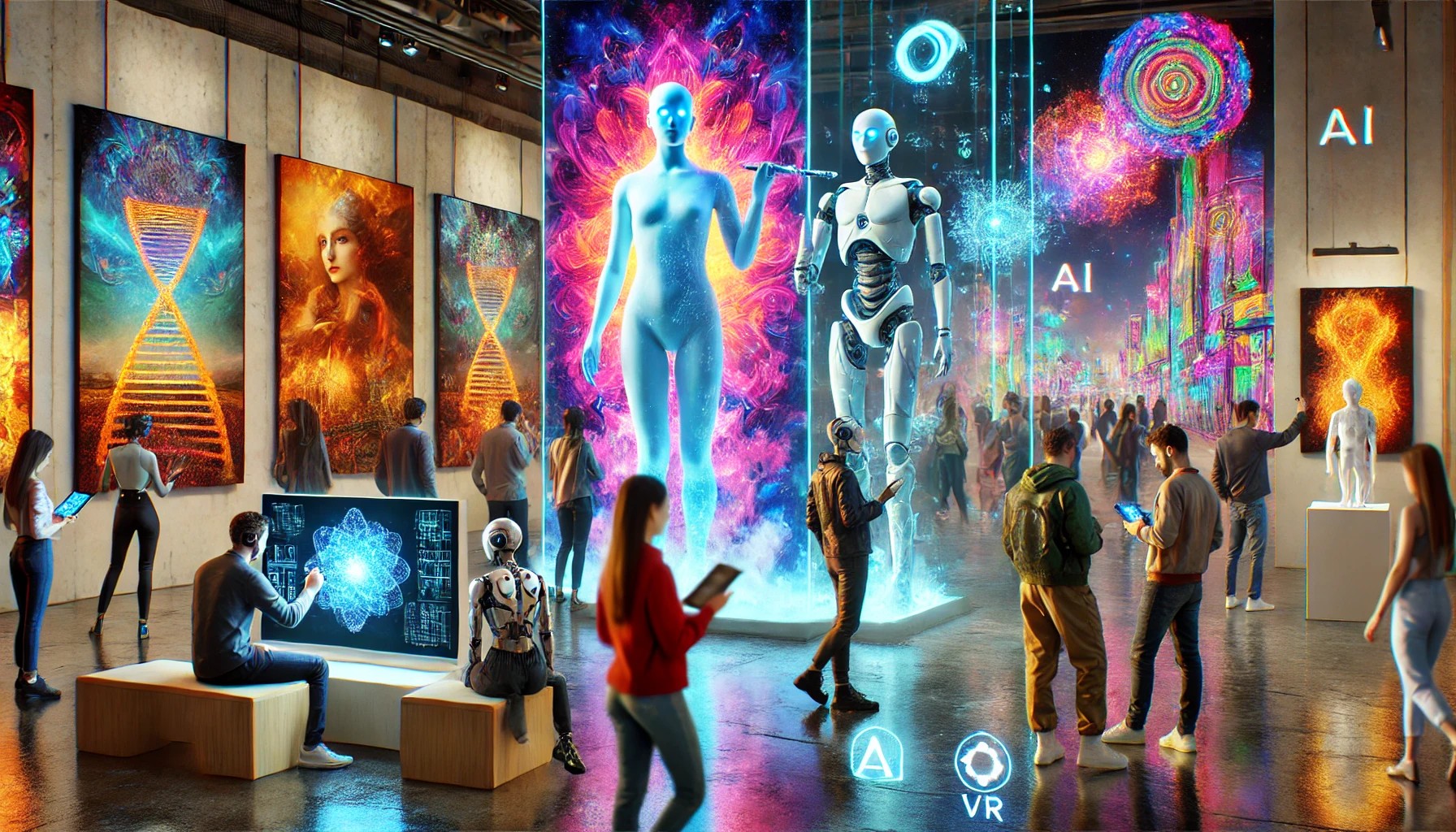
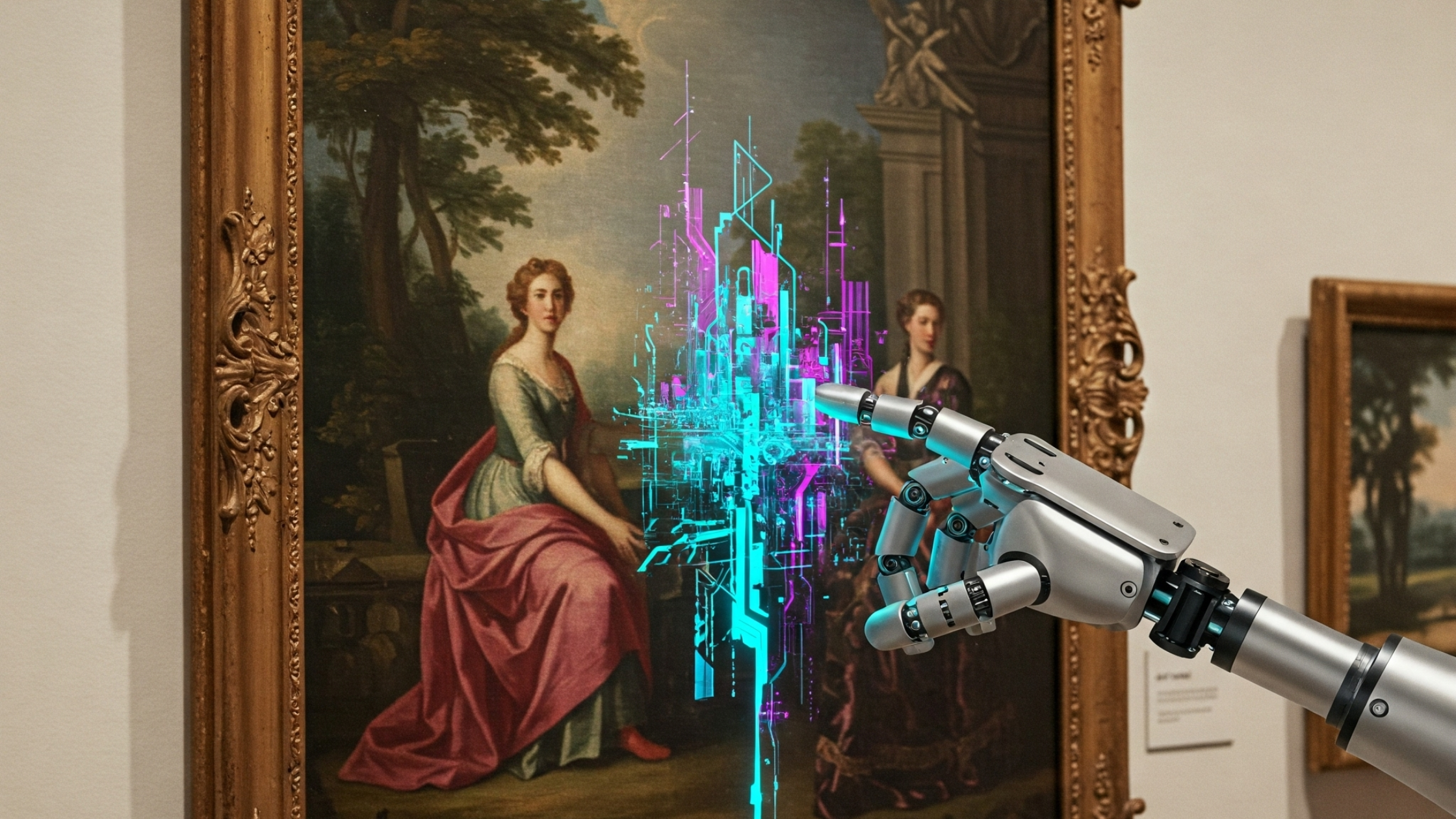
However, the proliferation of AI art also poses a threat to traditional artists. As AI tools become more accessible, the saturation of the art market with AI-generated pieces could devalue the work of human artists. The unique qualities of human creativity—emotion, experience, and intention—may be overshadowed by the speed and efficiency of machines. This shift has prompted many artists to explore collaborations with AI, blending human intuition with machine-generated elements to create hybrid works that reflect the best of both worlds.
Furthermore, the impact of AI on art education cannot be overlooked. As AI tools become integral to the creative process, art schools and institutions must adapt their curricula to include training on these technologies. This evolution presents an opportunity for future artists to harness AI as a tool rather than viewing it as a competitor. By embracing the technology, artists can push the boundaries of their creativity and explore new avenues of expression.
Conclusion
The intersection of technology and imagination through artificial intelligence art is a complex and multifaceted landscape. While the techniques behind AI art are revolutionizing the creative process, they also raise significant ethical questions about authorship, cultural appropriation, and authenticity. The impact of AI on the traditional art world presents both challenges and opportunities, necessitating a reevaluation of how we perceive creativity and artistic value.
As we navigate this new terrain, it is essential for artists, technologists, and policymakers to engage in thoughtful discussions about the implications of AI art. By doing so, we can ensure that the evolution of art remains a reflection of human creativity and cultural richness, even as we embrace the innovations offered by artificial intelligence.