The Intersection of Technology and Art: How AI is Redefining Visual Landscapes and Expression
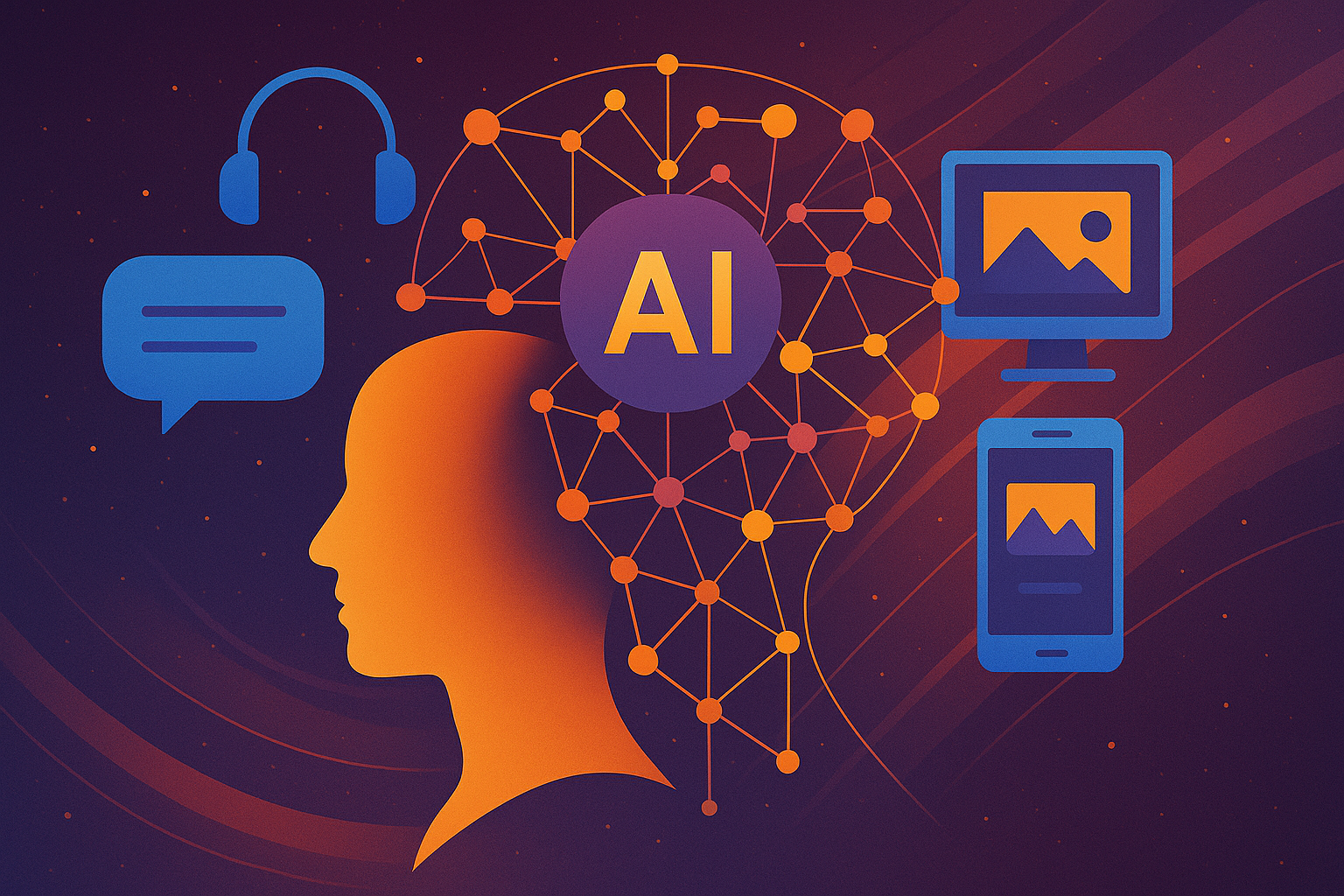
As technology continues to evolve at an unprecedented pace, its influence on various domains becomes increasingly evident. One of the most fascinating intersections of this evolution is between technology and art. In recent years, artificial intelligence (AI) has emerged as a powerful tool for artists, reshaping visual landscapes and redefining the boundaries of creative expression. This article delves into the ways AI is transforming the art world, examining its implications for artists, audiences, and the very nature of creativity itself.
The Rise of AI in Artistic Creation
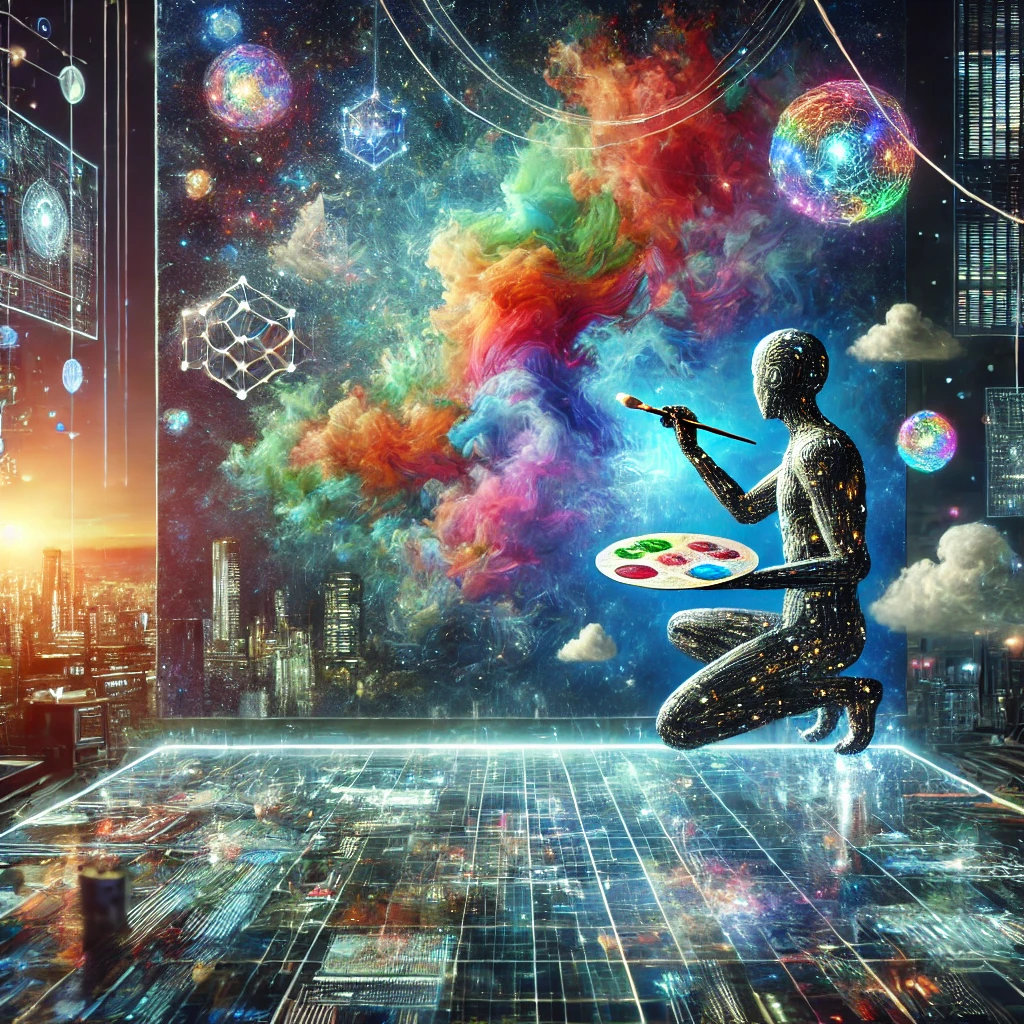
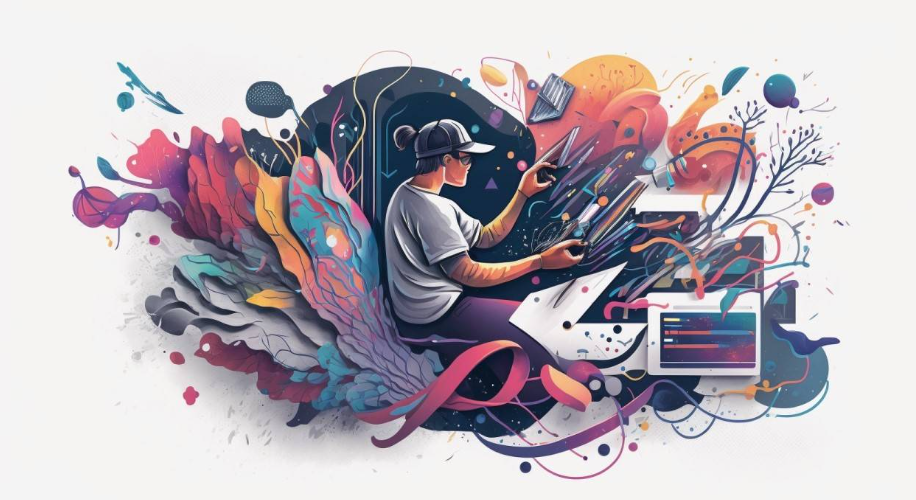
Initially, the concept of machines creating art might have seemed far-fetched. However, advancements in machine learning and neural networks have made it possible for AI to generate original artwork. Programs like DeepArt and DALL-E utilize algorithms that analyze vast datasets of existing artworks to create new pieces that mimic various styles or even invent entirely new ones. These tools allow artists to experiment with different aesthetics and ideas, pushing the limits of traditional artistic practices.
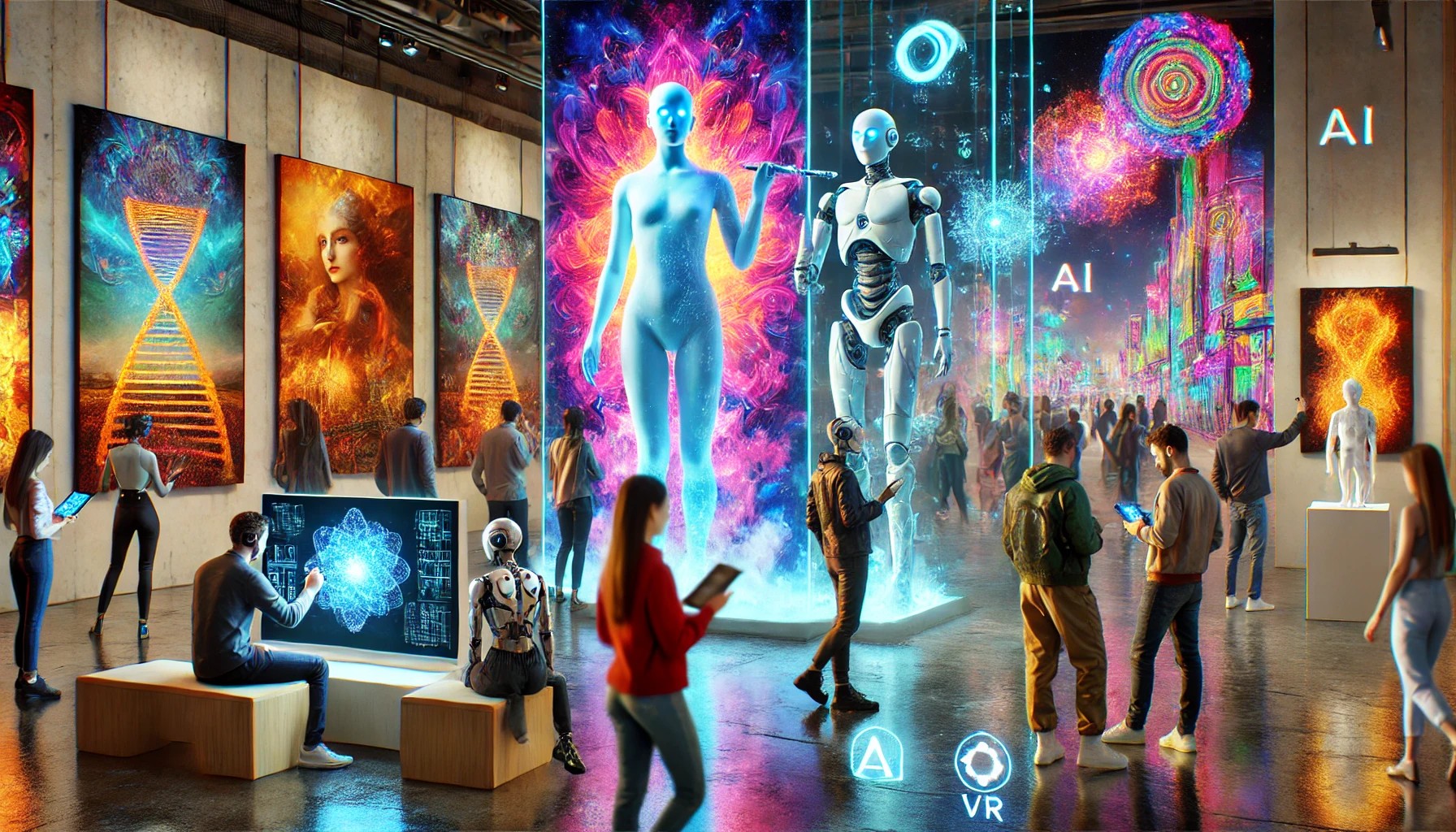
Moreover, AI-generated art challenges the notion of authorship. When a machine creates a piece, questions arise about the role of the artist. Is the artist merely a curator of the AI’s output, or do they retain creative control? This dilemma invites a broader conversation about the definition of creativity itself. As artists collaborate with AI, they may find themselves in a position where they are not just creators but also facilitators, guiding the AI’s processes to produce work that resonates on a human level.
The Impact on Artistic Expression
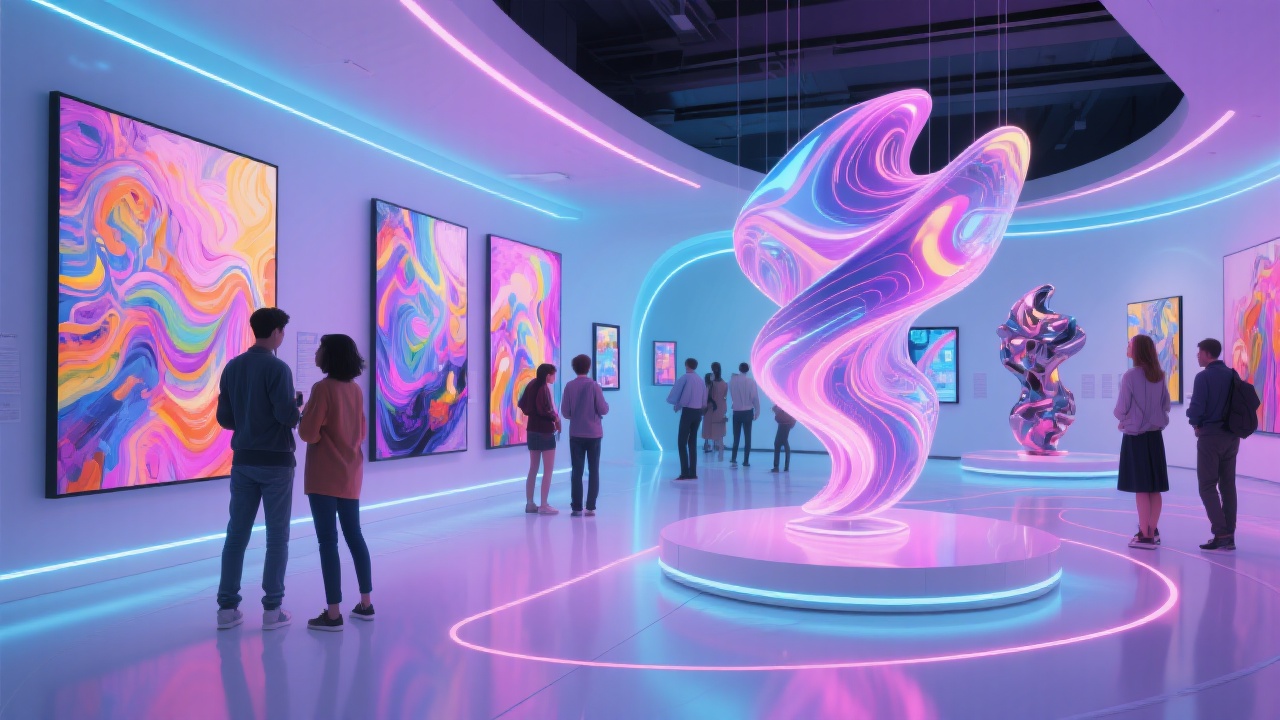
Beyond the mechanics of creation, AI is profoundly impacting how artists express themselves. By harnessing the power of AI, creators can explore new dimensions of their work, incorporating elements that were previously difficult or impossible to achieve. For instance, generative art, which relies on algorithms to produce visuals, allows artists to create dynamic pieces that evolve over time or respond to environmental stimuli. This interactivity introduces a novel layer of engagement, inviting viewers to participate in the artistic experience.
In addition, AI tools can analyze audience preferences and trends, providing artists with insights that inform their creative decisions. By understanding what resonates with viewers, artists can tailor their work to evoke specific emotions or provoke thoughtful responses. This data-driven approach not only enhances the artistic process but also bridges the gap between creator and audience, fostering a more collaborative relationship.
The Ethical Considerations and Future Implications
While the integration of AI into the art world presents exciting opportunities, it also raises important ethical questions. Concerns about copyright infringement, originality, and the potential for AI to perpetuate biases present challenges that the art community must navigate. For instance, if an AI generates a piece that closely resembles existing work, who owns the rights? Additionally, if the data used to train AI algorithms reflects societal biases, the art produced may inadvertently reinforce harmful stereotypes.
Addressing these ethical implications requires a collective effort from artists, technologists, and policymakers. Establishing clear guidelines and frameworks for the use of AI in art will be crucial in fostering a creative environment that respects both human creativity and technological innovation. As the dialogue around these issues continues, it is essential to consider how the art community can harness AI responsibly while embracing its potential for transformative expression.
Conclusion: A New Era of Artistic Possibility
In conclusion, the intersection of technology and art, particularly through the lens of AI, is ushering in a new era of artistic possibility. As artists experiment with AI-generated tools and techniques, they are redefining what it means to create and experience art. The collaboration between human creativity and machine intelligence has the potential to expand the boundaries of artistic expression, leading to innovative forms that challenge our perceptions and provoke thought.
As the art world continues to evolve, it is vital for artists to engage with these technologies mindfully. By exploring the capabilities of AI while remaining attuned to ethical considerations, artists can navigate this complex landscape with integrity and vision. Ultimately, the integration of AI into the artistic process not only enriches the creative journey but also invites a broader audience to engage with art in new and meaningful ways. The future of art is bright, and as we stand at this intersection, it is clear that the possibilities are as limitless as our imagination.