The Intersection of Art and AI: Exploring the Boundless Potential of Machine-Generated Imagery
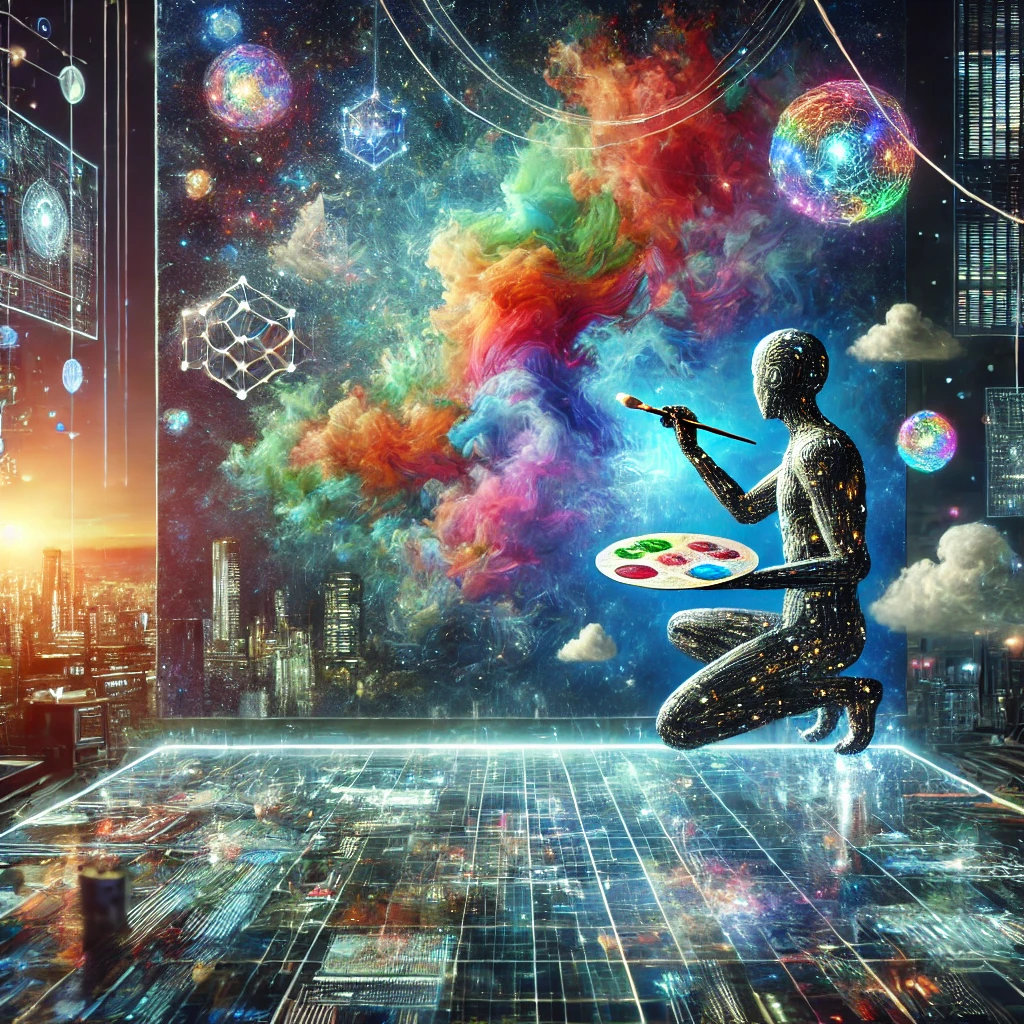
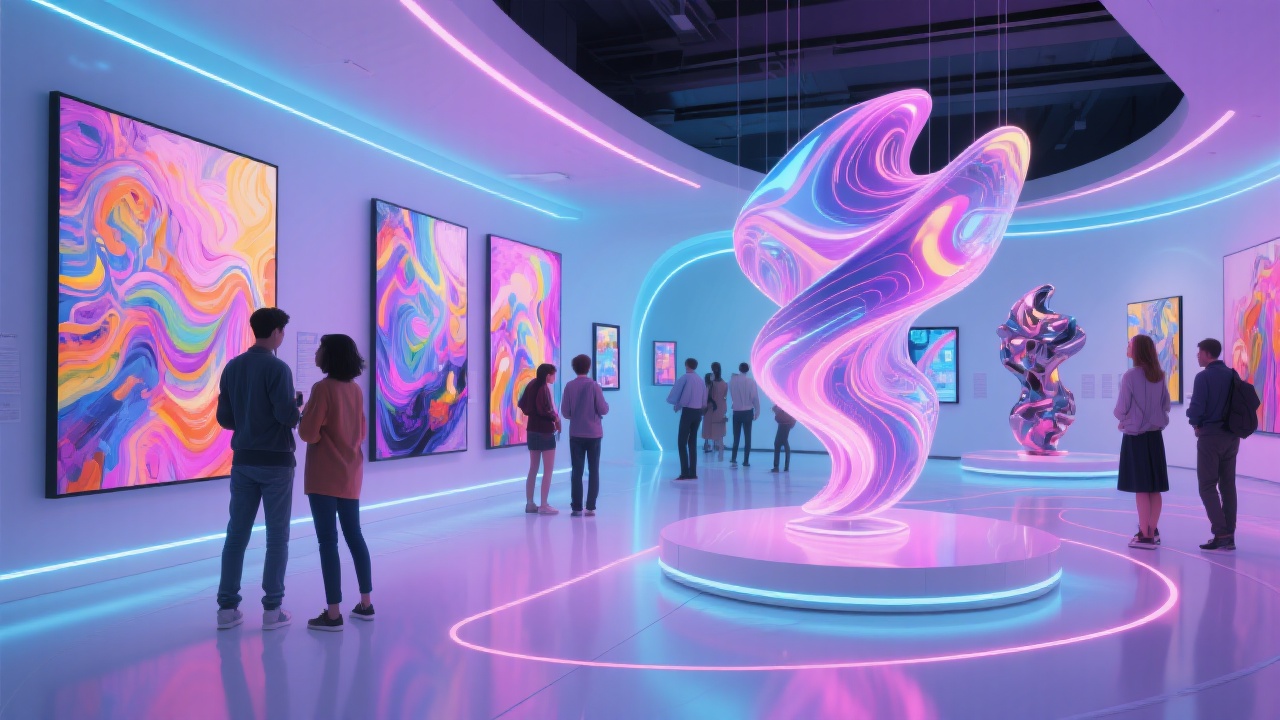
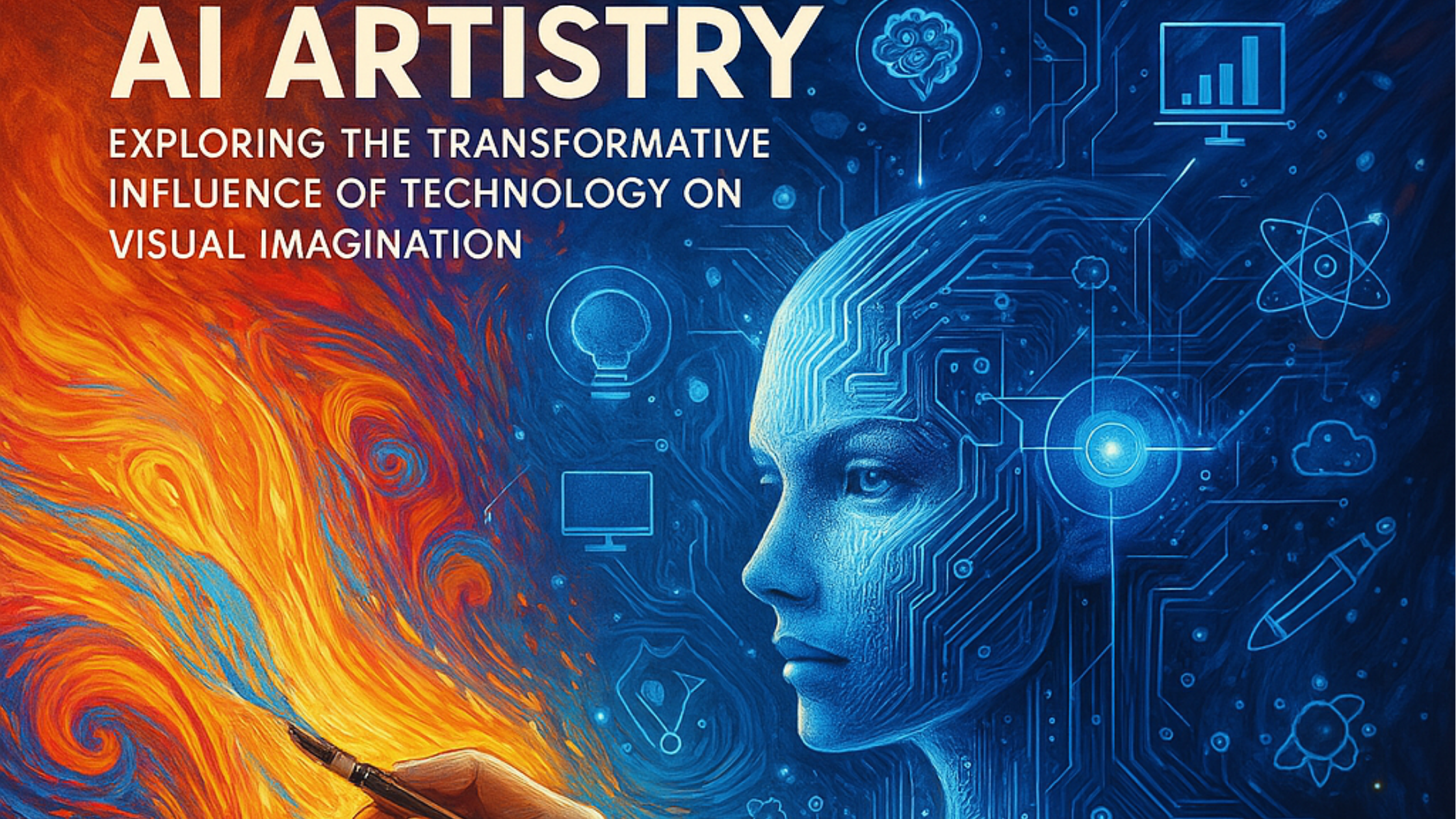
The convergence of artificial intelligence (AI) and art has sparked a revolution in the creative landscape, leading to innovative forms of expression and challenging traditional notions of authorship. As AI technology continues to evolve, it opens up new avenues for artists, designers, and technologists alike, creating a fertile ground for collaboration and experimentation. This article delves into the multifaceted relationship between art and AI, examining the implications of machine-generated imagery and its potential to reshape the artistic domain.
Understanding Machine-Generated Imagery
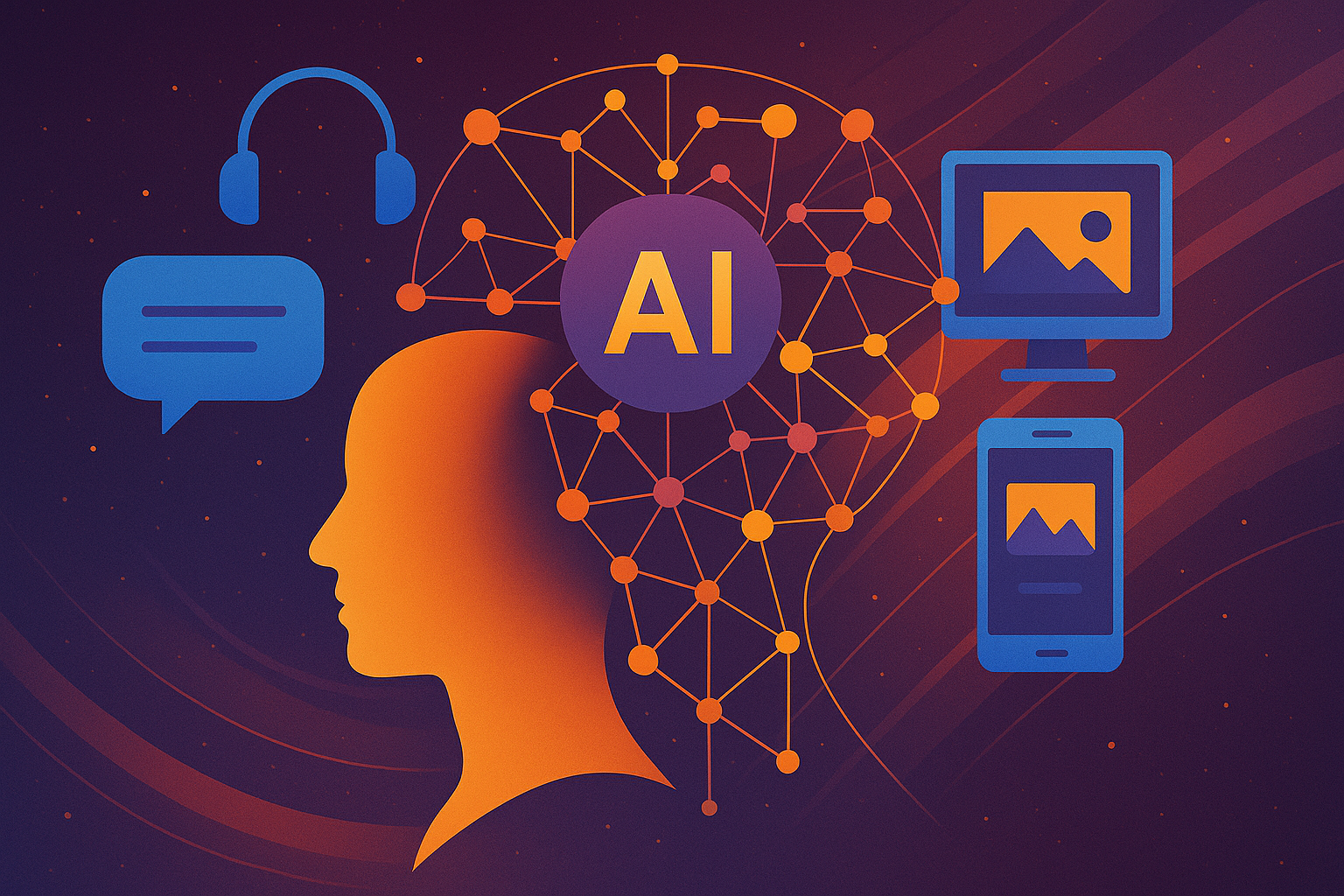
To grasp the significance of AI in the art world, one must first understand what machine-generated imagery entails. At its core, machine-generated imagery is created using algorithms and neural networks that analyze vast datasets of existing artwork. By learning from these datasets, AI systems can produce original images that mimic or innovate upon established styles. Techniques such as Generative Adversarial Networks (GANs) and deep learning have become pivotal in this process, enabling machines to generate visual content that can be both striking and thought-provoking.
Moreover, the rise of platforms like DALL-E and Midjourney has democratized access to AI art tools, allowing individuals without formal artistic training to create stunning visuals. This accessibility has led to a surge in experimentation, where users can generate art by simply providing textual prompts. The implications of this democratization are profound; it not only challenges the exclusivity of the art world but also encourages a broader range of voices to participate in the creative process.
The Role of AI in Creative Collaboration
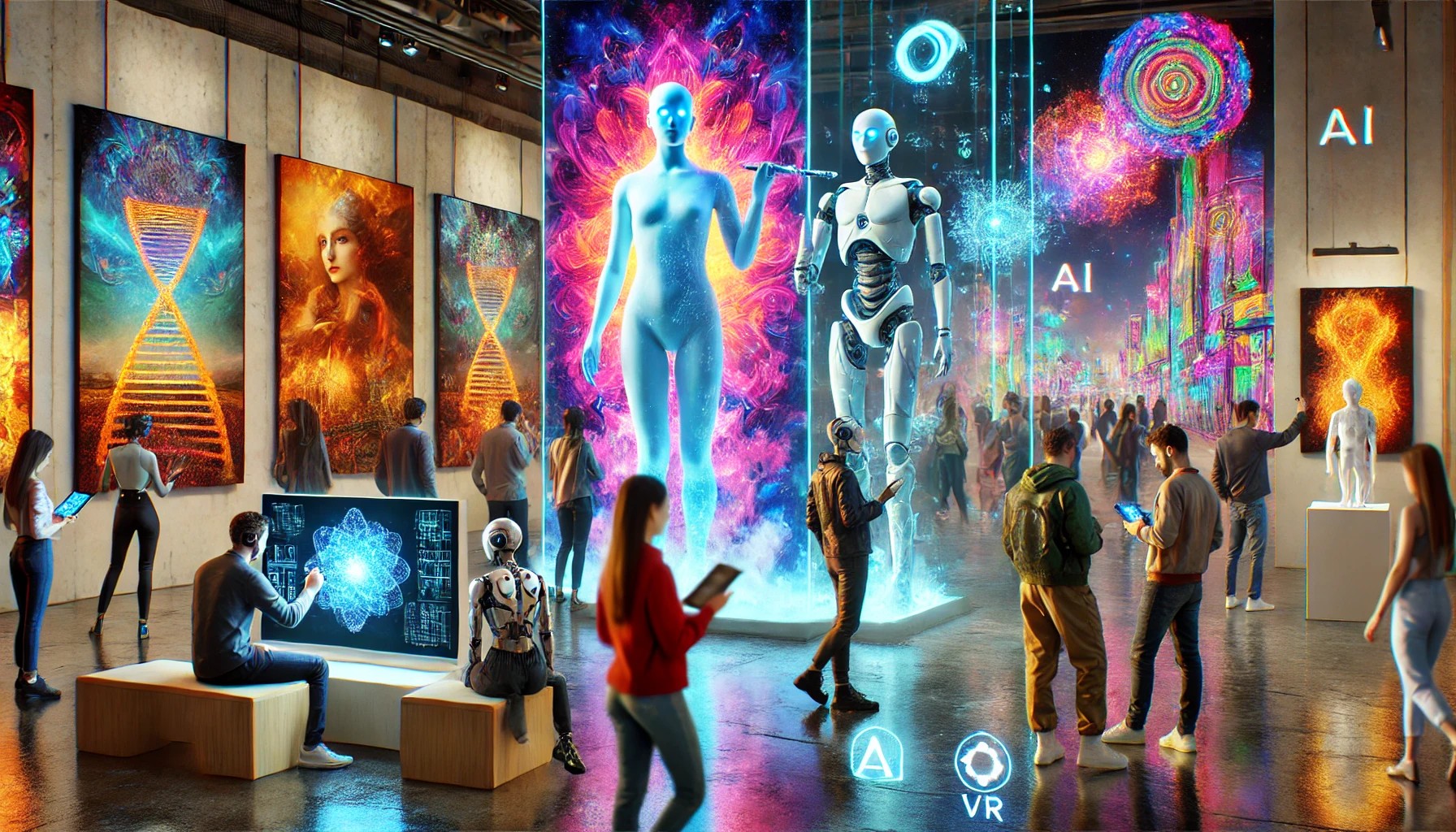
Collaboration between human artists and AI systems has emerged as a significant trend, blurring the lines of authorship and creative ownership. Artists are increasingly using AI as a co-creator, leveraging its capabilities to enhance their artistic vision. This partnership allows for the exploration of new styles and concepts that may not have been possible through traditional methods. For instance, some artists employ AI to generate initial sketches or color palettes, which they then refine and adapt according to their unique sensibilities.
In addition to enhancing creativity, AI can also serve as a source of inspiration. Artists often find themselves in creative ruts, and AI-generated imagery can provide fresh perspectives and ideas. By analyzing the output of AI systems, artists can discover unexpected combinations of forms, colors, and themes, leading to novel artistic directions. This symbiotic relationship fosters an environment where human intuition and machine learning coexist, resulting in works that are richer and more diverse.
Ethical Considerations and the Future of AI Art
As the integration of AI in art continues to expand, ethical considerations come to the forefront. Questions surrounding authorship, originality, and copyright emerge as key issues. When an AI generates an artwork, who is the true creator—the machine, the programmer, or the user who provided the input? The art community is grappling with these questions, as existing legal frameworks struggle to keep pace with technological advancements. This ambiguity raises concerns about the commodification of creativity and the potential for exploitation of artists’ styles without proper attribution.
Furthermore, the environmental impact of AI art generation cannot be overlooked. The computational power required for training AI models consumes significant energy resources, raising questions about sustainability in the creative process. As artists and technologists navigate these challenges, there is a growing call for ethical guidelines and best practices to ensure that the integration of AI into art is responsible and equitable.
Looking ahead, the future of AI-generated imagery appears promising. As technology advances, we can expect to see even more sophisticated AI systems capable of producing intricate and emotionally resonant works of art. The potential for AI to collaborate with artists will likely lead to the emergence of new genres and styles, further enriching the artistic landscape. Additionally, as the dialogue surrounding AI and art continues, we may witness the establishment of new norms and practices that prioritize both innovation and ethical responsibility.
Conclusion
In conclusion, the intersection of art and AI represents a dynamic and rapidly evolving frontier that challenges our understanding of creativity. Machine-generated imagery offers boundless potential, enabling artists to explore new realms of expression while raising important ethical questions about authorship and sustainability. As we embrace this technological evolution, it is essential to foster a collaborative environment where human creativity and machine learning can thrive together. By doing so, we can unlock the full potential of AI in the art world, paving the way for a future that celebrates innovation while honoring the rich traditions of artistic expression.