




The Future of AI: Trends and Innovations Set to Redefine Technology and Human Experience
Artificial Intelligence (AI) stands at the precipice of a new era, one that promises profound transformations across various sectors. As we look ahead, the future of AI is not just about technological advancements but also about redefining human experiences and interactions. This article delves into key trends and innovations that are set to shape the future landscape of AI, exploring its implications in scientific discovery, natural language processing, autonomous systems, and personal devices.
Revolutionizing Scientific Discovery
Emerging technologies are increasingly enabling AI to play a pivotal role in scientific research. With its ability to analyze vast datasets, AI is poised to accelerate discovery processes in fields such as genomics, materials science, and climate modeling. Researchers are already leveraging machine learning algorithms to identify patterns and correlations that would otherwise remain hidden in traditional analyses. For instance, AI-driven simulations can predict molecular behavior, leading to breakthroughs in drug discovery that could save lives and reduce costs.
Moreover, the integration of AI in laboratories is enhancing the efficiency of experiments. Automation powered by AI can optimize conditions for chemical reactions or biological experiments, increasing the rate of successful outcomes. The future of AI in science is not merely about speed; it’s about augmenting human intelligence, allowing scientists to focus on creative problem-solving rather than tedious data processing.
Transforming Natural Language Processing
Natural Language Processing (NLP) is another frontier where the future of AI is set to make significant strides. The evolution of NLP technologies is leading to more sophisticated interactions between humans and machines. Recent advancements in deep learning have enabled models like GPT-3 and beyond to understand context, nuances, and even emotions in human language. This capability is transforming customer service, content creation, and even therapy, as AI systems become more adept at understanding and responding to human needs.
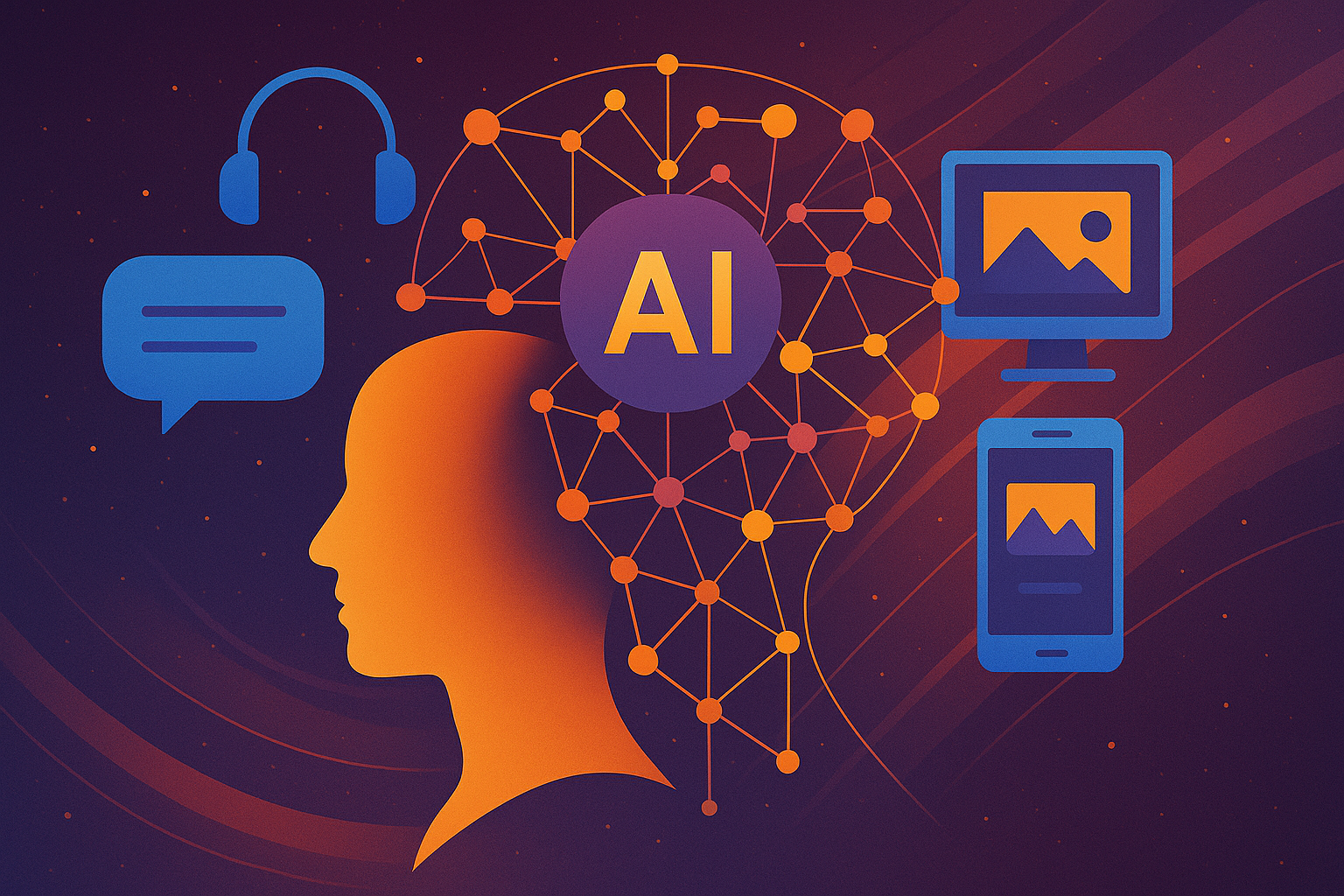
Looking ahead, the integration of multimodal AI—where text, audio, and visual data are processed simultaneously—will further enhance communication. Imagine a scenario where AI not only translates languages but also interprets tone and body language in real-time during video calls. Such innovations could bridge cultural gaps and foster global collaboration, making the world a more interconnected place.
The Future of Autonomous Systems
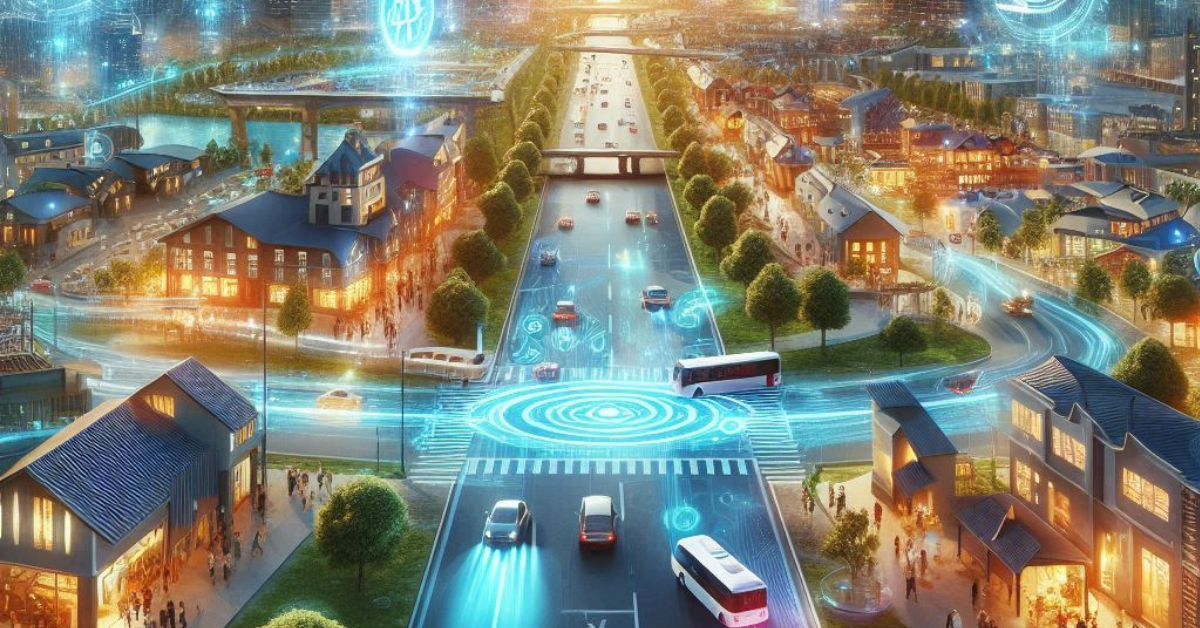
Autonomous systems, including self-driving cars and drones, are rapidly evolving, and their future implications are both exciting and complex. Significant advancements in sensor technology, computer vision, and machine learning are enabling machines to navigate and interact with their environments more effectively. As these systems become more reliable, they will reshape industries such as transportation, logistics, and agriculture.
However, the rise of autonomous systems brings forth crucial ethical and regulatory challenges. Questions around safety, accountability, and job displacement will need to be addressed as these technologies become integrated into daily life. The future of AI in this domain will not only hinge on technological prowess but also on the frameworks we establish to govern their use. Collaboration between technologists, policymakers, and ethicists will be essential to ensure that the benefits of autonomous systems are realized while minimizing potential harms.
The Evolution of AI in Personal Devices
Personal devices are undergoing a transformation with the integration of AI, enhancing user experiences in unprecedented ways. Smart devices, from smartphones to home assistants, are becoming increasingly intuitive, learning user preferences and behaviors to provide personalized recommendations. The future of AI in personal devices will likely see even deeper integration, where devices anticipate needs and proactively assist users.
Consider the potential of AI in health monitoring. Wearable devices equipped with AI can analyze biometric data in real-time, offering insights on fitness, sleep, and even potential health issues. This capability could empower individuals to take charge of their health like never before. However, as these devices collect sensitive data, privacy concerns will be paramount. Striking a balance between personalization and privacy will be a critical aspect of the future of AI in personal technology.
Conclusion: Embracing the Future of AI
As we navigate the future of AI, it is evident that the technology will profoundly reshape our world. From revolutionizing scientific discovery to transforming everyday interactions through natural language processing, the innovations on the horizon are both exciting and daunting. Autonomous systems will challenge our ethical frameworks, while personal devices will redefine how we connect with technology and each other.
Embracing these changes requires a collective effort—one that involves technologists, policymakers, and society at large. By fostering a collaborative approach to AI development, we can harness its potential to improve lives while addressing the accompanying challenges. The future of AI is not just about machines; it’s about enhancing the human experience and creating a world where technology serves humanity’s best interests.