The Future of AI Art: Bridging Technology and Vision in the Digital Landscape of Visual Expression
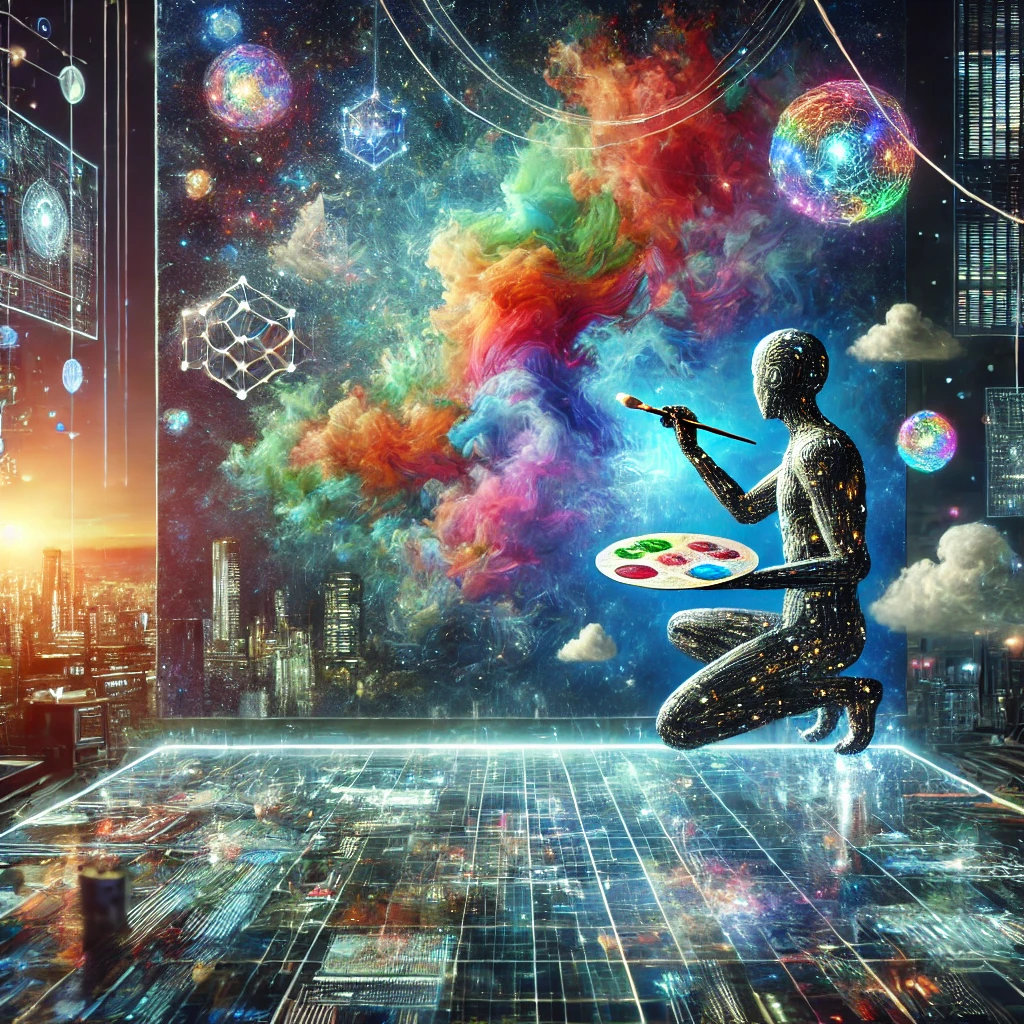
As we stand on the precipice of a new era in artistic creation, the intersection of artificial intelligence (AI) and art is reshaping how we perceive and engage with visual expression. This transformation is not merely a technological evolution; it is a profound shift in the very essence of creativity itself. By harnessing the capabilities of AI, artists are exploring uncharted territories, enabling innovative forms of expression that challenge traditional notions of authorship, creativity, and aesthetic value.
The Evolution of AI in Artistic Creation
Over the past few years, advancements in machine learning and neural networks have paved the way for AI to become a significant player in the art world. Initially, AI-generated art was perceived as a novelty, a mere curiosity that showcased the capabilities of algorithms. However, as these technologies have matured, they have begun to produce works that rival those created by human artists, raising essential questions about the nature of creativity and the role of the artist.
One of the most notable developments in this field has been the rise of generative adversarial networks (GANs). These sophisticated algorithms operate by training two neural networks against each other—one generates images while the other evaluates them. This back-and-forth process enables the creation of increasingly complex and aesthetically pleasing artworks. Artists have begun to embrace these tools, utilizing them to push boundaries and explore new artistic styles that blend human intuition with machine precision.
Moreover, the democratization of AI art tools has opened the floodgates for aspiring creators. Platforms such as DALL-E, Midjourney, and Artbreeder allow anyone with an internet connection to experiment with AI-generated imagery. This accessibility has not only expanded the definition of who can be considered an artist but has also fostered a vibrant community of creators who share and collaborate on their AI art projects. The implications of this democratization are profound, as it encourages diverse voices and perspectives to emerge in the digital landscape.
The Philosophical Implications of AI Art
As AI continues to infiltrate the art world, it prompts a reevaluation of age-old philosophical questions surrounding creativity and authorship. Traditionally, art has been viewed as a deeply human endeavor, a reflection of individual experience, emotion, and intention. However, the emergence of AI-generated art challenges this paradigm, as machines create works devoid of personal experience or emotional depth.
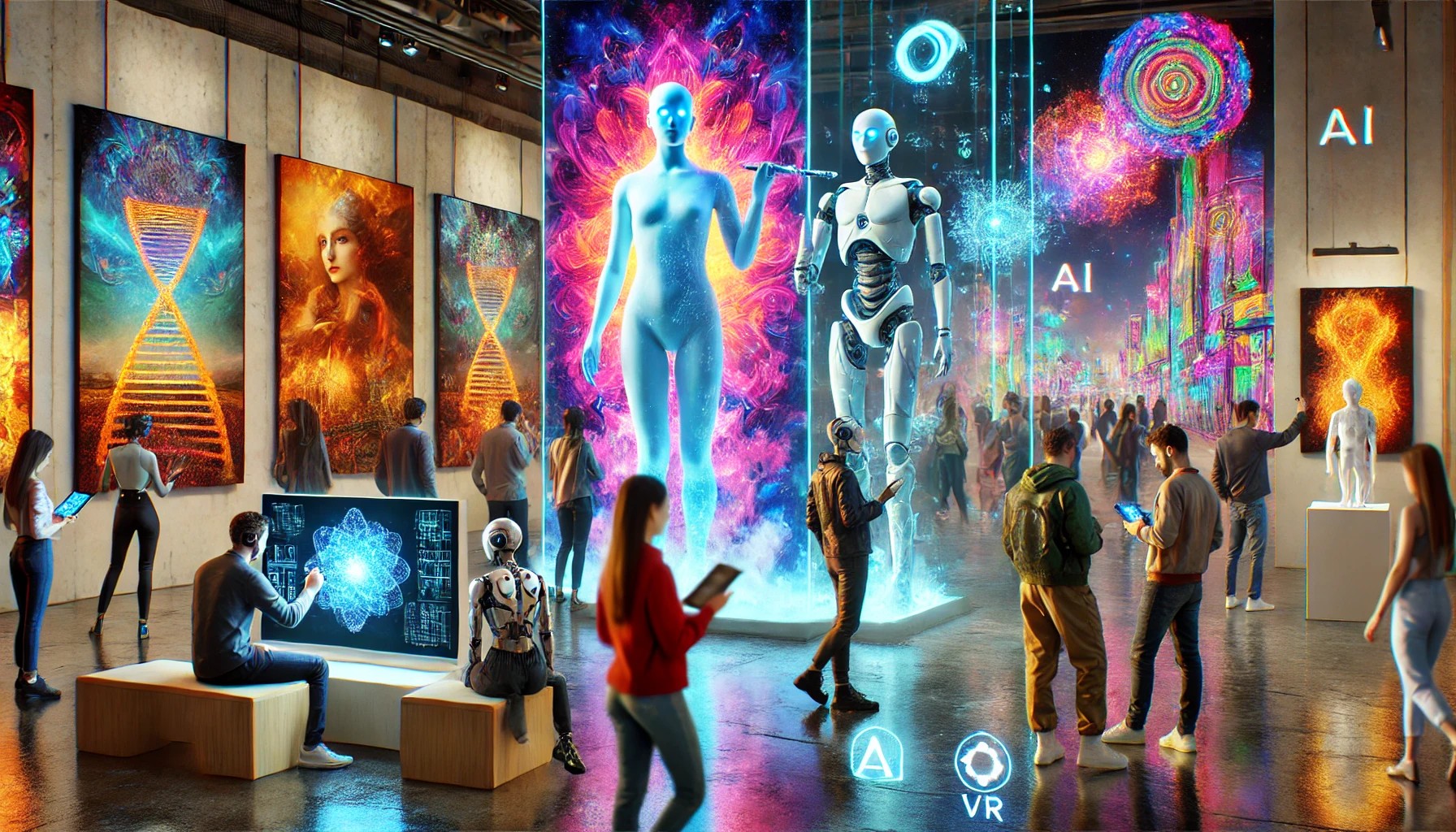
Critics argue that AI art lacks the authenticity and emotional resonance that human-created works possess. They contend that without human input, AI-generated pieces are mere simulations of creativity, lacking the soul that defines true artistic expression. On the other hand, proponents of AI art assert that these creations can evoke emotions and provoke thought, regardless of their origins. They argue that the collaborative potential between humans and machines can lead to a new form of artistic expression that transcends traditional boundaries.
Furthermore, the question of authorship becomes increasingly complex in the realm of AI art. Who is the true creator of a piece generated by an algorithm: the programmer who designed the AI, the artist who provided the prompts, or the AI itself? This ambiguity challenges existing legal frameworks surrounding copyright and intellectual property, necessitating a reexamination of how we define and protect artistic works in the digital age.
The Future Landscape of AI Art
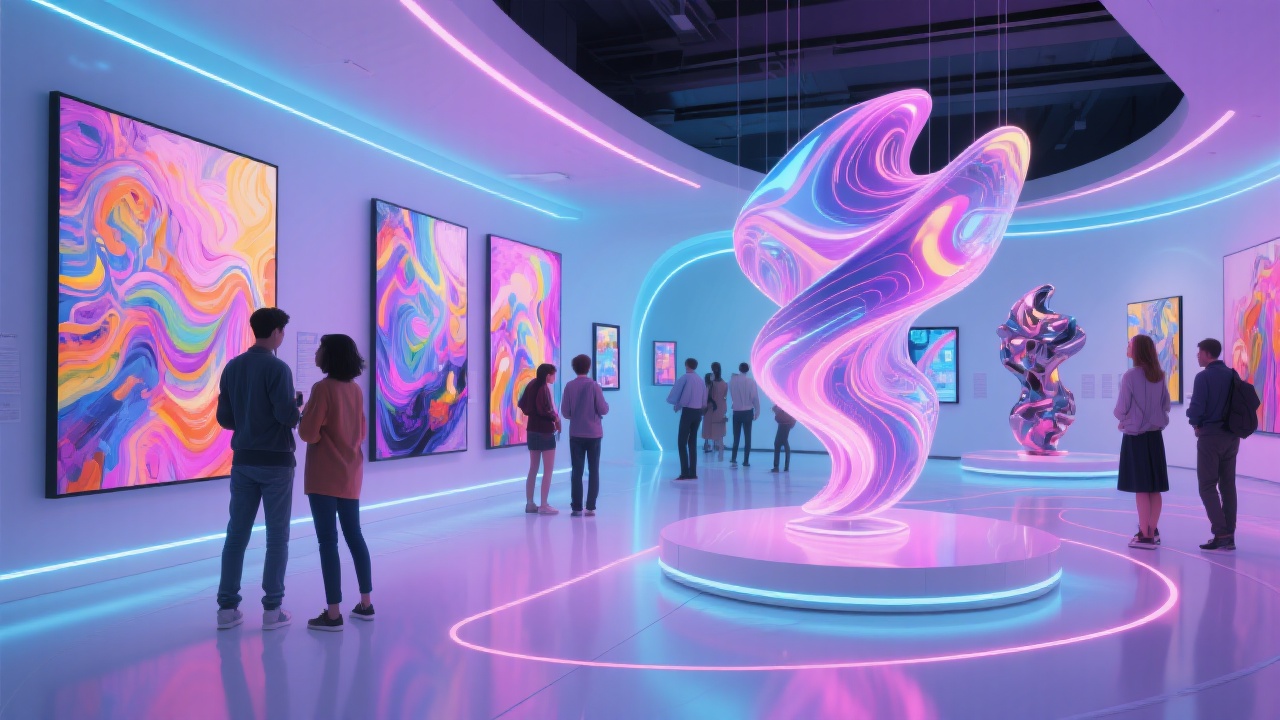
Looking ahead, the future of AI art appears promising yet uncertain. As technology continues to evolve, so too will the ways in which we create and experience art. The integration of AI into the artistic process is likely to become more sophisticated, allowing for greater collaboration between human artists and machines. This synergy could lead to entirely new genres of art that blend traditional techniques with cutting-edge technology, resulting in works that are both innovative and deeply resonant.
Moreover, the role of AI in the curation and dissemination of art is set to expand. Algorithms capable of analyzing audience preferences and trends will enable more personalized art experiences, connecting viewers with works that resonate with their tastes. This could democratize access to art, making it easier for individuals to discover emerging artists and styles that might otherwise go unnoticed.
However, the rise of AI art also raises ethical considerations that must be addressed. As AI-generated works proliferate, the potential for misuse, such as the creation of deepfakes or art that perpetuates harmful stereotypes, becomes a pressing concern. Establishing ethical guidelines and standards for the use of AI in artistic creation will be essential to ensure that this technology is harnessed responsibly and for the benefit of society.
In conclusion, the future of AI art is a complex tapestry woven from the threads of technology, creativity, and ethical considerations. As we navigate this evolving landscape, it is crucial to embrace the possibilities that AI presents while remaining vigilant about the implications of its integration into the art world. By fostering a dialogue between artists, technologists, and ethicists, we can ensure that the convergence of technology and vision enriches the realm of visual expression, ultimately leading to a more inclusive and innovative artistic future.