


The Evolution of AI Technology: Shaping Tomorrow’s Innovations and Human-Computer Interaction
Artificial Intelligence (AI) has undergone a remarkable transformation since its inception, evolving from rudimentary algorithms to sophisticated systems capable of learning, reasoning, and interacting with humans in increasingly complex ways. This article explores the journey of AI technology, its current state, and its future implications for innovation and human-computer interaction.
The Historical Context of AI Development
To understand the present landscape of AI, it is essential to look back at its historical roots. The term “artificial intelligence” was first coined in 1956 during the Dartmouth Conference , where pioneers like John McCarthy and Marvin Minsky laid the groundwork for future research. Early AI systems focused on symbolic reasoning and rule-based programming, which allowed machines to solve specific problems but lacked the ability to learn from experience.
As time progressed, the introduction of machine learning in the 1980s marked a significant turning point. Researchers began to develop algorithms that enabled computers to learn from data rather than relying solely on predefined rules. This shift laid the foundation for neural networks, which mimic the human brain’s structure and function, leading to breakthroughs in areas such as image and speech recognition. By the 21st century, the advent of big data and increased computational power propelled AI into a new era, allowing for more complex models and applications.
In recent years, deep learning has emerged as a key driver of AI advancements. Leveraging vast amounts of data and powerful GPUs, deep learning models have achieved unprecedented accuracy in tasks ranging from natural language processing to autonomous driving. This technological evolution has not only expanded the capabilities of AI but has also raised important ethical and societal questions about its impact on jobs, privacy, and decision-making.
Current Innovations in AI Technology
Today, AI technology is at the forefront of innovation across various industries. From healthcare to finance, AI-driven solutions are transforming the way businesses operate and interact with their customers. In the healthcare sector, for instance, AI algorithms analyze medical images to assist in diagnosing conditions like cancer with remarkable precision. Furthermore, predictive analytics powered by AI enables healthcare providers to anticipate patient needs and improve treatment outcomes.
In the realm of finance, AI is revolutionizing risk assessment and fraud detection. Machine learning algorithms can analyze vast datasets in real-time, identifying patterns that may indicate fraudulent activity. This capability not only enhances security but also streamlines processes, allowing financial institutions to operate more efficiently. Moreover, chatbots and virtual assistants are increasingly employed in customer service, providing instant support and improving user experiences.
The entertainment industry has also embraced AI technology. Streaming platforms utilize AI algorithms to analyze user preferences and recommend content tailored to individual tastes. This personalization enhances user engagement and satisfaction, highlighting the potential of AI to create more immersive experiences. As AI continues to evolve, its applications will likely expand even further, influencing how we consume media and interact with digital content.
The Future of Human-Computer Interaction
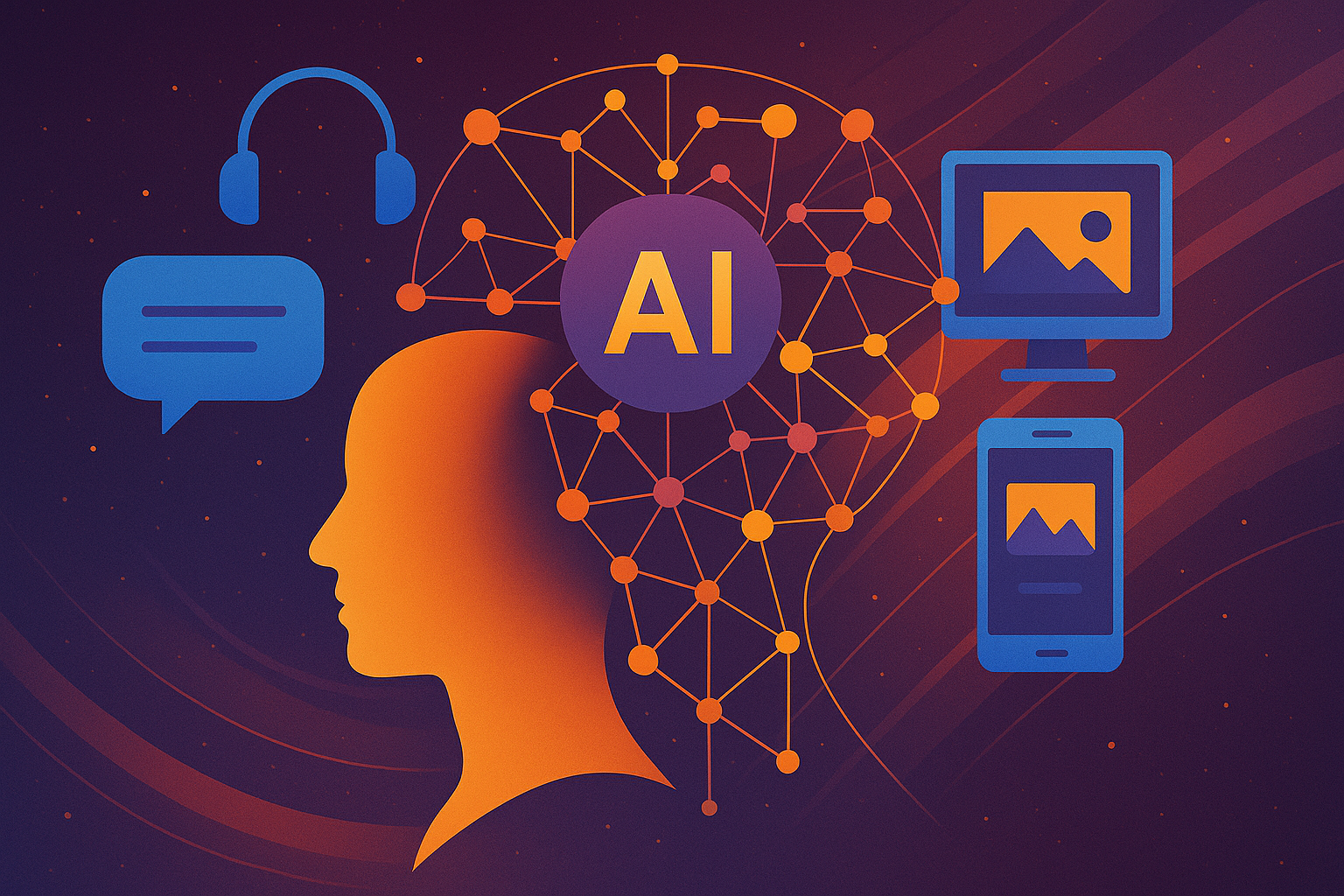
Looking ahead, the future of AI technology promises to reshape human-computer interaction in profound ways. One of the most exciting developments is the emergence of conversational AI, which enables machines to understand and respond to human language in a natural manner. Virtual assistants like Siri, Alexa, and Google Assistant have already demonstrated the potential of voice interfaces, making technology more accessible and user-friendly.
Moreover, advancements in natural language processing (NLP) will enhance the ability of AI systems to comprehend context, emotion, and intent. This capability not only improves communication but also fosters a deeper understanding between humans and machines. As AI becomes more adept at interpreting human behavior, we may see the rise of emotionally intelligent systems that can respond empathetically to users, creating more meaningful interactions.
Another significant trend is the integration of AI with augmented reality (AR) and virtual reality (VR). These technologies, combined with AI, have the potential to revolutionize training, education, and entertainment experiences. For instance, AI-powered AR applications can provide real-time feedback to users during training simulations, enhancing learning outcomes. Similarly, AI-driven VR environments can adapt to user actions, creating immersive experiences that feel intuitive and engaging.
As we embrace these advancements, it is crucial to consider the ethical implications of AI technology. Issues surrounding bias, transparency, and accountability must be addressed to ensure that AI systems serve the best interests of society. Collaborative efforts between technologists, ethicists, and policymakers will be essential in shaping a future where AI enhances human capabilities without compromising ethical standards.
In conclusion, the evolution of AI technology has been a journey marked by innovation, challenges, and opportunities. From its early beginnings to its current applications across various sectors, AI continues to shape the way we interact with machines and each other. As we look to the future, the potential for AI to enhance human-computer interaction is vast, promising a world where technology seamlessly integrates into our daily lives.
Ultimately, the trajectory of AI will depend on our collective ability to harness its power responsibly. By prioritizing ethical considerations and fostering collaboration across disciplines, we can ensure that AI technology not only drives innovation but also enriches the human experience. As we stand on the brink of a new era in AI, the possibilities are limited only by our imagination and our commitment to creating a better tomorrow.