The Evolution of AI Art: How Technology is Redefining Visual Storytelling and Expression
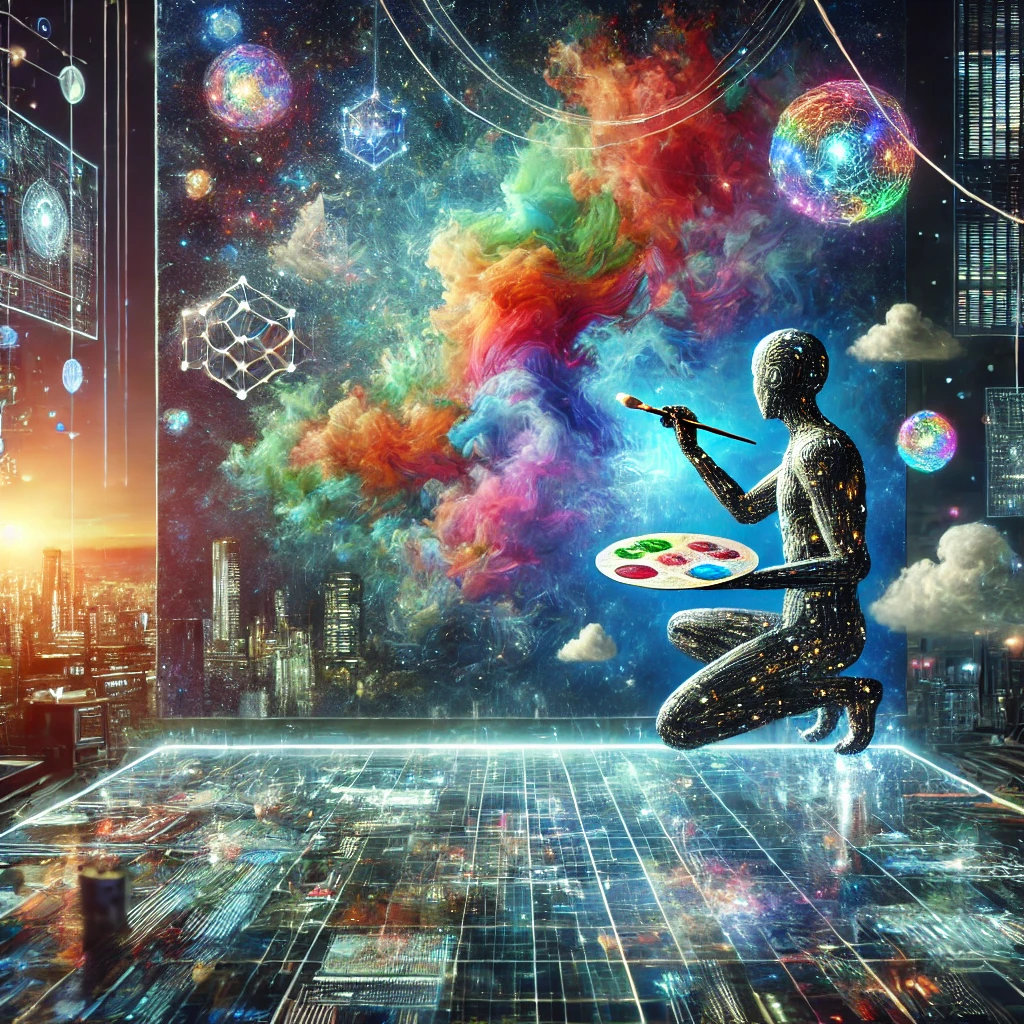
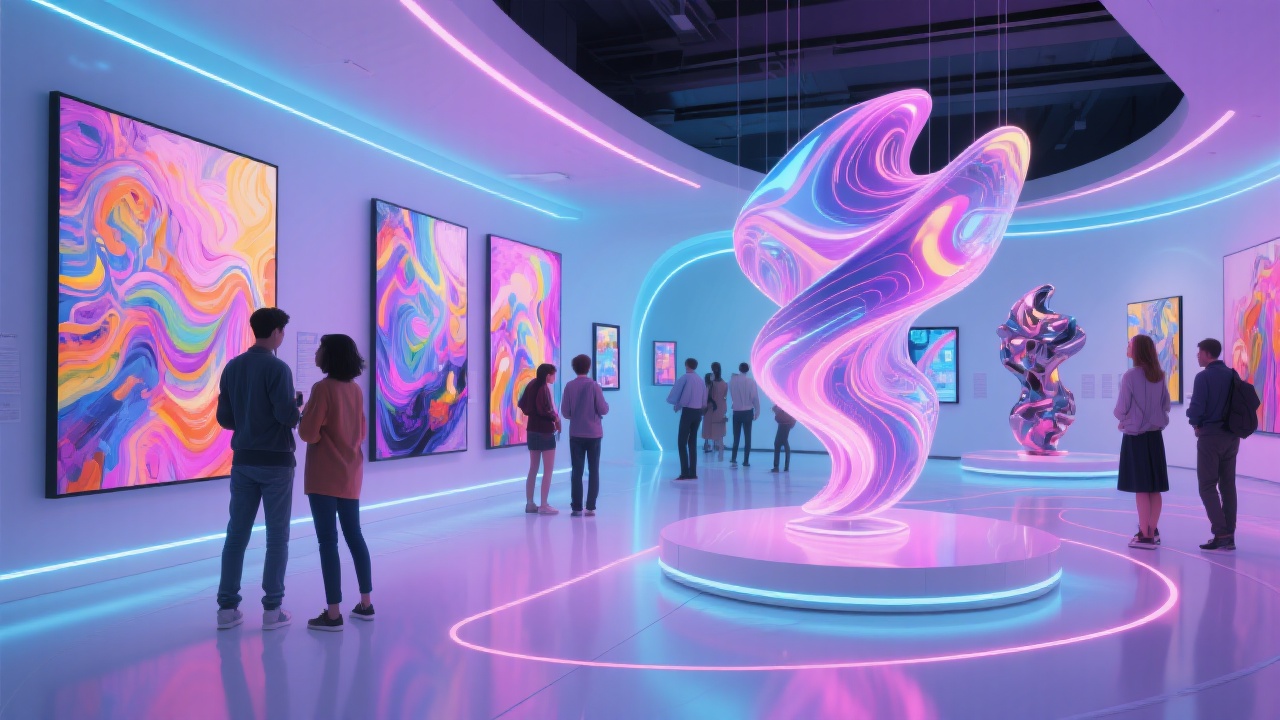
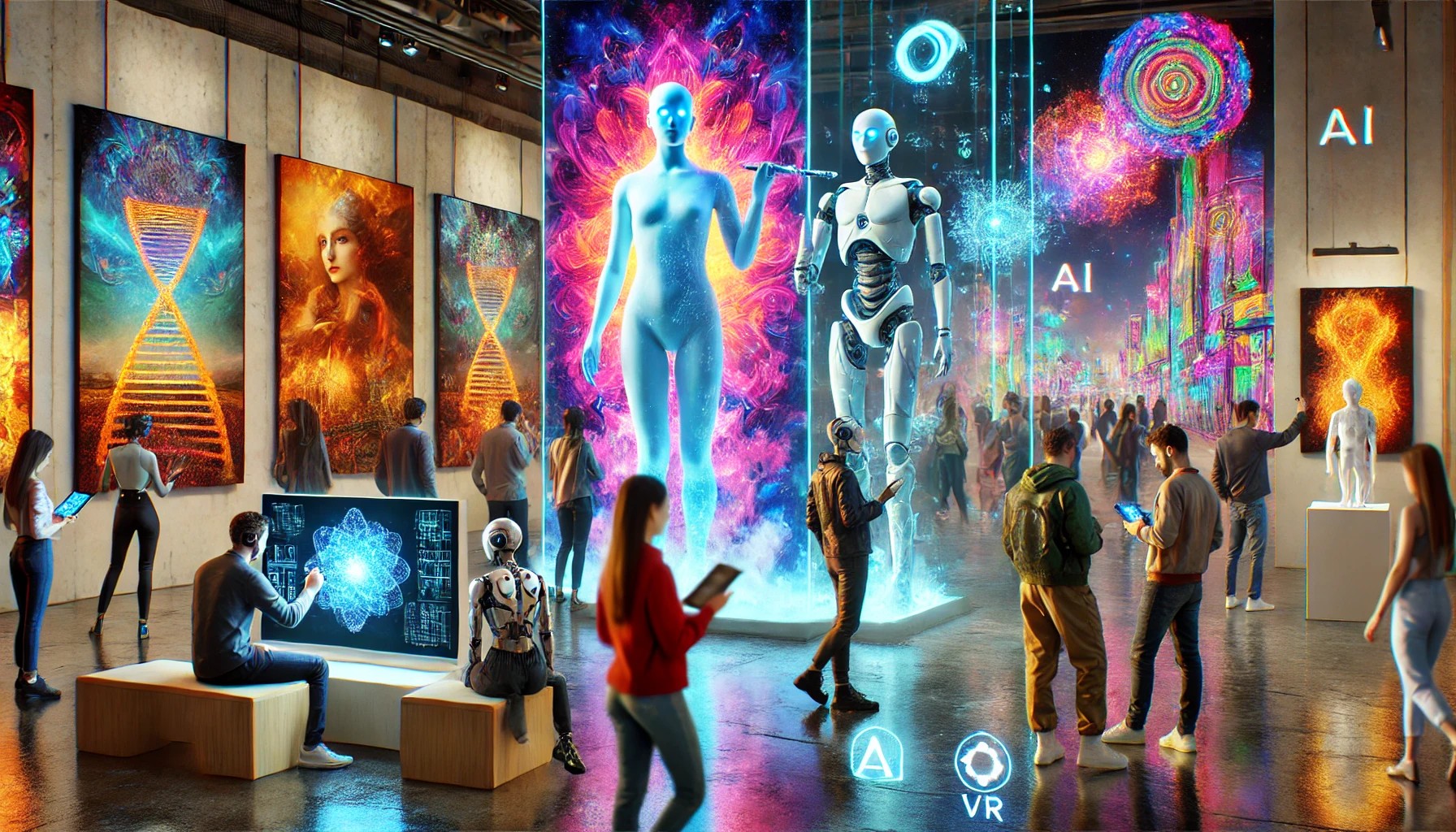
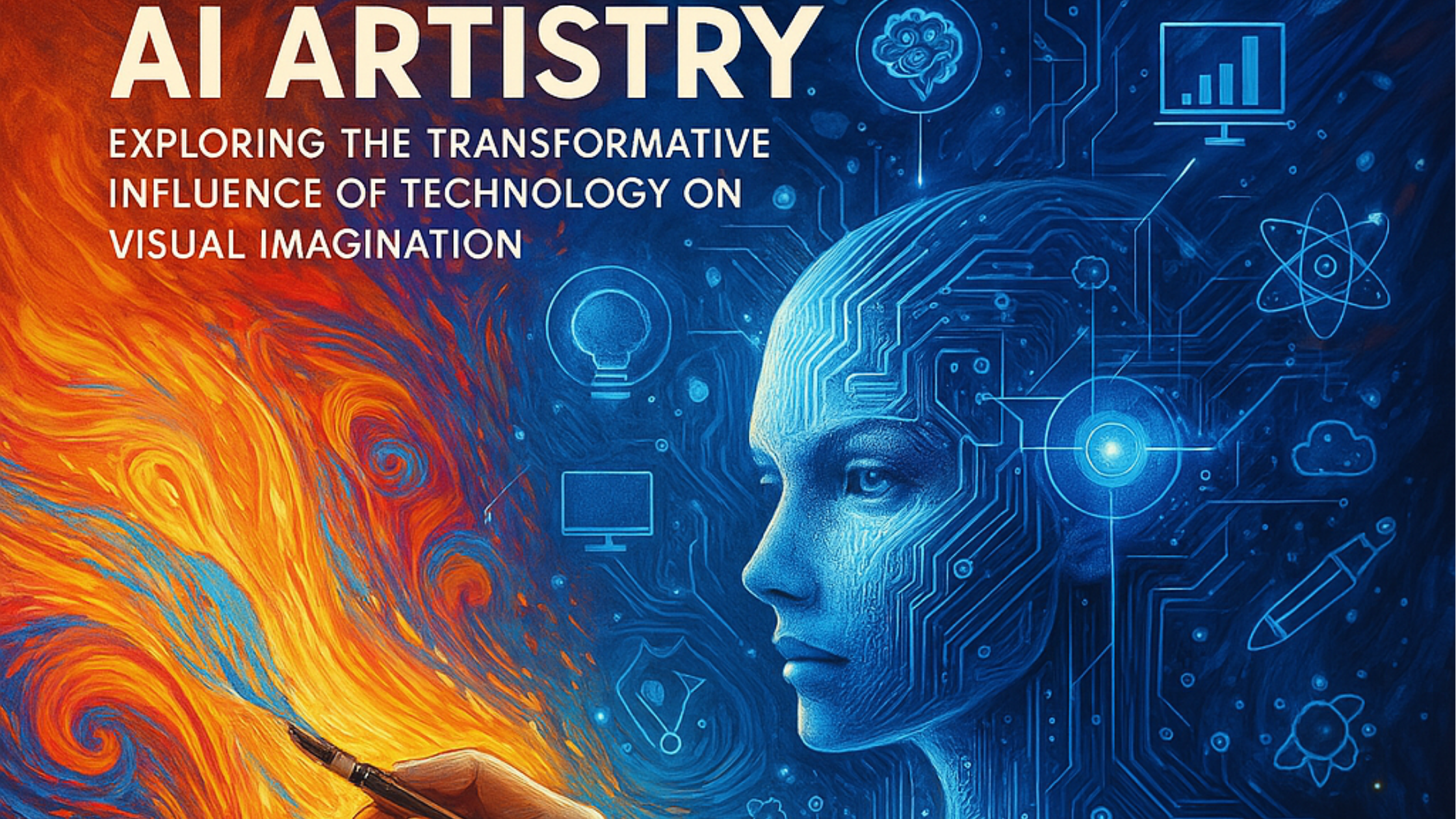
The intersection of technology and creativity has always been a fertile ground for innovation. In recent years, artificial intelligence (AI) has emerged as a powerful tool for artists, reshaping the landscape of visual storytelling and expression. This article delves into the evolution of AI art, exploring its historical context, the technology behind it, and its implications for the future of creative industries.
The Historical Context of AI in Art
The concept of using machines to create art is not entirely new. Early experiments with algorithmic art can be traced back to the 1950s and 60s, when pioneers like Frieder Nake and Harold Cohen began programming computers to produce visual compositions. These early endeavors were rudimentary by today’s standards, yet they laid the groundwork for a burgeoning field that would evolve over the decades.
Fast forward to the 21st century, and the landscape has dramatically changed. With the advent of powerful computing resources and sophisticated algorithms, AI has become a legitimate collaborator in the artistic process. The introduction of generative adversarial networks (GANs) in the mid-2010s marked a significant turning point. GANs, which consist of two neural networks competing against each other to create increasingly realistic images, have opened up new avenues for artistic expression. Artists can now create works that challenge traditional notions of authorship and creativity, leading to a broader discourse on what constitutes art.
The Technology Behind AI Art
Understanding the technology that powers AI art is crucial to appreciating its impact on visual storytelling. At the heart of AI art is machine learning, a subset of artificial intelligence that enables computers to learn from data and improve over time. This technology allows AI to analyze vast datasets of existing artwork, identifying patterns, styles, and techniques that can be emulated or transformed.
One of the most notable applications of machine learning in art is style transfer, which enables artists to apply the visual characteristics of one image to another. For instance, an artist can take a photograph and render it in the style of Van Gogh or Picasso, creating a unique blend of contemporary and classical art. This technique not only democratizes access to artistic styles but also invites a dialogue about originality and influence in the art world.
Moreover, tools like DALL-E and Midjourney have gained popularity for their ability to generate entirely new images from textual descriptions. This capability allows artists and non-artists alike to visualize concepts and narratives that might have previously existed only in their imaginations. The implications of this technology extend beyond mere aesthetics; they challenge the very essence of creativity and the role of the artist in the creative process.
The Impact on Visual Storytelling and Expression
The rise of AI art has profound implications for visual storytelling. Traditionally, storytelling in art has relied on the artist’s personal experiences, emotions, and perspectives. However, with AI as a collaborator, the narrative landscape becomes more complex. AI can analyze cultural trends, historical contexts, and even emotional responses to create artworks that resonate on various levels.
For instance, AI-generated art can serve as a mirror reflecting societal issues, such as climate change or social justice. By processing data from diverse sources, AI can generate compelling visuals that provoke thought and inspire action. This capability allows artists to address contemporary themes in innovative ways, fostering a deeper connection between the viewer and the artwork.
Furthermore, the collaborative nature of AI art encourages a more inclusive approach to storytelling. Artists from diverse backgrounds can leverage AI tools to amplify their voices and share their narratives with a global audience. This democratization of art creation not only enriches the artistic community but also fosters a more diverse representation of experiences and perspectives in visual storytelling.
The Ethical Considerations of AI Art
While the potential of AI art is vast, it is not without ethical considerations. The question of authorship arises prominently in discussions about AI-generated works. If an AI creates a piece of art, who owns it? Is it the programmer, the artist who provided the input, or the AI itself? These questions challenge traditional notions of intellectual property and copyright, prompting ongoing debates in legal and artistic circles.
Moreover, the potential for AI to perpetuate biases is a significant concern. If the datasets used to train AI are not diverse, the resulting art may reflect and amplify existing stereotypes and prejudices. Artists and technologists must work together to ensure that AI systems are trained on inclusive datasets that represent a wide range of voices and experiences. This collaborative effort is essential to harnessing the full potential of AI art while mitigating its risks.
Conclusion: A New Era of Artistic Expression
As we stand on the brink of a new era in artistic expression, the evolution of AI art presents both exciting opportunities and complex challenges. The technology has the potential to redefine visual storytelling, allowing for greater collaboration, inclusivity, and innovation. Yet, it also raises critical questions about authorship, bias, and the ethical implications of machine-generated creativity.
As artists continue to explore the possibilities of AI, the dialogue surrounding its role in art will undoubtedly evolve. The future of AI art is not just about the technology itself but about how it can enrich our understanding of creativity and expression in an increasingly digital world.