The Aesthetic Revolution: How AI Art is Shaping the Future of Visual Culture and Expression
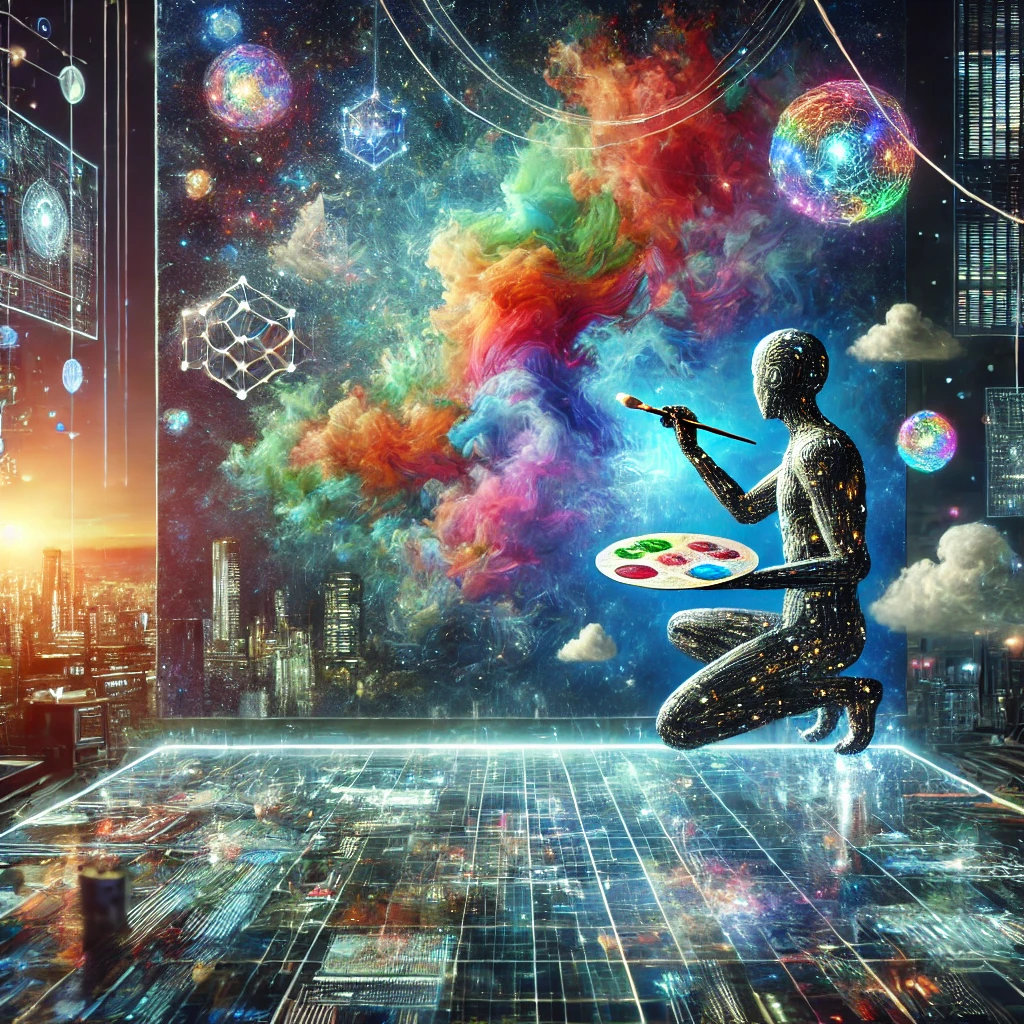
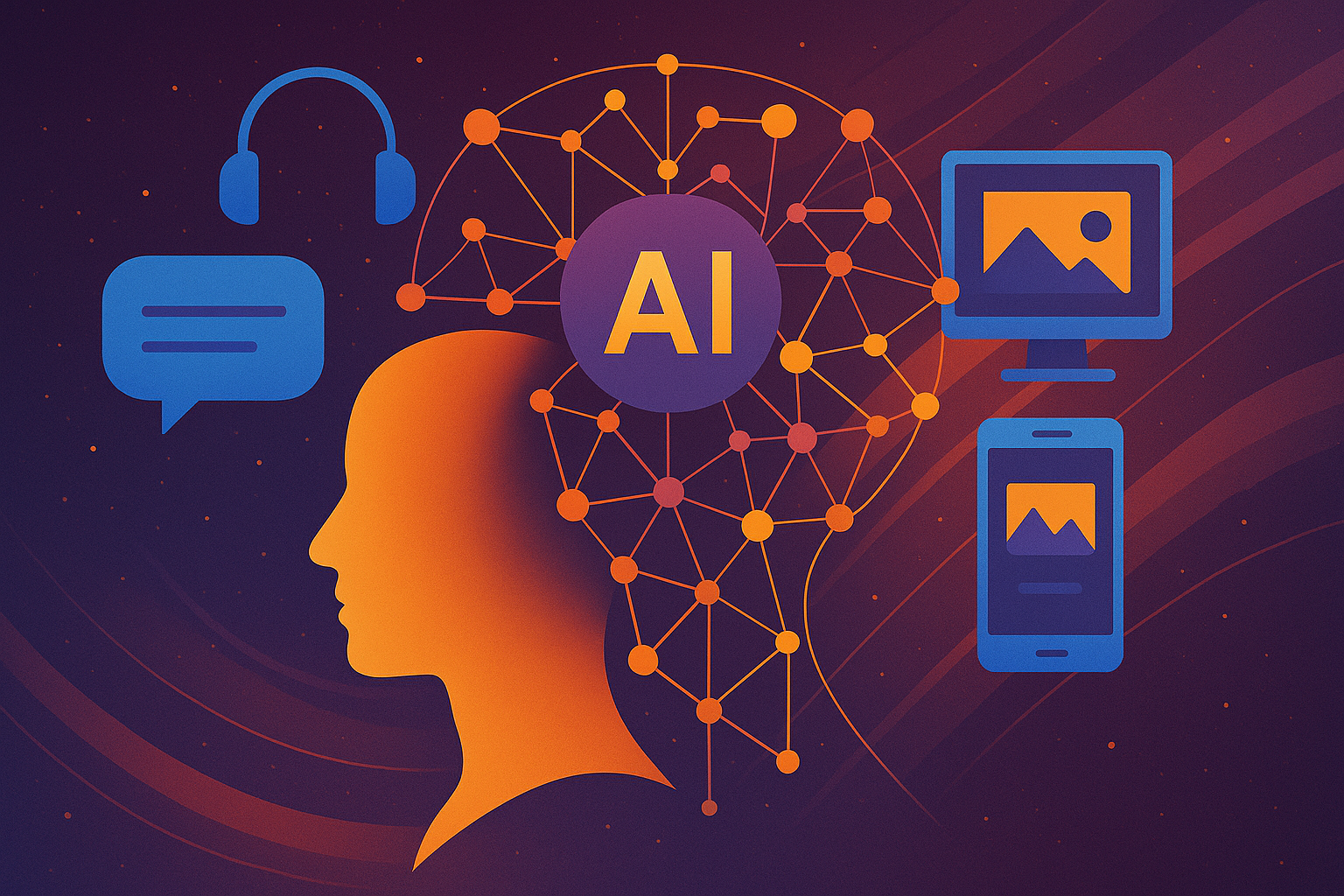
In the digital age, the intersection of technology and creativity has given rise to an artistic renaissance, one that is fundamentally reshaping our understanding of visual culture. At the forefront of this transformation is artificial intelligence (AI), a force that is not only redefining the creation of art but also revolutionizing traditional art education. As AI tools become increasingly sophisticated, they are altering art school curricula, expanding access to digital creativity, and fostering a new generation of artists equipped with innovative skills.
The Rise of AI in Art
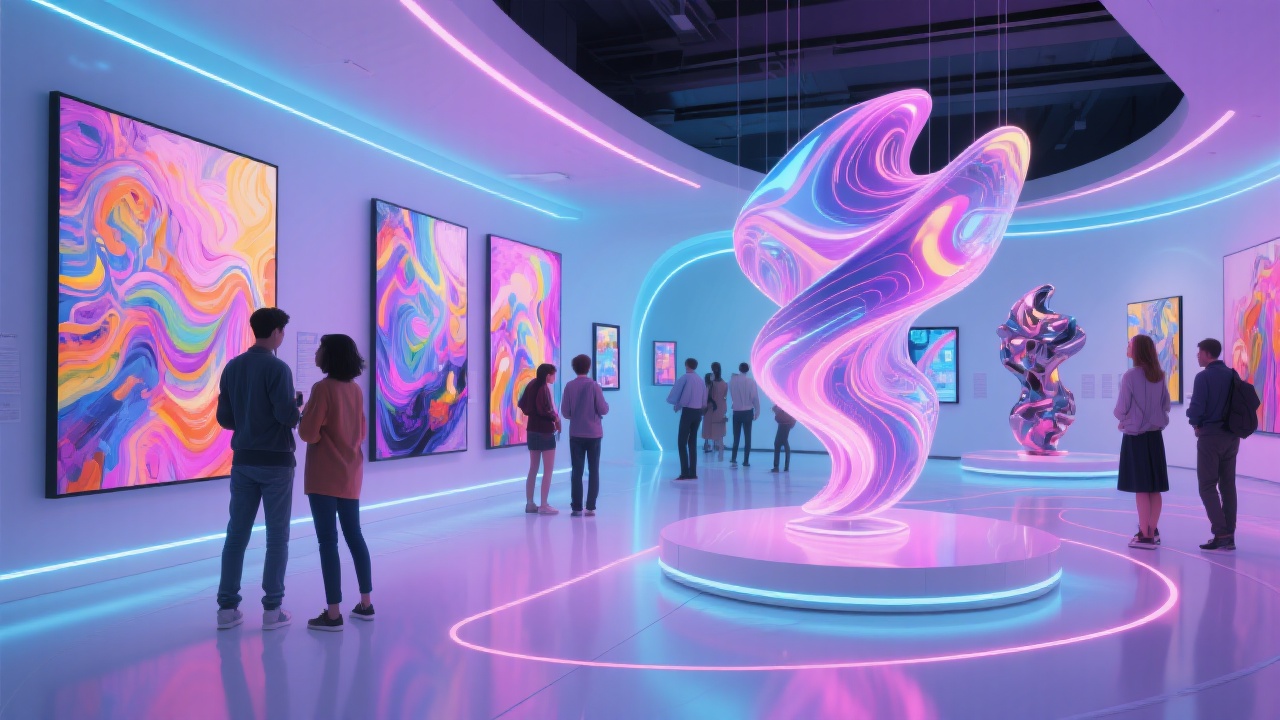
AI has made significant inroads into the art world, with tools capable of generating stunning visuals, music, and even literature. Programs like DALL-E, Midjourney, and Artbreeder allow users to create artwork through simple text prompts, democratizing the process of artistic creation. This technological shift is prompting a reevaluation of what it means to be an artist and how art is taught.
Transforming Art School Curricula
Art schools have traditionally focused on foundational skills such as drawing, painting, and sculpture. However, the emergence of AI art tools is compelling educational institutions to adapt their curricula to include digital literacy and AI-driven creativity. Here’s how:
1. Integration of AI Tools: Many art programs are now incorporating AI software into their courses. Students learn how to use these tools to enhance their creative processes, allowing them to experiment with styles, techniques, and concepts that would be difficult to achieve manually. This integration not only broadens their skill set but also prepares them for the evolving demands of the art industry.
2. Interdisciplinary Approaches: AI art encourages collaboration between various disciplines, including computer science, design, and traditional art. Art schools are beginning to foster interdisciplinary courses that blend these fields, enabling students to explore the synergies between technology and creativity. This approach nurtures a more holistic understanding of art in the digital age.
3. Focus on Conceptual Thinking: With AI handling much of the technical execution, art education is shifting towards emphasizing conceptual thinking. Students are encouraged to focus on the ‘why’ behind their creations rather than just the ‘how.’ This shift promotes critical thinking and encourages artists to explore deeper narratives and messages in their work.
4. New Mediums and Techniques: AI tools introduce students to new mediums, such as generative art and interactive installations. Art schools are now providing courses that focus on these innovative techniques, allowing students to experiment with forms that were previously inaccessible. This exposure to diverse mediums enhances their versatility and adaptability as artists.
Expanding Access to Digital Creativity
One of the most significant impacts of AI on art education is the democratization of access to creative tools. Traditionally, aspiring artists may have faced barriers such as expensive materials, limited resources, and the need for extensive training. AI is breaking down these barriers in several ways:
1. Affordable Tools: Many AI art tools are available for free or at a low cost, making them accessible to a wider audience. This affordability allows individuals from various backgrounds to explore their artistic capabilities without the financial burden of traditional art supplies.
2. Online Learning Platforms: The rise of online education has been accelerated by AI. Numerous platforms offer courses on AI art and digital creativity, allowing anyone with an internet connection to learn and create. This access is particularly beneficial for those who may not have the means to attend a traditional art school.
3. Community Engagement: AI art tools often come with built-in community features that allow users to share their work, receive feedback, and collaborate with others. This sense of community fosters a supportive environment for budding artists to grow and learn from one another, further enhancing their creative journey.
4. Encouraging Diverse Voices: By lowering the barriers to entry, AI is empowering a more diverse range of voices in the art world. Artists from various cultural, social, and economic backgrounds can now share their unique perspectives and stories through digital art, enriching the visual culture landscape.
The Ethical Considerations of AI in Art
While the integration of AI in art education presents numerous opportunities, it also raises important ethical questions. As AI-generated art becomes more prevalent, issues of authorship, originality, and copyright come to the forefront. Art educators must navigate these complexities, teaching students about the ethical implications of using AI tools in their creative processes.
1. Ownership and Authorship: Who owns the rights to an artwork created by an AI tool? This question challenges traditional notions of authorship and could have significant implications for artists and the art market. Educators must prepare students to think critically about these issues and navigate the legal landscape of AI-generated content.
2. Cultural Appropriation: AI tools often draw on vast datasets that include diverse cultural influences. This raises concerns about cultural appropriation and the potential for AI to perpetuate stereotypes. Art education must address these issues, encouraging students to engage with cultural sensitivity and respect for the sources they draw upon.
3. Skill Development: As AI takes on more creative tasks, there is a risk that traditional artistic skills may be undervalued. Art educators must strike a balance between teaching foundational techniques and embracing new technologies, ensuring that students develop a well-rounded skill set.
The Future of Art Education
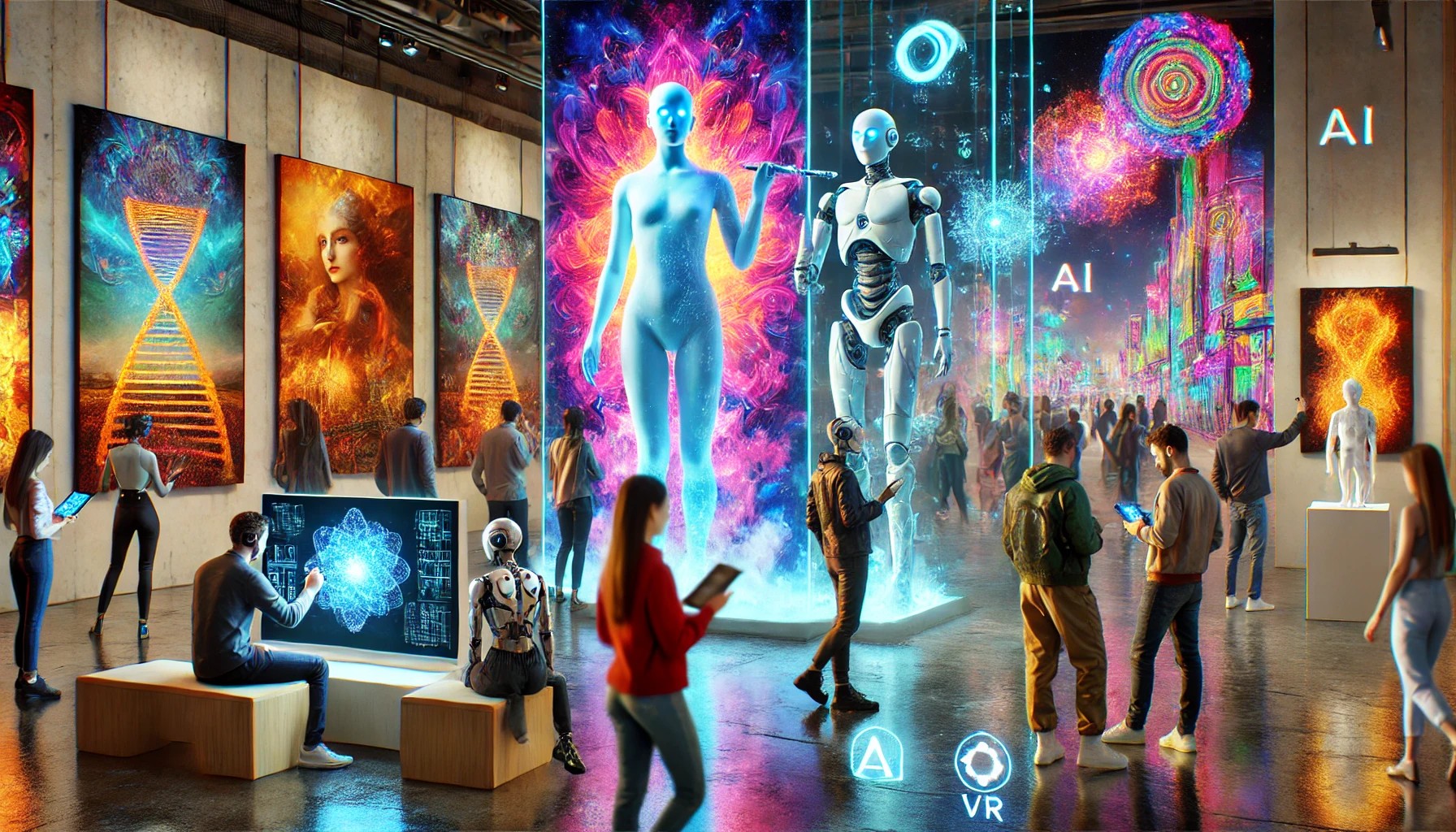
As we look to the future, the role of AI in art education is likely to expand even further. Emerging technologies such as virtual reality (VR) and augmented reality (AR) are poised to enhance the learning experience, offering immersive environments for artistic exploration. Furthermore, as AI continues to evolve, we can expect new tools and applications that will further revolutionize the way art is created and taught.
In conclusion, the aesthetic revolution brought about by AI is reshaping the landscape of visual culture and expression. By transforming art school curricula and expanding access to digital creativity, AI is empowering a new generation of artists to explore their creative potential. As we embrace this technological shift, it is crucial to navigate the ethical considerations and challenges that arise, ensuring that the future of art remains inclusive, innovative, and reflective of the diverse voices that shape our world. The future of art education is not just about technology; it’s about fostering creativity, critical thinking, and a deeper understanding of the human experience through the lens of art.