

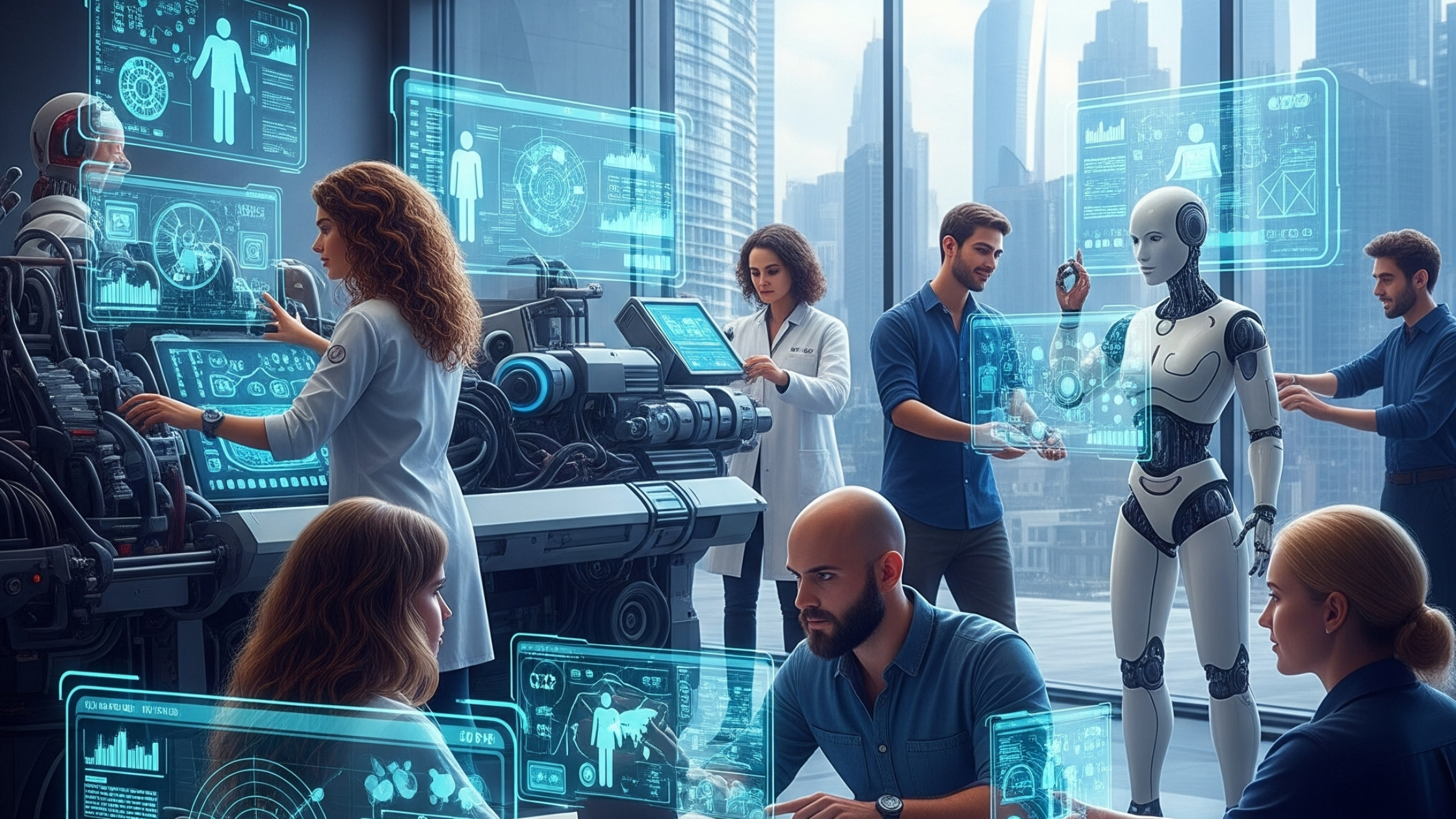
Synergizing Strengths: The Dynamic Partnership Between AI and Human Ingenuity in Modern Workplaces
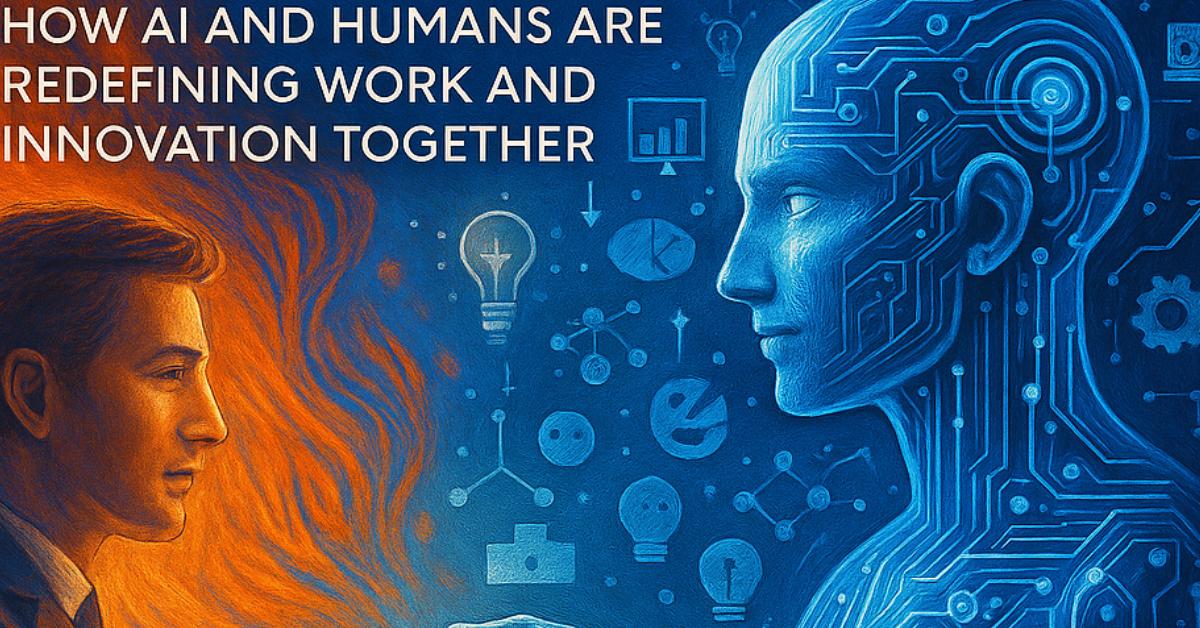
In an era defined by rapid technological advancement, the integration of artificial intelligence (AI) into the workplace has sparked a revolution in how tasks are performed, decisions are made, and businesses operate. While the fear of AI replacing human jobs looms large, the reality is far more nuanced. The true potential lies in the collaboration between AI and human ingenuity. This article delves into how AI can augment human capabilities, redesign workflows, and enhance teamwork across various sectors, ultimately leading to a more efficient and innovative workplace.
Augmenting Human Capabilities
One of the most compelling aspects of AI’s role in modern workplaces is its ability to augment human capabilities rather than replace them. By handling repetitive and time-consuming tasks, AI allows employees to focus on higher-level problem-solving and creative thinking. For instance, in the field of data analysis, AI algorithms can process vast amounts of data at lightning speed, identifying trends and patterns that would take humans much longer to discern. This not only enhances productivity but also empowers employees to make more informed decisions based on real-time insights.
Consider the healthcare sector, where AI applications are transforming patient care. AI-driven diagnostic tools can analyze medical images with remarkable accuracy, assisting radiologists in identifying anomalies. Instead of solely relying on their expertise, healthcare professionals can leverage AI to support their diagnoses, ultimately improving patient outcomes. This partnership allows clinicians to dedicate more time to patient interaction and complex decision-making, areas where human empathy and intuition are irreplaceable.
Redesigning Workflows for Efficiency
The integration of AI into workplace processes necessitates a reevaluation of existing workflows. Organizations are increasingly adopting AI tools to streamline operations, resulting in more efficient and agile work environments. By automating routine tasks, AI frees up valuable time for employees to engage in strategic initiatives and creative projects.
For example, in the manufacturing sector, AI-powered robots can take over repetitive assembly line tasks, allowing human workers to focus on quality control, product design, and innovation. This shift not only enhances productivity but also fosters a culture of continuous improvement, as employees are encouraged to contribute their ideas and insights without being bogged down by mundane tasks.
Moreover, AI can facilitate better communication and collaboration within teams. Intelligent project management tools can automatically allocate tasks based on team members’ strengths and availability, ensuring that projects progress smoothly. This leads to a more cohesive work environment where employees feel empowered and valued, knowing that their unique skills are being utilized effectively.
Teaming in Specific Sectors: A Case Study Approach
To illustrate the dynamic partnership between AI and human ingenuity, let’s explore a few specific sectors where this collaboration is making significant strides.
Financial Services
In the financial sector, AI is revolutionizing risk assessment and fraud detection. Algorithms can analyze transaction patterns to identify anomalies, alerting human analysts to potential fraud in real time. Instead of sifting through mountains of data, financial professionals can focus on investigating flagged cases, applying their expertise to make nuanced judgments that AI cannot replicate. This synergy not only enhances security but also builds trust with clients, as financial institutions can respond more swiftly and accurately to threats.
Retail
The retail industry is another domain where AI-human collaboration is thriving. AI-driven inventory management systems can predict consumer demand based on historical data, optimizing stock levels and reducing waste. Retail employees can then concentrate on enhancing the customer experience, using their interpersonal skills to build relationships and provide personalized service. This combination of data-driven insights and human interaction creates a shopping experience that is both efficient and enjoyable.
Education
In education, AI is redefining the learning landscape. Adaptive learning platforms utilize AI to tailor educational content to individual student needs, ensuring that each learner progresses at their own pace. Educators can then focus on fostering critical thinking and creativity, guiding students through complex concepts and encouraging collaborative projects. By blending AI’s analytical capabilities with human mentorship, educational institutions can cultivate a generation of learners equipped to navigate an increasingly complex world.
Embracing the Future of Work
As organizations continue to embrace AI, it is essential to foster a culture of collaboration between technology and human ingenuity. This involves not only investing in AI tools but also prioritizing employee training and development. By equipping workers with the skills needed to work alongside AI, companies can ensure a smooth transition into the future of work.
Furthermore, ethical considerations must guide the implementation of AI technologies. Transparency and accountability should be prioritized to maintain trust between employees and their AI counterparts. By addressing concerns around job displacement and data privacy, organizations can create an environment where AI is viewed as a partner rather than a threat.
Conclusion
The partnership between AI and human ingenuity is not just a trend; it is a fundamental shift in how work is approached across various sectors. By augmenting capabilities, redesigning workflows, and fostering teamwork, AI can enhance productivity and innovation in the workplace. As we navigate this new landscape, embracing collaboration and ethical practices will be vital to harnessing the full potential of this dynamic partnership.