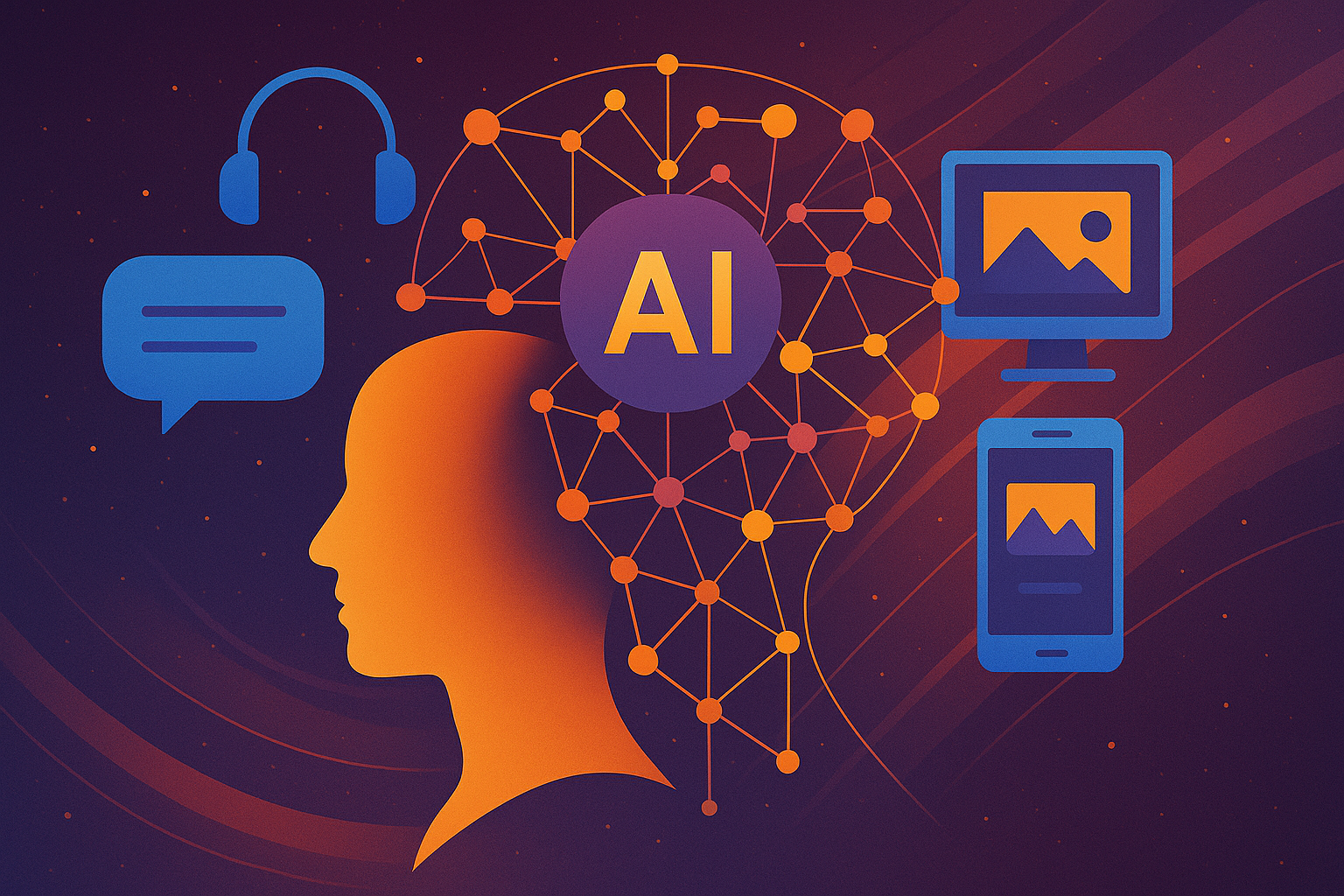






Shaping Tomorrow: The Promising Horizons of AI and Its Impact on Society and Technology
The future of AI is a topic that ignites both excitement and trepidation. As we stand on the brink of a new era defined by artificial intelligence, the implications for society and technology are profound. From enhancing scientific discovery to transforming everyday personal devices, AI is poised to reshape our world in ways we have yet to fully comprehend. This article delves into the multifaceted dimensions of AI’s future, exploring its potential impact across various sectors and the ethical considerations that accompany these advancements.
The Role of AI in Scientific Discovery
Advancements in AI are revolutionizing the scientific landscape, enabling researchers to tackle complex problems more efficiently than ever before. Machine learning algorithms can analyze vast datasets, identifying patterns and correlations that human researchers might overlook. For instance, in fields like genomics and drug discovery, AI-driven tools are accelerating the identification of potential therapeutic targets, significantly reducing the time required to bring new treatments to market.
Moreover, AI is facilitating breakthroughs in climate science by improving predictive models and simulations. By harnessing the power of AI, scientists can better understand climate change dynamics and develop more effective strategies for mitigation. In this context, the future of AI holds the promise of not only enhancing our understanding of the natural world but also driving innovations that could lead to sustainable solutions for pressing global challenges.
Natural Language Processing: A Leap Towards Understanding
Natural language processing (NLP) stands at the forefront of AI advancements, transforming how humans interact with machines. The future of AI in this domain is marked by increasingly sophisticated models capable of understanding and generating human language with remarkable accuracy. As these technologies evolve, they will enable more intuitive and seamless communication between people and AI systems.
Consider the implications for education and accessibility. AI-powered language tools can provide real-time translation, breaking down language barriers and fostering global collaboration. Furthermore, personalized learning experiences can be crafted through intelligent tutoring systems that adapt to individual student needs. The potential for NLP to democratize information access and enhance learning opportunities is immense, paving the way for a more informed and connected society.
Autonomous Systems: Redefining Mobility and Safety
The future of AI also encompasses the development of autonomous systems, which promise to revolutionize transportation and logistics. Self-driving vehicles are perhaps the most visible manifestation of this trend, with companies investing heavily in research and development to create safer and more efficient transportation solutions. These systems are designed to reduce human error, which is a leading cause of traffic accidents, thereby enhancing road safety.
In addition to personal vehicles, AI-powered drones and robots are set to transform delivery services, agriculture, and even disaster response. By automating tasks that are dangerous or labor-intensive, these technologies can increase efficiency and reduce costs. However, as we embrace these innovations, it is crucial to address the ethical and regulatory challenges they present, including concerns about job displacement and data privacy.
The Geopolitical Landscape: AI Supremacy and Global Power Dynamics
As nations race to harness the power of AI, the geopolitical implications are becoming increasingly apparent. The future of AI is not merely a technological contest; it is a struggle for global influence and dominance. Countries that lead in AI development will likely gain significant advantages in economic growth, military capabilities, and technological innovation.
This competition raises critical questions about international cooperation and governance. The potential for AI to exacerbate inequalities between nations necessitates a collaborative approach to establish ethical standards and regulatory frameworks. The future of AI must be shaped by dialogue among global stakeholders to ensure that its benefits are shared equitably and that risks are managed responsibly.
Conclusion: A Future of Opportunity and Responsibility
The trajectory of AI is filled with promise, yet it is accompanied by significant responsibilities. As we explore the future of AI across various domains—from scientific discovery to autonomous systems and geopolitical dynamics—it becomes clear that thoughtful engagement is essential. Stakeholders, including technologists, policymakers, and the public, must work together to navigate the complexities of this evolving landscape.
In summary, the future of AI offers unprecedented opportunities for innovation and societal advancement. However, it also raises important ethical questions and challenges that require our attention. By fostering a collaborative and responsible approach to AI development, we can shape a future that maximizes benefits while minimizing risks, ensuring that technology serves humanity as a whole.