

Revolutionizing Education: How AI is Shaping Learning Experiences for Students and Instructors
The advent of Artificial Intelligence (AI) has ushered in a transformative era across various sectors, and education is no exception. As technology continues to evolve, AI is reshaping learning experiences for both students and instructors, enhancing the educational landscape in unprecedented ways. One of the most compelling angles to explore is the potential of AI to bridge learning gaps, offering tailored solutions that cater to diverse learning needs and styles. This article delves into how AI is revolutionizing education, focusing on its role in creating equitable learning environments and optimizing curriculum design.
Bridging Learning Gaps: Personalized Learning Experiences
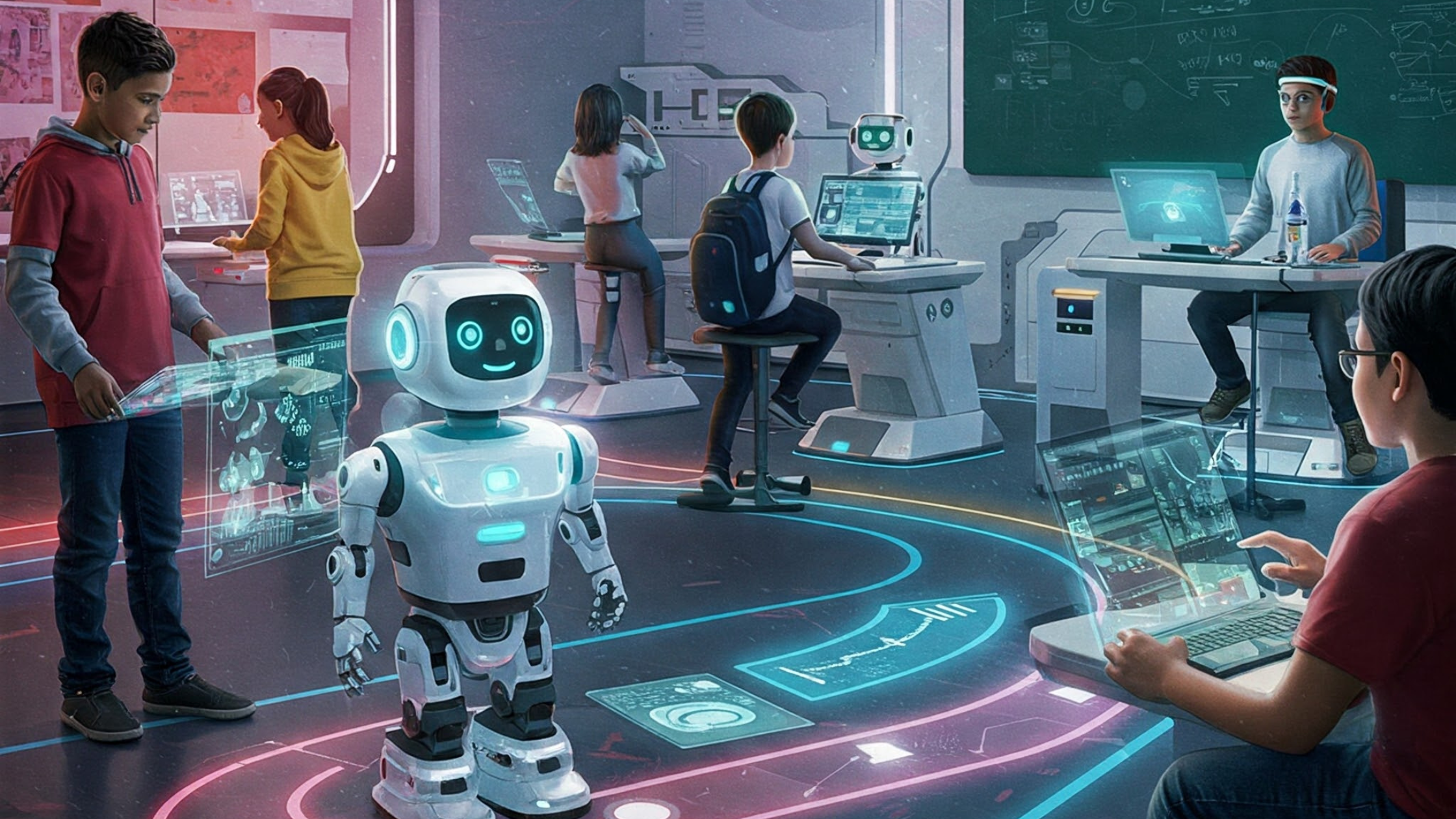
One of the most significant benefits of AI in education is its ability to provide personalized learning experiences. Traditional educational models often adopt a one-size-fits-all approach, which can leave many students struggling to keep up or feeling unchallenged. AI-driven platforms leverage data analytics to assess individual learning patterns, strengths, and weaknesses, allowing for a more tailored educational experience.
For instance, adaptive learning technologies utilize algorithms to modify the content and pace of instruction based on real-time assessments of a student’s understanding. These systems can identify when a student is struggling with a particular concept and provide additional resources or alternative explanations to facilitate comprehension. This personalized approach not only enhances engagement but also promotes mastery of the subject matter.
Moreover, AI can help identify learning gaps before they become detrimental to a student’s educational journey. By analyzing performance data, educators can intervene early, providing targeted support to those who need it most. This proactive strategy is crucial in preventing students from falling behind, fostering an inclusive environment that accommodates diverse learning needs.
Equitable Deployment: Ensuring Access for All
While the potential benefits of AI in education are vast, equitable deployment remains a critical challenge. The digital divide—where access to technology and the internet is unevenly distributed—poses a significant barrier to the universal adoption of AI-driven educational tools. Ensuring that all students, regardless of socio-economic status, have access to AI resources is paramount for achieving true equity in education.
To address these disparities, various initiatives are underway. Governments, nonprofit organizations, and educational institutions are collaborating to provide resources and infrastructure in underserved communities. For example, mobile learning initiatives are being implemented in rural areas, where traditional classroom settings may be lacking. By leveraging mobile technology, students can access AI-driven learning platforms, enabling them to benefit from personalized educational experiences.
In addition, AI can play a role in creating content that is culturally relevant and accessible to diverse populations. Language processing tools can translate materials into multiple languages, ensuring that non-native speakers can engage with the curriculum. Furthermore, AI can assist in developing inclusive content that reflects the diverse backgrounds and experiences of all students, thereby fostering a more equitable educational environment.
AI-Driven Curriculum: Enhancing Educational Content
The integration of AI in curriculum design is another area where significant advancements are being made. Traditional curricula often struggle to keep pace with the rapidly changing world, but AI has the potential to create dynamic, responsive educational content that evolves alongside societal needs.
One approach involves using AI to analyze vast amounts of data from various sources, including academic research, industry trends, and student feedback. This analysis can inform curriculum development, ensuring that educational programs remain relevant and aligned with the skills needed in the workforce. For example, AI can identify emerging fields and competencies, prompting educators to integrate these topics into their teaching materials.
Furthermore, AI-driven tools can assist instructors in developing interactive and engaging content. Virtual simulations, gamified learning experiences, and immersive technologies can be integrated into the curriculum, making learning more engaging and effective. Such innovations not only enhance student motivation but also promote deeper learning through experiential education.
By harnessing AI to inform and enhance curriculum design, educators can create a more relevant and impactful learning experience for students. This approach not only prepares learners for the future but also fosters critical thinking, creativity, and problem-solving skills—attributes essential for success in an ever-evolving job market.
In conclusion the integration of AI in education represents a paradigm shift that has the potential to revolutionize learning experiences for both students and instructors. By bridging learning gaps, ensuring equitable access, and enhancing curriculum design, AI is paving the way for a more inclusive and effective educational landscape. However, it is crucial to address the challenges associated with equitable deployment and to ensure that all students can benefit from these advancements. As we move forward, the collaboration between educators, policymakers, and technology developers will be essential in shaping a future where AI serves as a powerful ally in the pursuit of knowledge and learning.