Pushing Boundaries: The Impact of AI Art on Visual Culture and the Future of Artistic Expression
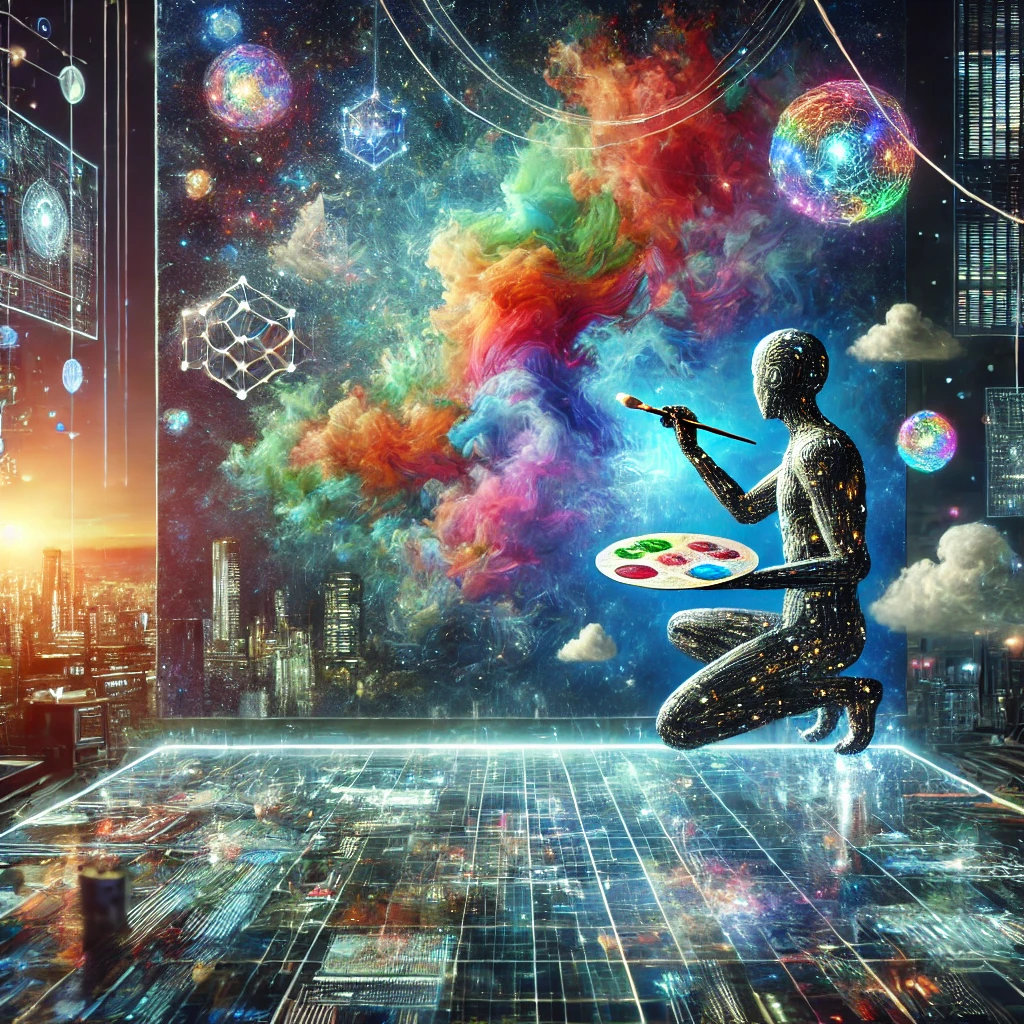
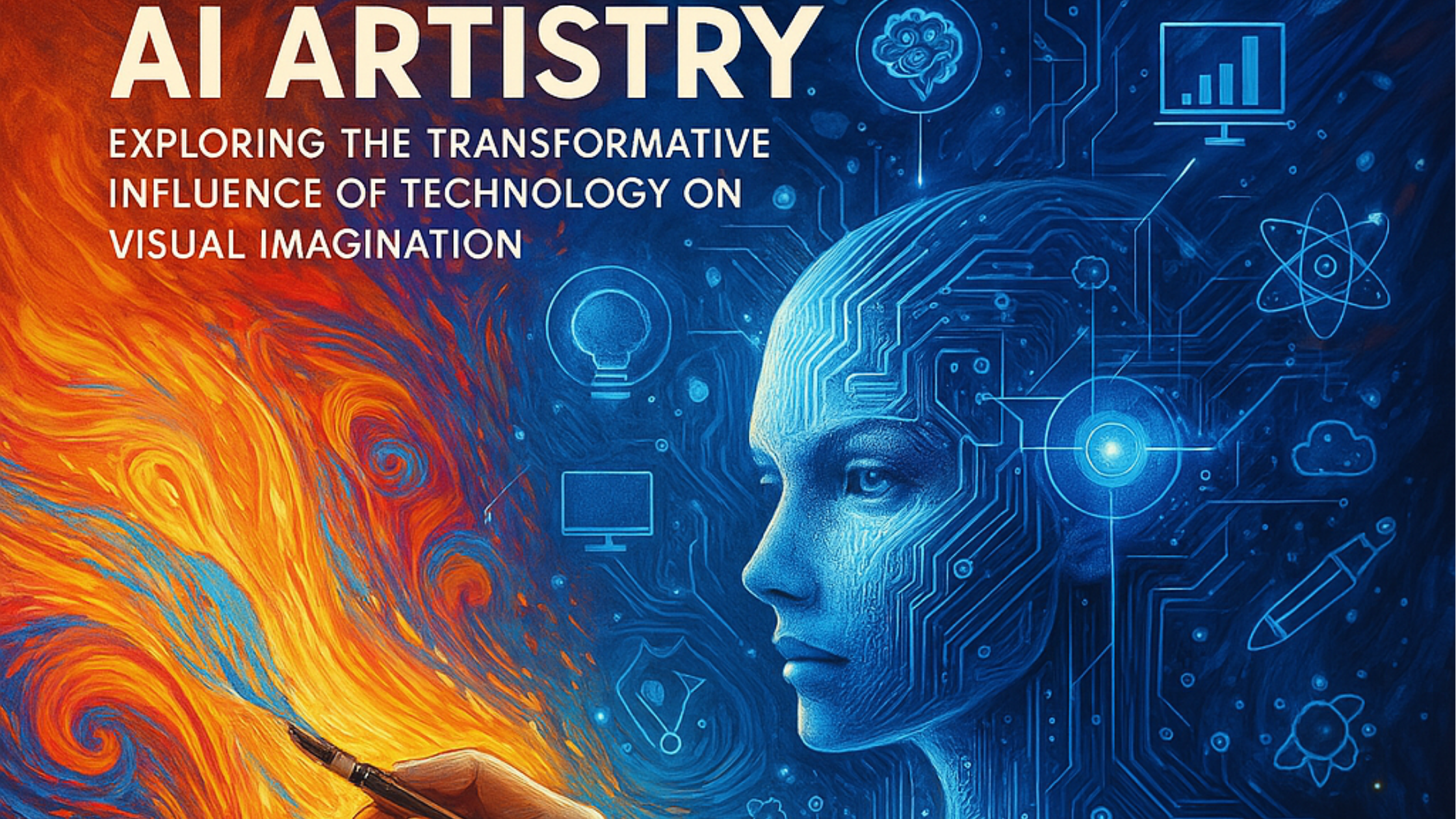
The advent of artificial intelligence (AI) has transformed numerous sectors, and the realm of visual art is no exception. As AI-generated art gains prominence, it raises compelling questions about creativity, authorship, and the very definition of art itself. This article delves into the multifaceted world of AI art, examining its implications for visual culture and future artistic expression. By exploring philosophical inquiries surrounding creativity, practical integrations into artistic workflows, and the aesthetics of specific models, we can better understand the evolving landscape of art in the age of AI.
The Philosophical Landscape of Creativity
At the crux of the discussion surrounding AI art lies a fundamental question: What constitutes creativity? Traditionally, creativity has been viewed as a uniquely human trait, an expression of individual thought and emotion. However, AI challenges this notion by producing works that can be indistinguishable from those created by human artists. Programs like DALL-E, Midjourney, and Artbreeder utilize vast datasets and complex algorithms to generate images that reflect styles, themes, and concepts drawn from existing artworks.
This raises philosophical inquiries about authorship and originality. If an AI generates a piece of art, who is the true creator? Is it the programmer who designed the algorithm, the dataset curators who compiled the source material, or the AI itself? Some argue that AI lacks the emotional depth and experiential context that inform human creativity, suggesting that AI art is merely a reflection or remix of existing styles rather than a genuine expression of creativity. Yet, others posit that creativity can be viewed as a collaborative process, where human and machine work together to push the boundaries of artistic expression.
Practical Integration into Artistic Workflows
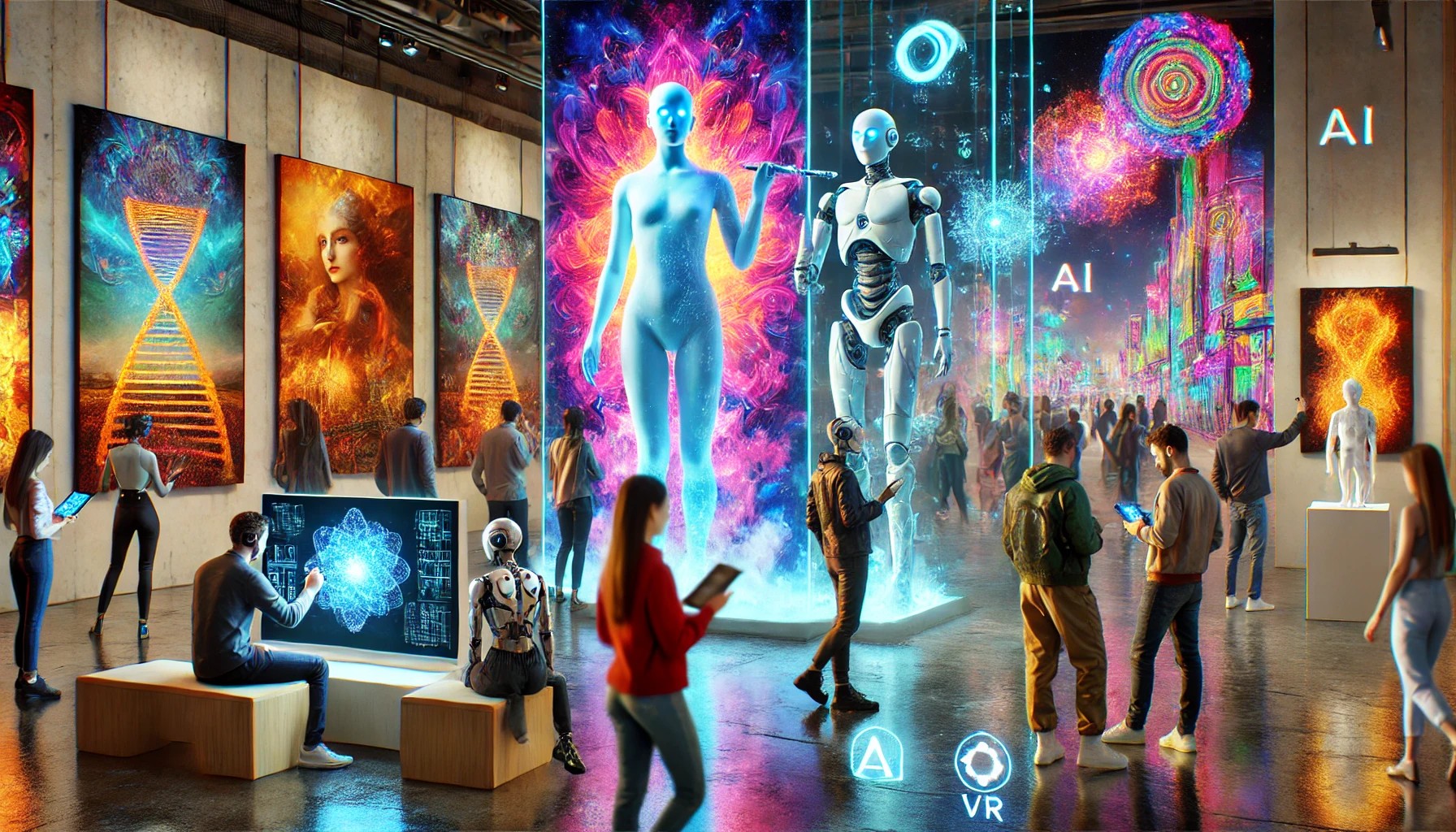
Beyond philosophical debates, AI art has practical implications for artists and the broader creative industry. Many artists are beginning to incorporate AI tools into their workflows, using them as collaborators rather than replacements. For instance, AI can assist with concept generation, allowing artists to explore a wider range of ideas and styles in a shorter amount of time. This integration can lead to a more dynamic and iterative creative process, where artists can experiment with AI-generated outputs and refine them into unique pieces.
Moreover, AI tools can democratize art creation, making it accessible to individuals who may lack traditional artistic training. With user-friendly interfaces and intuitive prompt crafting, anyone can generate visually stunning images with minimal effort. This shift has the potential to broaden the definition of artist, allowing a more diverse range of voices to enter the conversation. However, it also raises concerns about the saturation of visual culture, as the market becomes flooded with AI-generated works, challenging the value placed on traditional artistry.
The Aesthetics of Specific Models
Different AI models produce varying aesthetics, influencing how art is perceived and valued. For instance, GANs (Generative Adversarial Networks) are known for their ability to create hyper-realistic images, while diffusion models like DALL-E and Midjourney excel at generating imaginative and surreal compositions. Each model brings its own unique flavor to the artistic output, shaping the viewer’s experience and interpretation.
The aesthetics of AI art can also provoke discussions around authenticity and emotional resonance. While some viewers may be captivated by the technical prowess of AI-generated images, others may feel a disconnect, perceiving these works as lacking the human touch. This dichotomy raises questions about the future of artistic expression: Will audiences come to embrace AI art as a legitimate form of creativity, or will they continue to favor the emotional depth found in human-made art?
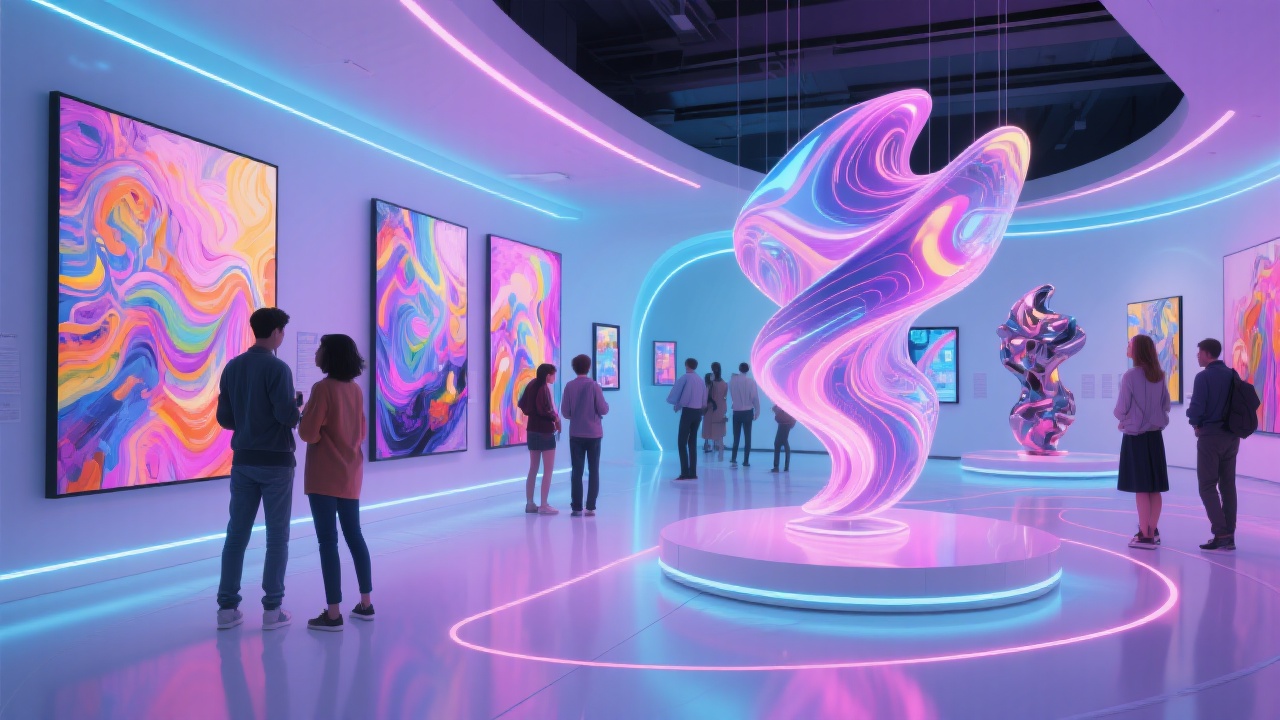
Additionally, the rise of AI art challenges traditional art institutions, such as galleries and museums, to reconsider how they curate and display works. As AI-generated art becomes more prevalent, these institutions must navigate the complexities of classification, valuation, and exhibition. The inclusion of AI art in prestigious venues could signify a broader acceptance of this new medium, but it also risks commodifying creativity in ways that may undermine the value of traditional artistic practices.
Conclusion: A New Era of Artistic Expression
As we stand on the precipice of an AI-driven artistic revolution, it is essential to engage in thoughtful discourse about the implications of this technology on visual culture. AI art is not merely a trend; it represents a fundamental shift in how we understand creativity, authorship, and the role of the artist. By embracing the collaborative potential of AI, artists can explore new avenues of expression while challenging the boundaries of what art can be.
The future of artistic expression lies in the intersection of human ingenuity and machine learning. As we continue to navigate this complex landscape, it is crucial to foster an inclusive dialogue that honors traditional artistry while also celebrating the innovations brought forth by AI. Ultimately, the evolution of art in the age of AI invites us to rethink our perceptions of creativity and to embrace the diverse possibilities that lie ahead.