Multimodal AI: Integrating Diverse Data Sources for Enhanced Insights and Problem-Solving Solutions
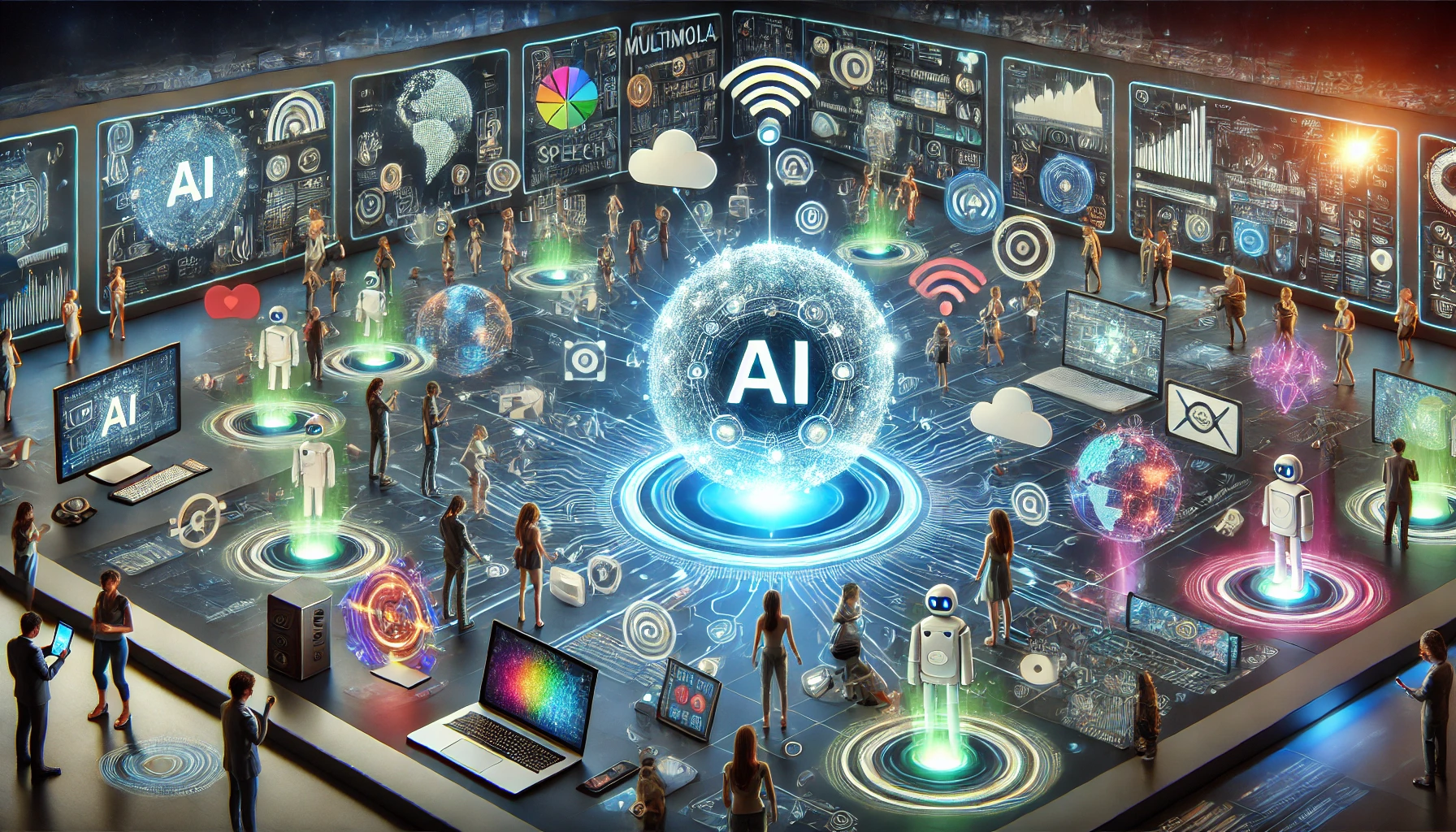
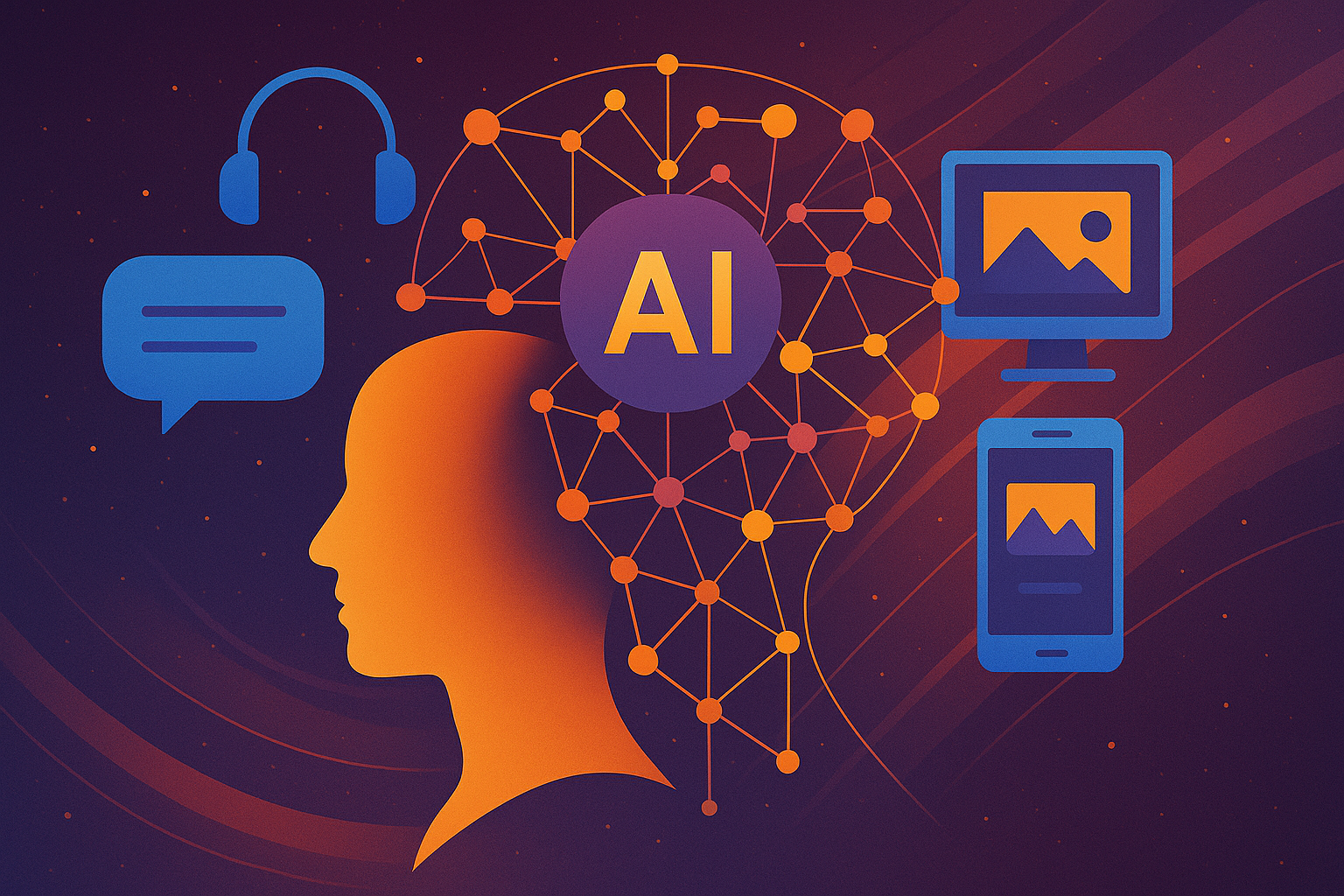
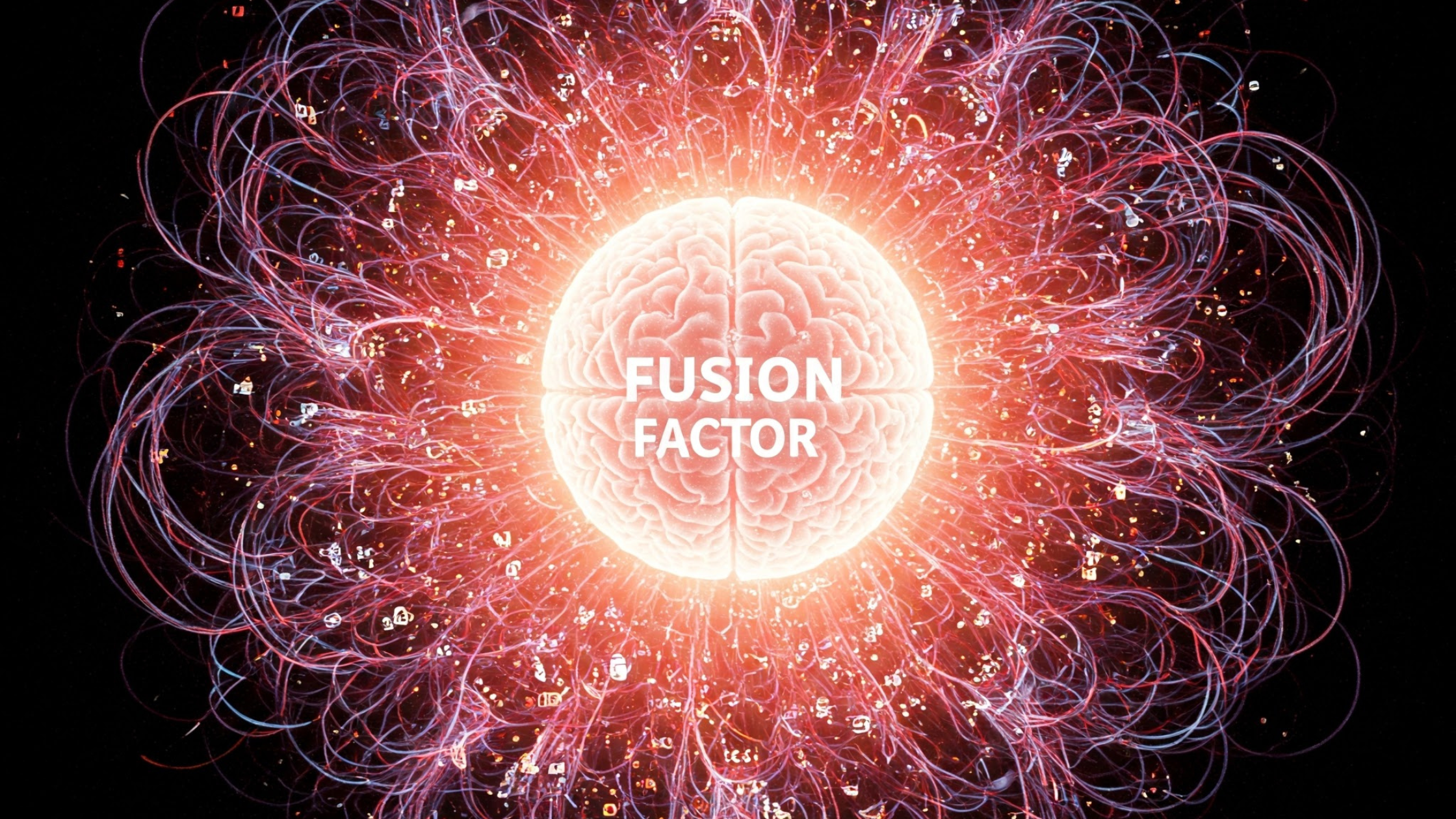
In the rapidly evolving landscape of artificial intelligence, one of the most exciting frontiers is multimodal AI. This innovative approach integrates various types of data—such as text, images, audio, and video—to create systems that can understand and generate information in a more human-like manner. As we delve deeper into the implications of multimodal AI, it becomes clear that this technology holds transformative potential across various sectors. This article will explore what multimodal AI is, the technical challenges associated with fusing different modalities, and its future applications, particularly in robotics and human-computer interaction (HCI).
Understanding Multimodal AI: What Is Multimodal AI?
At its core, multimodal AI refers to systems that can process and analyze multiple forms of data simultaneously. Traditional AI models often work with a single type of data—like text or images—but multimodal AI breaks these barriers by integrating diverse sources. For instance, a multimodal AI can analyze a video by interpreting both the visual content and the accompanying audio, providing a richer understanding of the material.
The significance of multimodal AI lies in its ability to leverage the strengths of different data types. By combining information from various modalities, these systems can achieve a level of insight that is unattainable through unidimensional approaches. This capability is not only beneficial for enhancing user experience but also for improving decision-making processes in complex environments.
Applications Across Industries
The applications of multimodal AI are vast and varied. In healthcare, for example, multimodal systems can analyze patient records (text), medical imaging (images), and even audio recordings of doctor-patient interactions to provide comprehensive insights into a patient’s condition. This holistic view can lead to better diagnoses and treatment plans.
In the realm of marketing, businesses can utilize multimodal AI to analyze consumer behavior by integrating data from social media (text), product images (visuals), and customer feedback (audio). This comprehensive analysis allows companies to tailor their strategies more effectively, enhancing customer engagement and satisfaction.
Technical Challenges of Fusing Modalities: Data Alignment and Representation
One of the most significant challenges in developing multimodal AI is the alignment and representation of different data types. Each modality has its own characteristics, and merging them requires sophisticated techniques to ensure that they complement rather than conflict with one another. For instance, when combining text and images, the system must understand the context in which the visual data is presented to accurately interpret the relationship between the two.
Researchers are actively exploring various architectures to address these challenges. Leading models like CLIP (Contrastive Language-Image Pre-training) and DALL-E have made strides in this area. CLIP, for example, uses a contrastive learning approach to align text and images by training on a large dataset of image-text pairs. This method allows the model to understand the nuances of how language and visuals interact, enabling it to generate meaningful outputs from both modalities.
Computational Complexity
The computational demands of multimodal AI are another hurdle. Processing multiple data types simultaneously requires significant computational resources, which can be a barrier for smaller organizations or those with limited access to advanced hardware. Developing more efficient algorithms that can handle this complexity is an ongoing area of research. Techniques such as transfer learning and model distillation are being explored to optimize performance without compromising the quality of insights.
Future Potential in Robotics and Human-Computer Interaction: Advancements in Robotics
The integration of multimodal AI in robotics promises to revolutionize how machines interact with the world. Robots equipped with multimodal capabilities can process visual data from cameras, auditory information from microphones, and tactile feedback from sensors, enabling them to operate in dynamic environments more effectively. For instance, a service robot in a hospital could navigate through crowds while understanding verbal commands and recognizing patients through facial recognition.
Moreover, multimodal AI can enhance collaborative robots (cobots) that work alongside humans. By understanding both verbal instructions and visual cues, these robots can respond more intuitively to human actions, making them safer and more efficient in shared workspaces.
Enhancing Human-Computer Interaction
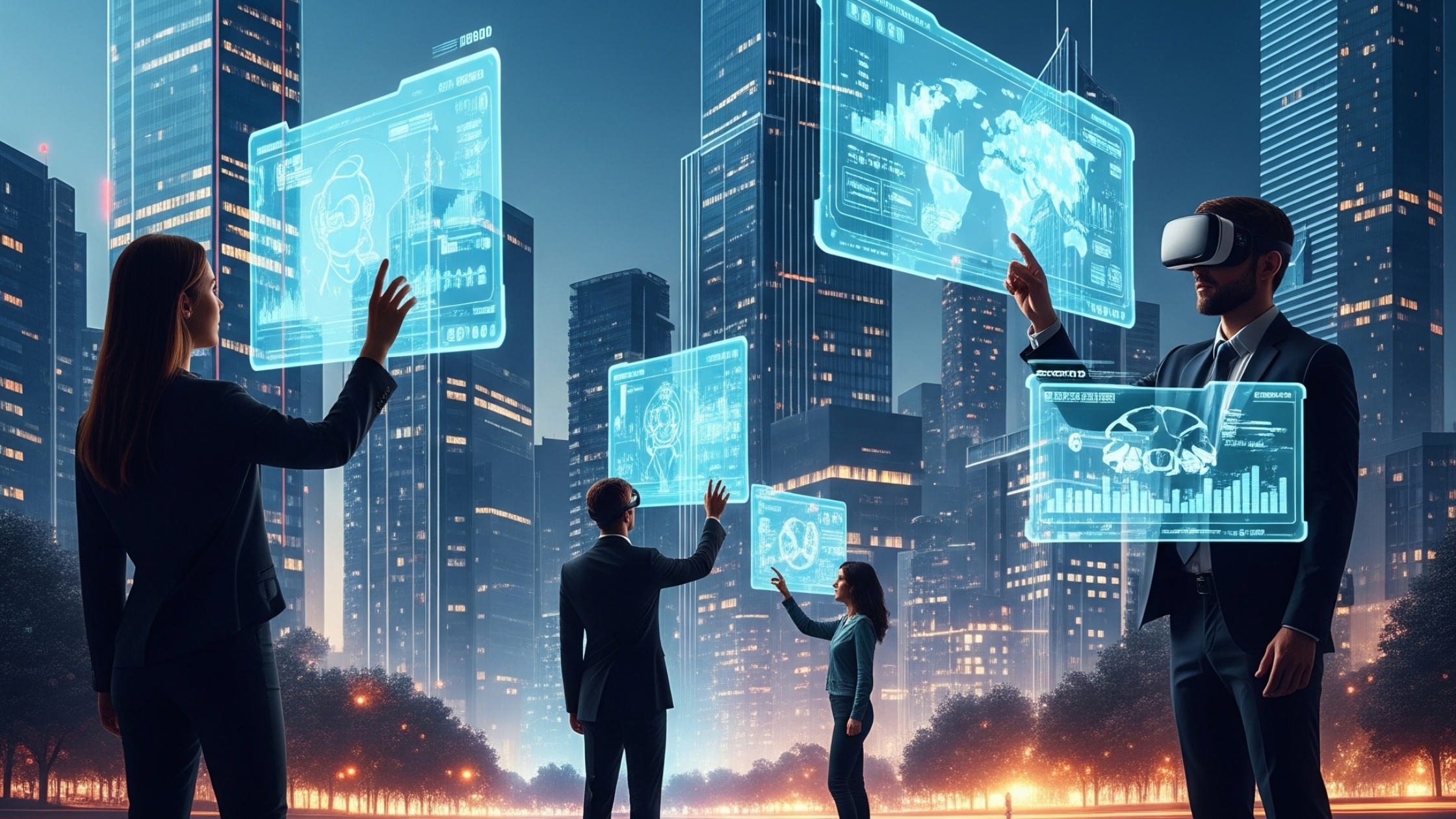
In the realm of HCI, multimodal AI has the potential to create more natural and intuitive interactions between humans and machines. By integrating voice recognition, gesture tracking, and visual displays, systems can respond to users in a more human-like manner. This could lead to the development of virtual assistants that not only understand spoken commands but can also interpret users’ emotions through facial expressions or tone of voice.
As we continue to refine these technologies, the possibilities for creating immersive and engaging user experiences are limitless. Imagine a virtual meeting platform where participants can use gestures, voice, and visual aids seamlessly, creating a more collaborative and interactive environment.
Conclusion
Multimodal AI represents a significant leap forward in our ability to process and understand complex information. By integrating diverse data sources, this technology enhances insights and problem-solving capabilities across various industries. Although challenges remain in fusing different modalities and managing computational demands, the potential applications in robotics and human-computer interaction are vast and promising. As we continue to innovate in this field, we can expect to see systems that not only understand us better but also enhance our interactions with technology in ways we have yet to imagine.