
Mastering GANs: Uncovering the Technology Behind Synthetic Media and Its Revolutionary Potential
In recent years, the rapid advancement of artificial intelligence has transformed various sectors, leading to the emergence of innovative technologies that have redefined our understanding of creativity and media production. Among these groundbreaking technologies, Generative Adversarial Networks (GANs) have gained significant attention for their ability to create synthetic media that is indistinguishable from real-world content. This article delves into the intricacies of GANs, exploring their architecture, applications, and the ethical considerations that accompany their use.
Understanding the Architecture of GANs
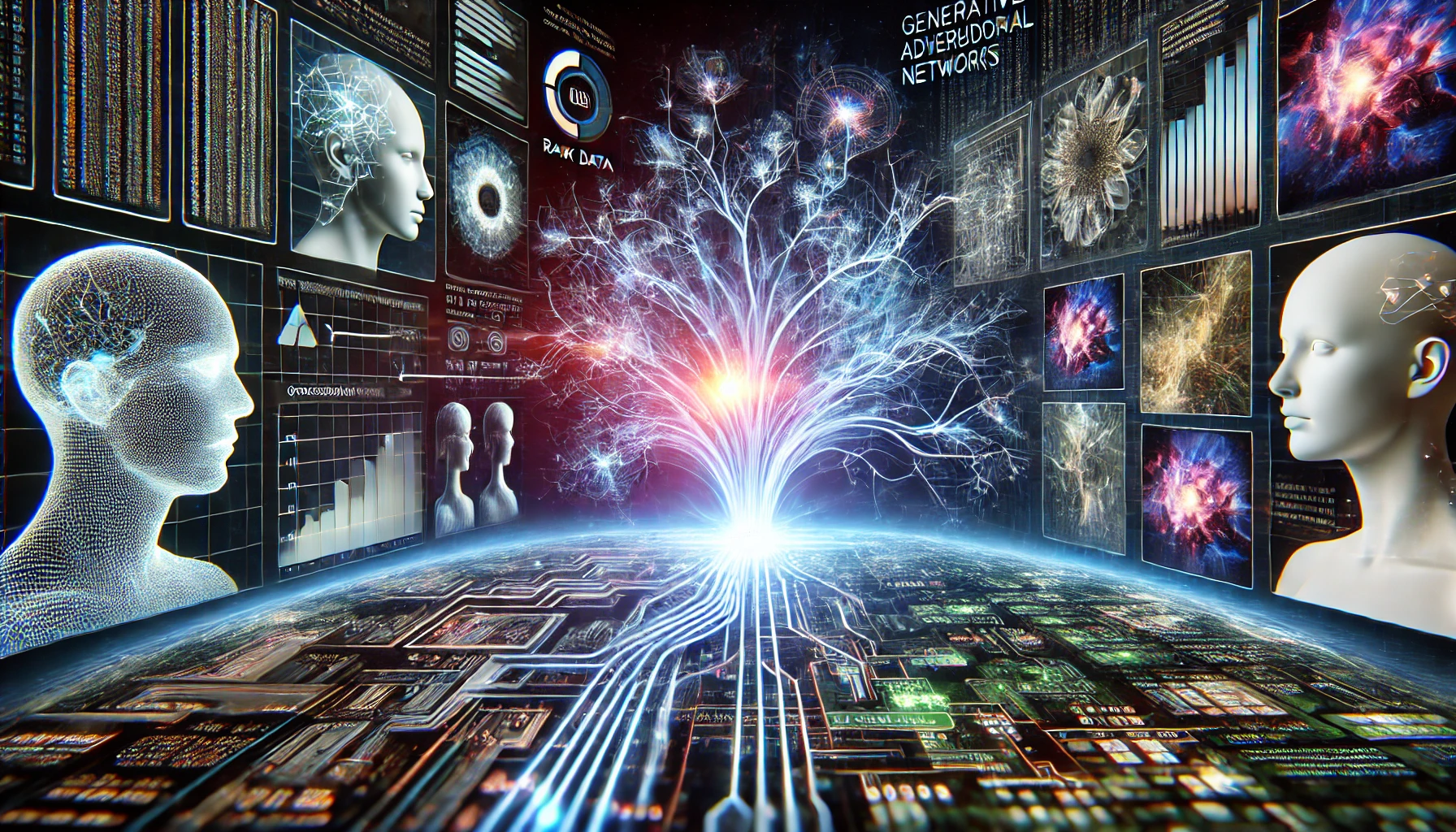
At the core of GANs lies a unique architecture that consists of two neural networks: the generator and the discriminator. The generator’s primary function is to produce synthetic data, such as images or audio, while the discriminator evaluates the authenticity of the generated content against real data. What sets GANs apart is the adversarial process between these two networks, wherein the generator continuously strives to create more realistic content, and the discriminator becomes progressively better at distinguishing between real and synthetic data.
The training process of GANs is a fascinating dance of competition. Initially, the generator produces random outputs, which the discriminator identifies as fake. However, as training progresses, both networks improve through feedback loops. The generator learns from the discriminator’s evaluations, refining its output to fool the discriminator, while the discriminator enhances its ability to detect fakes. This adversarial relationship fosters a dynamic learning environment that leads to increasingly realistic synthetic media.
In essence, GANs operate on the principle of game theory, where the success of one network directly impacts the other. This unique interplay allows GANs to generate high-quality outputs across various domains, from creating lifelike images to generating music and even text. As researchers continue to refine GAN architectures, the potential applications of this technology are becoming increasingly diverse and impactful.
Applications of GANs in Various Industries
The versatility of GANs has led to their adoption across multiple industries, revolutionizing how we create and consume media. In the realm of visual arts, artists and designers are harnessing GANs to generate stunning images and animations. For instance, platforms like Artbreeder allow users to blend and modify images using GAN technology, enabling a new form of collaborative creativity. This democratization of art creation has opened up exciting possibilities for both professional artists and hobbyists alike.
Beyond the art world, GANs are making waves in the fashion industry. Designers are utilizing GANs to create virtual clothing and accessories, streamlining the design process and reducing waste. By generating realistic fabric textures and styles, designers can experiment with new concepts without the need for physical samples. This not only accelerates the creative process but also promotes sustainability in an industry often criticized for its environmental impact.
Moreover, GANs have found applications in the field of entertainment, particularly in video game development and film production. Game developers are leveraging GANs to create realistic environments and character animations, enhancing the immersive experience for players. In cinema, filmmakers are exploring the use of GANs for visual effects and even generating entire scenes, pushing the boundaries of storytelling and visual narrative. As these applications continue to evolve, the influence of GANs on creative industries is poised to grow exponentially.
Ethical Considerations and Challenges
While the potential of GANs is undeniably exciting, the technology also raises significant ethical concerns that must be addressed. One of the most pressing issues is the potential for misuse, particularly in the creation of deepfakes—manipulated media that can spread misinformation or damage reputations. As GANs become more sophisticated, the line between reality and fabrication blurs, posing challenges for trust and authenticity in media consumption.
Another critical concern revolves around copyright and intellectual property rights. As GANs generate content based on existing data, questions arise regarding ownership and the originality of synthetic media. For instance, if a GAN creates a piece of art that closely resembles a famous painting, who holds the rights to that creation? These legal ambiguities necessitate a reevaluation of existing frameworks to protect both creators and consumers in the digital landscape.
Furthermore, the environmental impact of training GANs is an emerging area of concern. The computational power required for training large GAN models can lead to significant energy consumption and carbon emissions. As the demand for synthetic media increases, it is essential to develop more efficient algorithms and practices to mitigate the environmental footprint of this technology.
Conclusion: Embracing the Future of Synthetic Media
Generative Adversarial Networks represent a monumental leap in the capabilities of artificial intelligence, enabling the creation of synthetic media that challenges our perceptions of reality. The interplay between the generator and discriminator fosters a unique learning environment that continues to evolve, unlocking new possibilities across various industries. From art and fashion to entertainment, the applications of GANs are vast and varied, promising to reshape our creative landscapes.
However, as we embrace the revolutionary potential of GANs, it is crucial to navigate the ethical challenges they present. By addressing issues of misuse, copyright, and environmental impact, we can harness the power of GANs responsibly and sustainably. As this technology continues to advance, it will undoubtedly play a pivotal role in shaping the future of media, creativity, and human expression. In mastering GANs, we stand on the brink of a new era in synthetic media, one that invites us to explore the boundaries of imagination and innovation.