

Innovative Approaches to Writing: How AI is Redefining the Art of Storytelling and Communication
In an era where technology is rapidly evolving, artificial intelligence (AI) has emerged as a transformative force across various industries. Among these, the realm of writing and content creation is experiencing a significant shift. AI is not merely a tool for automating tasks; it is redefining the very essence of storytelling and communication. This article delves into the innovative approaches that AI brings to writing, exploring its potential to enhance creativity, improve efficiency, and foster collaboration between humans and machines.
The Rise of AI in Content Creation
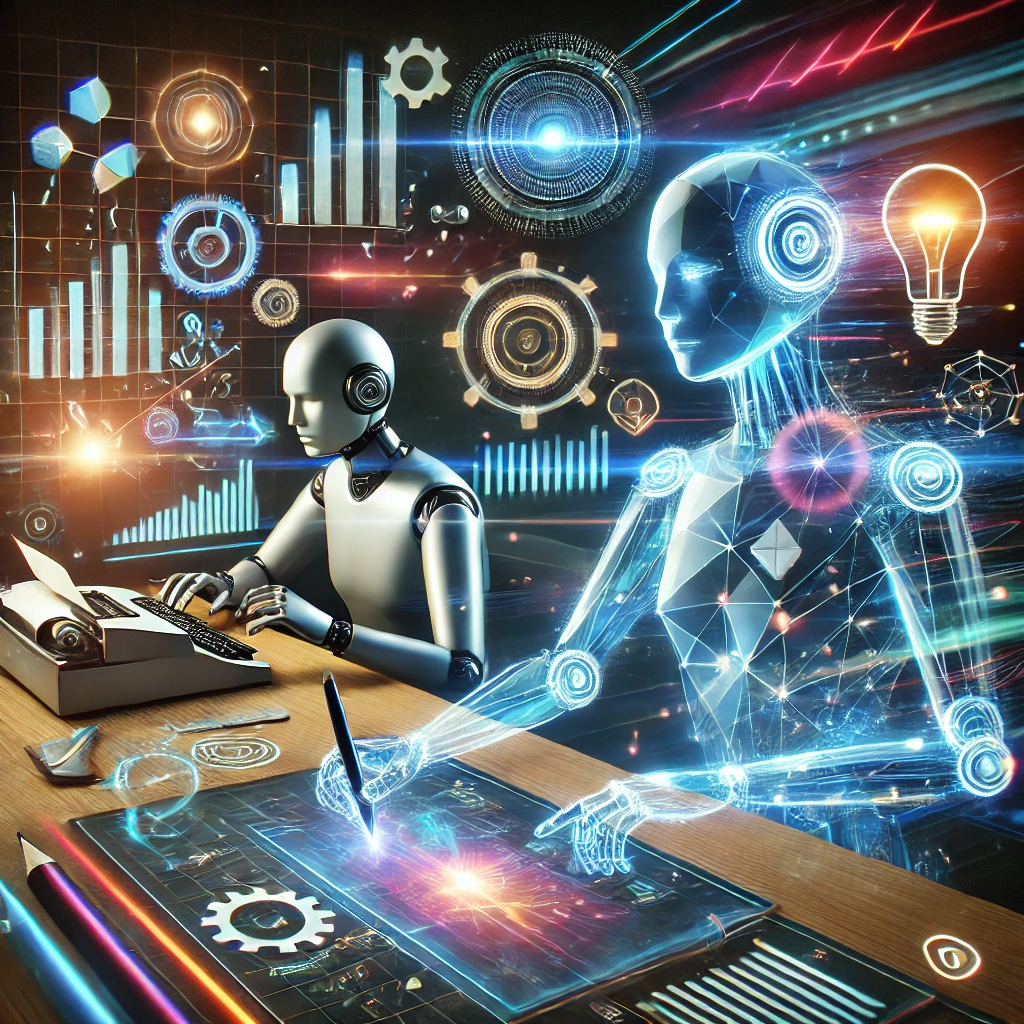
The advent of AI-driven writing tools has revolutionized how content is generated. Traditionally, writing has been a deeply human endeavor, rooted in personal experiences, emotions, and creativity. However, AI technologies such as natural language processing (NLP) and machine learning are enabling machines to understand and generate human-like text. These advancements allow writers to produce high-quality content with unprecedented speed and efficiency.
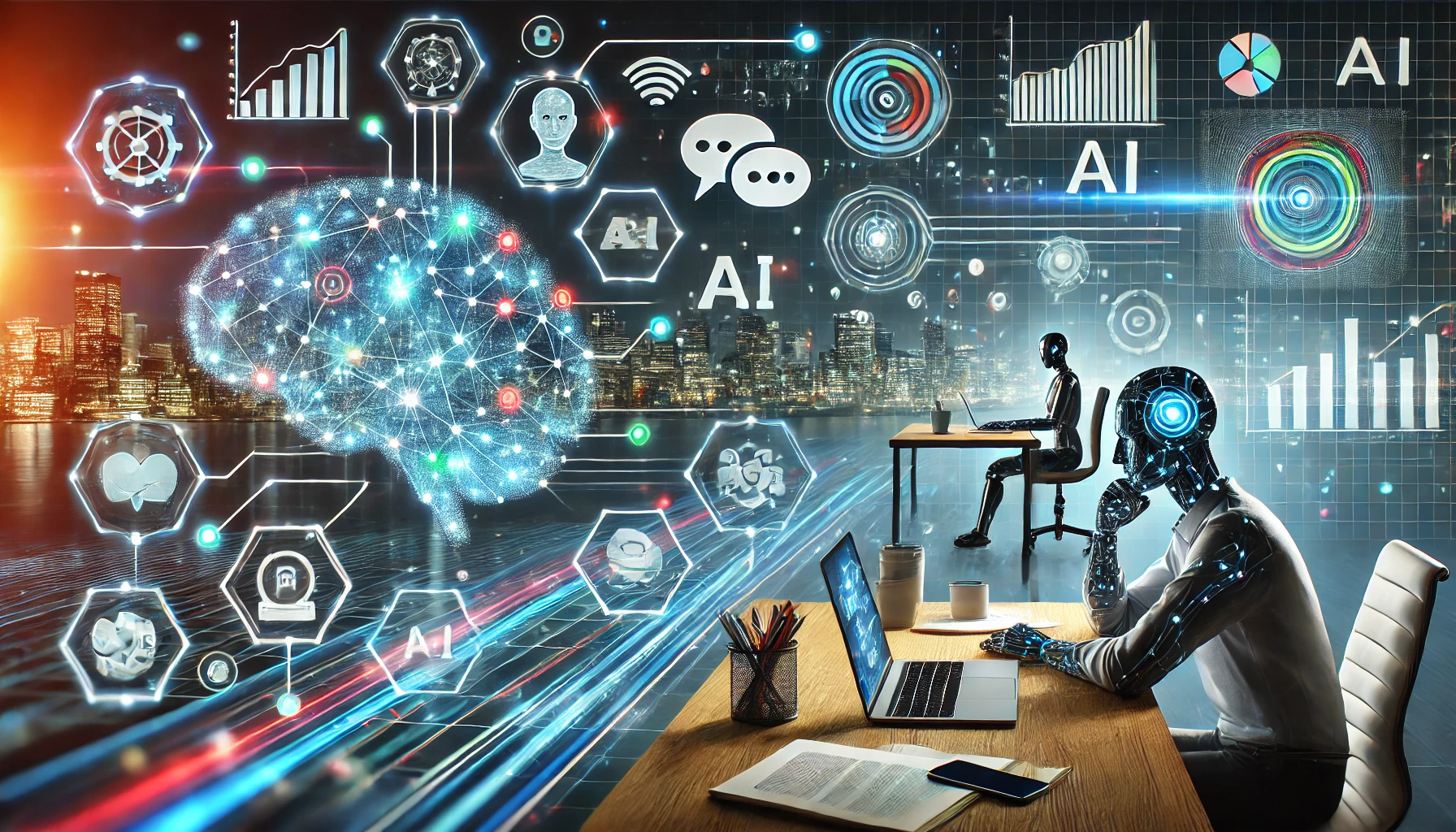
By leveraging AI, writers can streamline their creative processes. For instance, AI-powered platforms can analyze vast amounts of data to identify trending topics, keywords, and audience preferences. This capability empowers content creators to tailor their work more effectively, ensuring that it resonates with readers. Furthermore, AI can assist in generating outlines, suggesting ideas, and even drafting entire articles, freeing up writers to focus on refining their voice and style.
Enhancing Creativity and Personalization
While some may argue that AI lacks the emotional depth required for authentic storytelling, it is essential to recognize its potential to enhance creativity. AI tools can serve as invaluable collaborators, providing writers with fresh perspectives and innovative ideas. By analyzing existing literature, AI can identify patterns and themes that may inspire unique narratives. This collaborative approach can lead to the development of compelling stories that might not have emerged through traditional writing methods alone.
Moreover, personalization has become a cornerstone of effective communication in today’s digital landscape. AI’s ability to analyze user data enables writers to create tailored content that speaks directly to individual preferences and interests. For example, AI can help craft personalized marketing messages, blog posts, or social media content that resonates with specific demographics. This level of customization not only enhances engagement but also fosters a deeper connection between the writer and the audience.
Ethical Considerations and the Future of AI Writing
As with any technological advancement, the rise of AI in writing raises important ethical considerations. The potential for misuse, such as generating misleading information or plagiarized content, poses significant challenges for writers and content creators. It is crucial for the industry to establish guidelines and best practices to ensure that AI is used responsibly and ethically. Transparency in AI-generated content is essential, as readers deserve to know when they are interacting with machine-generated text.
Looking ahead, the future of AI in writing is promising yet complex. As AI continues to evolve, it will increasingly become an integral part of the writing process. Writers will need to adapt to this new landscape, embracing AI as a tool that can augment their creativity rather than replace it. The most successful content creators will be those who can harness the power of AI while maintaining their unique voice and perspective.
In conclusion, AI is reshaping the art of storytelling and communication in profound ways. By enhancing creativity, improving efficiency, and fostering collaboration, AI is redefining the writing landscape. As writers navigate this new terrain, they must remain vigilant about ethical considerations while embracing the opportunities that AI presents. Ultimately, the synergy between human creativity and AI technology has the potential to lead to a new era of storytelling that is richer, more diverse, and more engaging than ever before.