Imagining the Future: How AI is Shaping the Landscape of Artistic Expression and Interpretation
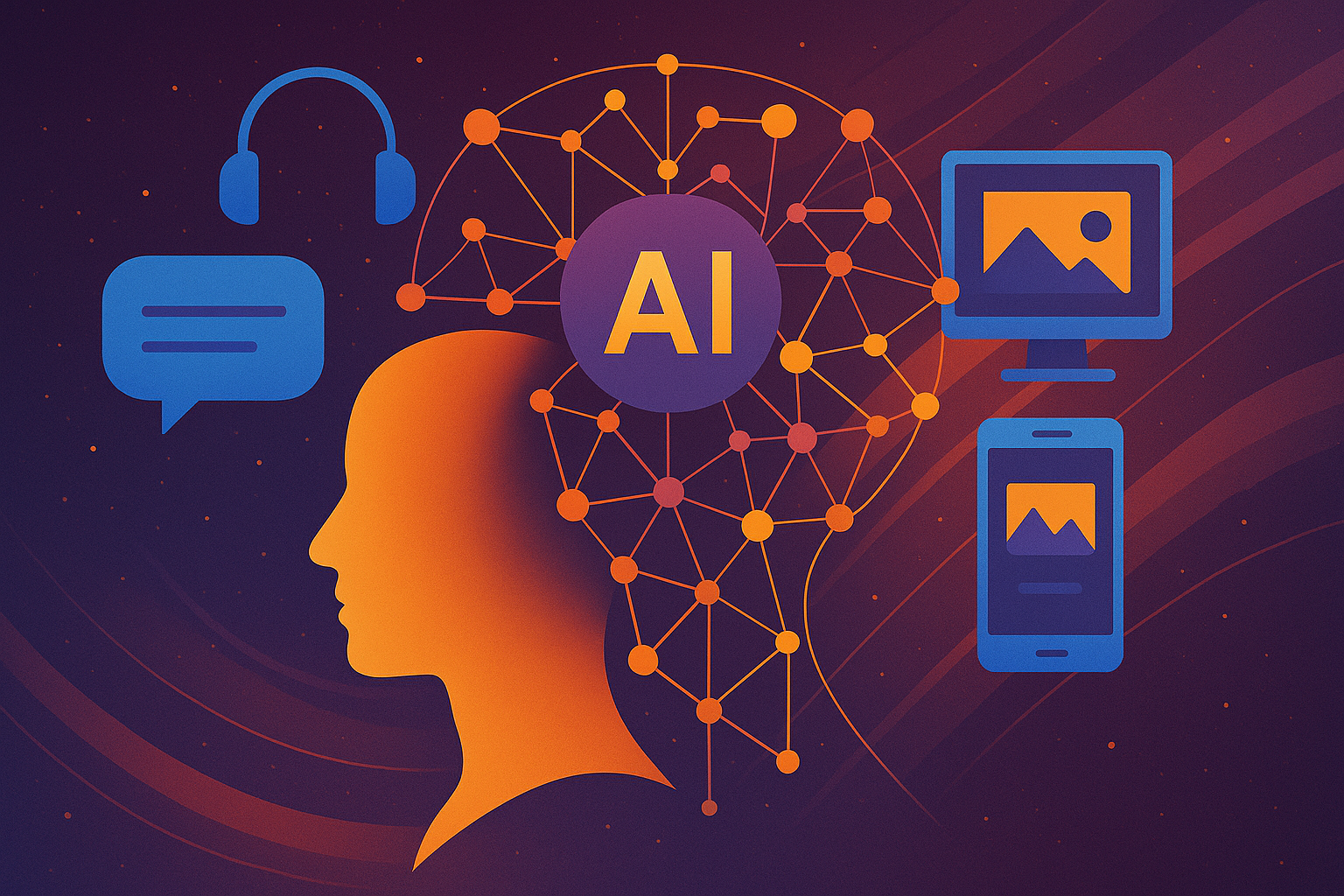
The intersection of artificial intelligence (AI) and art has become one of the most fascinating domains in contemporary culture. As technology continues to evolve, artists and technologists alike are exploring the vast potential of AI to redefine what it means to create and interpret art. This article delves into how AI is transforming artistic expression and interpretation, highlighting its implications for the future of creativity.
The Emergence of AI as a Creative Partner
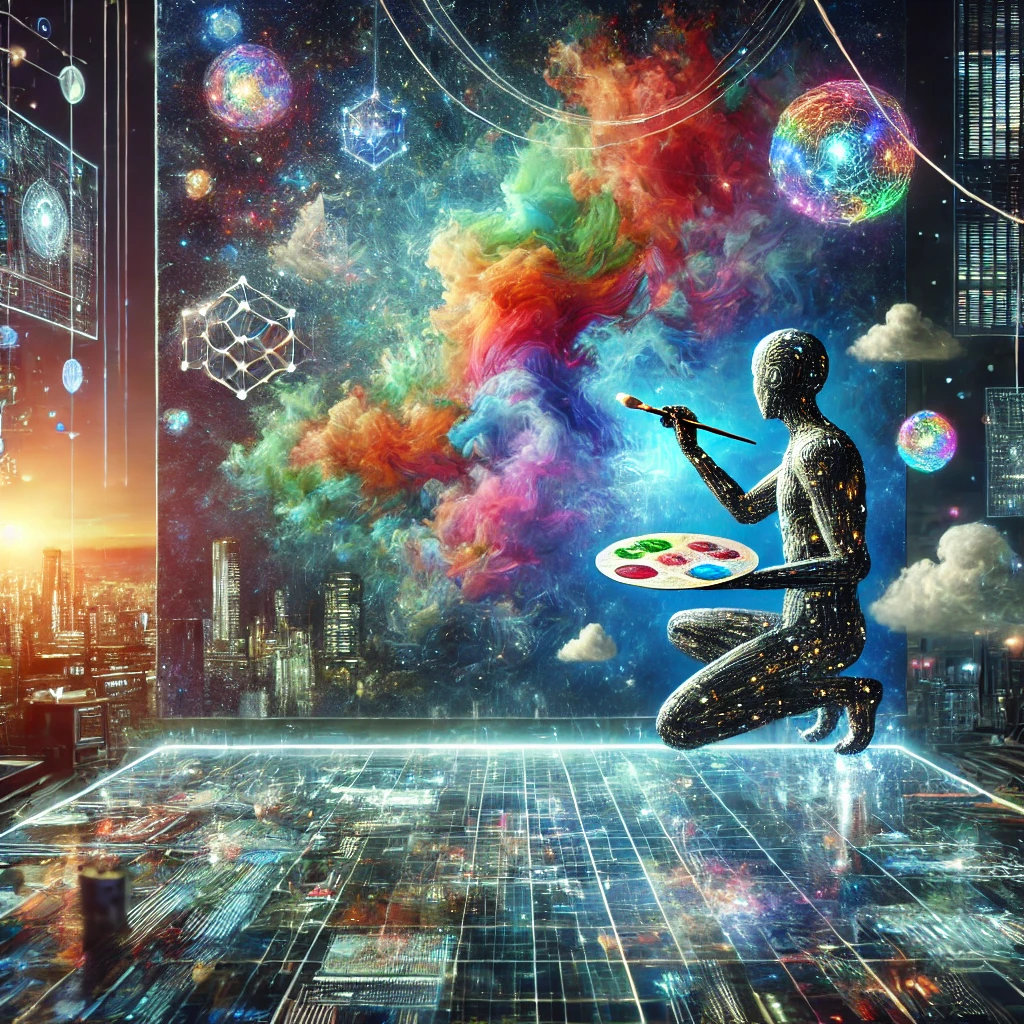
Artificial intelligence has transitioned from a mere tool to a creative partner in the artistic process. Initially, AI’s role was limited to automating mundane tasks, but recent advancements have enabled it to generate original content. Algorithms, particularly those based on machine learning and neural networks, can analyze vast datasets of existing artworks to create new pieces that mimic various styles or even develop entirely unique aesthetics.
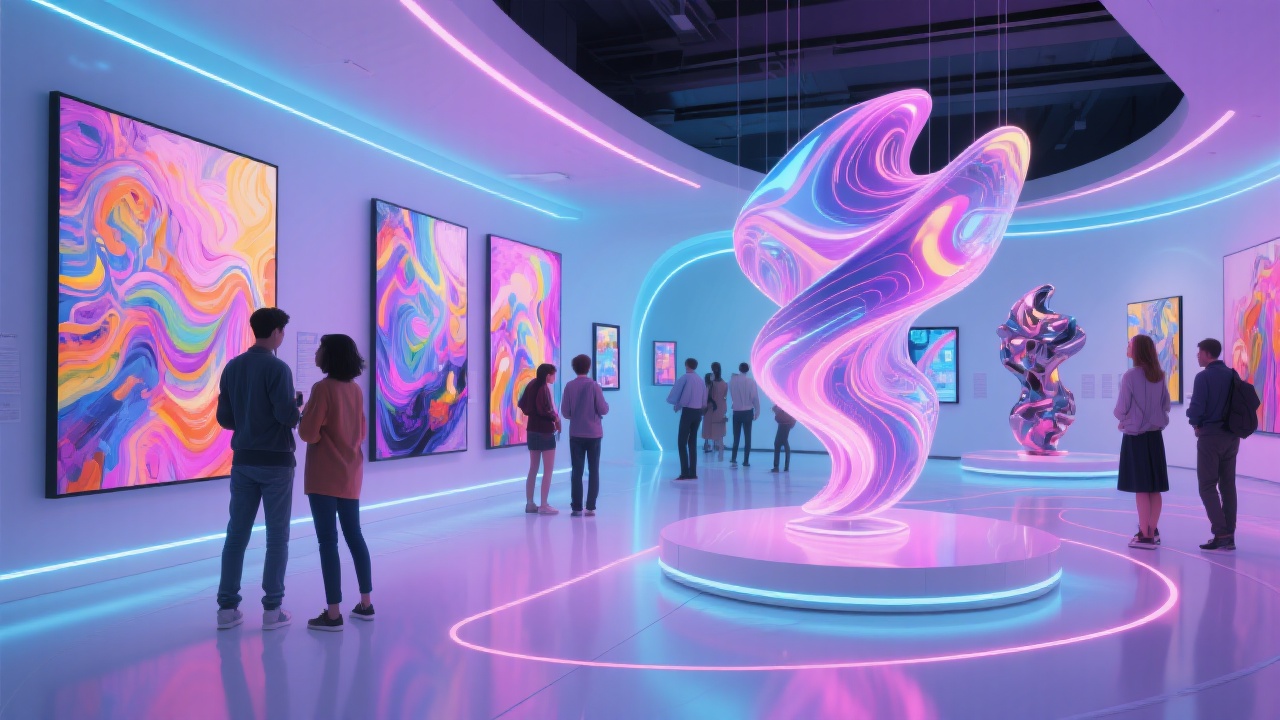
Consider the work of artists like Refik Anadol, who utilizes AI to create immersive installations that blend data, architecture, and art. By feeding AI systems large volumes of visual data, Anadol is able to generate stunning visualizations that challenge traditional notions of authorship and creativity. The result is a collaborative effort where the artist’s intent merges with the computational capabilities of AI, leading to innovative forms of artistic expression that were previously unimaginable.
Moreover, AI-generated art raises critical questions about originality and authorship. When a machine produces a piece of art, who is the true creator? This dilemma invites both artists and audiences to reconsider the nature of creativity itself. The dialogue surrounding AI in art is not merely about the technology but also about the philosophical implications of what it means to create.
Redefining Artistic Interpretation
In addition to generating new works, AI is also reshaping how audiences interpret art. Traditional art interpretation has often relied on human experience, cultural context, and emotional resonance. However, AI can analyze patterns and trends across vast amounts of data, offering insights that might elude even the most seasoned art critics. For instance, AI algorithms can assess the emotional impact of artworks by analyzing viewer reactions, social media engagement, and historical context, providing a multi-faceted understanding of a piece.
Take the example of tools like Google Arts & Culture, which harnesses AI to enhance the way we engage with art. Through features such as image recognition and augmented reality, users can explore artworks in unprecedented ways. Imagine standing in front of a Van Gogh painting and using an app to uncover the artist’s techniques, historical significance, and even similar works from different eras. This interactive experience not only enriches the viewer’s understanding but also democratizes access to art interpretation, making it available to a broader audience.
Furthermore, AI’s ability to analyze and synthesize information can lead to new interpretations of classic works. By examining the stylistic elements of various artists and movements, AI can propose fresh perspectives that challenge established narratives. This capability encourages both artists and audiences to engage in a more dynamic conversation about art, one that is informed by data but also deeply rooted in human emotion and experience.
The Future of Artistic Collaboration
As we look ahead, the collaboration between AI and artists promises to evolve even further. Emerging technologies such as generative adversarial networks (GANs) and natural language processing (NLP) are paving the way for more sophisticated forms of artistic collaboration. Artists can leverage these technologies to push the boundaries of their creativity, exploring uncharted territories in their work.
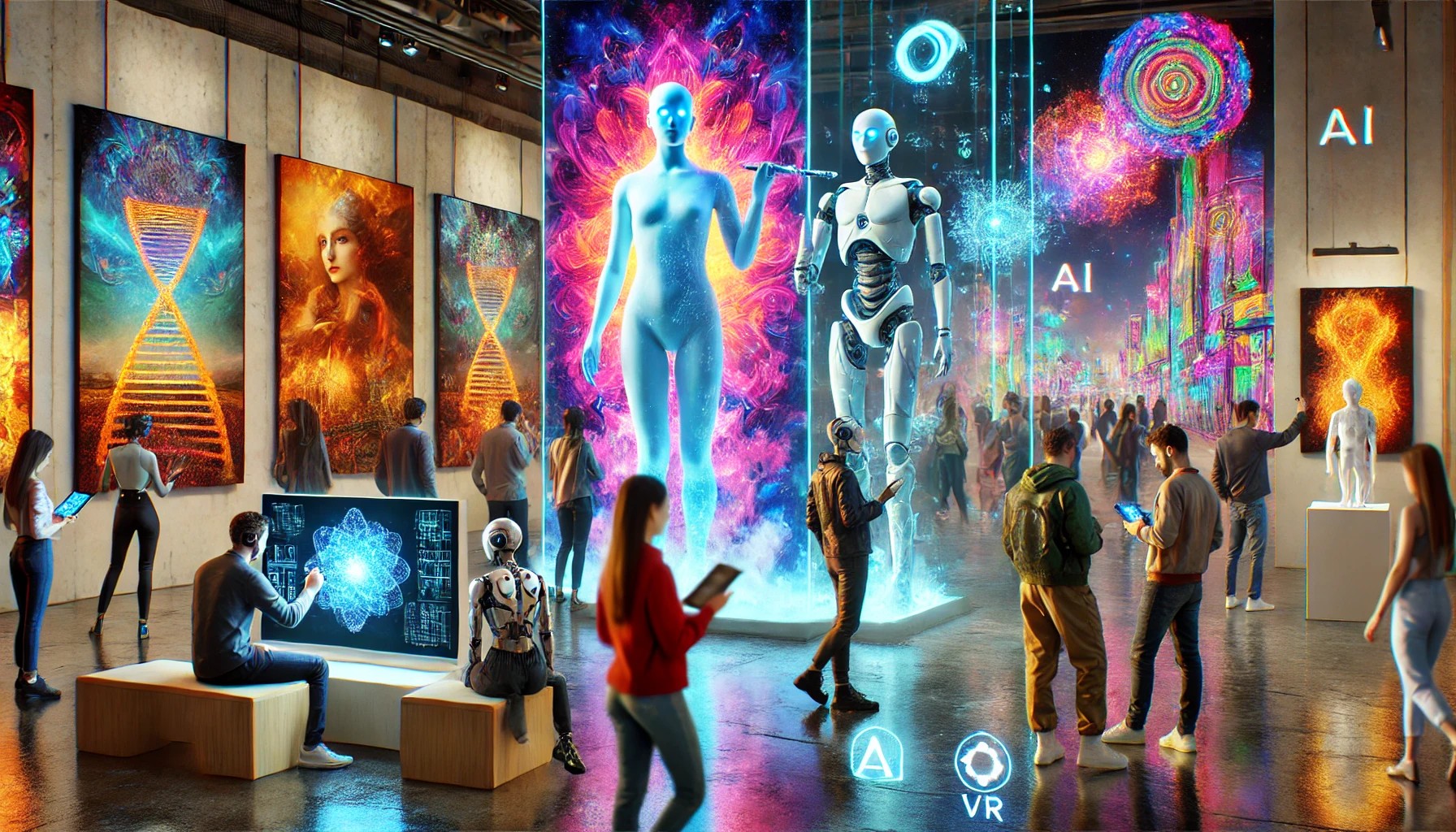
Envision a future where artists collaborate with AI systems not just to create, but to co-create. This scenario could involve artists developing concepts and narratives that AI then enhances with visual or auditory elements, resulting in a hybrid art form that seamlessly blends human intuition with machine precision. Such collaborations could lead to entirely new genres, redefining the landscape of artistic expression.
In addition, the rise of AI in art may inspire a new generation of artists who are well-versed in both creative and technological skills. Educational institutions are already beginning to incorporate AI into their art programs, encouraging students to explore the potential of technology in their work. This shift could foster a creative ecosystem where artists are equipped to navigate the challenges and opportunities presented by AI, ensuring that the future of art remains vibrant and innovative.
Moreover, the ethical implications of AI in art must be addressed as this collaboration unfolds. Questions surrounding copyright, ownership, and the potential for bias in AI algorithms must be considered to ensure that the benefits of this technology are equitably distributed. Engaging in these discussions will be crucial as we move toward a future where AI and human creativity coexist and enhance one another.
Conclusion: A New Era of Artistic Possibilities
The integration of AI into the world of art is not merely a trend; it represents a profound shift in how we understand and interact with creativity. As AI continues to evolve, it will undoubtedly reshape the landscape of artistic expression and interpretation. This transformation invites artists and audiences alike to reimagine the possibilities of creativity in an age where technology and art intersect.
In the coming years, we can anticipate a richer dialogue about the role of AI in art, one that balances innovation with ethical considerations. As artists harness the power of AI as a creative partner, they will not only expand their own artistic horizons but also challenge the very foundations of what art can be. The future promises to be an exciting and dynamic realm where human creativity and artificial intelligence coexist, offering new avenues for artistic exploration and appreciation.