


Harnessing the Power of GANs: Transforming Digital Content Creation and Innovation
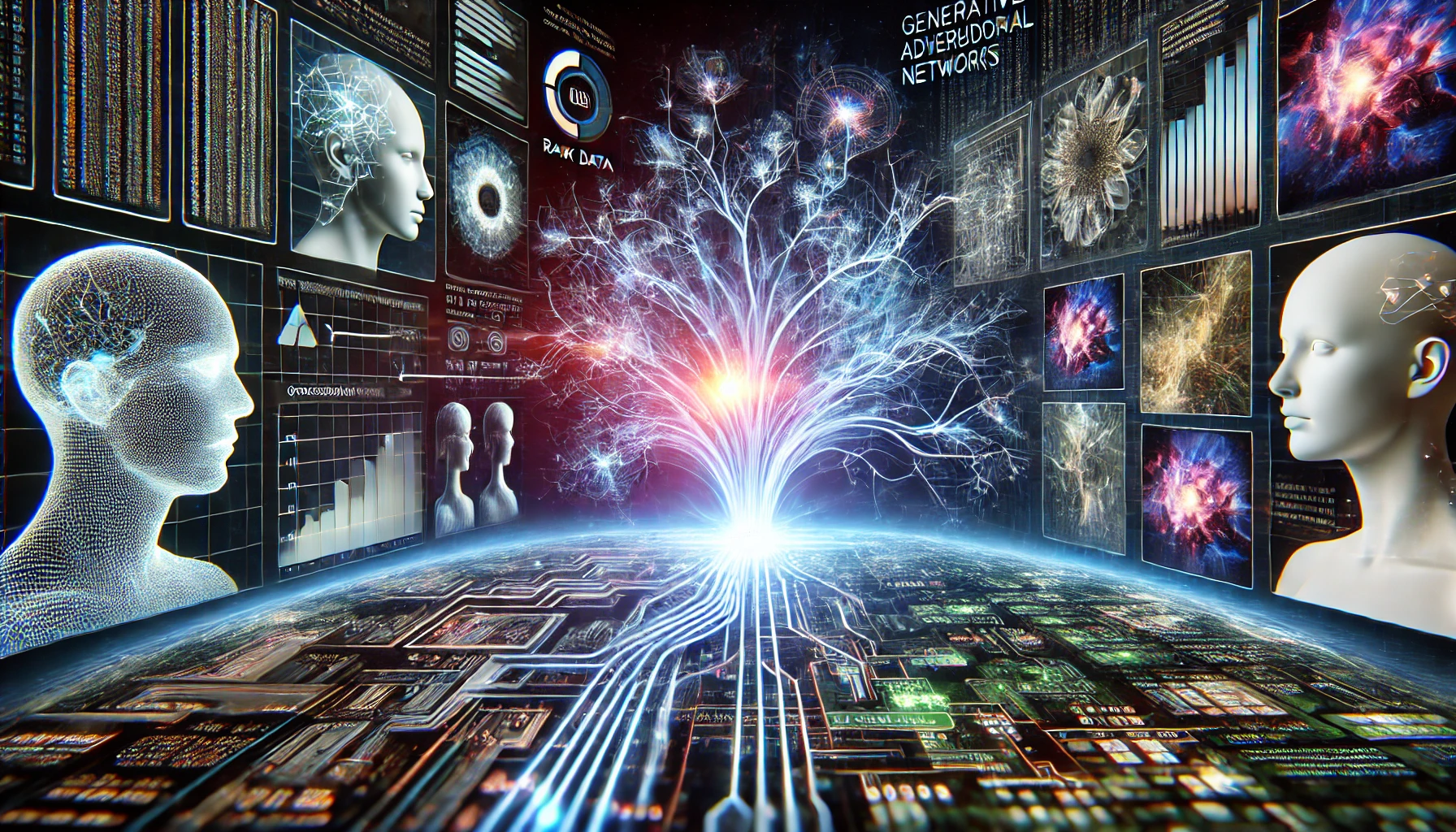
In the realm of digital content creation, Generative Adversarial Networks (GANs) have emerged as a groundbreaking technology. Developed by Ian Goodfellow and his colleagues in 2014, GANs consist of two neural networks—the generator and the discriminator—that work in tandem to create highly realistic media. While the potential for artistic innovation, entertainment, and efficiency in various industries is immense, the rise of GAN-generated deepfakes poses significant societal and ethical risks. This article will focus specifically on the risk of political disinformation, exploring the implications of deepfakes on democracy and public trust, while also discussing potential technical and policy countermeasures to mitigate these risks.
The Threat of Political Disinformation: Understanding Deepfakes in Political Context
Deepfakes are synthetic media in which a person’s likeness is replaced with someone else’s, often resulting in videos or audio clips that appear convincingly real. In the political arena, deepfakes can be weaponized to mislead voters, manipulate public opinion, and undermine the integrity of democratic processes. For instance, a deepfake video of a political leader making inflammatory statements could sway voter sentiment, incite unrest, or even disrupt elections.
The accessibility of GAN technology has democratized the ability to create deepfakes, making it easier for malicious actors to produce and disseminate misleading content. The implications are profound: as deepfakes become more sophisticated, distinguishing between authentic and manipulated media becomes increasingly challenging, eroding the very foundation of informed decision-making in a democratic society.
Erosion of Public Trust
One of the most alarming consequences of deepfake technology is the erosion of public trust in media and political institutions. When citizens can no longer discern the truth from fabricated content, skepticism towards news sources and political figures intensifies. This skepticism can lead to apathy, disengagement from the political process, and ultimately, a weakened democracy.
Moreover, the proliferation of deepfakes contributes to a phenomenon known as “truth decay,” where the distinction between fact and fiction blurs. As disinformation campaigns leverage deepfake technology, the public may increasingly dismiss legitimate news reports as potential fabrications, further complicating efforts to maintain an informed electorate.
Countermeasures to Combat Political Disinformation
Technical Solutions: Detection and Verification
To combat the threat posed by deepfakes in the political sphere, the development of robust detection algorithms is crucial. Researchers are actively working on machine learning techniques that can identify manipulated media by analyzing inconsistencies in audio-visual data. For example, GAN-generated content often exhibits subtle artifacts that can be detected by advanced algorithms trained on vast datasets of both authentic and synthetic media.
In addition to detection, verification tools can empower consumers of media. Initiatives like the “Deepfake Detection Challenge” have spurred innovation in this area, encouraging the development of tools that can provide real-time verification of content authenticity. By integrating these tools into social media platforms and news outlets, users can be alerted to potential deepfakes, fostering a more discerning public.
Policy Solutions: Regulation and Education
While technical solutions are essential, they must be complemented by policy measures to effectively address the risks associated with deepfakes. Governments and regulatory bodies should consider implementing legislation that explicitly addresses the creation and dissemination of deepfake content, particularly in the context of political disinformation. Such regulations could hold creators accountable for malicious use of technology, deterring potential offenders.
Moreover, public education campaigns can play a pivotal role in equipping citizens with the skills to critically evaluate media. By fostering digital literacy, individuals can learn to recognize potential deepfakes and approach media consumption with a more skeptical eye. Educational initiatives can also focus on the ethical implications of synthetic media, promoting a culture of responsibility among content creators.
The Role of Platforms in Mitigating Risks
Accountability of Social Media Platforms
Social media platforms are at the forefront of the fight against deepfake disinformation. Given their role as primary distributors of information, these platforms must take proactive measures to mitigate the spread of harmful content. Implementing stricter content moderation policies and enhancing reporting mechanisms for deepfake content can help curb the dissemination of misleading media.
Furthermore, collaboration between tech companies, researchers, and policymakers is essential. By sharing knowledge and resources, stakeholders can develop comprehensive strategies to address the evolving landscape of deepfake technology. Initiatives like the Partnership on AI, which brings together industry leaders to tackle ethical challenges in AI, can serve as a model for collaborative efforts in combating deepfakes.
Ethical Considerations for Content Creators
As the creators of synthetic media, artists and developers must grapple with the ethical implications of their work. Establishing industry standards for responsible content creation can help mitigate the risks associated with deepfakes. Content creators should be encouraged to disclose when media has been manipulated and to consider the potential consequences of their creations.
Additionally, fostering a culture of ethical responsibility within the tech community can lead to more conscientious innovation. By prioritizing ethical considerations alongside technological advancements, creators can contribute to a digital landscape that values authenticity and integrity.
Conclusion: Mitigating Harm in a Digital Age
The rise of GAN-generated deepfakes presents a complex challenge that requires a multifaceted approach to mitigate harm. By understanding the risks associated with political disinformation, implementing technical solutions for detection and verification, and establishing robust policy frameworks, society can work towards preserving the integrity of democratic processes. Furthermore, fostering a culture of ethical responsibility among content creators and promoting digital literacy among the public are essential steps in addressing the societal impacts of deepfakes. As we navigate this new digital landscape, a collective commitment to truth and accountability will be vital in harnessing the power of GANs for positive innovation while mitigating their potential harms.