
Harnessing the Potential of AI in Education: Innovations Driving Personalized Learning Experiences
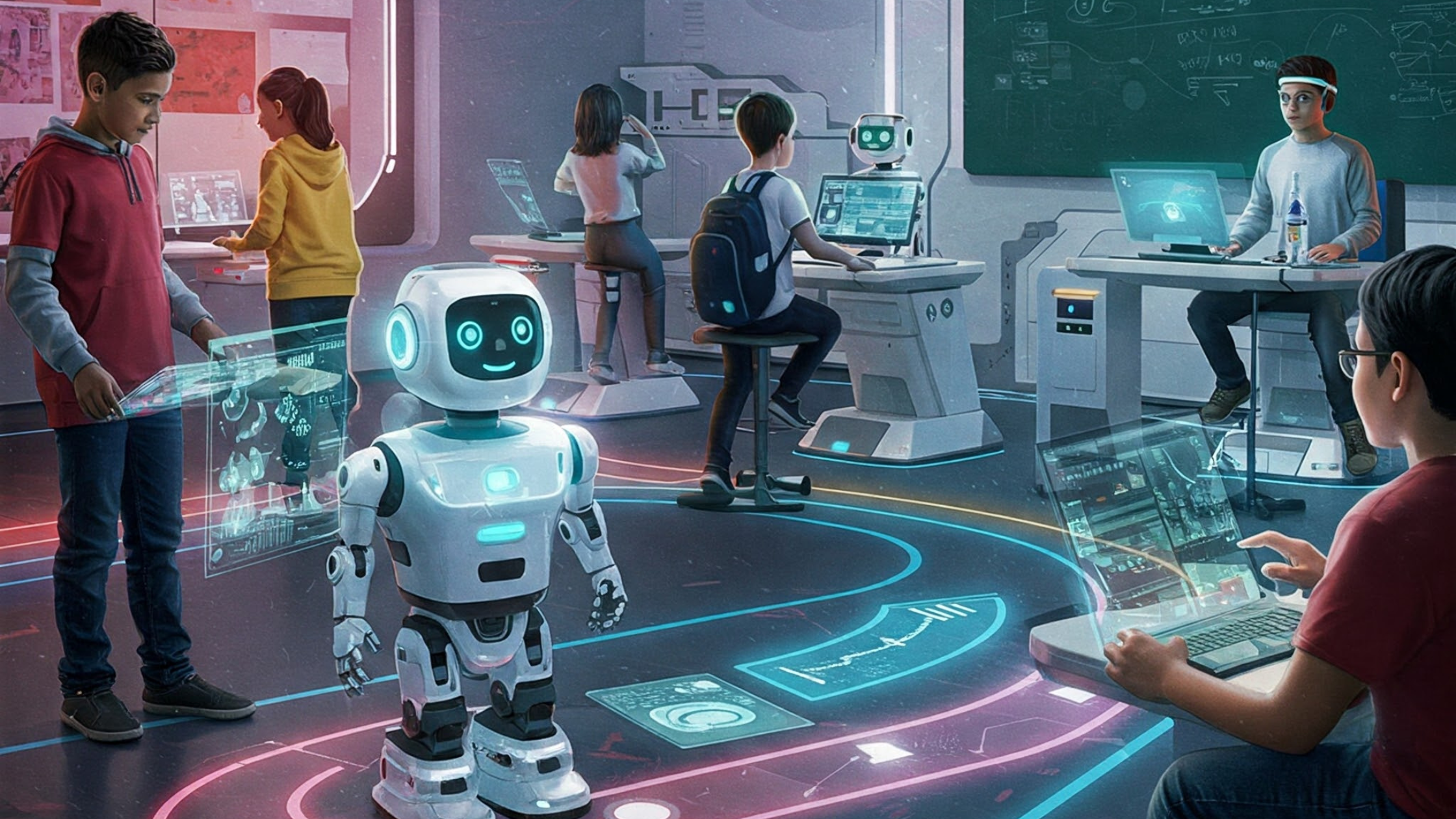
Artificial Intelligence (AI) has rapidly emerged as a transformative force across various sectors, and education is no exception. The integration of AI technologies into educational settings presents a unique opportunity to redefine teaching methodologies and educational philosophies. This convergence emphasizes personalized learning experiences, shifting the focus from traditional knowledge transmission to fostering critical thinking and collaboration. As educators embrace AI tools, they will need to adapt their pedagogical approaches to leverage these innovations effectively. This article explores the implications of AI on teaching methodologies, highlighting the shift towards critical thinking facilitation, the role of project-based learning, personalized assessment strategies, and ethical pedagogy in the age of AI.
The Shift from Knowledge Transmission to Critical Thinking Facilitation
Historically, education has often revolved around the transmission of knowledge from teacher to student. However, as AI tools become more prevalent, there is a growing recognition of the need to shift towards facilitating critical thinking. AI technologies can analyze vast amounts of data, enabling educators to provide students with customized resources tailored to their individual learning needs and interests.
Empowering Educators to Facilitate Learning
AI can empower educators to become facilitators of learning rather than mere transmitters of information. By utilizing AI-driven analytics, teachers can gain insights into student performance, identifying areas where students may struggle or excel. This data-driven approach allows for the creation of targeted interventions that promote critical thinking. For instance, instead of simply delivering lectures, educators can design inquiry-based learning experiences where students explore complex problems, analyze information, and draw conclusions based on evidence.
Fostering Collaborative Learning Environments
Moreover, AI can support collaborative learning environments by connecting students with peers and experts around the world. Platforms powered by AI can facilitate group projects, enabling students to work together on real-world problems. This collaborative approach encourages students to engage in discussions, challenge each other’s ideas, and develop their critical thinking skills. As students learn to navigate diverse perspectives and work collaboratively, they become better equipped to tackle complex challenges in their future careers.
The Role of Project-Based Learning with AI Tools
Project-based learning (PBL) has gained popularity as an effective pedagogical approach that encourages students to engage in hands-on, real-world projects. The integration of AI tools into PBL can significantly enhance the learning experience, offering students new ways to explore and create.
AI as a Research Assistant
AI can serve as a research assistant, providing students with access to a wealth of information and resources. For instance, AI-driven platforms can help students identify credible sources, analyze data, and generate insights relevant to their projects. This not only streamlines the research process but also encourages students to think critically about the information they encounter. Instead of passively consuming information, students can actively engage with it, honing their analytical skills.
Enhancing Creativity and Innovation
Additionally, AI can foster creativity and innovation in project-based learning. Tools such as AI-driven design software can help students visualize their ideas and iterate on their projects with ease. For example, students working on a sustainability project can use AI to simulate the impact of different solutions, allowing them to evaluate their effectiveness before implementation. This iterative process encourages experimentation and critical evaluation, essential components of effective learning.
Personalized Assessment Strategies
Assessment has long been a cornerstone of education, but traditional methods often fail to capture the full spectrum of student learning. AI offers the potential to revolutionize assessment practices, enabling personalized and adaptive approaches that align with individual learning trajectories.
Moving Beyond Standardized Testing
With AI, educators can move beyond standardized testing and embrace a more holistic view of student assessment. AI tools can analyze student performance data in real time, allowing for continuous feedback and personalized learning pathways. For instance, adaptive learning platforms can adjust the difficulty of tasks based on a student’s progress, ensuring that each learner is challenged appropriately.
Formative Assessment and Real-Time Feedback
Moreover, AI can facilitate formative assessment, providing educators with insights into student understanding throughout the learning process. By utilizing AI-driven analytics, teachers can identify misconceptions and adapt their instructional strategies accordingly. This real-time feedback loop empowers both educators and students to take ownership of the learning process, fostering a growth mindset and encouraging continuous improvement.
Ethical Pedagogy in the Age of AI
As AI becomes increasingly integrated into education, it is imperative to consider the ethical implications of these technologies. Educators must navigate the complexities of data privacy, algorithmic bias, and the potential for over-reliance on AI tools.
Promoting Digital Literacy
One key aspect of ethical pedagogy in the age of AI is promoting digital literacy among students. Educators must equip students with the skills to critically evaluate the information they encounter online and understand the implications of AI-driven technologies. By fostering digital literacy, educators can empower students to engage responsibly with AI tools and become informed consumers of information.
Addressing Equity and Access
Furthermore, educators must be vigilant in addressing issues of equity and access. AI has the potential to exacerbate existing disparities in education if not implemented thoughtfully. It is crucial for educators to ensure that all students have access to AI tools and resources, regardless of their socioeconomic background. This commitment to equity will help create a more inclusive educational environment where all learners can thrive.
Conclusion: Evolving Education Paradigms
The integration of AI in education heralds a new era of personalized learning experiences that require fundamental changes in teaching methodologies and educational philosophies. As educators shift from knowledge transmission to critical thinking facilitation, embrace project-based learning, and adopt personalized assessment strategies, they must also remain mindful of the ethical implications of these technologies. By harnessing the potential of AI, educators can create dynamic learning environments that empower students to become critical thinkers, collaborators, and responsible digital citizens. As we navigate this evolving landscape, it is essential to continuously reflect on and adapt our educational practices to ensure that they align with the needs of our learners in the 21st century.