

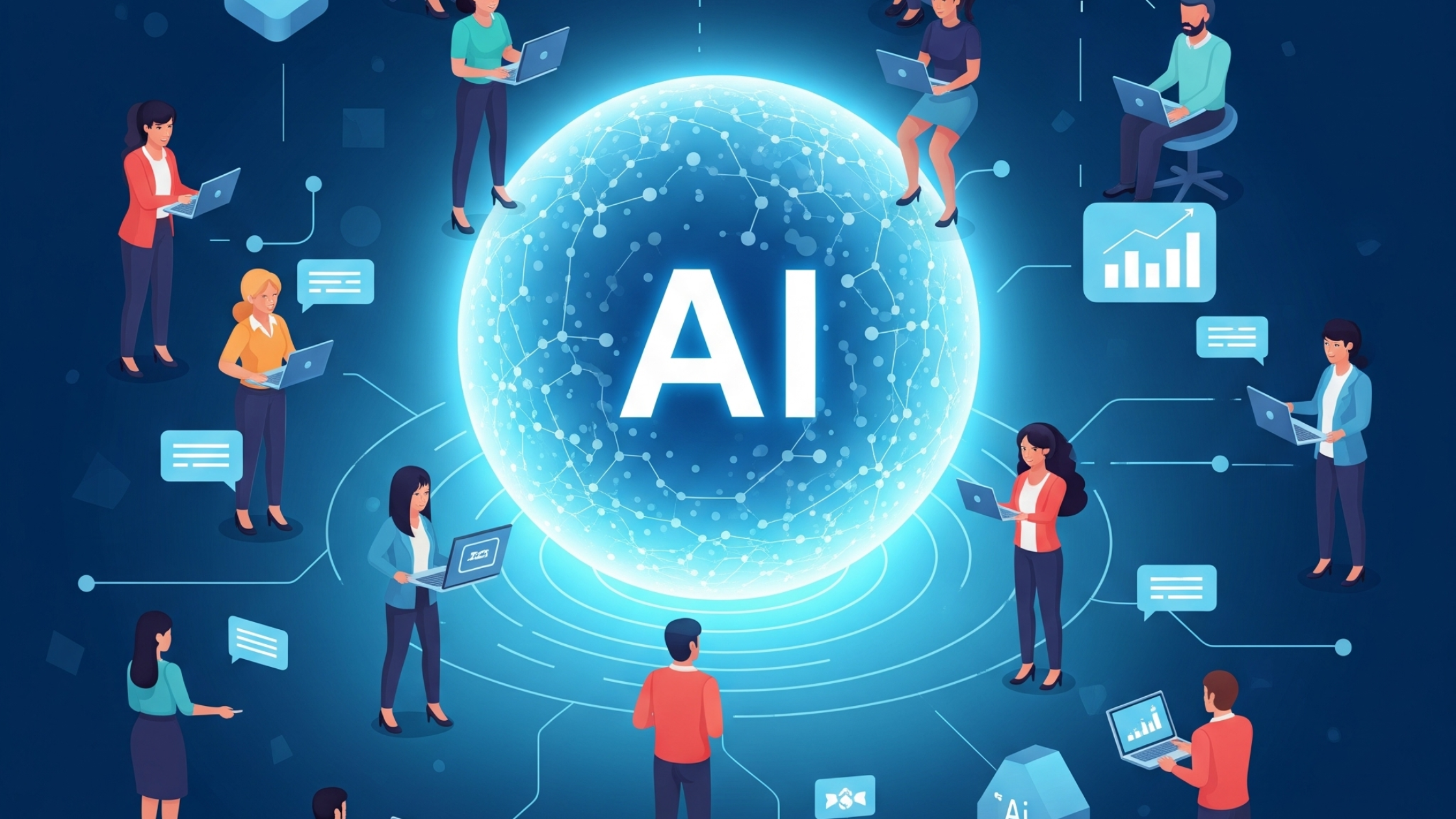
Harmonizing Human Insight and AI Precision: A New Era of Collaboration in the Workplace
Introduction
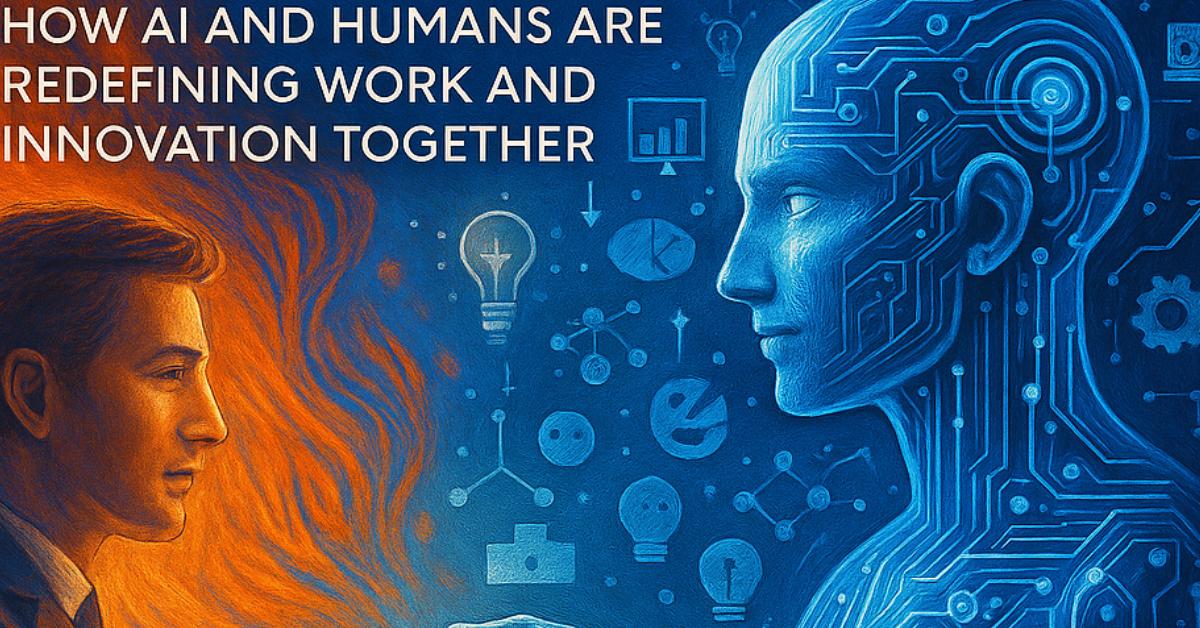
The rise of artificial intelligence (AI) has transformed the workplace landscape, prompting a re-evaluation of how humans and machines collaborate. Rather than viewing AI as a replacement for human roles, organizations are beginning to recognize the potential for a synergistic relationship that leverages the strengths of both. This article explores the specific aspect of collaboration models in the workplace, illustrating how AI can enhance human insight and decision-making. By fostering a culture of collaboration, organizations can unlock new levels of innovation and efficiency.
The Evolving Role of Collaboration Models: Understanding Collaboration Models
Collaboration models define the frameworks through which individuals and teams interact to achieve common goals. In the context of AI, these models are evolving to incorporate advanced technologies that facilitate communication, streamline processes, and enhance creativity. Traditional collaboration often relies on face-to-face interactions and human intuition, but the integration of AI introduces new dynamics that can optimize teamwork.
For instance, AI-powered tools can analyze vast amounts of data to identify patterns and trends that may not be immediately apparent to human collaborators. This capability allows teams to make informed decisions based on data-driven insights rather than solely on instinct. As a result, organizations are increasingly adopting hybrid collaboration models that blend human creativity with AI precision.
Case Study: AI-Enhanced Project Management
One practical application of AI in collaboration models is in project management. Tools like Asana, Trello, and Monday.com have integrated AI features that assist teams in organizing tasks, predicting project timelines, and identifying potential bottlenecks. For example, AI algorithms can analyze past project data to forecast the time required for similar future tasks, allowing teams to plan more effectively.
In this scenario, humans bring their expertise and contextual understanding to the table, while AI provides analytical capabilities and efficiency. The result is a more streamlined project management process, where teams can focus on strategic decision-making rather than getting bogged down in administrative tasks. This collaboration model not only enhances productivity but also fosters a culture of continuous improvement.
Skills for the Future: Human-AI Collaboration: The Importance of Adaptability
As collaboration models evolve, so too must the skill sets of the workforce. In an AI-enhanced workplace, adaptability emerges as a critical competency. Employees must be willing to embrace new technologies and learn how to work alongside AI systems effectively. This adaptability extends beyond technical skills; it encompasses a mindset that values innovation and openness to change.
Organizations can facilitate this adaptability by investing in training programs that emphasize the importance of human-AI collaboration. Workshops, seminars, and hands-on training can equip employees with the skills necessary to thrive in a hybrid work environment. For example, teaching employees how to interpret AI-generated insights and integrate them into their decision-making processes can significantly enhance collaboration.
Emotional Intelligence and AI
In addition to technical skills, emotional intelligence (EI) is becoming increasingly important in the context of AI collaboration. While AI excels at data analysis and predictive modeling, it lacks the ability to understand human emotions and social dynamics. Consequently, employees who possess strong emotional intelligence can bridge the gap between AI insights and human interactions.
For instance, in customer service roles, AI chatbots can handle routine inquiries, but human agents are essential for addressing complex issues that require empathy and understanding. Training employees to recognize when to rely on AI and when to engage personally with customers can lead to a more satisfying customer experience. This balance between AI efficiency and human touch exemplifies the collaborative potential of the future workplace.
Overcoming Challenges in Human-AI Collaboration: Addressing Resistance to Change
Despite the numerous benefits of AI integration, resistance to change remains a significant barrier to effective collaboration. Employees may fear job displacement or feel overwhelmed by new technologies. Organizations must acknowledge these concerns and proactively address them through transparent communication and support.
Leadership plays a crucial role in fostering a culture that embraces AI as a collaborative partner rather than a competitor. By highlighting success stories of human-AI collaboration within the organization, leaders can inspire confidence and motivate employees to engage with new technologies. Furthermore, involving employees in the AI implementation process can help alleviate fears and build a sense of ownership.
Ensuring Ethical AI Use
As organizations increasingly rely on AI, ethical considerations must also be at the forefront of collaboration models. Ensuring that AI systems are designed and used responsibly is essential to maintaining trust among employees and customers alike. This includes addressing issues such as data privacy, algorithmic bias, and transparency in decision-making processes.
To promote ethical AI use, organizations should establish clear guidelines and frameworks for AI implementation. Engaging diverse teams in the development and oversight of AI systems can help mitigate biases and ensure that AI tools align with the organization’s values. By prioritizing ethical considerations, companies can create a collaborative environment where humans and AI can work together harmoniously.
Conclusion
The era of human-AI collaboration presents both challenges and opportunities for the modern workplace. By embracing new collaboration models that leverage the strengths of both humans and AI, organizations can enhance productivity, foster innovation, and create a more adaptive workforce. As employees develop the skills necessary for effective collaboration, they will be better positioned to navigate the complexities of the future workplace. Ultimately, the key to success lies in harmonizing human insight with AI precision, paving the way for a new era of collaboration that benefits everyone involved.