

Exploring the Versatile Applications of Multimodal AI in Enhancing User Experience and Engagement
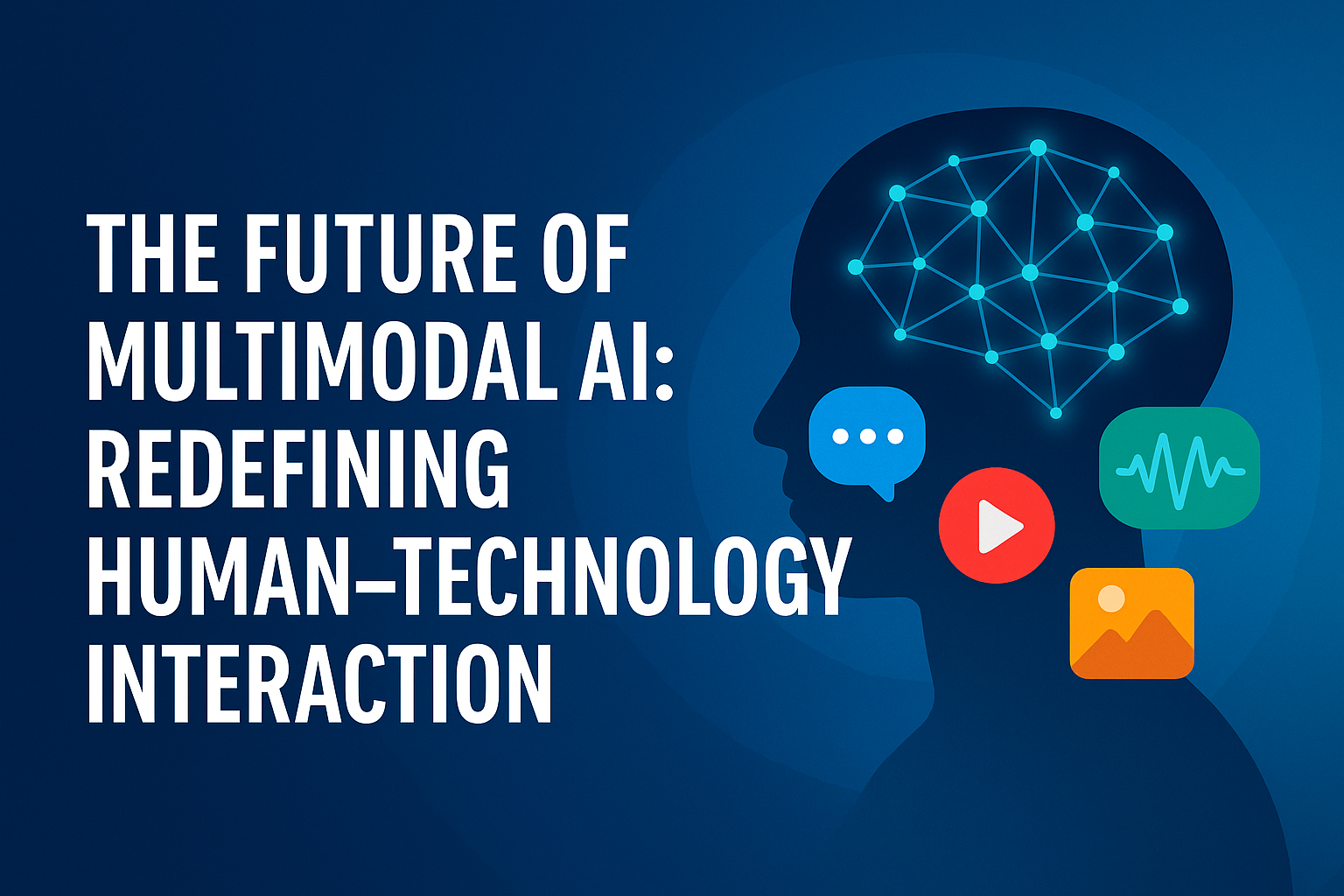
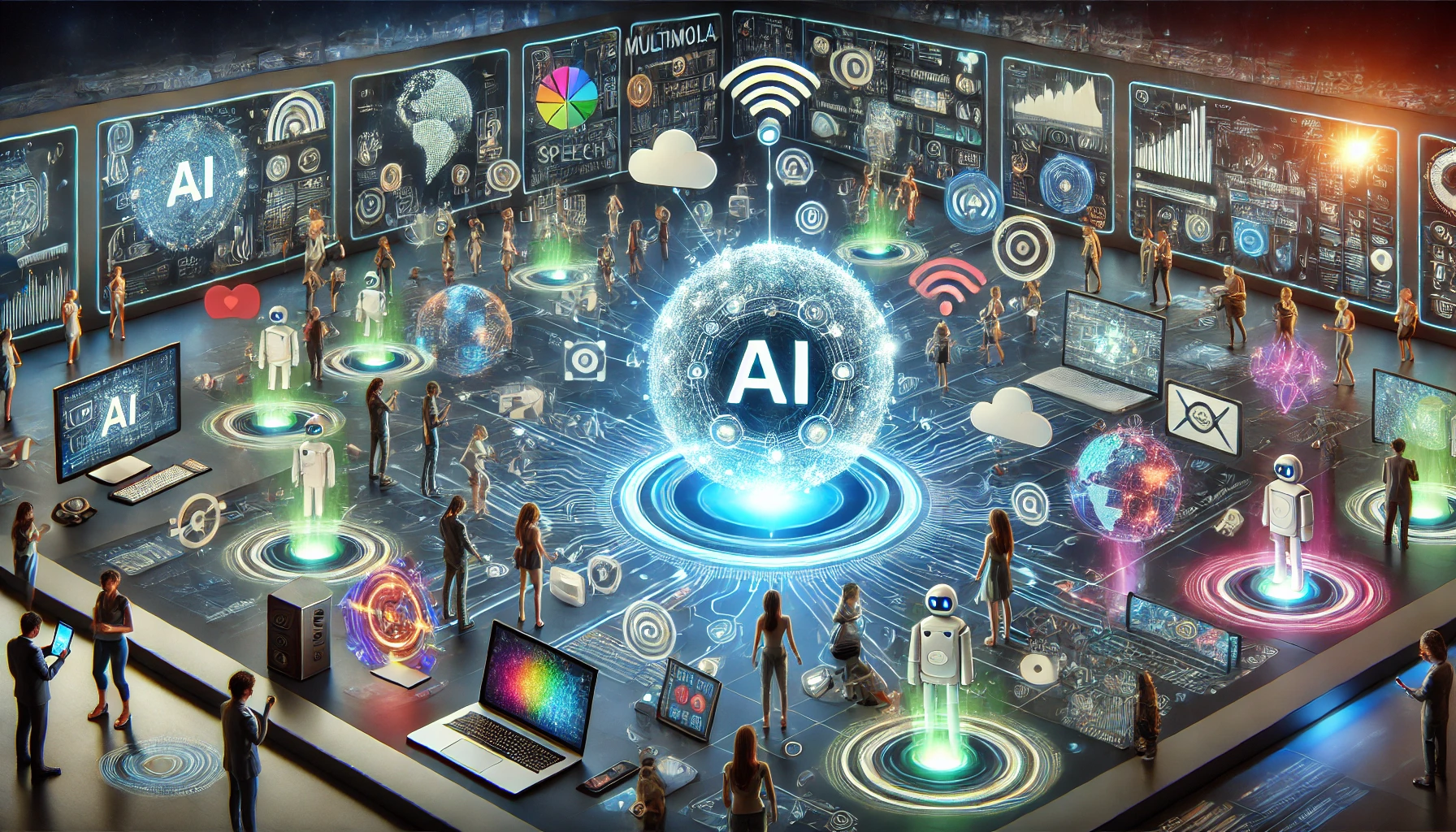
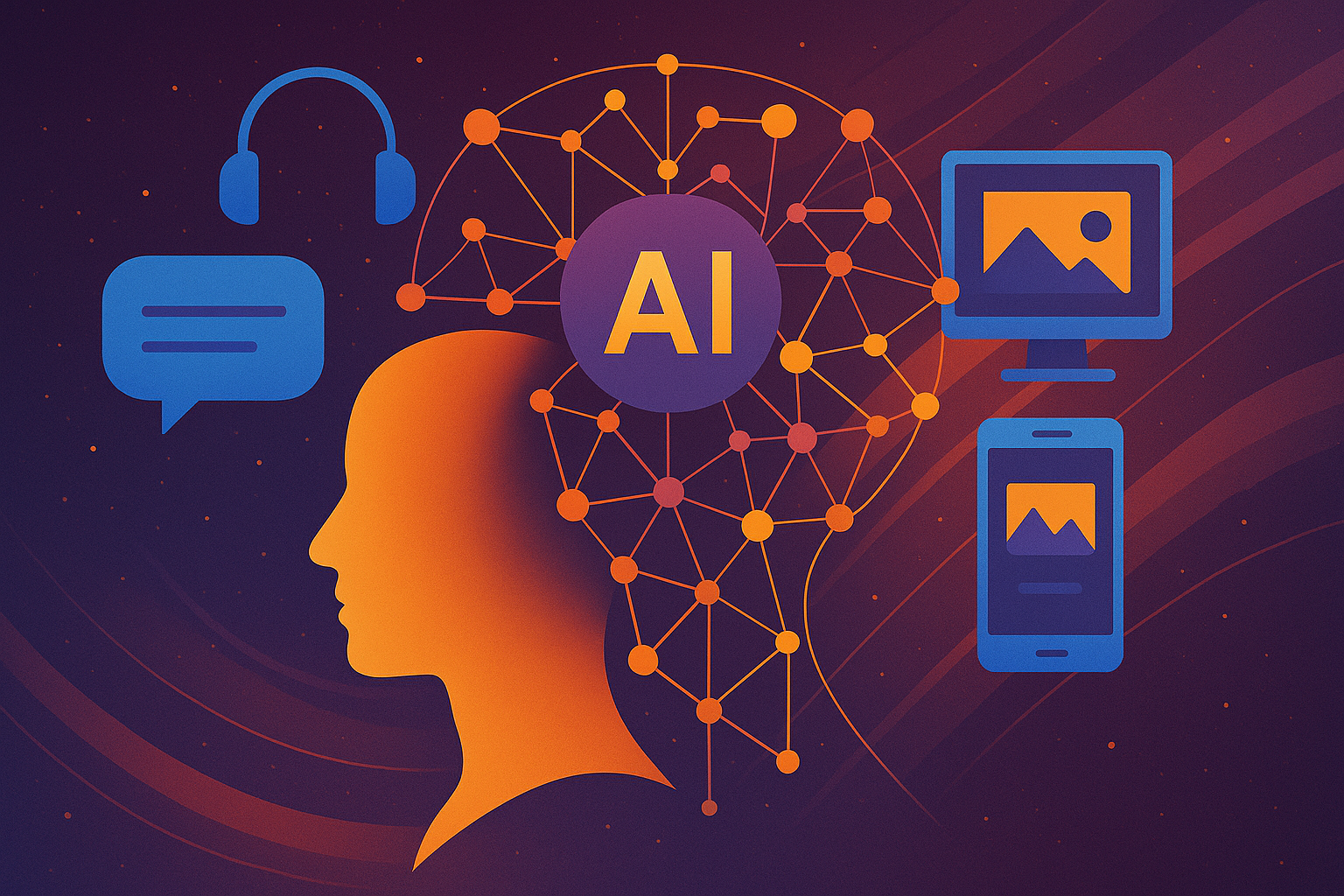
In an era marked by rapid technological advancements, the integration of artificial intelligence (AI) into various facets of our daily lives has become increasingly sophisticated. Among the most promising developments in this domain is multimodal AI, which leverages multiple forms of data—such as text, images, audio, and video—to create a more holistic understanding of information. This article delves into the intricacies of multimodal AI, its significance in enhancing user experience and engagement, and the technical challenges that come with its implementation. Additionally, we will compare notable architectures like CLIP and DALL-E, providing a glimpse into the future potential of this innovative technology.
Understanding Multimodal AI
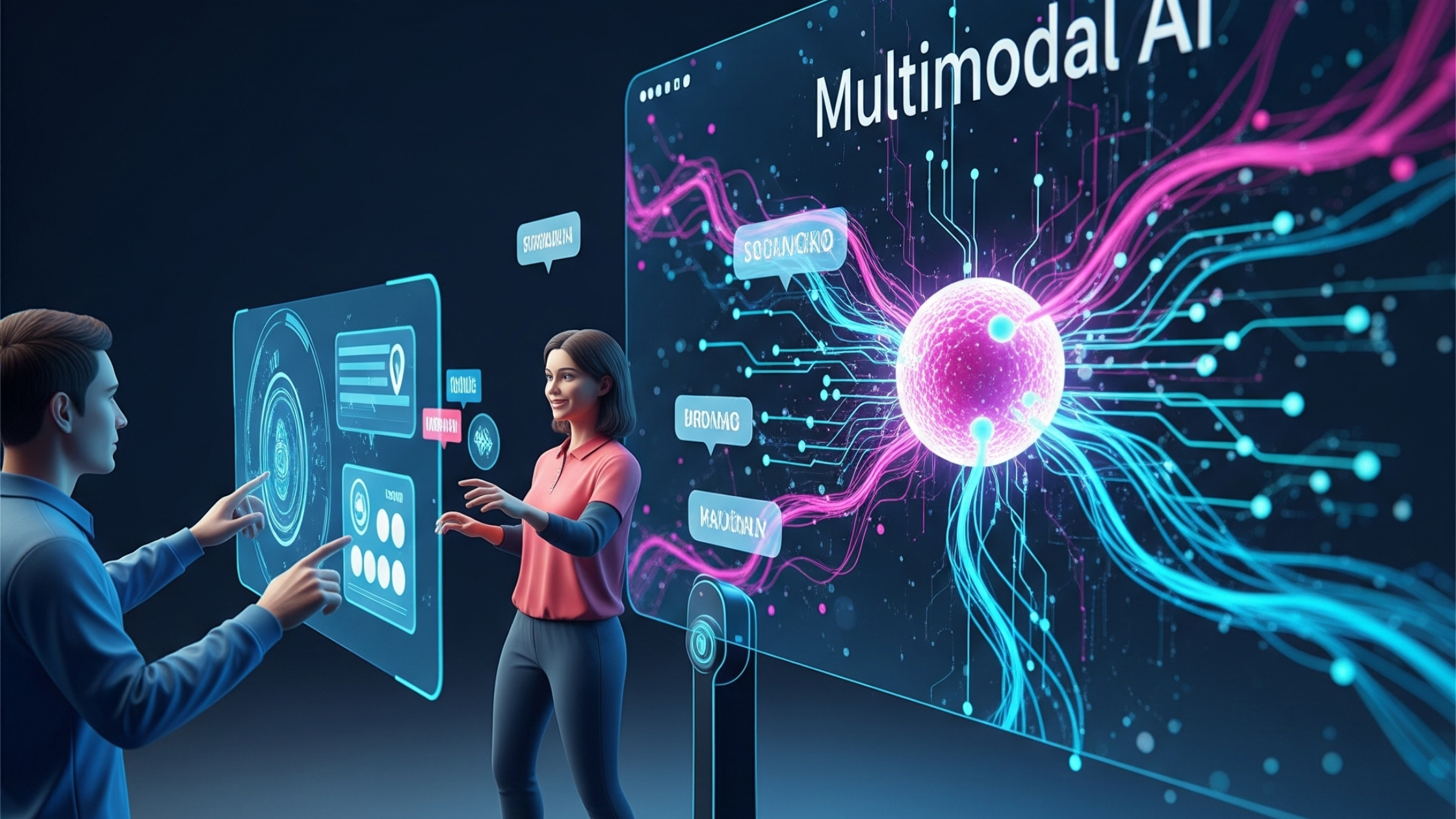
At its core, multimodal AI refers to the ability of an AI system to process and understand information from various modalities simultaneously. Traditional AI models often focus on a single type of data, such as text or images. However, multimodal AI systems can analyze and draw insights from diverse inputs, allowing for richer and more nuanced interactions.
For instance, consider a multimodal AI application designed for customer service. By integrating text-based chat (natural language processing) with voice recognition (audio processing) and visual recognition (image processing), the AI can provide a more comprehensive and personalized response to user inquiries. This multifaceted approach not only enhances user satisfaction but also fosters deeper engagement by tailoring interactions to individual preferences.
The importance of multimodal AI lies in its ability to reflect the complexity of human communication. People naturally combine various forms of expression—spoken language, gestures, and visual cues—when interacting. Multimodal AI seeks to replicate this natural behavior, making it an essential tool for creating more intuitive and effective user experiences.
Technical Challenges in Multimodal AI
Despite its immense potential, the development of multimodal AI faces several technical challenges. One of the primary issues is the integration of different modalities. Each data type has its unique characteristics, which can complicate the processing and analysis. For example, text is inherently sequential, while images are spatial. Merging these modalities in a cohesive manner requires sophisticated algorithms that can effectively bridge the gap between different forms of data.
Moreover, the training of multimodal AI models necessitates large, diverse datasets that encompass the various modalities. Collecting and curating such datasets can be resource-intensive and time-consuming. Furthermore, ensuring that the data is well-aligned—meaning that corresponding text, images, and audio are accurately paired—is crucial for effective learning. Misalignment can lead to poor model performance, undermining the very benefits that multimodal AI aims to deliver.
Another challenge lies in the interpretability of multimodal models. As these systems become more complex, understanding how they arrive at specific conclusions or recommendations can become increasingly opaque. This lack of transparency can hinder trust and adoption, especially in sensitive applications such as healthcare or finance, where users may be reluctant to rely on a “black box” system.
Comparing Architectures: CLIP and DALL-E
To illustrate the advancements in multimodal AI, it is essential to examine notable architectures such as CLIP (Contrastive Language–Image Pretraining) and DALL-E (a portmanteau of Salvador Dalí and Pixar’s WALL-E). Both models, developed by OpenAI, showcase the capabilities of multimodal AI and its applications in creative fields.
CLIP is designed to understand images and text simultaneously. By training on a vast dataset of images paired with descriptive text, CLIP learns to associate visual concepts with their corresponding textual representations. This capability allows users to perform tasks like zero-shot classification, where the model can identify images based on textual descriptions it has never encountered before. The implications for user engagement are profound, as CLIP enables more intuitive search functionalities and enhances content recommendations based on user queries.
DALL-E, on the other hand, takes a more creative approach by generating images from textual descriptions. Users can input a phrase, and DALL-E produces a unique image that embodies the essence of that phrase. This functionality opens up new avenues for creativity and expression, allowing users to visualize concepts that may not exist in reality. The potential applications range from marketing and advertising to art and design, where the ability to generate tailored visuals can significantly enhance user engagement.
While both models exhibit the power of multimodal AI, they also highlight the ongoing challenges in the field. For instance, ensuring that the generated content aligns with ethical standards and does not perpetuate biases is a critical concern. As these technologies continue to evolve, addressing such challenges will be paramount to their successful integration into everyday applications.
Future Potential of Multimodal AI
The future of multimodal AI appears promising, with numerous applications poised to transform user experiences across various industries. In healthcare, for instance, multimodal AI could analyze patient data from electronic health records, medical imaging, and patient communications to deliver personalized treatment recommendations. By synthesizing information from multiple sources, healthcare providers can make more informed decisions, ultimately improving patient outcomes.
In education, multimodal AI can enhance learning experiences by tailoring content to individual learning styles. By analyzing students’ interactions across text, video, and audio, educators can create customized learning paths that cater to each student’s strengths and weaknesses. This personalized approach not only fosters engagement but also promotes a deeper understanding of complex subjects.
Furthermore, the entertainment industry stands to benefit significantly from multimodal AI. By analyzing viewer preferences across different media types, streaming platforms can provide more accurate recommendations, enhancing user satisfaction. Additionally, content creators can leverage multimodal AI tools for ideation and production, streamlining the creative process and pushing the boundaries of storytelling.
Conclusion
Multimodal AI represents a significant leap forward in the realm of artificial intelligence, offering a more holistic approach to understanding and interacting with information. By integrating multiple data types, these systems can enhance user experiences and engagement in various domains, from customer service to healthcare and entertainment. Despite the technical challenges that remain, the future potential of multimodal AI is vast, promising innovations that will reshape how we communicate, learn, and create.
In summary, as we continue to explore the capabilities of multimodal AI, it is essential to address the ethical considerations and technical hurdles that accompany this technology. By doing so, we can unlock its full potential and pave the way for a more interconnected and engaging digital landscape.