



Exploring the Multifaceted World of AI Multimodal Innovations and Their Impact on Interaction
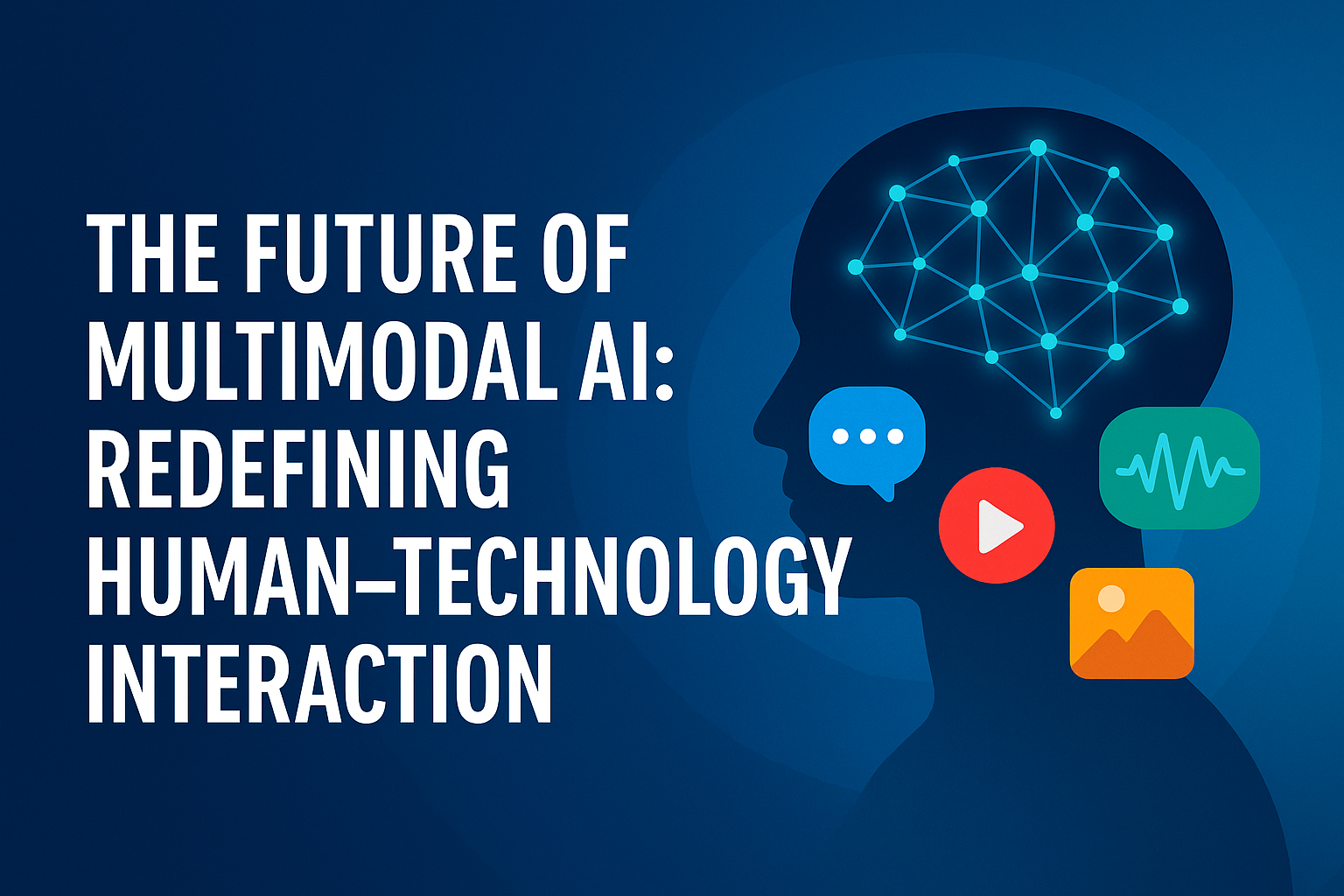
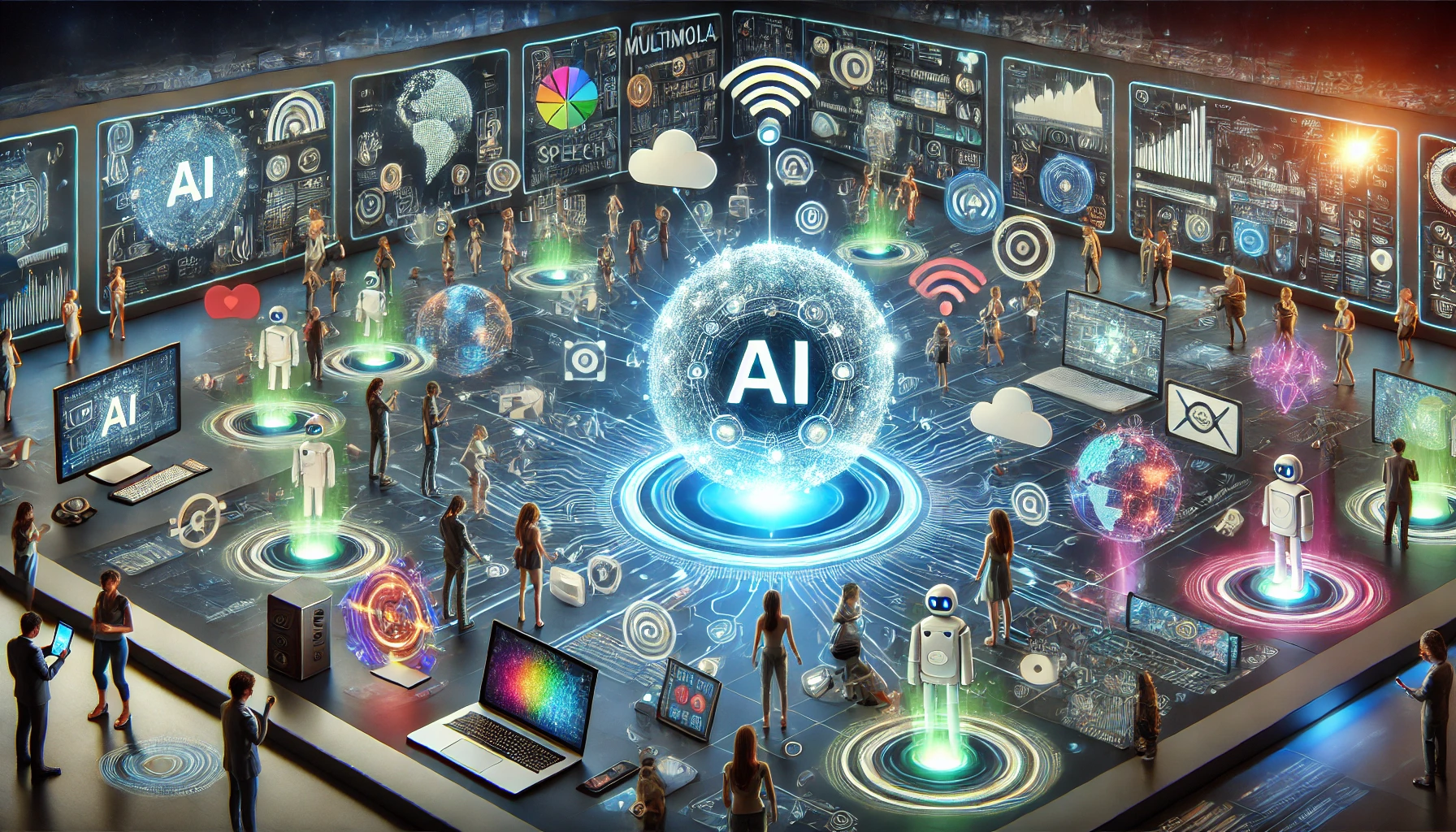
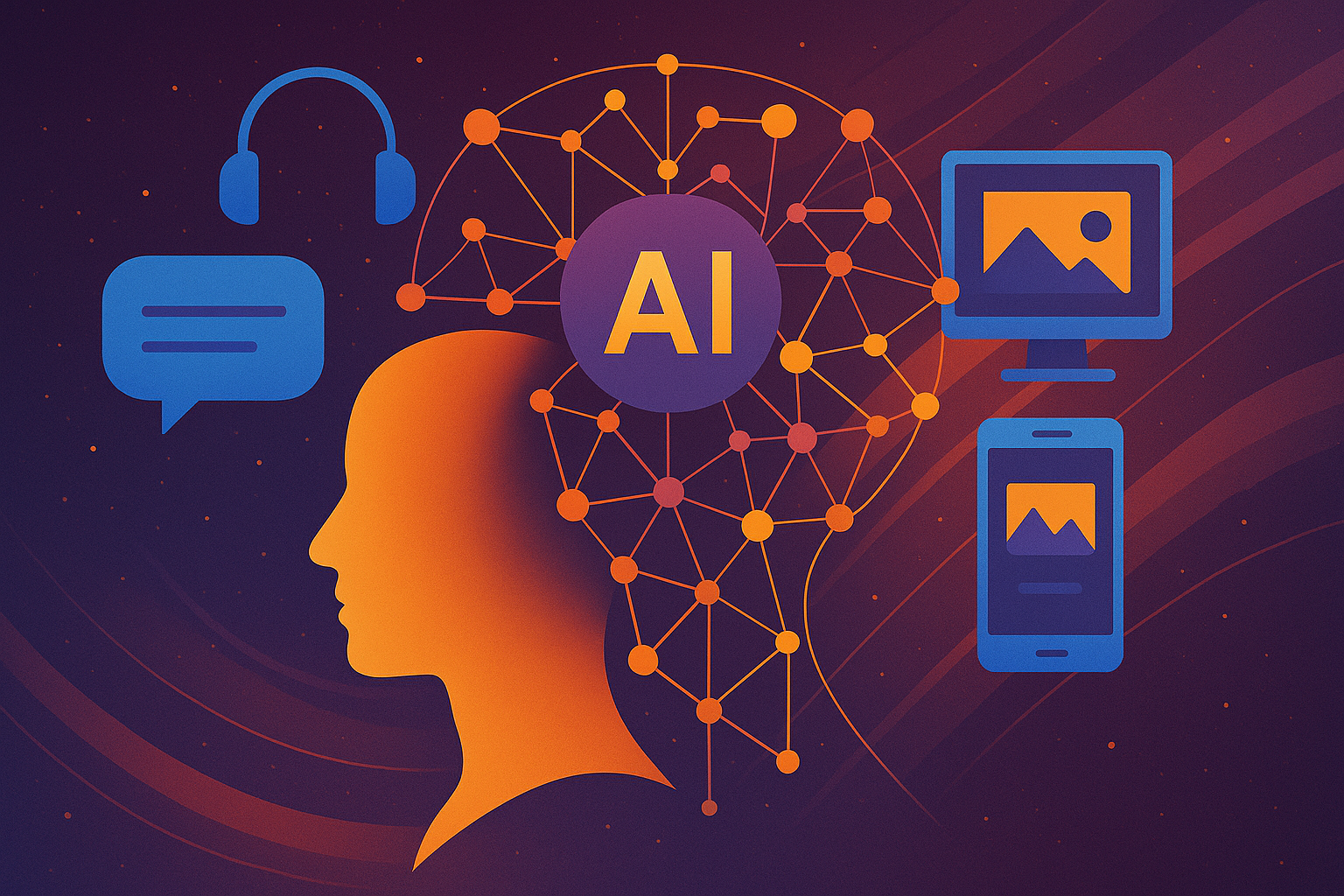
Artificial Intelligence (AI) has rapidly evolved over the past few years, leading to innovations that reshape the way we interact with technology. Among these advancements, multimodal AI stands out as a transformative force. By integrating various forms of data—such as text, images, audio, and video—multimodal AI systems are capable of understanding and generating information in a way that closely resembles human cognition. This article delves into the workings, applications, and challenges of multimodal AI, shedding light on how it is revolutionizing human-computer interaction.
Understanding Multimodal AI
To appreciate the impact of multimodal AI, it is essential to grasp its foundational principles. At its core, multimodal AI refers to systems that can process and analyze multiple types of data simultaneously. Traditional AI models often specialize in one modality, such as natural language processing (NLP) for text or computer vision for images. However, multimodal AI integrates these modalities, allowing for a richer understanding of context and meaning.
How Multimodal AI Works
The functioning of multimodal AI hinges on the integration of diverse data streams. Typically, these systems employ deep learning techniques, particularly neural networks, to extract features from each modality. For instance, a multimodal AI system analyzing a video would extract visual features from the frames, audio features from the soundtrack, and textual features from any accompanying subtitles or descriptions.
The process begins with data preprocessing, where raw data is transformed into a format suitable for analysis. This may involve techniques such as tokenization for text, normalization for audio, and resizing for images. Following preprocessing, feature extraction occurs, where the system identifies key characteristics within each modality. Finally, these features are fused together through various methods—such as concatenation or attention mechanisms—enabling the AI to make informed decisions based on a comprehensive understanding of the input.
Applications of Multimodal AI
The applications of multimodal AI are vast and varied, spanning industries from healthcare to entertainment. Here are some noteworthy examples:
1. Healthcare Diagnostics: In medical imaging, multimodal AI can analyze both images (such as X-rays or MRIs) and patient history (textual data) to provide more accurate diagnoses. For instance, a system could assess an X-ray while considering the patient’s symptoms described in text form, leading to a more holistic view of the patient’s condition.
2. Enhanced User Interfaces: In the realm of user experience, multimodal AI is paving the way for more intuitive interfaces. Voice-activated assistants, like Amazon’s Alexa or Apple’s Siri, utilize multimodal capabilities by combining voice recognition with visual displays. This allows users to receive information through both auditory and visual means, enhancing engagement and understanding.
3. Content Creation: In creative fields, multimodal AI tools are being developed to assist in content generation. For example, AI can generate videos by analyzing scripts (text), selecting relevant images, and even creating audio tracks. This capability not only accelerates the content creation process but also allows for a more cohesive narrative by integrating various forms of media seamlessly.
4. Education: In educational technology, multimodal AI can personalize learning experiences by analyzing a student’s interactions across different modalities. For instance, an AI tutor might assess a student’s spoken responses, written assignments, and engagement with video content to tailor lessons that cater to their unique learning style.
Challenges and Considerations
Despite the promising applications of multimodal AI, several challenges must be addressed to fully harness its potential. One significant issue is data integration. Different modalities may have varying formats, resolutions, and quality levels, complicating the feature extraction and fusion processes. Ensuring that the data from each modality is harmonized is crucial for effective analysis.
Another challenge lies in the interpretability of multimodal models. While traditional models can often be understood through their individual components, multimodal systems can become complex and opaque. This lack of transparency poses difficulties in debugging and refining AI algorithms, as well as in gaining user trust.
Moreover, ethical considerations surrounding data privacy and bias must be taken into account. Multimodal systems often rely on large datasets that may inadvertently contain biased information, leading to skewed outcomes. Ensuring fairness and accountability in AI systems is paramount, particularly as they increasingly inform decision-making processes.
Conclusion
The emergence of multimodal AI marks a significant milestone in the evolution of artificial intelligence. By integrating diverse data types, these systems offer a more nuanced understanding of information, leading to enhanced interactions between humans and machines. As we continue to explore the capabilities and implications of multimodal innovations, it is crucial to navigate the associated challenges thoughtfully. By addressing issues of data integration, interpretability, and ethical considerations, we can unlock the full potential of multimodal AI, paving the way for a future where technology and human interaction are seamlessly intertwined.