


Envisioning the AI-Driven Future: Trends and Innovations Shaping Tomorrow’s World
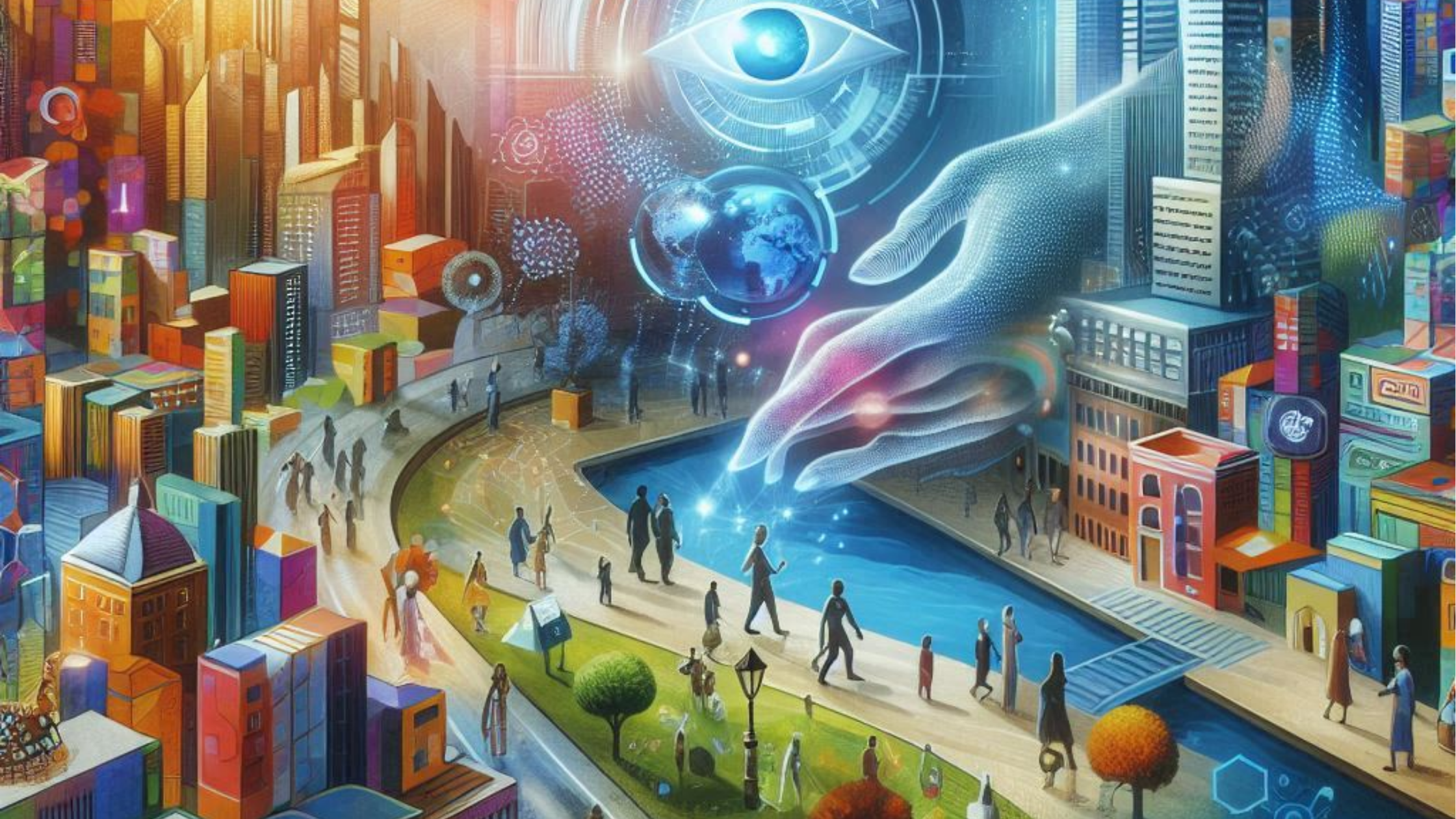
As artificial intelligence (AI) continues to evolve at a staggering pace, its influence permeates various sectors, reshaping industries and redefining the boundaries of human capability. The trajectory of AI development suggests a future where intelligent systems augment human potential, streamline processes, and even tackle some of the most pressing challenges facing society today. In this article, we will explore the trends and innovations that are expected to shape an AI-driven future, focusing on three key areas: industry transformation, ethical considerations, and the enhancement of everyday life.
Industry Transformation: The New Workforce Paradigm
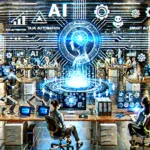
Remarkably, AI is poised to revolutionize industries by ushering in a new era of productivity and efficiency. Automation, powered by advanced algorithms and machine learning, will redefine the workforce landscape. Manufacturing sectors are already witnessing the deployment of AI-driven robots capable of performing complex tasks with precision. These robots not only reduce costs but also enhance output quality, leading to a more competitive market.
In addition to manufacturing, the healthcare industry is undergoing a significant transformation due to AI innovations. Predictive analytics powered by AI can analyze vast amounts of patient data, enabling healthcare providers to make informed decisions and improve patient outcomes. With the help of AI, early diagnosis of diseases such as cancer can become more accurate, ultimately saving lives. Furthermore, AI algorithms can assist in drug discovery, accelerating the development of new treatments and therapies.
Notably, the financial sector is also embracing AI technologies to enhance decision-making and risk assessment. Algorithms can analyze market trends in real-time, providing insights that were previously unattainable. This capability allows financial institutions to personalize services, manage investments more effectively, and mitigate risks associated with market fluctuations. As AI continues to evolve, its integration into various industries will redefine operational norms, creating a more agile and responsive economic landscape.
Ethical Considerations: Navigating the AI Dilemma
While the potential of AI is immense, it raises significant ethical considerations that must be addressed to ensure a balanced and equitable future. The deployment of AI systems often leads to concerns regarding privacy, security, and bias. As data becomes the lifeblood of AI, the collection and utilization of personal information must be handled with utmost care. Striking a balance between innovation and ethical responsibility is crucial to maintaining public trust in AI technologies.
Moreover, the question of bias in AI algorithms is a pressing issue that cannot be overlooked. Algorithms trained on biased data can perpetuate existing inequalities and discrimination. For instance, facial recognition technologies have faced criticism for their inaccuracies and racial biases. Addressing these biases requires a concerted effort from developers, policymakers, and society to ensure that AI systems are designed and trained with fairness in mind. The development of ethical guidelines and standards for AI deployment will be paramount in mitigating these risks.
In light of these challenges, many organizations are beginning to prioritize ethical AI practices. Initiatives aimed at fostering transparency and accountability in AI development are gaining traction. By establishing frameworks that promote responsible AI use, stakeholders can work collaboratively to navigate the complexities of AI ethics. This proactive approach will not only enhance the credibility of AI technologies but also pave the way for their broader acceptance and integration into society.
Enhancing Everyday Life: AI as a Personal Assistant
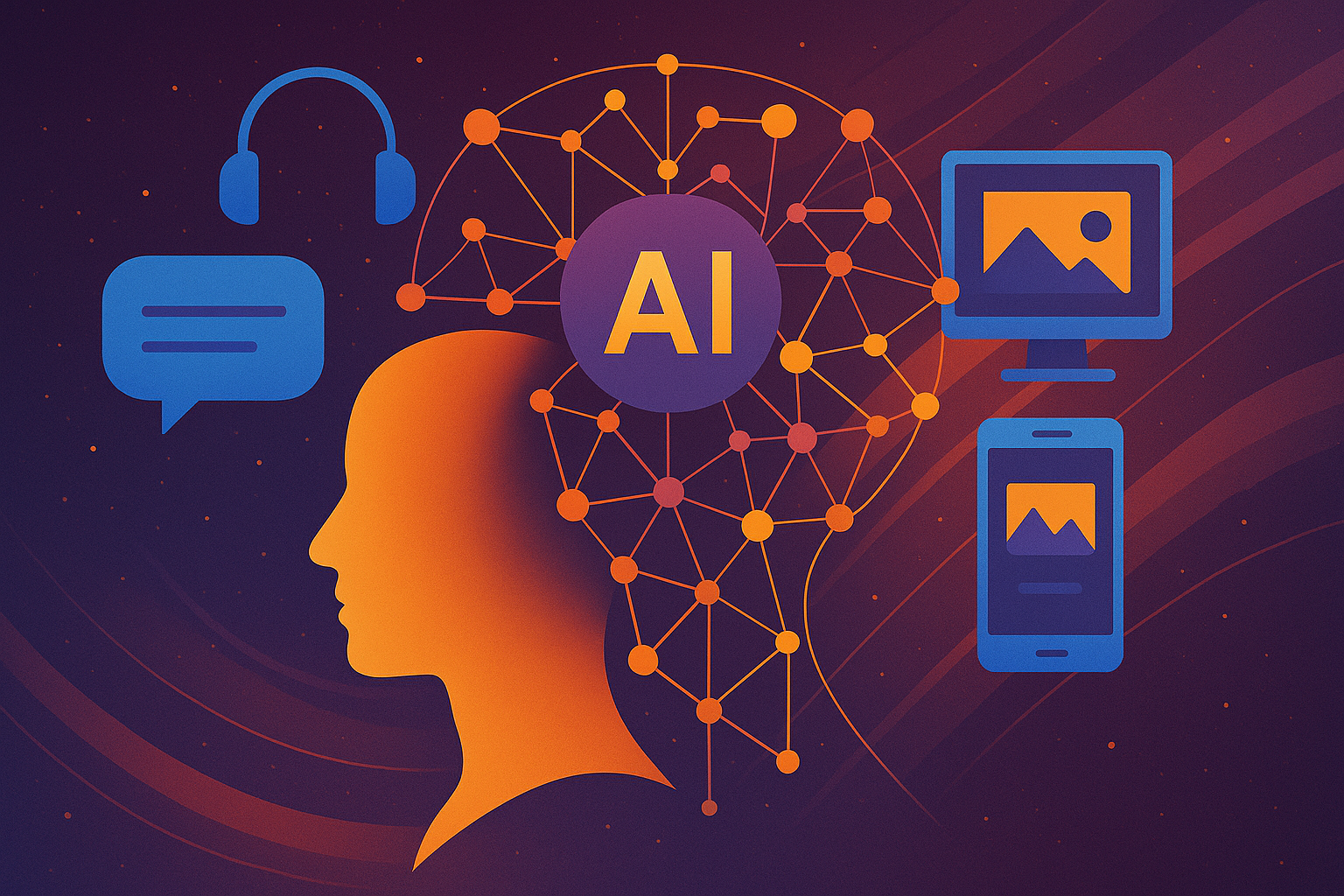
Beyond industrial applications, AI is set to revolutionize everyday life, transforming how individuals interact with technology and each other. The emergence of AI-driven personal assistants, such as chatbots and virtual agents, is already changing the way people access information and services. These intelligent systems can provide instant responses to queries, streamline customer service interactions, and facilitate seamless transactions.
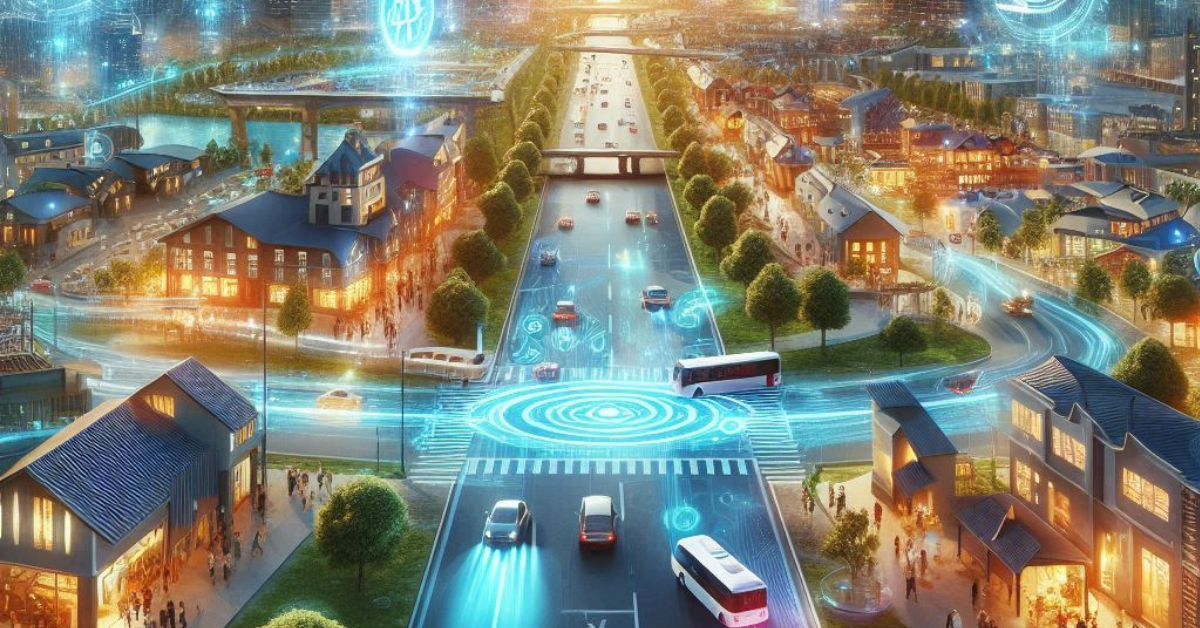
In the realm of smart homes, AI technology is making strides in enhancing convenience and energy efficiency. Home automation systems powered by AI can learn user preferences and adjust settings accordingly, optimizing energy consumption while providing comfort. For instance, smart thermostats can analyze usage patterns and adjust heating or cooling in real-time, leading to significant cost savings and a reduced carbon footprint.
Furthermore, the integration of AI into education is poised to personalize learning experiences for students. Adaptive learning platforms can analyze individual performance and tailor educational content to meet specific needs. This personalized approach not only enhances engagement but also allows educators to identify areas where students may require additional support. As AI continues to advance, its role in education will likely expand, fostering a more inclusive and effective learning environment.
A Future Driven by Collaboration
In conclusion envisioning the AI-driven future necessitates an understanding of the trends and innovations that will shape our world. From transforming industries to addressing ethical dilemmas and enhancing everyday life, AI holds the potential to redefine human experiences. However, realizing this potential requires a collaborative effort among technologists, policymakers, and society at large.
As we navigate this evolving landscape, it is essential to prioritize ethical considerations and ensure that AI serves as a tool for empowerment rather than division. By fostering a culture of transparency and accountability, we can harness the benefits of AI while mitigating its risks. Ultimately, the future of AI is not solely about technology; it is about the collective human endeavor to create a better, more equitable world. Embracing this vision will enable us to fully realize the transformative power of AI in the years to come.