




Enhancing Your Writing Skills: The Role of AI in Modern Content Creation and Storytelling Techniques
The landscape of content creation has transformed dramatically in recent years, largely due to advancements in artificial intelligence (AI). Writers, marketers, and content creators are increasingly leveraging AI tools to enhance their writing skills, streamline the content creation process, and develop compelling narratives. This article explores the multifaceted role AI plays in modern content creation and storytelling, providing insights into how these technologies can augment human creativity.
The Rise of AI in Content Creation
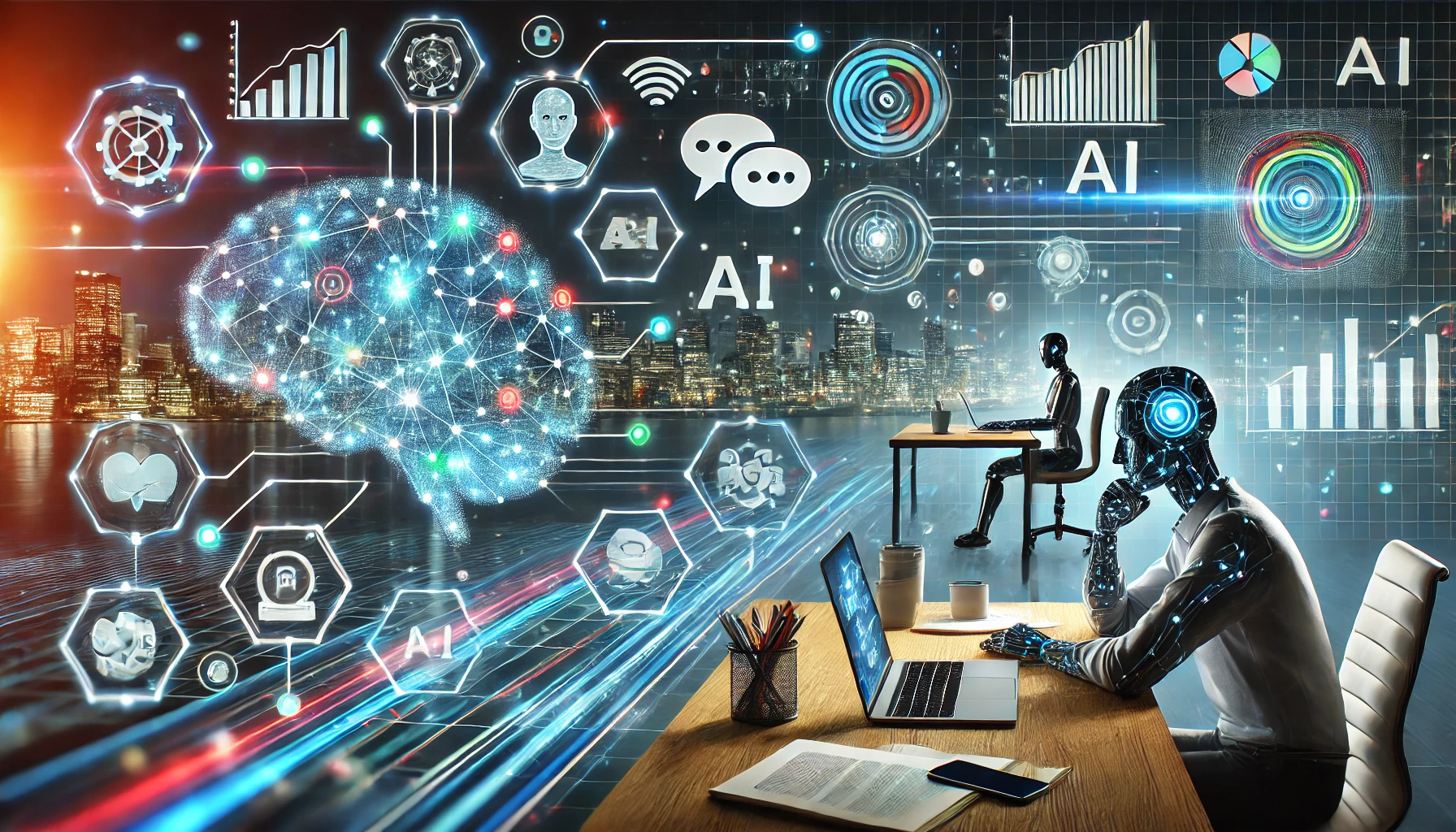
Artificial intelligence has become an integral part of the content creation ecosystem. Various AI-driven tools are now available, designed to assist writers in everything from ideation to editing. These tools can analyze vast amounts of data, identify trends, and generate content that resonates with target audiences. By harnessing machine learning algorithms, AI can produce articles, blogs, and social media posts that are not only coherent but also tailored to specific demographics.
One of the most significant advantages of using AI in writing is its ability to enhance productivity. Writers often face the daunting task of meeting tight deadlines while maintaining high-quality output. AI tools can automate repetitive tasks, such as keyword research and SEO optimization, allowing writers to focus more on the creative aspects of their work. In this way, AI serves as a valuable partner, helping writers navigate the complexities of modern content demands.
Additionally, AI can provide insights into audience preferences and behaviors. By analyzing data from social media interactions, website traffic, and user engagement, AI tools can help writers craft content that is more likely to resonate with their intended audience. This data-driven approach not only enhances the relevance of the content but also empowers writers to make informed decisions about their writing strategies.
Enhancing Creativity Through AI Assistance
While some may argue that AI could stifle creativity, the opposite is often true. Writers can utilize AI as a source of inspiration, generating new ideas and perspectives that they might not have considered otherwise. For instance, AI tools can suggest topics based on trending keywords or emerging themes in a particular niche. This capability enables writers to stay ahead of the curve and produce content that is timely and engaging.
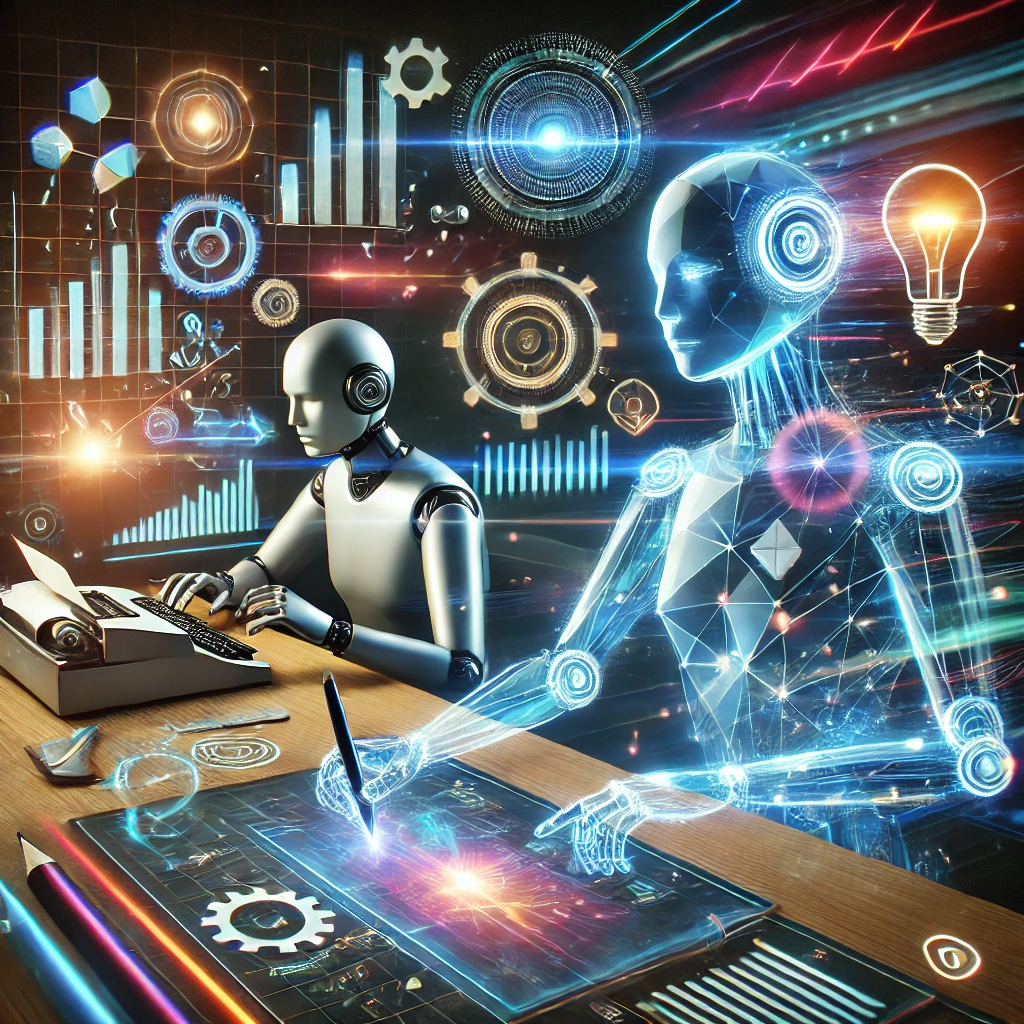
Moreover, AI can assist in the brainstorming process. By offering prompts or outlining potential story arcs, AI tools can help writers break through creative blocks. This collaborative dynamic between human creativity and AI-generated suggestions fosters an environment where innovative ideas can flourish. Writers can experiment with different styles and formats, pushing the boundaries of traditional storytelling techniques.
In the realm of storytelling, AI can also analyze narrative structures and character development. By studying successful stories across various genres, AI can provide writers with insights into effective storytelling techniques. This can include identifying common themes, character archetypes, and plot devices that resonate with audiences. As a result, writers can refine their craft by incorporating these elements into their own narratives, ultimately enhancing the quality of their storytelling.
The Future of AI in Writing and Content Creation
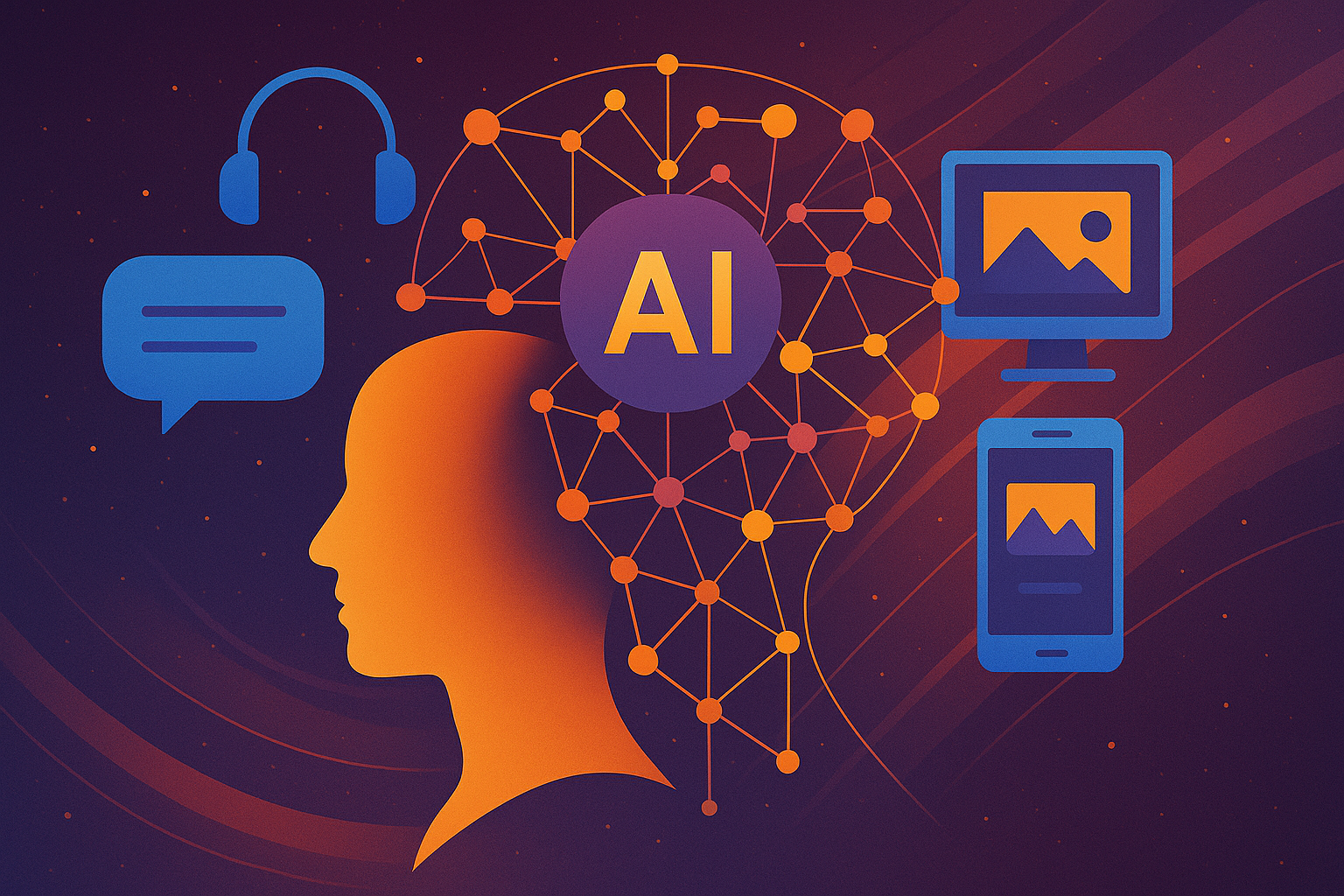
Looking ahead, the role of AI in writing and content creation is poised to evolve even further. As natural language processing (NLP) and machine learning technologies continue to advance, AI will become increasingly adept at understanding context, tone, and nuance in writing. This evolution will enable AI tools to produce more sophisticated content that aligns closely with human emotions and intentions.
Moreover, ethical considerations surrounding AI-generated content will play a crucial role in shaping the future of content creation. As AI tools become more prevalent, writers and content creators must navigate the challenges of authenticity and originality. Ensuring that AI-generated content adheres to ethical standards and maintains a human touch will be essential in preserving the integrity of storytelling.
Collaboration between AI and human writers will likely become the norm rather than the exception. Rather than replacing human creativity, AI will serve as a catalyst for innovation, allowing writers to explore new dimensions of their craft. The integration of AI into writing processes will create a symbiotic relationship where both human insight and machine intelligence contribute to the creation of high-quality content.
In conclusion, the role of AI in modern content creation and storytelling techniques is multifaceted and continually evolving. By enhancing productivity, fostering creativity, and providing valuable insights, AI tools have become indispensable resources for writers. As the landscape of writing continues to change, embracing AI as a collaborative partner will empower writers to refine their skills and produce compelling narratives that captivate audiences. The future of writing is not just about technology; it’s about the harmonious blend of human creativity and artificial intelligence that will redefine the art of storytelling.