
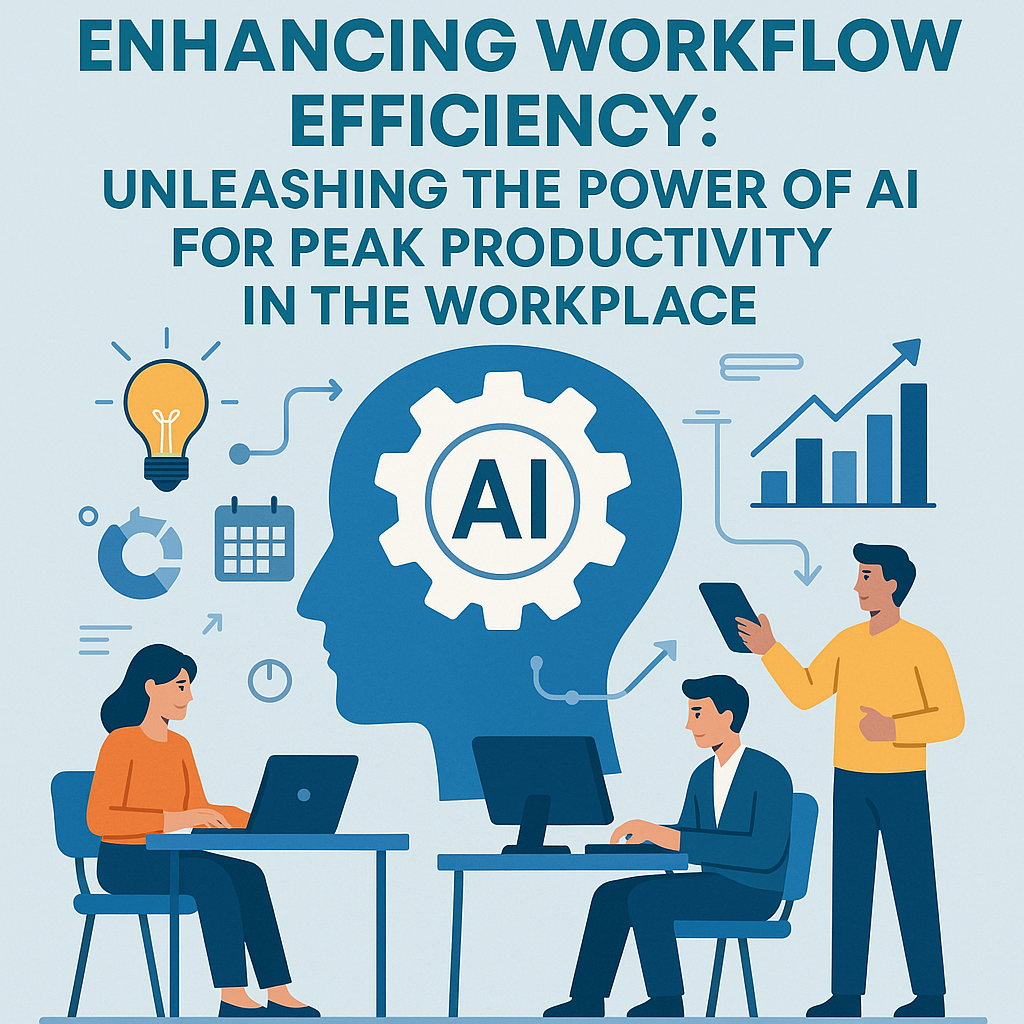
Enhancing Workflow Efficiency: Unleashing the Power of AI for Peak Productivity in the Workplace
In the ever-evolving landscape of remote work, organizations and individuals alike are constantly seeking tools and strategies to enhance productivity and streamline workflows. One of the most transformative advancements in this domain is the integration of artificial intelligence (AI) into personal knowledge management systems (PKMS). Tools like Notion AI and Mem are at the forefront of this revolution, offering innovative solutions that empower users to manage information, collaborate seamlessly, and optimize their daily tasks. This article delves into how these AI-powered systems are reshaping the remote work experience and driving peak productivity.
Understanding Personal Knowledge Management Systems
Personal Knowledge Management Systems are designed to help individuals capture, organize, and retrieve information effectively. In a remote work context, where communication and collaboration often rely on digital platforms, the ability to manage knowledge efficiently becomes paramount. Traditional PKMS may include note-taking apps, document storage solutions, and task management tools. However, the integration of AI takes these systems to a whole new level.
The Role of AI in PKMS
AI enhances PKMS by offering features that automate repetitive tasks, improve information retrieval, and facilitate collaboration. Here are some key functionalities that AI brings to personal knowledge management:
1. Smart Organization: AI algorithms can analyze user behavior and categorize information intelligently. This means that documents, notes, and tasks can be organized based on relevance and usage patterns, reducing the time spent searching for information.
2. Natural Language Processing (NLP): AI-powered PKMS utilize NLP to understand and process human language. This allows users to interact with the system more intuitively, whether through voice commands or typed queries. For instance, users can ask, “What are my tasks for today?” and receive an immediate, contextualized response.
3. Automated Insights: AI can analyze data trends and provide insights that help users make informed decisions. For example, it can highlight frequently accessed documents or suggest related notes based on a user’s current project, enabling a more efficient workflow.
4. Collaboration Tools: AI enhances collaboration by providing real-time updates and suggestions during team projects. Features like shared workspaces, comment threads, and task assignments become more dynamic with AI, facilitating smoother communication and collaboration among remote teams.
Notion AI: A Case Study
Notion, a popular PKMS, recently introduced AI capabilities that have significantly enhanced its functionality. Notion AI helps users generate content, summarize notes, and even brainstorm ideas. Here’s how it can boost productivity in a remote work environment:
Content Generation
One of the most time-consuming aspects of remote work is content creation. Whether drafting reports, writing proposals, or creating marketing materials, the process can be labor-intensive. Notion AI can assist by generating initial drafts based on prompts, allowing users to focus on refining and personalizing the content.
Summarization
In a remote work setting, team members often attend numerous meetings and webinars. Notion AI can summarize meeting notes and key takeaways, ensuring that everyone stays informed without having to sift through lengthy documents. This feature is particularly beneficial for teams that operate across different time zones, as it allows for quick catch-ups.
Task Management
With AI-driven task management, Notion can prioritize tasks based on deadlines and project urgency. Users can simply input their tasks, and the AI will suggest a structured plan, helping to alleviate the cognitive load of managing multiple responsibilities.
Mem: A Knowledge-Centric Approach
Mem is another AI-powered PKMS that emphasizes the importance of knowledge retrieval and connection. Its unique approach focuses on creating a knowledge graph that links related information, making it easier for users to find what they need quickly. Here’s how Mem enhances productivity in remote work:
Contextual Connections
Mem’s AI engine understands the relationships between different pieces of information. When a user searches for a topic, Mem not only retrieves relevant notes but also suggests related content, enabling a deeper understanding and more comprehensive insights.
Continuous Learning
Mem adapts to users’ preferences over time. As individuals interact with the system, it learns which types of information are most valuable and tailors its suggestions accordingly. This continuous learning process ensures that users are always presented with the most relevant information, saving time and improving decision-making.
Collaboration Features
Mem also supports collaborative efforts by allowing team members to share notes and insights easily. The AI can highlight contributions from different team members, ensuring that everyone’s input is acknowledged and utilized, which is crucial for fostering a collaborative remote work culture.
Overcoming Challenges and Maximizing Benefits
While the integration of AI in PKMS offers numerous advantages, it is essential to acknowledge and address potential challenges. Here are some strategies to maximize the benefits of these systems:
Data Privacy and Security
As organizations adopt AI-driven PKMS, ensuring data privacy and security becomes paramount. Companies must implement robust security protocols and educate employees on best practices for safeguarding sensitive information.
Training and Adoption
To fully leverage the capabilities of AI-powered PKMS, organizations should invest in training programs. Employees need to understand how to use these tools effectively, from basic functionalities to advanced features, to enhance their productivity.
Continuous Feedback
Encouraging a culture of feedback is crucial for optimizing the use of AI in PKMS. Regularly seeking input from users can help identify pain points and areas for improvement, ensuring that the systems evolve to meet changing needs.
Conclusion
The integration of AI into personal knowledge management systems like Notion AI and Mem is revolutionizing the remote work landscape. By enhancing workflow efficiency, these tools empower individuals and teams to manage information more effectively, collaborate seamlessly, and ultimately achieve peak productivity. As organizations continue to embrace remote work, leveraging AI-driven PKMS will become increasingly essential in navigating the complexities of information management and maintaining a competitive edge in the digital age. Embracing this technology is not just about keeping up with trends; it’s about harnessing the power of AI to unlock the full potential of human creativity and collaboration in the workplace.