


Empowering Collaboration: Unlocking the Potential of Human-AI Partnerships in Modern Workspaces
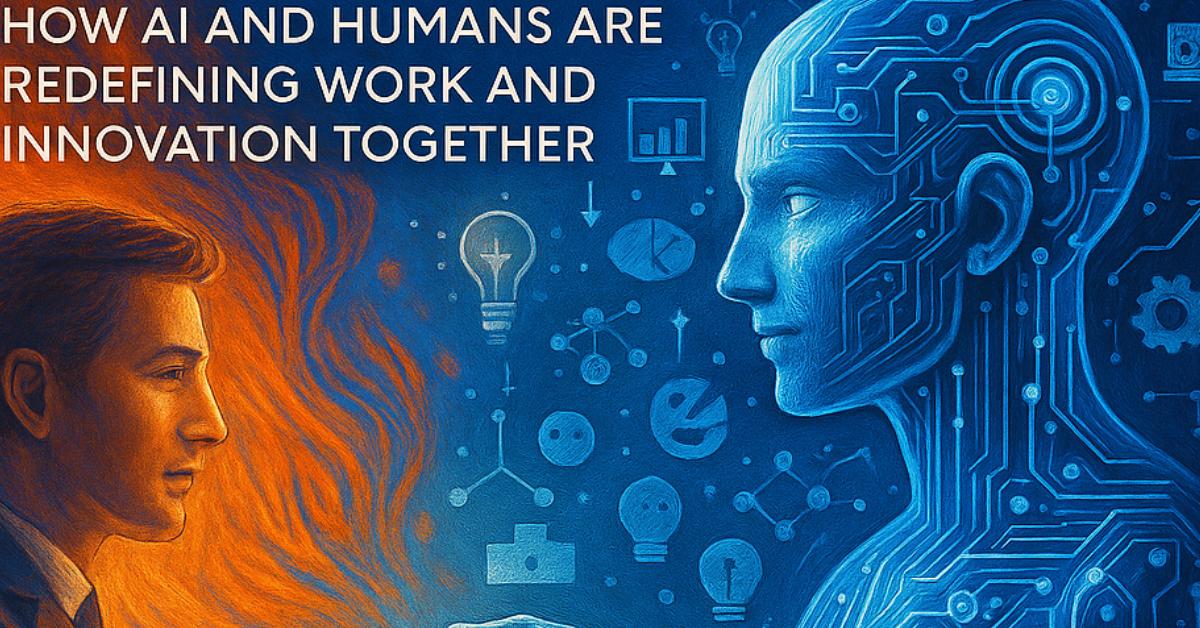
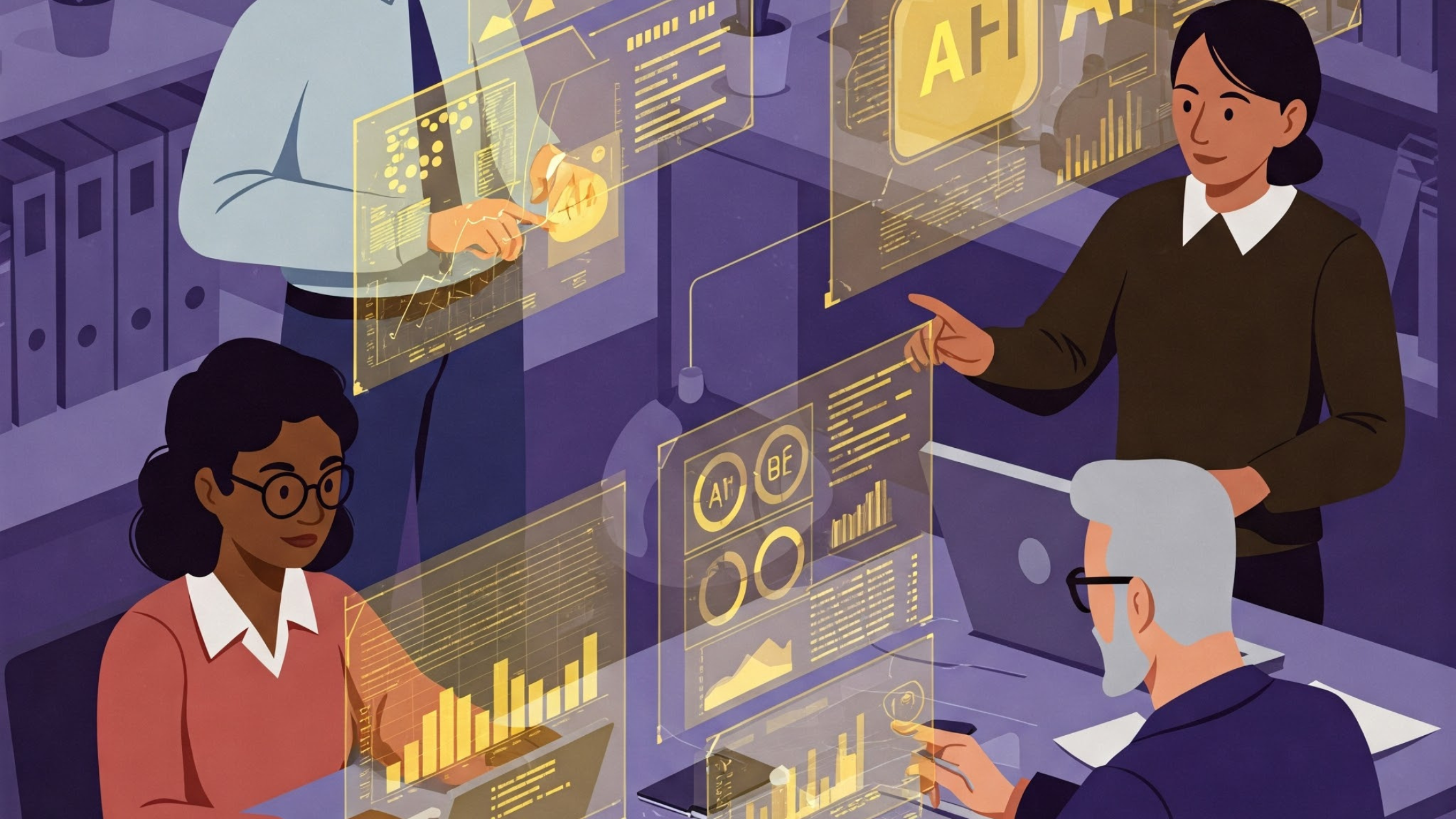
In today’s rapidly evolving technological landscape, the integration of artificial intelligence (AI) into workplace environments is no longer a futuristic concept but a present-day reality. As organizations increasingly adopt AI tools to enhance productivity, the focus has shifted from merely automating tasks to fostering collaboration between humans and machines. This partnership holds the potential to revolutionize job roles, redefine skill sets, and create more efficient work environments. This article will delve into the impact of human-AI collaboration on job roles and skills, emphasizing the need for a thoughtful approach to interface design and ethical considerations.
The Changing Landscape of Job Roles and Skills
Traditionally, the introduction of automation has been met with apprehension, often leading to fears of job displacement. However, the reality of human-AI collaboration paints a more nuanced picture. AI is not merely replacing jobs; it is transforming them. By taking over repetitive and mundane tasks, AI allows employees to focus on higher-order functions that require creativity, emotional intelligence, and critical thinking.
For instance, in the healthcare sector, AI tools assist doctors in diagnosing diseases by analyzing medical images at a speed and accuracy that surpasses human capabilities. This collaboration does not render doctors obsolete; rather, it empowers them to spend more time with patients, fostering a more empathetic and holistic approach to care. Similarly, in the field of marketing, AI algorithms analyze consumer data to identify trends and preferences, enabling marketers to craft more personalized and effective campaigns. Consequently, professionals in these fields must adapt by developing skills that complement AI capabilities, such as data interpretation, strategic thinking, and interpersonal communication.
Upskilling for the Future
As the nature of work evolves, so too must the skill sets of the workforce. The World Economic Forum’s “Future of Jobs Report” highlights the growing demand for skills that AI cannot easily replicate. These include complex problem-solving, creativity, and emotional intelligence. Organizations must prioritize upskilling initiatives to equip employees with these competencies.
Training programs that focus on human-AI collaboration will become essential. Employees should be encouraged to engage with AI tools, understanding their functionalities and limitations. This engagement will not only enhance their productivity but also foster a mindset of innovation. By embracing a culture of continuous learning, organizations can ensure that their workforce remains agile and adaptable in the face of technological advancements.
Designing Interfaces for Effective Collaboration
The interface through which humans interact with AI systems plays a pivotal role in the success of these collaborations. Poorly designed interfaces can hinder productivity and lead to frustration, ultimately undermining the potential benefits of AI integration. Therefore, organizations must prioritize user-centered design principles when developing AI tools.
Intuitive interfaces that facilitate seamless interaction between humans and AI can significantly enhance collaboration. For example, voice-activated assistants like Amazon’s Alexa or Google Assistant have gained popularity due to their ease of use and accessibility. These tools empower users to accomplish tasks hands-free, allowing for a more fluid workflow. Furthermore, incorporating visual aids and feedback mechanisms can enhance understanding and trust in AI systems. For instance, a project management tool that visually represents AI-generated insights can help teams make informed decisions more quickly.
Moreover, the design of AI interfaces should consider the diverse needs of users. Accessibility features, such as text-to-speech options and customizable settings, can ensure that AI tools are usable by individuals with varying abilities. By prioritizing inclusive design, organizations can foster a collaborative environment where all employees feel empowered to leverage AI tools to their fullest potential.
Ethical Considerations in Human-AI Collaboration
While the benefits of human-AI collaboration are evident, ethical considerations must also be addressed. As AI systems become more integrated into decision-making processes, concerns about bias, transparency, and accountability arise. It is crucial for organizations to implement ethical frameworks that guide the development and deployment of AI tools.
Bias in AI algorithms can lead to discriminatory outcomes, particularly in sensitive areas such as hiring and law enforcement. Organizations must ensure that their AI systems are trained on diverse datasets and undergo regular audits to identify and mitigate bias. Transparency is equally important; employees should understand how AI systems make decisions and the data driving those decisions. This transparency fosters trust in AI tools and encourages employees to embrace collaboration rather than fear job displacement.
Furthermore, organizations should establish clear accountability structures for AI-driven decisions. When an AI system makes a recommendation or decision, it is essential to identify who is responsible for that decision. By creating a culture of accountability, organizations can navigate the ethical complexities of human-AI collaboration and ensure that these partnerships are beneficial for all stakeholders involved.
Conclusion
The integration of AI into modern workspaces presents a unique opportunity to empower collaboration between humans and machines. By embracing the transformative potential of human-AI partnerships, organizations can redefine job roles, enhance skill sets, and create more efficient and inclusive work environments. However, this journey requires a thoughtful approach to interface design and a commitment to ethical considerations. As we move forward, fostering a culture of continuous learning, prioritizing user-centered design, and addressing ethical challenges will be crucial in unlocking the full potential of human-AI collaboration.