



Elevate Your Efficiency: Unconventional Tips to Supercharge Your Daily Productivity
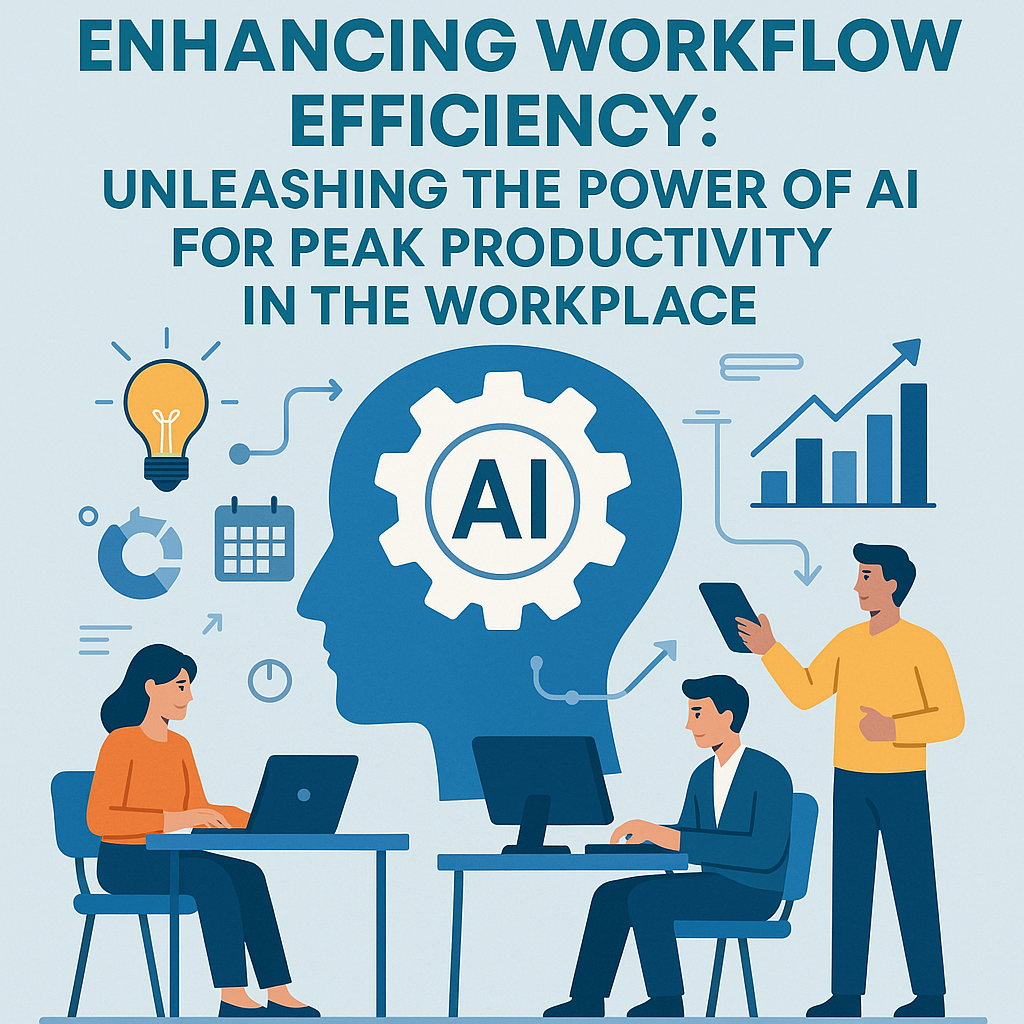
In the fast-paced world of business, efficiency is paramount. As organizations strive to optimize their operations and maximize output, the advent of artificial intelligence (AI) has emerged as a game-changer. By leveraging AI technologies, businesses can enhance their productivity in ways that were previously unimaginable. This article explores the unconventional tips that harness AI’s potential, ultimately leading to supercharged daily productivity.
Revolutionizing Workflow Automation
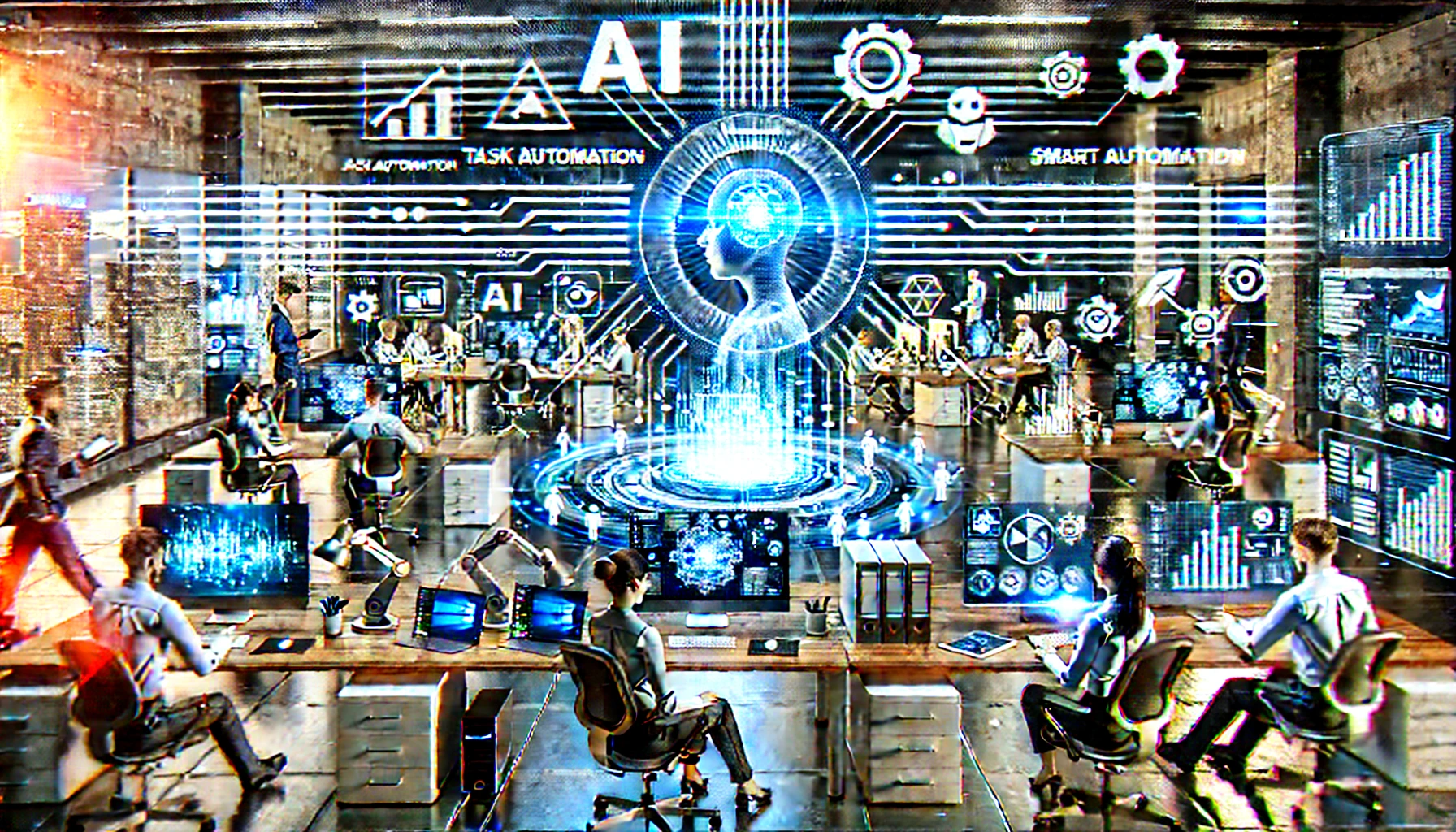
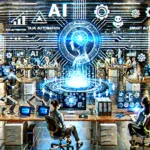
To begin with, one of the most significant advantages of AI lies in its ability to automate repetitive tasks. Many businesses find themselves bogged down by mundane activities that consume valuable time and resources. By implementing AI-driven automation tools, organizations can streamline their workflows and redirect human effort toward more strategic initiatives.
For instance, AI-powered software can handle data entry, scheduling, and customer inquiries, allowing employees to focus on higher-level problem-solving and creativity. Tools like chatbots can engage with customers 24/7, providing instant responses and freeing up staff to tackle more complex issues. As a result, businesses not only enhance their operational efficiency but also improve customer satisfaction, creating a win-win scenario.
Moreover, the integration of AI with project management tools can provide real-time insights into team performance and project timelines. By analyzing data patterns, AI can predict potential roadblocks and suggest adjustments to keep projects on track. This proactive approach to workflow management empowers teams to make informed decisions and enhances overall productivity.
Enhancing Decision-Making with Data Insights
When it comes to productivity, informed decision-making is crucial. AI excels at analyzing vast amounts of data quickly and accurately, providing businesses with insights that can drive strategic initiatives. By harnessing AI analytics, organizations can uncover trends, identify opportunities, and make data-driven decisions that significantly impact productivity.
Consider the case of a retail company that utilizes AI algorithms to analyze customer purchasing behavior. By understanding which products are trending and predicting future demand, the business can optimize inventory management. This not only minimizes waste but also ensures that popular items are always in stock, ultimately boosting sales and enhancing customer satisfaction.
Additionally, AI can assist in market research by analyzing social media sentiment and consumer feedback. By tapping into these insights, businesses can adapt their strategies to align with customer preferences, resulting in more effective marketing campaigns and higher conversion rates. This level of agility in decision-making is essential for maintaining a competitive edge in today’s dynamic market.
Fostering Collaboration and Communication
Another area where AI has made significant strides is in enhancing collaboration and communication within teams. Traditional communication methods can often lead to misunderstandings and inefficiencies. However, AI-driven tools can facilitate seamless interactions and foster a more collaborative work environment.
For instance, AI-powered platforms can analyze team dynamics and suggest optimal collaboration strategies. By assessing individual strengths and weaknesses, these tools can help managers assign tasks more effectively, ensuring that projects are completed efficiently. Additionally, AI can streamline communication by providing real-time translations and transcriptions, breaking down language barriers and enabling diverse teams to work together more cohesively.
Furthermore, virtual assistants powered by AI can help manage team schedules and set reminders for important deadlines. By reducing the cognitive load associated with task management, employees can focus more on their core responsibilities. This shift not only enhances individual productivity but also cultivates a culture of accountability and teamwork.
The Human Element: Balancing AI and Employee Engagement
While AI undoubtedly offers numerous productivity benefits, it is essential to remember the human element in the workplace. Over-reliance on technology can lead to disengagement among employees. Therefore, businesses must strike a balance between leveraging AI and fostering a positive work environment that values human contributions.
Engaging employees in the implementation of AI tools can lead to increased buy-in and acceptance. By involving team members in the decision-making process, organizations can identify pain points and tailor AI solutions to meet their specific needs. This collaborative approach not only enhances the effectiveness of AI technologies but also empowers employees, making them feel valued and invested in their work.
Moreover, training and upskilling employees to work alongside AI is crucial. Providing opportunities for professional development ensures that staff members are equipped to harness AI’s capabilities effectively. This investment in human capital not only boosts productivity but also enhances job satisfaction and retention rates.
Conclusion: Embracing the Future of Productivity
In conclusion, the integration of AI into business processes presents a unique opportunity to elevate productivity in unconventional ways. By automating workflows, enhancing decision-making through data insights, and fostering collaboration, organizations can supercharge their daily operations. However, it is essential to maintain a balance between technology and the human element, ensuring that employees remain engaged and empowered.
As businesses continue to evolve in the digital age, embracing AI will be crucial for staying competitive. By leveraging these unconventional tips and harnessing the full potential of AI, organizations can not only improve productivity but also create a more dynamic and innovative work environment. The future of productivity is here, and it is time for businesses to embrace it fully.