





Elevate Your Efficiency: Proven Techniques to Supercharge Your Daily Productivity and Focus
In today’s fast-paced business environment, the quest for increased productivity and focus is more crucial than ever. Companies are constantly seeking innovative ways to streamline operations and maximize output. One of the most transformative advancements in this pursuit is the integration of Artificial Intelligence (AI) into various business processes. This article explores how AI is revolutionizing productivity, offering proven techniques that can elevate efficiency in your daily operations.
Understanding AI’s Role in Productivity Enhancement
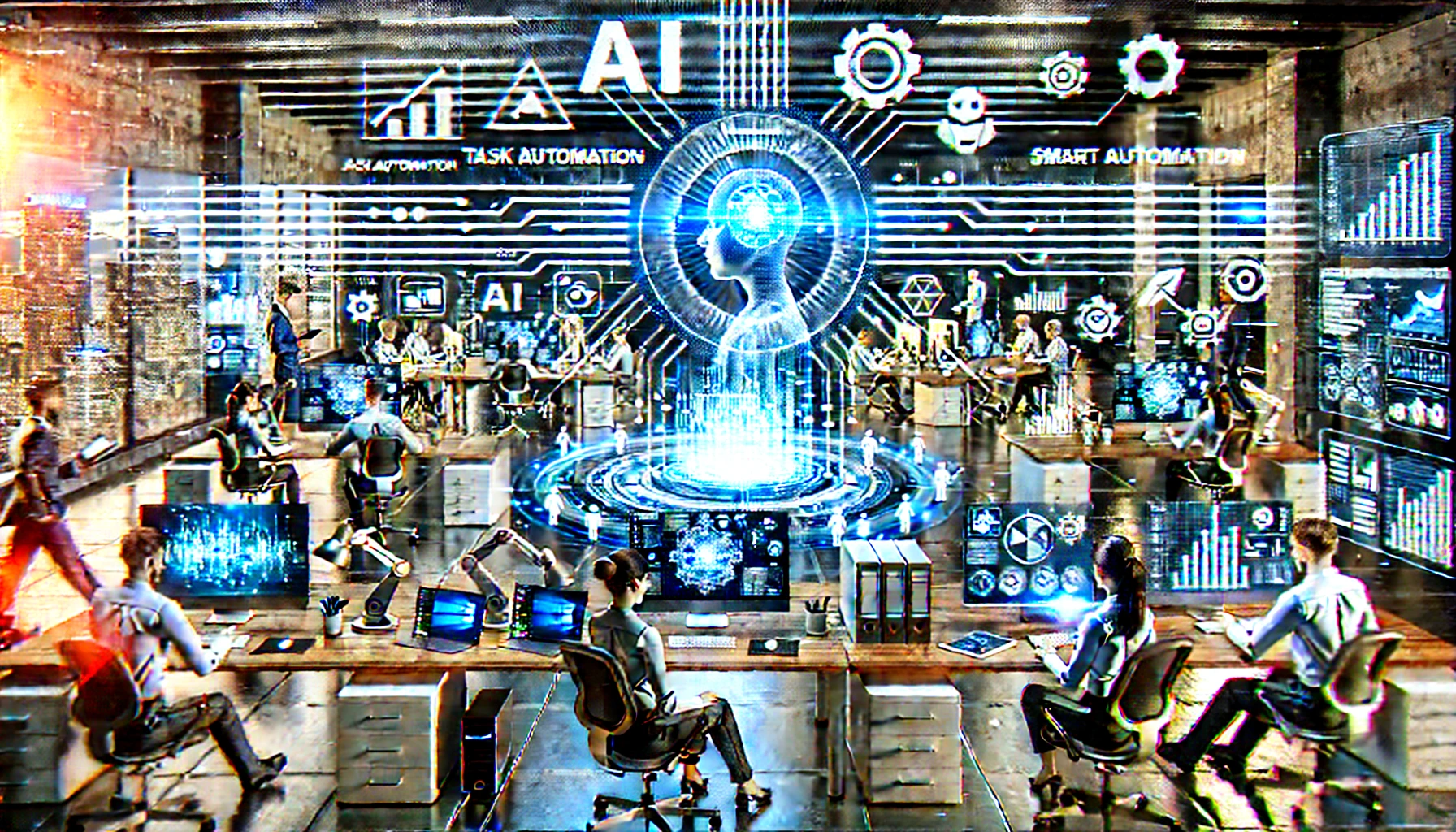
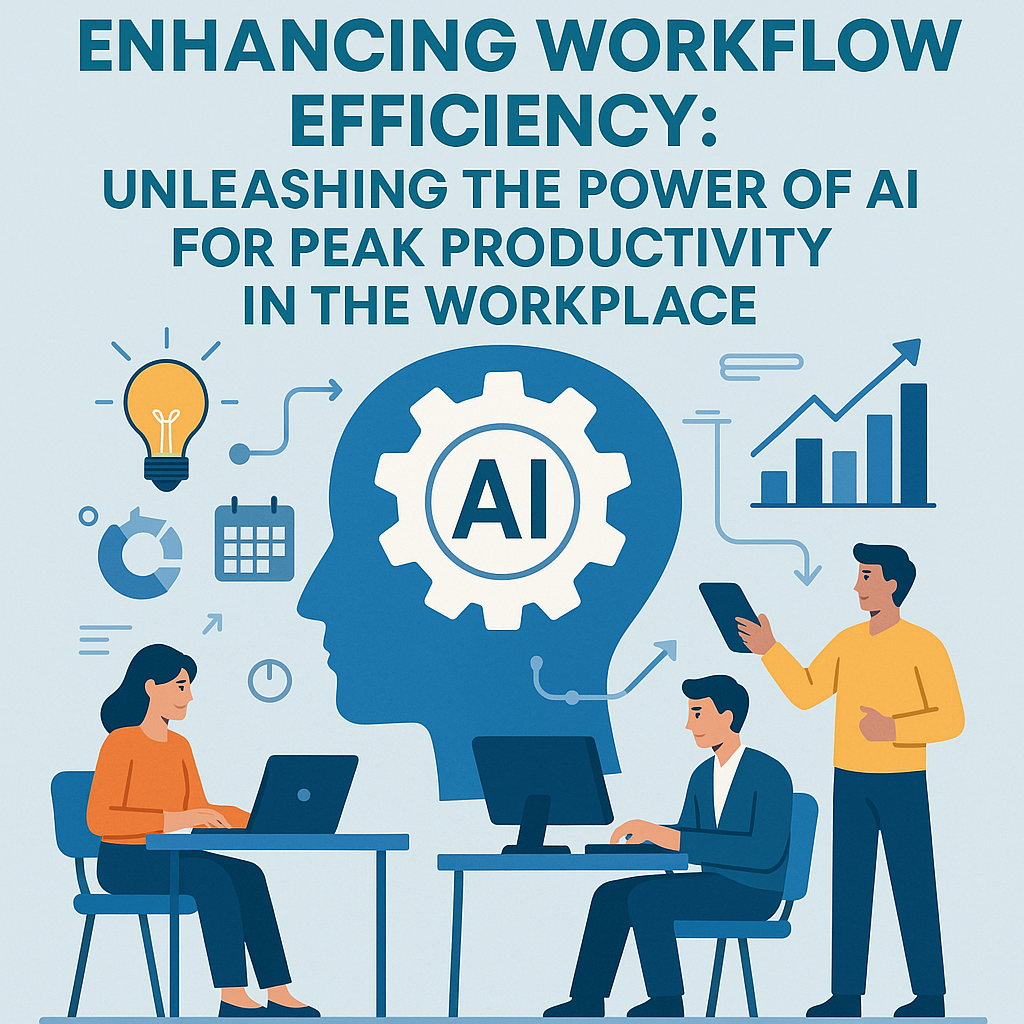
Artificial Intelligence has evolved from a futuristic concept to an essential tool in modern business. By automating repetitive tasks, AI frees up valuable time for employees to focus on higher-level strategic activities. For instance, AI-driven software can handle data entry, scheduling, and customer inquiries, allowing human resources to concentrate on complex problem-solving and creative endeavors. The result is a more engaged workforce that can devote their attention to tasks requiring critical thinking and innovation.
Moreover, AI’s ability to analyze vast amounts of data in real-time provides businesses with insights that were previously unattainable. Predictive analytics, powered by machine learning algorithms, can identify trends and patterns, enabling companies to make informed decisions swiftly. This capability not only enhances operational efficiency but also contributes to better resource allocation, ultimately leading to increased productivity across the organization.
Implementing AI Tools for Daily Operations
Integrating AI tools into daily business operations is a practical approach to enhancing productivity. Various software solutions are available that cater to different aspects of business management. For instance, project management tools equipped with AI capabilities can optimize task assignments based on team members’ strengths and workloads. This ensures that projects are completed more efficiently and within deadlines.
Furthermore, customer relationship management (CRM) systems that utilize AI can streamline sales processes. These systems can analyze customer interactions and preferences, allowing sales teams to tailor their approaches and improve conversion rates. By automating follow-ups and reminders, AI helps maintain customer engagement without overwhelming employees with administrative burdens.
In addition to these applications, AI-powered chatbots have become a staple in customer service. These virtual assistants can handle a multitude of inquiries simultaneously, providing instant responses to customers while collecting valuable data for businesses. By leveraging chatbots, companies can enhance customer satisfaction while reducing the workload on human agents, leading to a more productive work environment.
Fostering a Culture of Continuous Improvement
Embracing AI in the workplace requires more than just implementing new technologies; it necessitates a cultural shift towards continuous improvement. Organizations must encourage a mindset that values innovation and adaptability. Training employees to work alongside AI tools is crucial for maximizing their potential benefits. By providing comprehensive training programs, businesses can ensure that employees feel comfortable using AI technologies, ultimately leading to a more productive workforce.
Additionally, fostering an environment that encourages feedback and experimentation can lead to further enhancements in productivity. Employees should feel empowered to share their experiences with AI tools and suggest improvements. By actively involving team members in the evaluation and selection of AI solutions, organizations can create a sense of ownership and commitment to the technology, which can significantly enhance productivity outcomes.
To support this culture of continuous improvement, leadership must also prioritize transparency and communication. Regularly sharing success stories of how AI has positively impacted productivity can motivate employees to embrace these changes. Celebrating small wins and recognizing individuals or teams that effectively leverage AI tools can further reinforce the benefits of adopting these technologies.
Conclusion: The Future of Productivity with AI
As businesses continue to navigate an increasingly competitive landscape, the role of AI in enhancing productivity will only grow. Companies that successfully integrate AI into their operations stand to gain a significant advantage over their competitors. By automating mundane tasks, providing actionable insights, and fostering a culture of continuous improvement, organizations can elevate their efficiency and focus.
Ultimately, the key to supercharging daily productivity lies in the strategic implementation of AI technologies. Organizations that prioritize training, communication, and employee engagement will not only enhance their productivity but also cultivate a workforce that is adaptable and ready to face future challenges. As AI continues to evolve, businesses that harness its power will be well-positioned to thrive in the dynamic world of work.
In conclusion, embracing AI is not merely a trend; it is a necessity for businesses aiming to elevate their efficiency and productivity. By understanding its role, implementing the right tools, and fostering a culture of continuous improvement, organizations can unlock the full potential of their workforce, leading to sustainable growth and success.