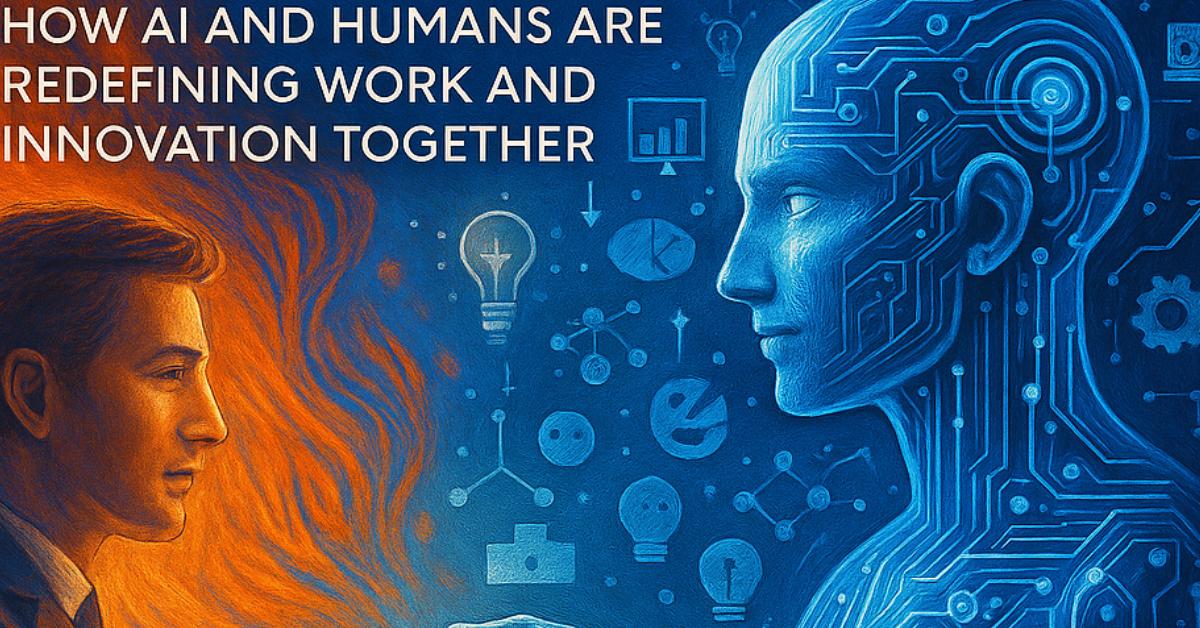
Collaborative Potential: How AI and Humans Are Redefining Work and Innovation Together
Introduction:
The rapid advancement of artificial intelligence (AI) has sparked a transformative shift in the workplace, reshaping how tasks are performed and how teams collaborate. Rather than replacing human workers, AI is increasingly being integrated into various sectors to augment human capabilities, streamline processes, and foster innovative solutions. This article explores the collaborative potential of AI and humans, focusing specifically on the evolving roles in creative industries. By examining the interplay between AI tools and human creativity, we can better understand how this partnership is redefining work and innovation.
The Rise of AI in Creative Industries
AI’s impact on creative industries, such as advertising, design, and content creation, has been profound. Tools powered by machine learning algorithms can analyze vast amounts of data, predict trends, and generate content that resonates with target audiences. For instance, AI-driven platforms like Adobe Sensei and Canva leverage smart technology to assist designers in creating visually appealing graphics and layouts.
These tools do not merely automate repetitive tasks; they empower creative professionals to focus on higher-level strategic thinking and innovation. By handling mundane tasks such as resizing images or suggesting color palettes, AI allows human creatives to dedicate more time to conceptualizing ideas and pushing the boundaries of creativity.
AI as a Collaborative Partner
The collaboration between AI and humans in creative fields is characterized by a unique synergy. AI acts as a partner rather than a competitor, augmenting human creativity by providing insights and suggestions that may not be immediately apparent. For example, in advertising, AI can analyze consumer behavior and preferences, enabling marketers to craft targeted campaigns that resonate with specific demographics.
Moreover, AI tools can assist in brainstorming sessions by generating multiple variations of a concept, allowing teams to explore diverse creative avenues quickly. This collaborative approach not only enhances productivity but also nurtures a culture of experimentation and innovation. In this context, human intuition and emotional intelligence complement AI’s analytical prowess, leading to richer and more impactful creative outcomes.
Skills for the Future: Embracing AI Collaboration
As AI continues to evolve, the skill sets required in creative industries are also changing. Professionals must now cultivate a hybrid skill set that combines traditional creative abilities with technological proficiency. Understanding how to leverage AI tools effectively is becoming essential for success in the modern workplace.
Creative professionals should focus on developing skills in data analysis, machine learning principles, and digital literacy. By doing so, they can harness the full potential of AI, using it as a catalyst for creativity rather than viewing it as a threat. Furthermore, fostering soft skills such as adaptability, collaboration, and critical thinking will be crucial as teams navigate the complexities of AI integration.
Educational institutions and organizations must adapt their curricula and training programs to equip the workforce with these necessary skills. Workshops, online courses, and hands-on experiences with AI tools can empower individuals to thrive in this new collaborative landscape.
Supercharge your AI creativity with our AI Prompt App! Generate high-quality prompts for ChatGPT, DALL-E, and more. Try it now!
Case Studies: Successful AI-Human Collaborations
Several organizations have successfully implemented AI-human collaboration models, showcasing the potential of this partnership in driving innovation. One notable example is the collaboration between AI and human artists in the music industry. Platforms like Amper Music allow users to create original music tracks by inputting parameters such as genre, mood, and instrumentation. The AI generates compositions that artists can refine, blending human creativity with algorithmic efficiency.
Another case is the use of AI in the fashion industry, where brands like Stitch Fix utilize algorithms to analyze customer preferences and trends. Stylists then curate personalized clothing selections based on AI-generated insights, combining data-driven recommendations with human expertise in fashion.
These examples highlight the effectiveness of AI-human collaboration, demonstrating that when both parties work together, the results can be groundbreaking. The fusion of AI’s analytical capabilities with human creativity leads to innovative solutions that neither could achieve alone.
Conclusion
The collaboration between AI and humans is redefining work and innovation across various sectors, particularly within creative industries. By embracing AI as a collaborative partner, professionals can enhance their productivity, explore new creative avenues, and drive innovation. As the landscape continues to evolve, developing the necessary skills to leverage AI tools effectively will be paramount for success.
Ultimately, the future of work lies in the harmonious integration of human creativity and AI capabilities, fostering an environment where both can thrive and contribute to groundbreaking solutions. By recognizing and harnessing this collaborative potential, organizations and individuals alike can navigate the complexities of the modern workplace and unlock new avenues for innovation.
Read More: How Intelligent Tools Are Reshaping Content Creation and Communication
Read More: Harnessing AI for Business Success