




Boosting Your Productivity: Essential Tips and Techniques for Achieving More in Less Time
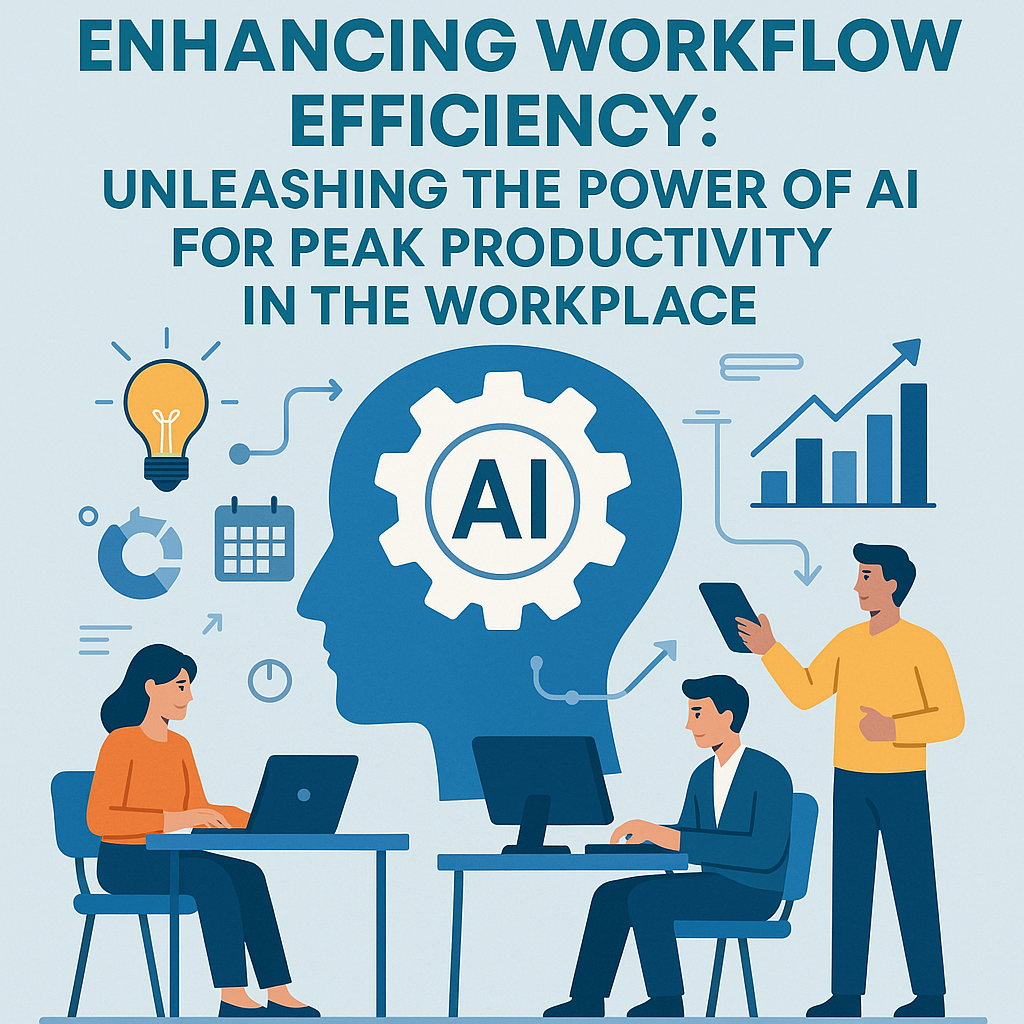
In today’s fast-paced business environment, the quest for increased productivity is a common goal among organizations. As companies strive to do more with less, the emergence of artificial intelligence (AI) has revolutionized how businesses operate. By streamlining processes, enhancing decision-making, and automating repetitive tasks, AI is proving to be an invaluable asset in the pursuit of productivity. This article delves into the various ways AI is transforming business productivity, offering essential tips and techniques for harnessing its potential.
Streamlining Operations with Automation
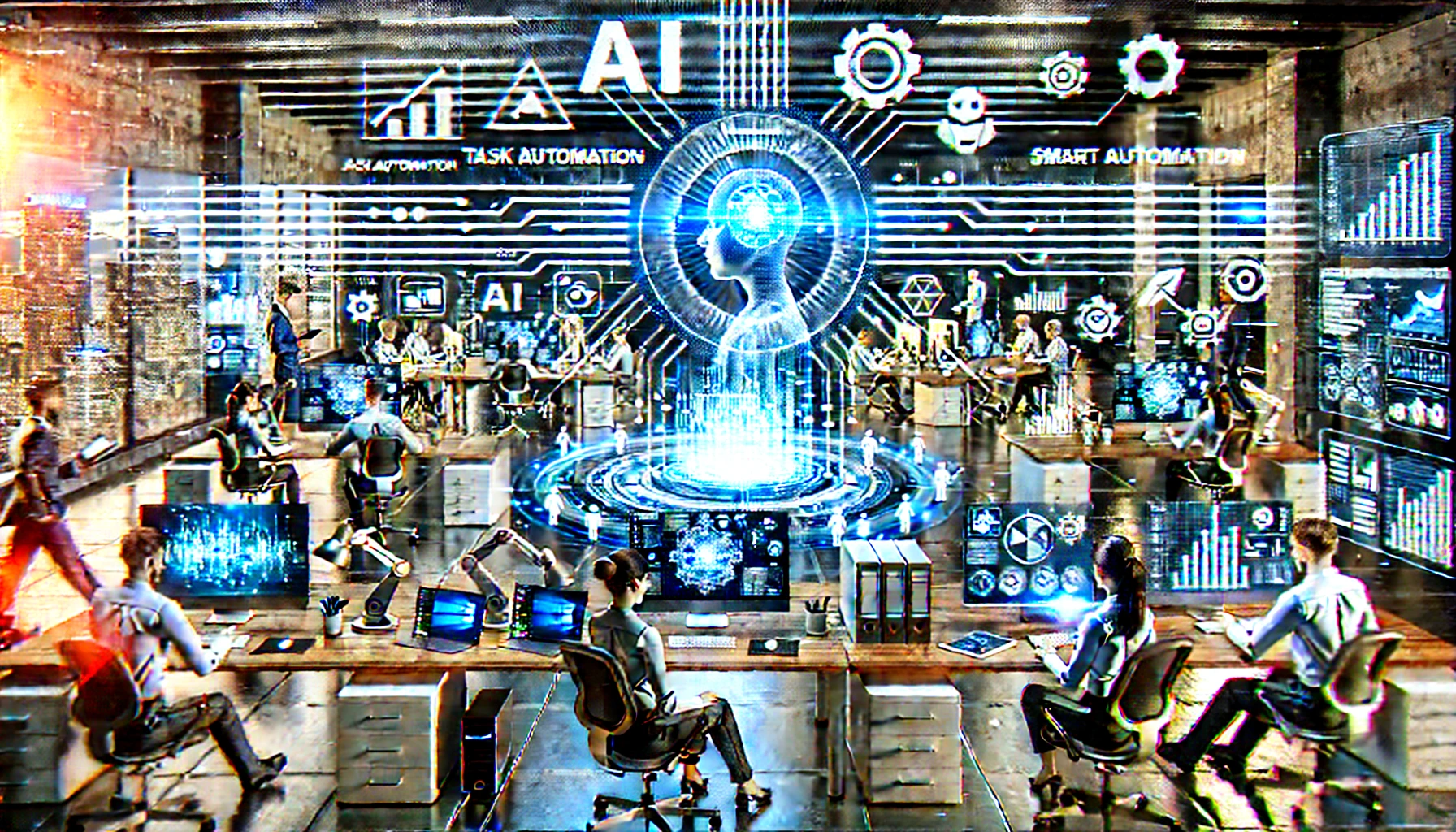
One of the most significant ways AI is boosting productivity is through automation. By taking over mundane and repetitive tasks, AI allows employees to focus on higher-value activities that require creativity and critical thinking. For instance, AI-driven tools can automate data entry, scheduling, and customer inquiries, freeing up valuable time for employees to engage in strategic planning or innovation.
Moreover, automation powered by AI can enhance operational efficiency across departments. In marketing, for example, AI can analyze customer data to optimize campaigns, while in finance, it can assist in forecasting and budget management. By minimizing human error and speeding up processes, businesses can achieve more in less time, ultimately leading to improved productivity.
In addition to traditional automation, AI technologies such as robotic process automation (RPA) are gaining traction. RPA can handle rule-based tasks across various applications, making it easier for organizations to integrate systems and streamline workflows. As a result, companies can not only save time but also reduce operational costs, allowing them to allocate resources more effectively.
Enhancing Decision-Making with Data Insights
AI’s ability to analyze vast amounts of data and generate actionable insights is another critical factor in boosting productivity. Organizations often grapple with the challenge of making data-driven decisions amidst an overwhelming influx of information. AI simplifies this process by identifying patterns, trends, and anomalies within data sets, enabling businesses to make informed choices quickly.
To illustrate, AI-powered analytics tools can assess market trends and consumer behavior, providing businesses with the insights they need to tailor their offerings. This level of analysis helps companies stay ahead of the competition by adapting to changes in real-time. Consequently, organizations that leverage AI for data analysis can respond more swiftly to market demands, enhancing their overall productivity.
Furthermore, predictive analytics, a subset of AI, allows businesses to forecast future trends based on historical data. By anticipating customer needs and market shifts, companies can proactively adjust their strategies, minimizing downtime and maximizing efficiency. This forward-thinking approach not only elevates productivity but also fosters a culture of innovation within the organization.
Fostering Collaboration and Communication
Effective collaboration and communication are essential for productivity, especially in today’s remote and hybrid work environments. AI tools are playing a pivotal role in enhancing these aspects, making it easier for teams to connect and collaborate, regardless of their physical location.
For starters, AI-powered communication platforms can facilitate seamless interactions among team members. Features such as real-time translation, sentiment analysis, and intelligent scheduling can significantly improve the quality of communication. By reducing misunderstandings and ensuring that everyone is on the same page, these tools contribute to a more cohesive and productive work environment.
In addition to improving communication, AI can also enhance collaboration through project management tools that utilize machine learning algorithms. These tools can prioritize tasks, allocate resources, and monitor progress, allowing teams to work more efficiently. By providing insights into team performance and project timelines, AI helps organizations identify bottlenecks and optimize workflows.
Moreover, AI-driven collaboration tools can foster a culture of feedback and continuous improvement. By analyzing team dynamics and performance metrics, organizations can identify areas for growth and implement targeted training programs. This commitment to development not only boosts productivity but also enhances employee satisfaction and retention.
Conclusion: Embracing AI for a Productive Future
As businesses continue to navigate the complexities of the modern landscape, embracing AI technologies is no longer optional; it is essential for sustained productivity. By streamlining operations through automation, enhancing decision-making with data insights, and fostering collaboration and communication, organizations can achieve more in less time.
Incorporating these AI-driven strategies requires a commitment to change and a willingness to adapt. Companies must invest in the right tools and training to ensure that employees are equipped to leverage AI effectively. Additionally, fostering a culture that embraces innovation and continuous improvement will enable organizations to harness the full potential of AI.
Ultimately, the integration of AI into business processes is a transformative journey that can lead to unprecedented levels of productivity. By prioritizing AI-driven solutions, businesses can not only enhance their operational efficiency but also position themselves for long-term success in an increasingly competitive market. As we look to the future, those who embrace AI will undoubtedly find themselves at the forefront of productivity and innovation.