Beyond the Canvas: AI Art’s Role in Redefining Visual Expression and Digital Aesthetics
The advent of artificial intelligence (AI) has catalyzed a seismic shift in the art world, challenging traditional notions of creativity and expression. As algorithms learn to generate images, music, and even literature, the boundaries of artistic creation are being redefined. This article delves into the multifaceted implications of AI art, focusing on its impact on creative jobs, the intricacies of prompting, and the complex landscape of copyright issues.
The Impact on Creative Jobs: A New Paradigm for Artists
The introduction of AI into the art sphere has sparked debates about the future of creative professions. Traditionally, artists have relied on their unique skills and perspectives to produce work that resonates on emotional and intellectual levels. However, AI-generated art raises questions about the value of human creativity. Some argue that AI can complement human artists, helping them explore new styles and techniques, while others fear it could render traditional artistic skills obsolete.
Augmentation, Not Replacement
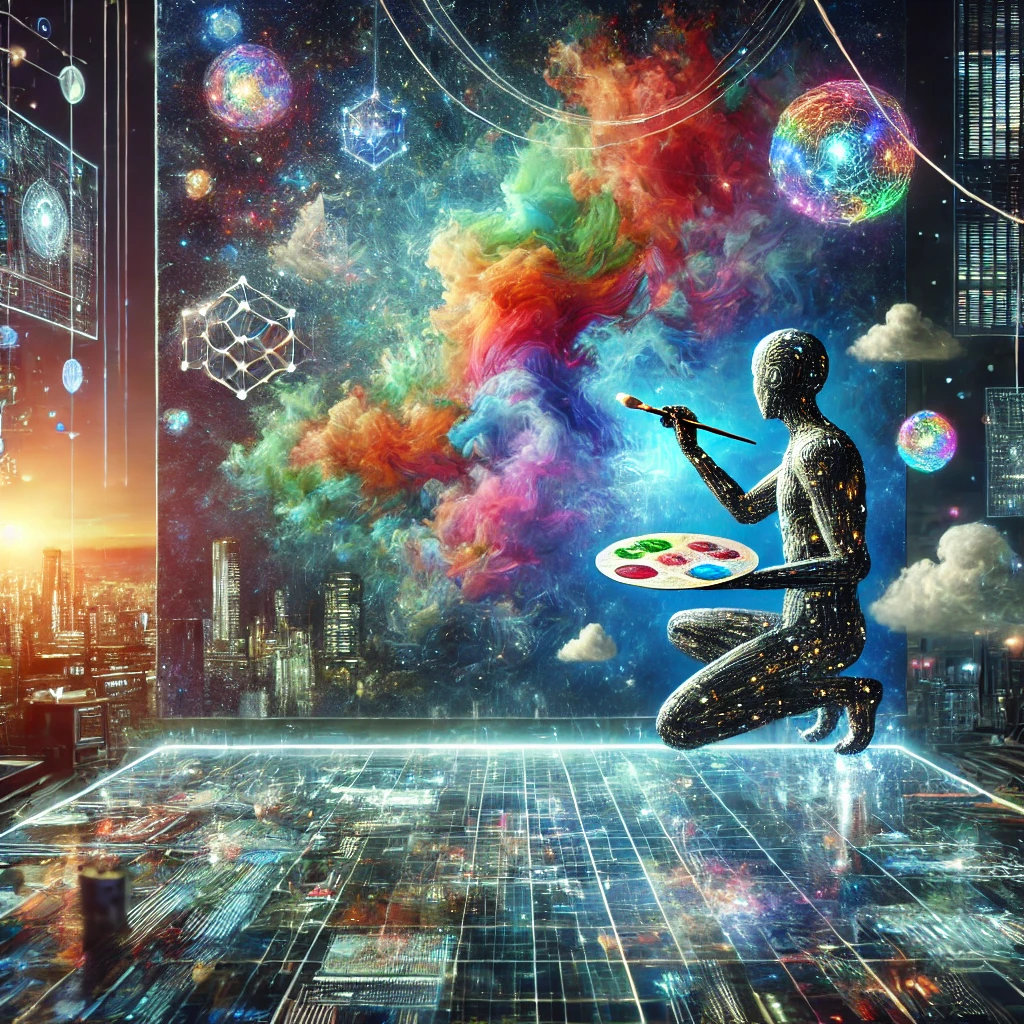
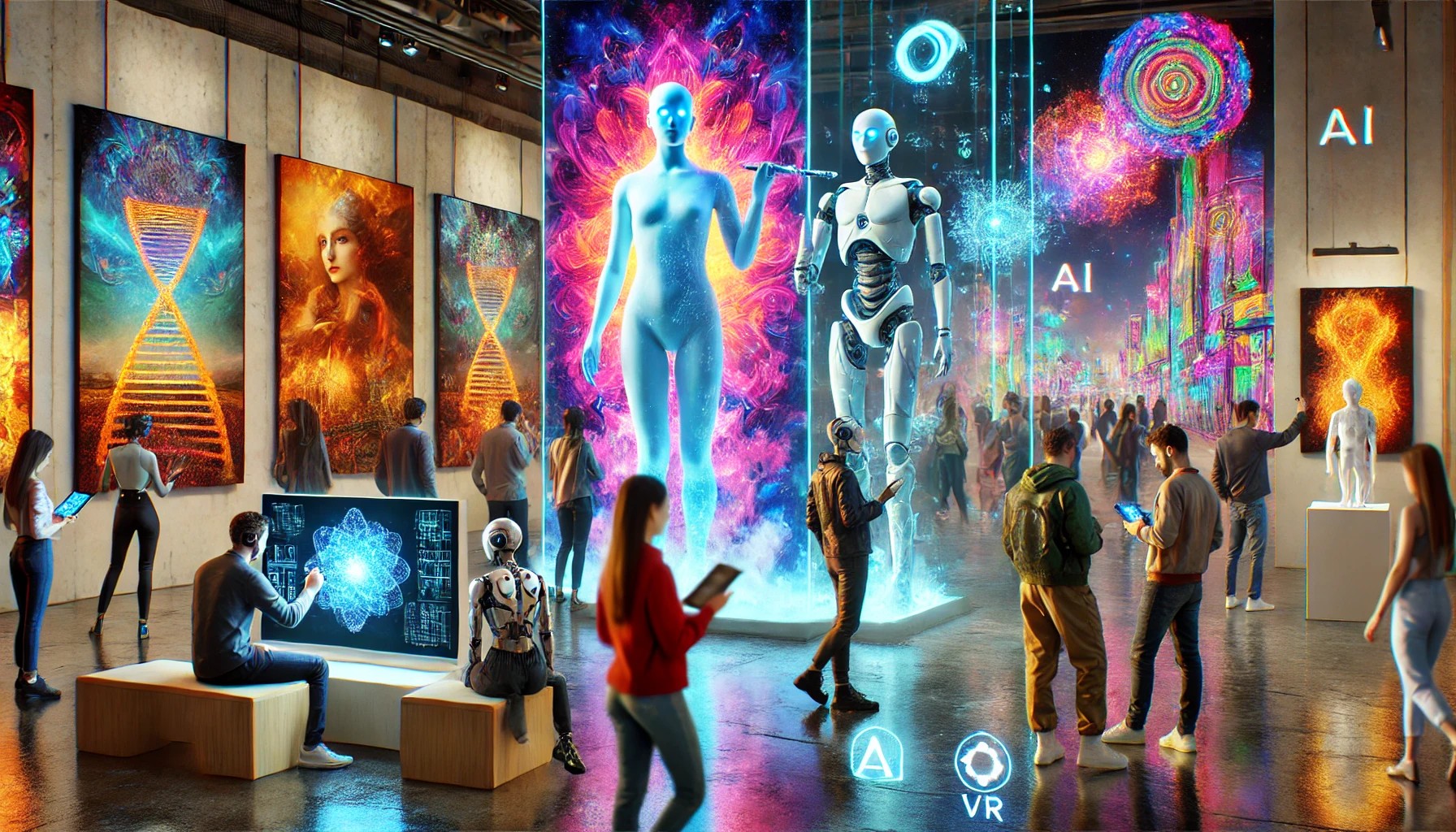
Rather than viewing AI as a competitor, many artists are beginning to see it as a tool for augmentation. For instance, artists can use AI to create initial drafts or generate variations of their work, allowing them to focus on refining and personalizing their creations. This collaborative approach can lead to a more expansive and diverse artistic output. The use of AI in art can also democratize the creative process, enabling individuals without formal training to produce visually compelling pieces.
Job Evolution in the Creative Sector
Despite concerns about job displacement, the rise of AI art is likely to lead to the evolution of creative roles rather than their elimination. New positions are emerging, such as AI art curators, prompt engineers, and digital art analysts. These roles require a hybrid skill set, blending technical knowledge with artistic sensibility. Moreover, as the demand for AI-generated content grows, there will be an increasing need for human oversight to ensure quality and authenticity.
The Nuances of Prompting: The Art of Crafting Prompts
One of the most significant aspects of AI art generation is the concept of prompting. The effectiveness of AI tools like DALL-E or Midjourney hinges on how users articulate their ideas. Crafting the right prompt is both an art and a science. A well-structured prompt can yield stunning visuals, while a vague or poorly worded one may result in disappointing outcomes.
Language and Interpretation
The nuances of language play a critical role in AI art generation. Each word carries weight, and the AI’s interpretation can vary based on phrasing, context, and even cultural references. Artists and creators must consider how their prompts will be understood by the algorithm, which often lacks the depth of human intuition. This necessitates a deeper understanding of both the technology and the art form, making prompting an essential skill for modern creators.
Experimentation and Iteration
The process of prompting also encourages experimentation. Artists can iterate on their prompts, tweaking language and descriptors to refine the output. This iterative process fosters a unique dialogue between the artist and the AI, where each interaction can lead to unexpected and inspiring results. As artists learn to navigate this new terrain, they may discover novel forms of expression that challenge traditional artistic boundaries.
Navigating Copyright Issues: The Legal Landscape of AI Art
As AI-generated art becomes more prevalent, the question of copyright looms large. Who owns the rights to an artwork created by an algorithm? The legal framework surrounding copyright has struggled to keep pace with technological advancements, leading to ambiguity and confusion. Current laws typically grant rights to human creators, raising questions about the status of AI-generated works.
The Role of Human Input
One critical factor in determining copyright ownership is the level of human input involved in the creation process. If an artist provides a detailed prompt and curates the final output, they may be able to claim copyright over the resulting work. However, if the AI operates autonomously with minimal human intervention, the ownership remains murky. This ambiguity creates challenges for artists and businesses alike, particularly when it comes to commercializing AI-generated art.
Ethical Considerations in AI Art
Beyond legal issues, ethical considerations also come into play. The use of existing artworks to train AI models raises questions about attribution and the potential for plagiarism. Artists whose work has been used without consent may feel their creative contributions are being exploited. As the conversation around AI art evolves, there is a pressing need for a framework that addresses both the legal and ethical dimensions of this new medium.
Conclusion
AI art is not merely a novelty; it represents a transformative force in the realm of visual expression and digital aesthetics. While it brings challenges, particularly concerning creative jobs, prompting intricacies, and copyright complexities, it also offers opportunities for innovation and collaboration. As artists and technologists navigate this new landscape, the potential for redefining creativity is immense. Embracing AI as a partner rather than a rival may lead to a richer, more diverse artistic future.