Beyond Pixels: The Intriguing Intersection of Technology and Artistic Vision in AI Art
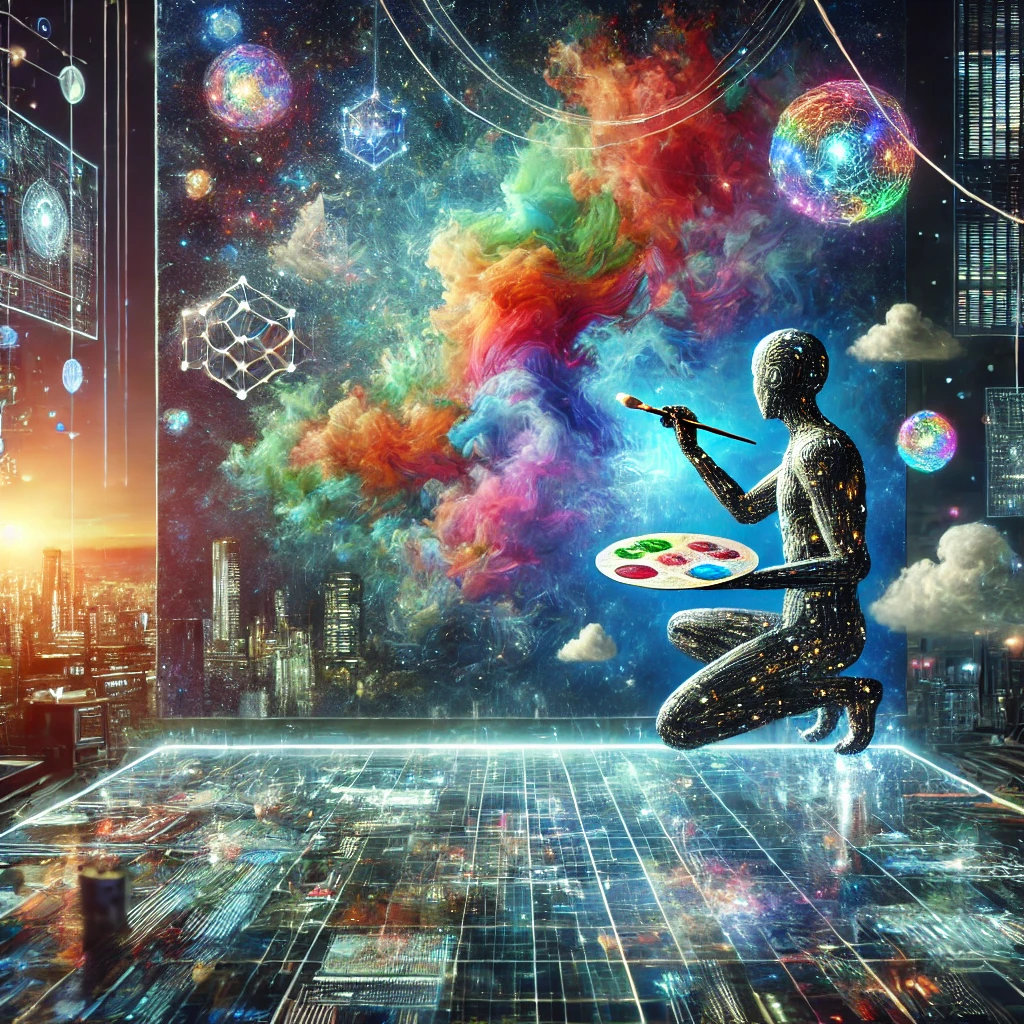
In the contemporary art landscape, the emergence of artificial intelligence (AI) has sparked a profound transformation, evolving not just how art is created but also how we define creativity itself. As algorithms and machine learning models gain the ability to generate visually striking works of art, the intersection of technology and artistic vision presents a complex tapestry of ethical dilemmas, innovative techniques, and societal impacts. This article delves into the multifaceted nature of AI art, exploring its implications beyond mere pixels on a screen.
The Evolution of AI in Art Creation
The journey of AI art began with rudimentary algorithms and has since evolved into sophisticated neural networks capable of producing intricate and compelling visuals. Early attempts at AI-generated art relied on basic pattern recognition and image processing. However, with the advent of deep learning, particularly Generative Adversarial Networks (GANs), the landscape shifted dramatically.
GANs operate through a dual system: a generator that creates images and a discriminator that evaluates them. This feedback loop allows the generator to refine its outputs, leading to artworks that can mimic styles from classical to contemporary. For instance, the AI program DeepArt can transform photographs into paintings reminiscent of Van Gogh or Picasso, showcasing the potential for AI to reinterpret established artistic styles.
As technology continues to advance, AI art has become more than just a novelty. It raises critical questions about authorship and originality. Who owns an artwork created by an algorithm? Is it the programmer, the user, or the AI itself? These inquiries challenge traditional notions of creativity and compel us to reconsider the role of the artist in the age of machines.
Ethical Considerations: The Fine Line Between Inspiration and Imitation
The ethical implications of AI-generated art are significant and multi-layered. One major concern revolves around the potential for plagiarism. AI systems often learn from vast datasets that include existing artworks, which raises the question: to what extent does AI art borrow from human creators? When an AI generates a piece that closely resembles a specific artist’s style, it can blur the lines between inspiration and imitation.
Moreover, the commercial aspects of AI art introduce further ethical dilemmas. As galleries and auction houses begin to sell AI-generated pieces, the value of human-created art may be undermined. This shift could lead to a devaluation of traditional artistic skills, as collectors may gravitate toward the novelty of AI works. The art market’s response to this trend will likely shape the future of both AI and human artists.
In addition, there are concerns about bias in AI art. Since AI systems learn from existing data, they can inadvertently perpetuate societal biases present in that data. For instance, if an AI is trained predominantly on Western art, it may struggle to accurately represent or generate works that reflect diverse cultural perspectives. Addressing these biases is crucial for creating a more inclusive artistic landscape.
Techniques and Innovations: A New Canvas for Creativity
While the ethical aspects of AI art are essential to consider, the technical innovations driving this field are equally fascinating. Artists and technologists are collaborating to explore new techniques that enhance the creative process. One such method is style transfer, which enables AI to apply the stylistic features of one image to another. This technique has opened new avenues for artistic experimentation, allowing creators to blend various styles seamlessly.
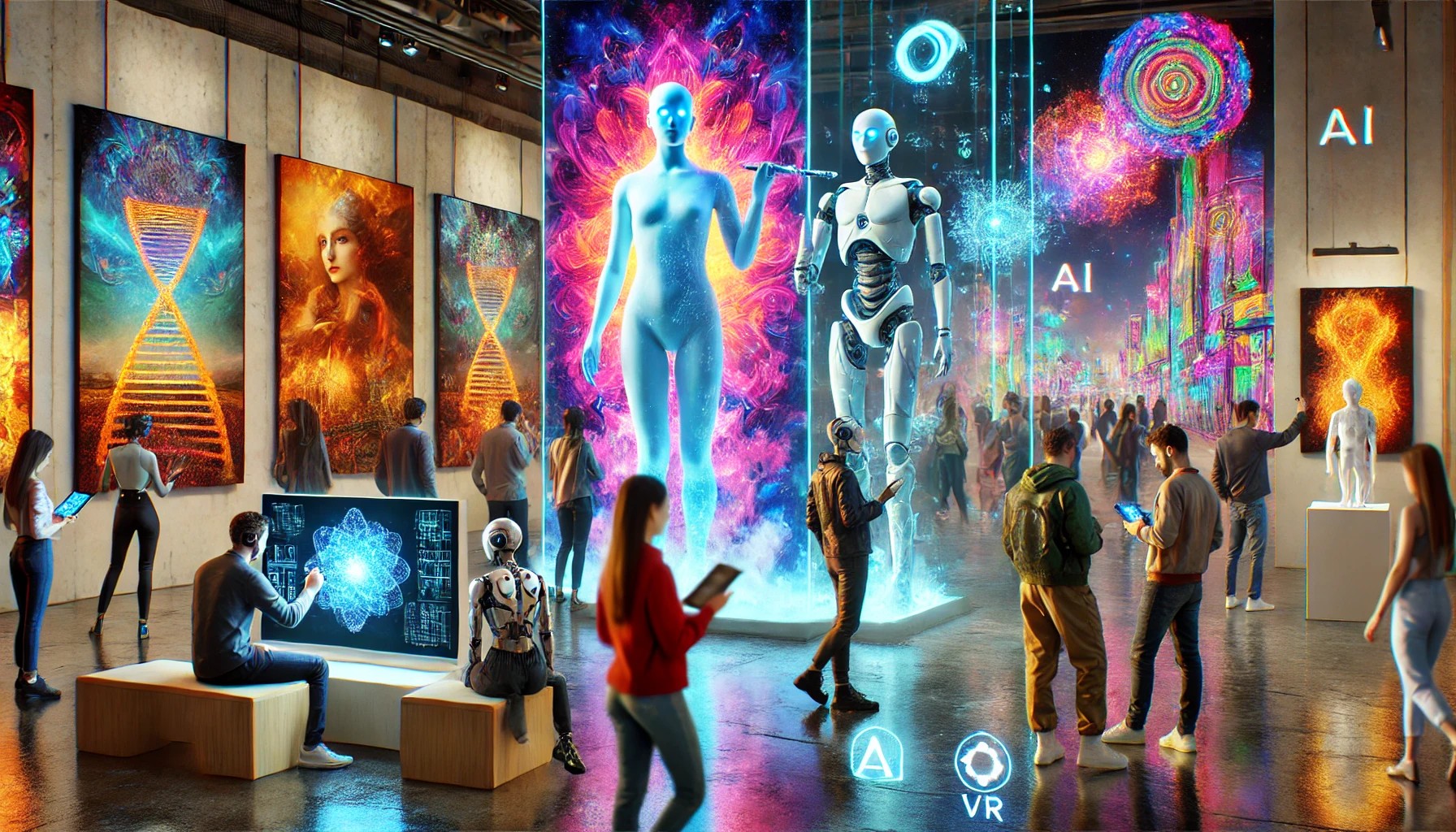
Another notable innovation is the use of AI as a collaborative partner rather than a mere tool. Artists are increasingly incorporating AI into their creative processes, using it to generate ideas, explore compositions, or even create interactive installations. This collaborative approach emphasizes the idea that AI can augment human creativity rather than replace it. The artist’s vision remains central, while AI serves as a catalyst for exploration and experimentation.
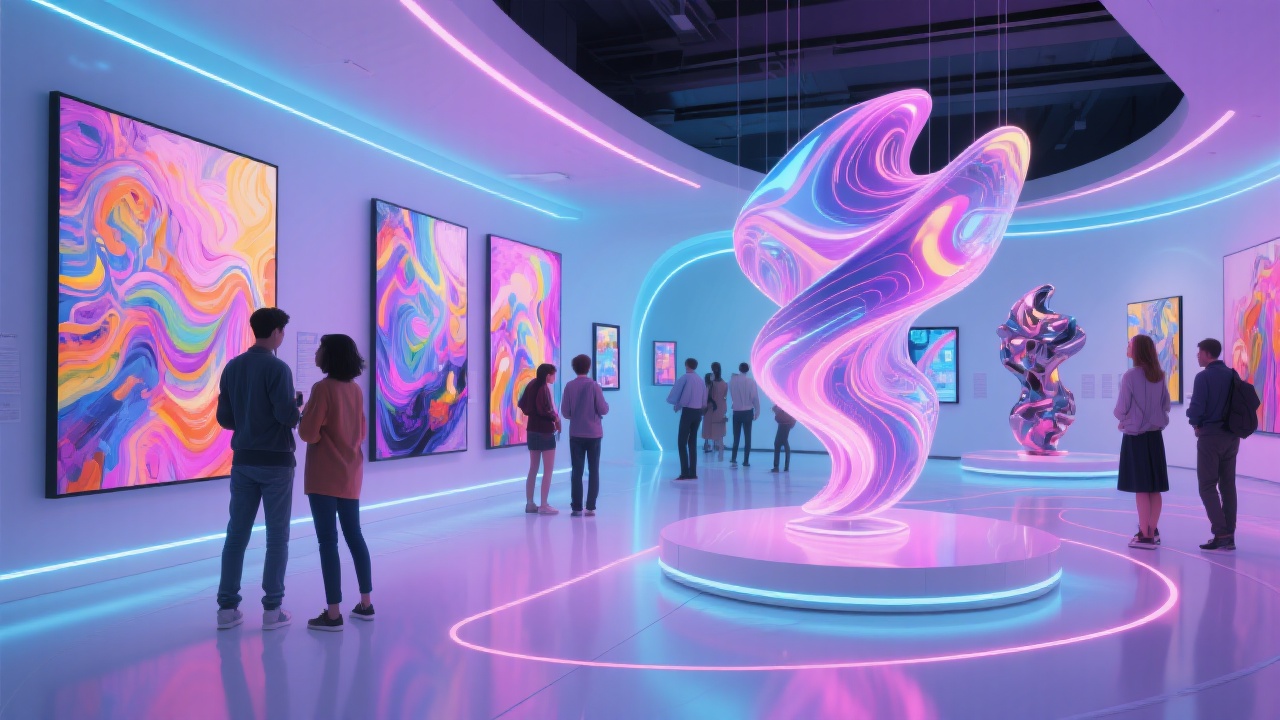
Furthermore, the rise of interactive AI art installations has transformed the viewer’s experience. By engaging with AI systems, audiences can influence the artwork in real-time, creating a dynamic interplay between technology and human interaction. This evolution challenges the traditional passive role of the viewer, inviting them to become active participants in the artistic process.
The Societal Impact of AI Art: A New Paradigm
As AI art continues to gain traction, its societal impact is becoming increasingly evident. One significant aspect is the democratization of art creation. With accessible AI tools, individuals without formal artistic training can produce visually captivating works. This shift has the potential to break down barriers to entry in the art world, allowing a broader range of voices and perspectives to emerge.
Moreover, AI art has the ability to address contemporary issues and engage with pressing societal themes. Artists are leveraging AI to create works that comment on technology’s role in our lives, environmental concerns, and social justice. By harnessing the power of AI, artists can amplify their messages and reach wider audiences, fostering critical conversations about the world we inhabit.
However, the proliferation of AI art also raises questions about authenticity and emotional connection. Can a piece created by an algorithm evoke the same feelings as one crafted by a human hand? While AI can mimic styles and techniques, the emotional depth and personal experiences that inform human art remain distinct. This dichotomy invites ongoing dialogue about the nature of art and the human experience.
Conclusion: Embracing the Future of AI Art
The intersection of technology and artistic vision in AI art is a rich and evolving landscape. As we navigate the complexities of ethics, techniques, and societal impact, it is essential to embrace the potential of AI as both a tool and a collaborator. By fostering a dialogue around these issues, we can cultivate a more inclusive and innovative artistic community.
As AI continues to shape the future of art, it challenges us to rethink our definitions of creativity, authorship, and emotional connection. The journey into this new frontier is just beginning, and the possibilities are as vast as the imagination itself.