



AI Technology’s Role in Shaping Future Innovations and Transforming Everyday Experiences
Artificial Intelligence (AI) is not merely a buzzword; it has become a cornerstone of modern innovation, influencing various sectors and transforming how we interact with technology in our daily lives. From healthcare to finance, AI is reshaping industries, enhancing efficiency, and improving user experiences. This article delves into the evolution of AI technologies, focusing on neural networks, the impact of big data, and breakthroughs in reinforcement learning. By understanding these components, we can appreciate how AI is sculpting our future.
The Evolution of Neural Networks
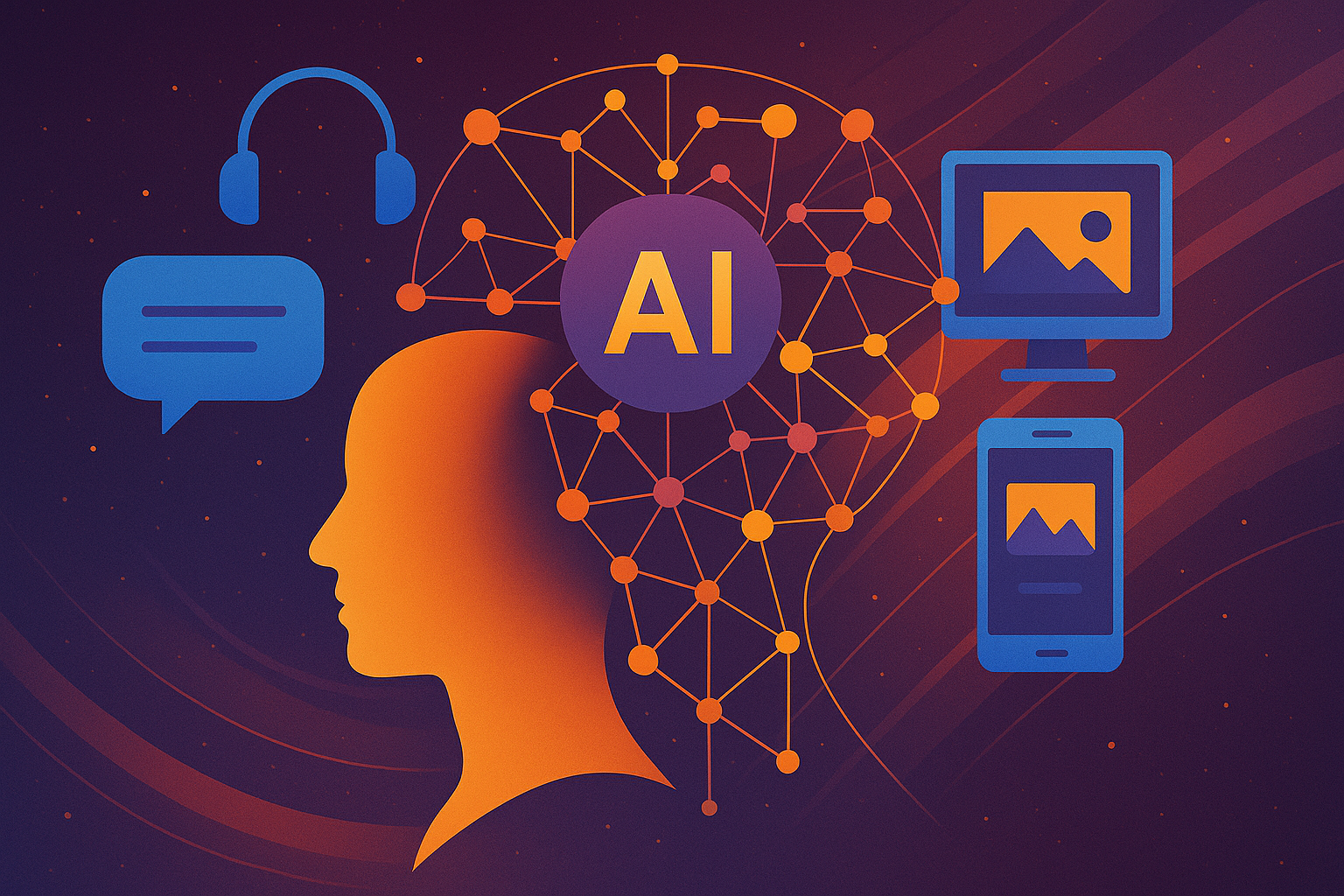
Neural networks, inspired by the human brain’s architecture, have undergone significant advancements since their inception. Initially, early models struggled with complex tasks due to limited computational power and data availability. However, the advent of deep learning—an approach that employs multiple layers of neural networks—has revolutionized the field.
Deep learning has enabled machines to learn from vast amounts of data, leading to breakthroughs in image and speech recognition. For instance, convolutional neural networks (CNNs) have become the backbone of image processing applications, allowing for accurate facial recognition and real-time video analysis. Similarly, recurrent neural networks (RNNs) excel in processing sequential data, making them ideal for natural language processing tasks.
As neural networks continue to evolve, they are being integrated into everyday applications. Virtual assistants, such as Siri and Alexa, utilize these networks to understand and respond to user queries. Furthermore, advancements in generative adversarial networks (GANs) are pushing the boundaries of creativity in fields like art and music, allowing machines to generate content that rivals human creativity.
The Role of Big Data
Big data serves as the fuel for AI algorithms, providing the vast datasets necessary for training models. The exponential growth of data generated daily—from social media interactions to IoT devices—has created unprecedented opportunities for AI applications. Companies that harness this data effectively can gain valuable insights, optimize operations, and enhance customer experiences.
In the healthcare sector, for example, big data analytics powered by AI is revolutionizing patient care. By analyzing electronic health records, wearable device data, and genomic information, AI can identify patterns that lead to more accurate diagnoses and personalized treatment plans. Predictive analytics, driven by AI, can forecast disease outbreaks and assist in resource allocation, ultimately saving lives.
Moreover, in the realm of e-commerce, AI leverages big data to create personalized shopping experiences. Algorithms analyze customer behavior, preferences, and past purchases to recommend products tailored to individual tastes. This not only enhances customer satisfaction but also boosts sales for businesses.
Breakthroughs in Reinforcement Learning
Reinforcement learning (RL) is a subset of machine learning where agents learn to make decisions by interacting with their environment. This approach has gained traction due to its ability to solve complex problems through trial and error. RL has been instrumental in various applications, from robotics to game development.
One notable example is AlphaGo, the AI developed by DeepMind that defeated the world champion Go player. This achievement highlighted RL’s potential to tackle problems with vast state spaces and complex strategies. By simulating countless games, AlphaGo learned optimal moves, showcasing the power of self-improvement through experience.
In real-world applications, RL is transforming industries such as autonomous driving. Self-driving cars utilize RL to navigate complex environments, learning from thousands of simulated driving scenarios to improve decision-making in real time. This technology not only promises safer roads but also paves the way for more efficient transportation systems.
Furthermore, RL is being explored in finance for algorithmic trading. By analyzing market data and making decisions based on reward structures, AI can optimize trading strategies, potentially leading to higher returns on investments.
The Future of AI in Everyday Life
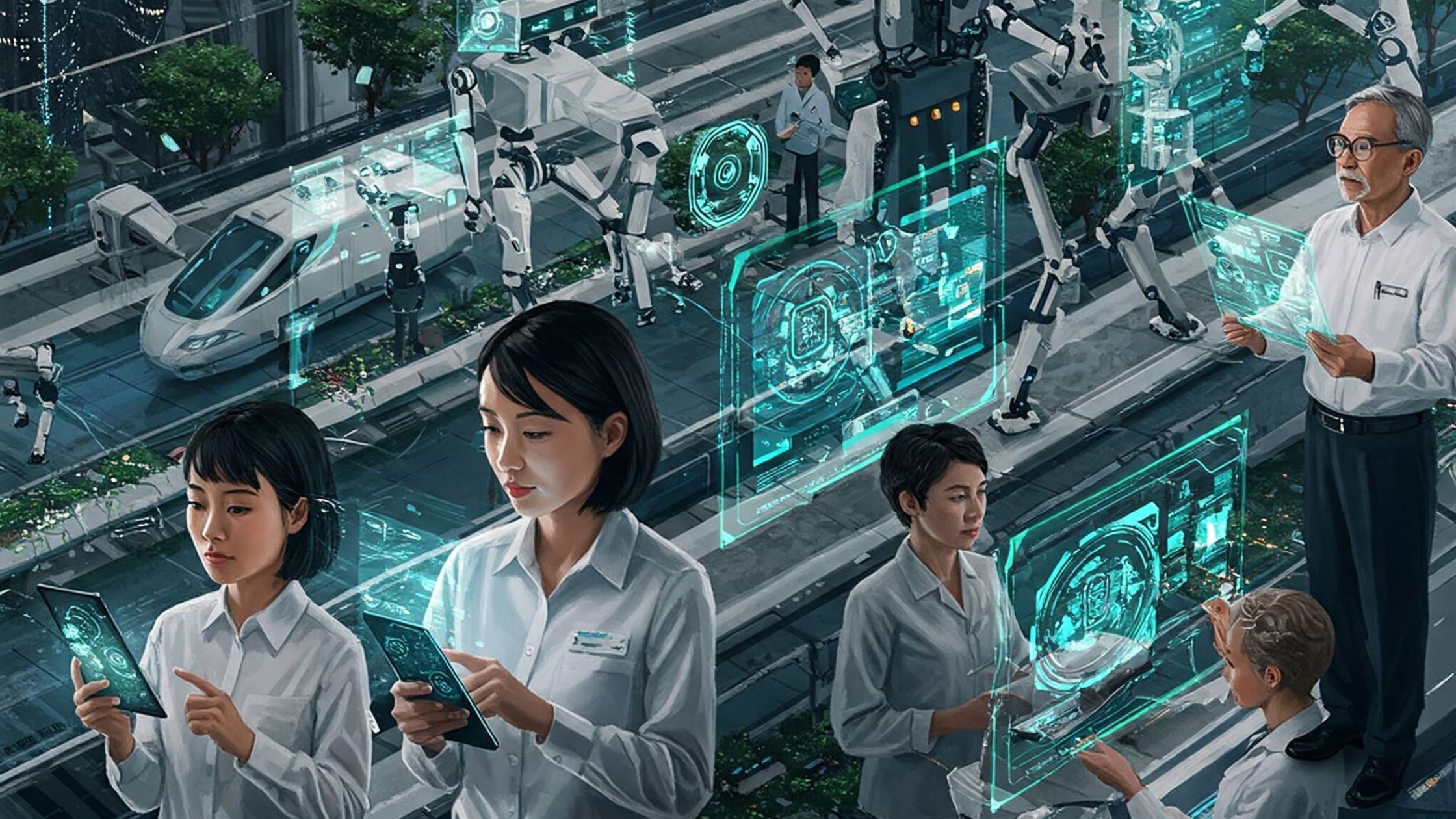
As AI technology continues to advance, its integration into everyday experiences is set to deepen. Smart homes equipped with AI-driven devices will automate tasks, enhancing convenience and energy efficiency. Imagine a home that anticipates your needs—adjusting the thermostat based on your preferences or preparing your morning coffee as you wake up.
In education, AI is poised to personalize learning experiences. Adaptive learning platforms can analyze student performance and tailor curricula to meet individual needs, ensuring that no student is left behind. This approach not only fosters engagement but also enhances learning outcomes.
Moreover, the ethical implications of AI cannot be overlooked. As AI systems become more pervasive, addressing bias, transparency, and accountability will be crucial. Developing ethical frameworks and guidelines will ensure that AI technologies are used responsibly, benefiting society as a whole.
Conclusion
AI technology is undeniably shaping the future of innovation and transforming our everyday experiences. The evolution of neural networks, the role of big data, and breakthroughs in reinforcement learning are just a few facets of this multifaceted field. As we continue to explore the potential of AI, it is essential to embrace its benefits while addressing the ethical challenges that accompany its growth. The future holds immense possibilities, and by leveraging AI responsibly, we can enhance our lives and drive progress across various sectors.