

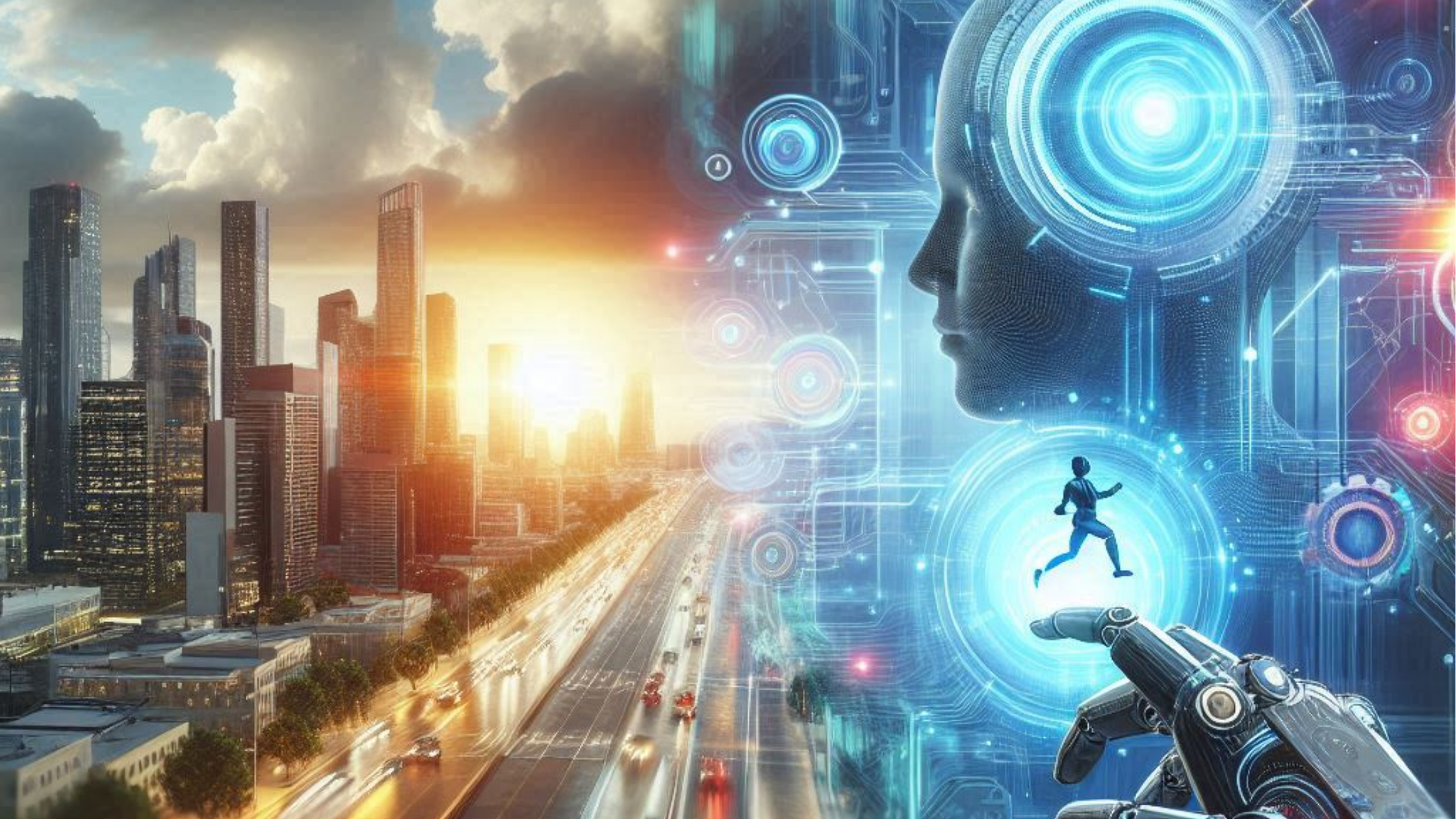
AI in Action: How Intelligent Technology is Revolutionizing Everyday Life and Industries Worldwide
Artificial Intelligence (AI) has transitioned from a theoretical concept to an integral part of our daily lives and industries. As we navigate the 21st century, AI continues to redefine how we interact with technology, enhancing efficiency and productivity across various sectors. From healthcare to finance, the influence of AI is undeniable, and its evolution is a testament to human ingenuity. In this article, we will explore the remarkable advancements in AI technology, focusing on the evolution of neural networks, the role of big data, and breakthroughs in reinforcement learning.
The Evolution of Neural Networks
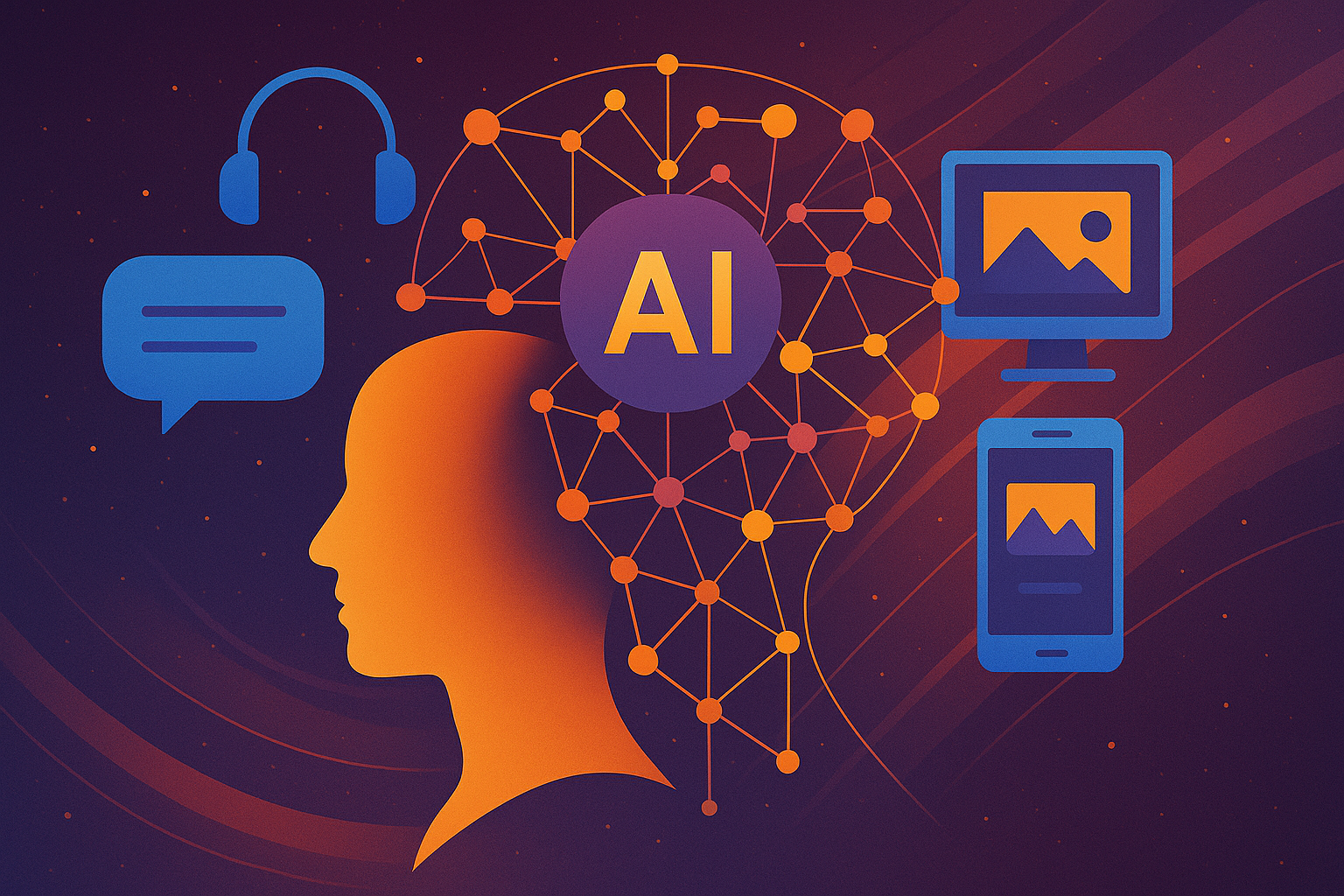
Neural networks, inspired by the human brain’s architecture, have been pivotal in the advancement of AI. Initially introduced in the 1940s, early models were limited in their capabilities due to computational constraints and the lack of substantial data. However, the advent of more powerful processors and an abundance of data in the 21st century has led to a renaissance in neural network research.
Deep learning, a subset of machine learning, has emerged as a game-changer. Utilizing multi-layered neural networks, deep learning enables machines to learn from vast amounts of unstructured data, such as images and text. For instance, convolutional neural networks (CNNs) have transformed image recognition tasks, allowing applications like facial recognition and autonomous vehicles to achieve unprecedented accuracy.
Moreover, recurrent neural networks (RNNs) have revolutionized natural language processing (NLP). By understanding the context and sequence of words, RNNs enable applications such as chatbots and virtual assistants to interact more naturally with users. The evolution of these neural network architectures has not only improved AI’s performance but has also made it more accessible to industries looking to harness its power.
The Role of Big Data
Big data plays a crucial role in the effectiveness of AI systems. The explosion of data generated by digital interactions, social media, and IoT devices provides the raw material for AI algorithms to learn and improve. The synergy between big data and AI is evident in various applications, from personalized marketing to predictive analytics.
For instance, in the retail sector, companies leverage big data to analyze customer behavior and preferences. By employing AI algorithms, businesses can predict trends, optimize inventory, and tailor marketing strategies. This data-driven approach not only enhances customer satisfaction but also drives revenue growth.
Healthcare is another domain where big data and AI converge. The integration of electronic health records, genomic data, and wearable technology enables healthcare providers to deliver personalized treatments. Machine learning algorithms analyze this vast array of data to identify patterns, predict patient outcomes, and even assist in diagnosing diseases. The result is a more efficient healthcare system that can respond to patient needs proactively.
Breakthroughs in Reinforcement Learning
Reinforcement learning (RL) represents a significant advancement in the field of AI, characterized by its ability to learn through trial and error. Unlike traditional supervised learning, where models are trained on labeled data, RL focuses on maximizing cumulative rewards through interactions with an environment. This approach has led to groundbreaking applications, particularly in robotics and gaming.
One of the most notable examples of reinforcement learning is AlphaGo, developed by DeepMind. By mastering the ancient game of Go, AlphaGo demonstrated the potential of RL to tackle complex problems. Its success was not merely due to brute computational power; rather, it learned strategies through self-play, refining its approach over time. This achievement has implications beyond gaming, showcasing how RL can be applied to real-world challenges, such as optimizing supply chains or enhancing autonomous navigation systems.
Furthermore, RL is making strides in industries like finance, where algorithms can learn to make investment decisions by simulating market conditions. By continuously adapting to changing environments, these AI systems can optimize portfolios and manage risks more effectively.
In summary the integration of AI into everyday life and various industries is a testament to its transformative power. The evolution of neural networks has paved the way for unprecedented advancements in machine learning, while big data has provided the necessary fuel for these systems to thrive. Breakthroughs in reinforcement learning have further expanded the horizons of AI applications, enabling machines to tackle complex tasks with remarkable efficiency.
As we continue to explore the potential of AI, it is essential to approach its development with ethical considerations in mind. Balancing innovation with responsibility will ensure that AI serves as a force for good, enhancing our lives while addressing the challenges of the future. The journey of AI is far from over, and its impact on society will only grow in the years to come.