AI Art’s Impact: Exploring How Technology is Transforming the World of Visual Expression
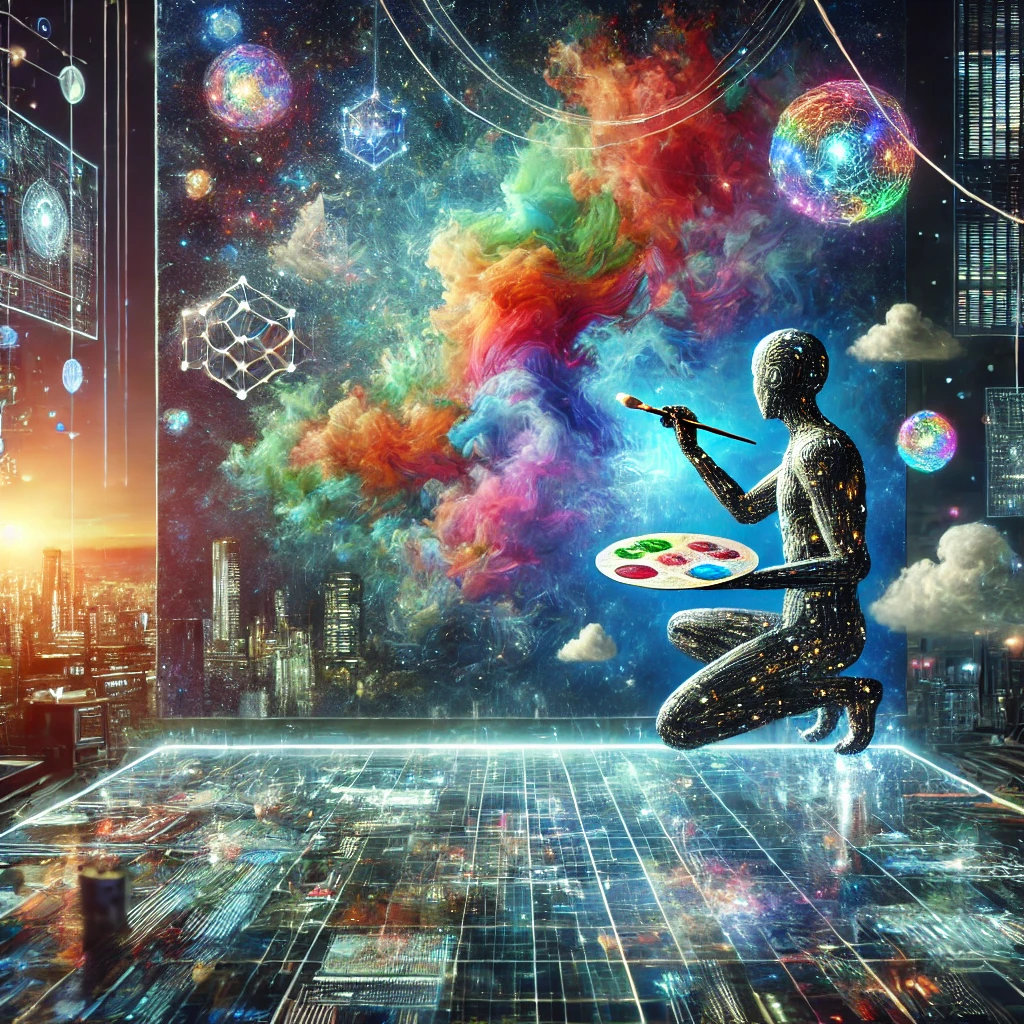
In recent years, the rise of artificial intelligence (AI) has sparked a revolution across numerous fields, and the realm of visual art is no exception. The emergence of AI art—where algorithms and machine learning models generate images, paintings, and even animations—has prompted a profound inquiry into the nature of creativity, the role of the artist, and the future of visual expression. This article delves into the transformative effects of AI on the art world, examining philosophical questions surrounding creativity, practical applications in artistic workflows, and the aesthetics of AI-generated art.
The Philosophical Questions of Creativity
One of the most compelling aspects of AI art is its ability to challenge traditional notions of creativity. Historically, creativity has been viewed as an inherently human trait, tied to emotional depth, personal experience, and the ability to communicate complex ideas. However, AI-generated art raises critical questions: Can a machine truly create? What does it mean to be an artist in a world where algorithms can produce visually stunning works?
The philosophical implications of AI art are vast. Some argue that creativity is not solely about the end product but also the process. While AI can generate art based on learned patterns and styles, it lacks the consciousness and intentionality that characterize human creativity. This perspective suggests that AI art may be more of a reflection of human creativity—an extension of our artistic impulses—rather than a replacement.
Conversely, proponents of AI art contend that creativity can exist independently of the creator’s consciousness. They argue that if a machine can produce works that evoke emotion, provoke thought, or inspire viewers, it fulfills a fundamental purpose of art. This debate invites us to reconsider our definitions of creativity and the role of the artist in contemporary society.
Practical Integration into Artistic Workflows
Beyond philosophical inquiries, AI art is increasingly being integrated into the workflows of artists, designers, and creative professionals. Tools like OpenAI’s DALL-E, Midjourney, and Adobe’s AI features have become invaluable resources for generating ideas, enhancing creativity, and streamlining the artistic process.
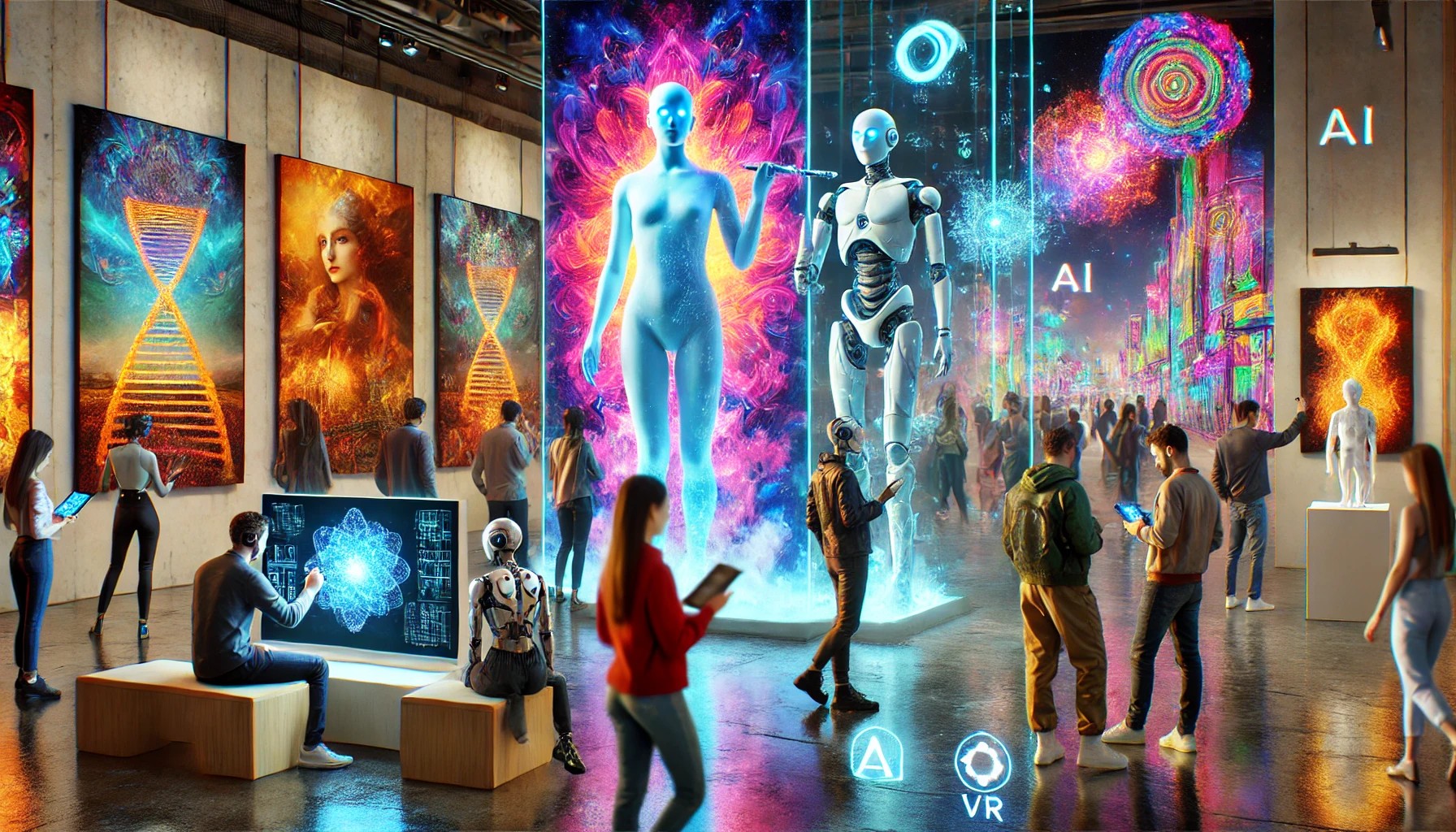
For many artists, AI serves as a collaborative partner rather than a competitor. By generating variations of a concept or providing inspiration based on specific prompts, AI can help artists overcome creative blocks and explore new avenues of expression. For instance, an illustrator might use an AI tool to generate a series of character designs, which can then be refined and personalized through traditional artistic techniques.
Moreover, AI’s ability to analyze vast datasets allows it to identify trends and styles that may not be immediately apparent to human artists. This data-driven approach can inform creative decisions, enabling artists to stay relevant in an ever-evolving landscape. However, this integration is not without its challenges. Questions of authorship, copyright, and the potential dilution of artistic integrity arise as artists navigate the intersection of technology and creativity.
The Aesthetics of AI-Generated Art
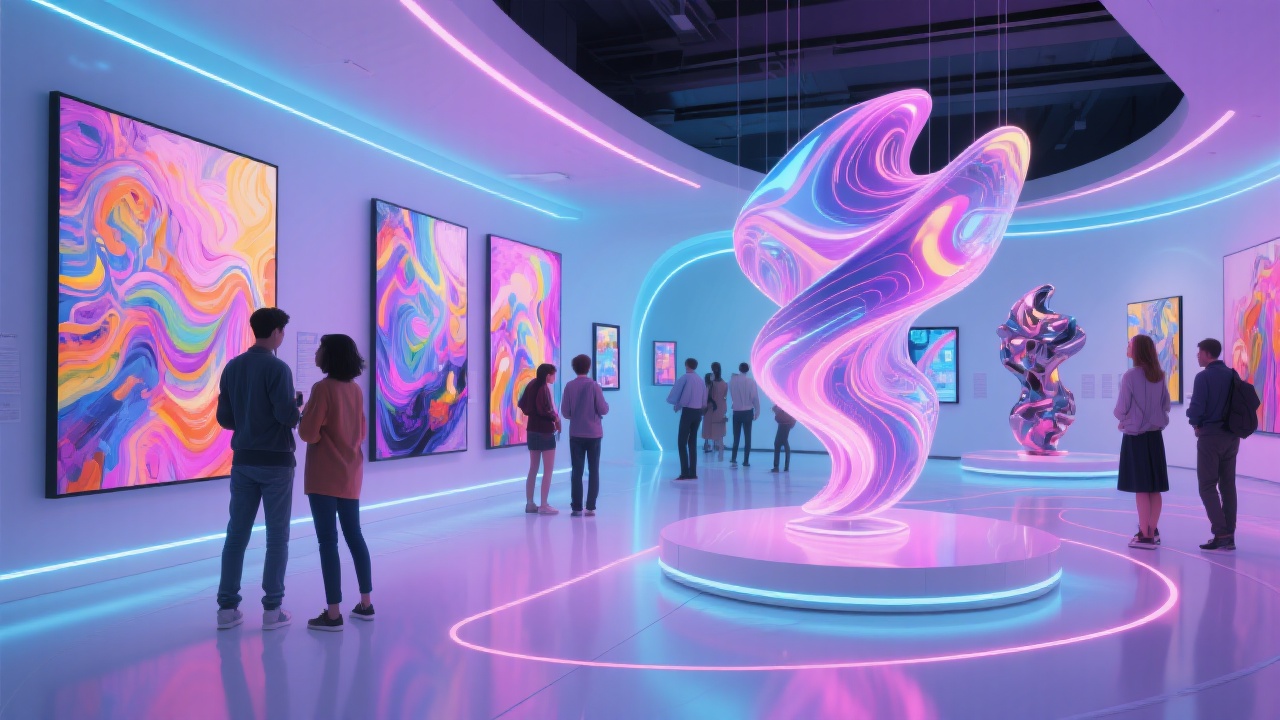
The aesthetics of AI art present a fascinating area of exploration. As AI models learn from existing artworks, they often mimic styles, techniques, and themes, resulting in pieces that can be strikingly beautiful yet eerily familiar. The visual language of AI art can evoke a sense of nostalgia, as it often draws upon established artistic movements while simultaneously pushing the boundaries of what is considered art.
One notable aspect of AI-generated art is its capacity for innovation. Algorithms can create hybrid styles that blend elements from various art forms, resulting in unique visual experiences. For instance, an AI model might combine Impressionist color palettes with Surrealist themes, producing works that challenge conventional categorizations. This fusion of styles not only broadens the artistic landscape but also invites viewers to engage with art in new and unexpected ways.
However, the aesthetic value of AI art is often debated. Critics argue that the lack of a human touch may lead to a sterile or soulless quality in AI-generated works. They emphasize the importance of the artist’s emotional input and unique perspective, which AI cannot replicate. On the other hand, supporters highlight the novelty and innovation that AI brings to the table, suggesting that the emotional resonance of a piece may stem from the viewer’s interaction with it rather than the creator’s intent.
Conclusion: A New Era of Artistic Expression
As we stand on the precipice of a new era in artistic expression, it is clear that AI art has the potential to reshape the landscape of visual creativity. The philosophical questions surrounding creativity challenge us to rethink our understanding of the artist’s role, while the practical integration of AI tools into artistic workflows opens new avenues for innovation and collaboration. Moreover, the aesthetics of AI-generated art invite us to engage with visual expression in ways that transcend traditional boundaries.
Ultimately, the impact of AI on the art world is multifaceted and complex. It is not merely a tool for generating images but a catalyst for dialogue about creativity, authorship, and the very nature of art itself. As artists, technologists, and audiences continue to navigate this evolving landscape, the future of visual expression promises to be as rich and diverse as the human experience it seeks to capture.