AI Artistry: How Machine Learning is Shaping Visual Expression and Redefining Artistic Boundaries
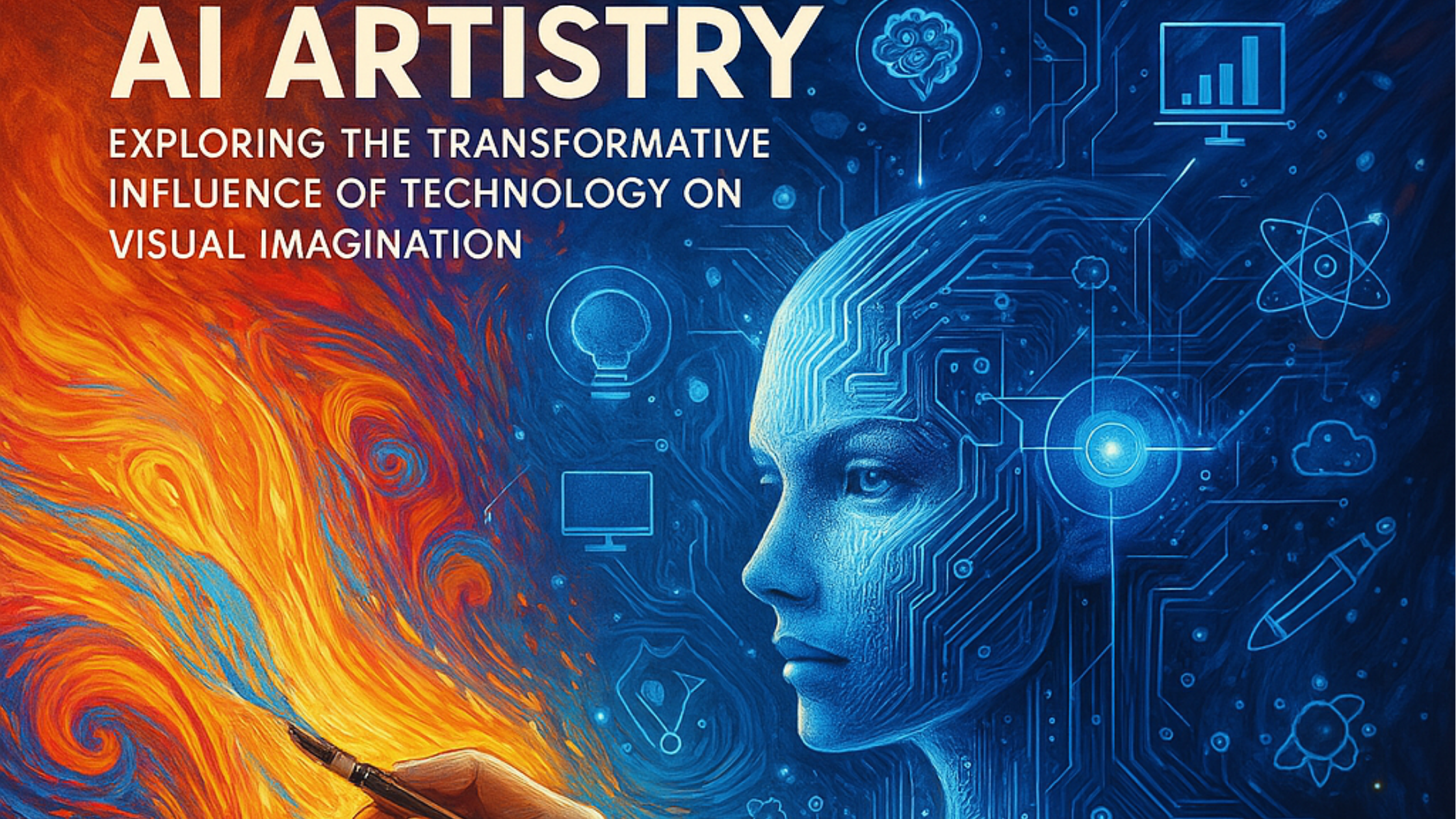
The intersection of technology and art has long been a fertile ground for innovation and exploration. As we stand on the precipice of a new era defined by artificial intelligence (AI), it is crucial to trace the historical lineage of generative and computational art that has led us to this moment. AI artistry is not merely a contemporary phenomenon; rather, it is the culmination of decades of experimentation and evolution in the realm of visual expression. This article seeks to contextualize modern AI art within this rich tradition, exploring significant historical links and points of divergence that have shaped its development.
The Roots of Algorithmic Art: Pioneers of the 1960s
The journey toward AI artistry can be traced back to the 1960s when pioneers like Frieder Nake, Harold Cohen, and Vera Molnar began to employ algorithms as a means of artistic creation. These early artists recognized that computers could be more than mere tools; they could serve as collaborators in the creative process. Nake’s “Matrix” series, for instance, utilized mathematical functions to generate intricate patterns, while Cohen’s AARON program was designed to autonomously create drawings based on a set of predefined rules.
What set these artists apart was their understanding of the computer as an artistic medium rather than a simple means of reproduction. They approached their work with a mindset that combined artistic intuition with mathematical precision, laying the groundwork for future explorations in generative art. Unlike traditional art forms, which often relied on the artist’s hand, these pioneers embraced the idea of the machine as an active participant in the creative process, thereby redefining the boundaries of authorship and creativity.
The Influence of Cybernetics: Feedback Loops and Interactivity
As the field of art continued to evolve, the influence of cybernetics in the 1970s and 1980s introduced a new dimension to the conversation. Cybernetics, the study of systems and feedback loops, found its way into artistic practices, encouraging artists to explore interactivity and dynamic systems. Artists like Nam June Paik and Myron Krueger began to incorporate real-time data and viewer interaction into their work, creating immersive environments that responded to audience engagement.
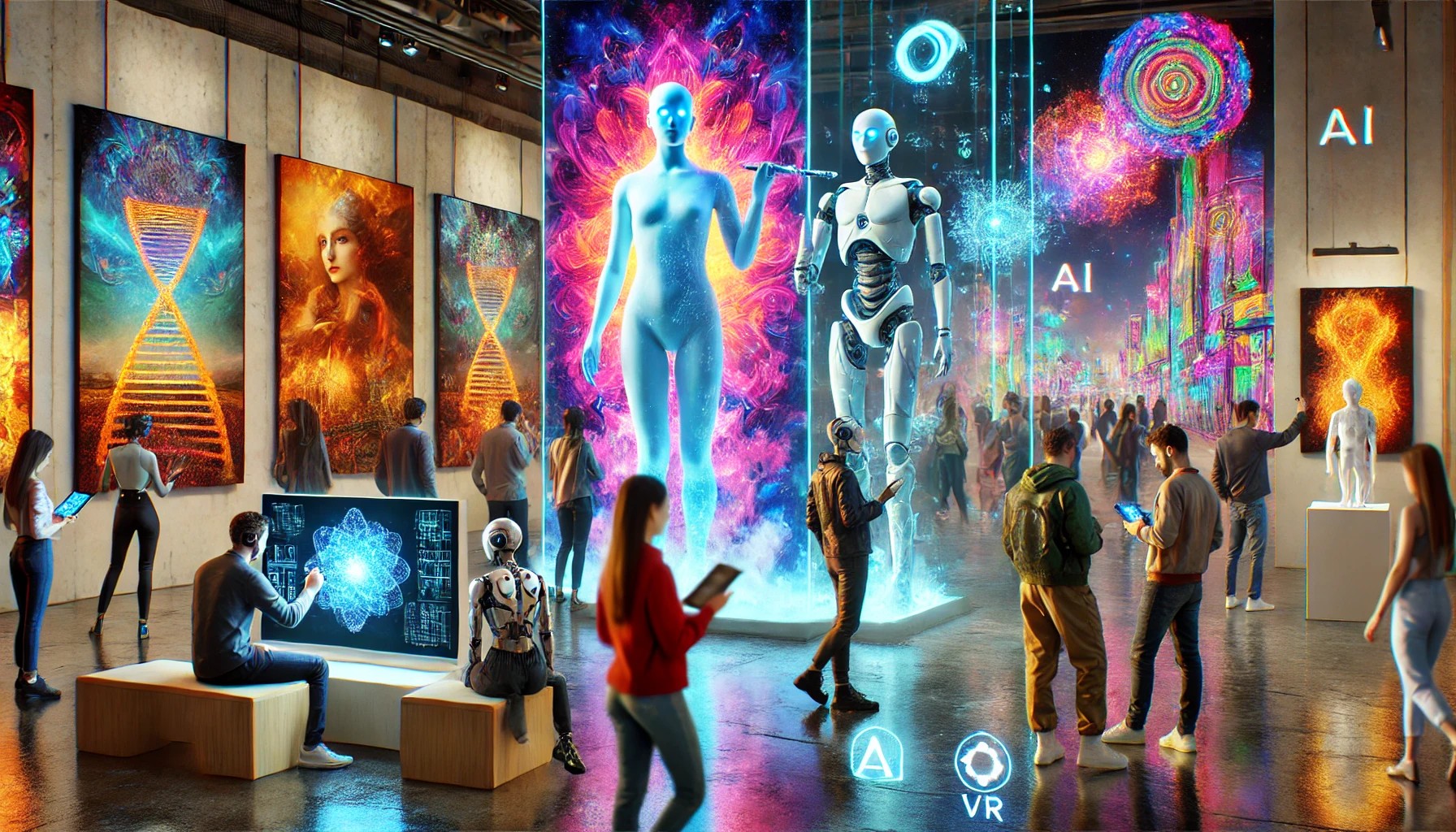
This shift marked a significant divergence from earlier generative methods, which often produced static outputs. The introduction of interactivity allowed for a more fluid and evolving relationship between the artwork and its audience. In this context, AI’s ability to learn and adapt in real-time becomes even more significant. Contemporary AI art often builds upon these principles, utilizing machine learning algorithms that can analyze and respond to user input, creating a dialogue between the viewer and the artwork that was previously unimaginable.
Modern AI Art: A New Artistic Paradigm
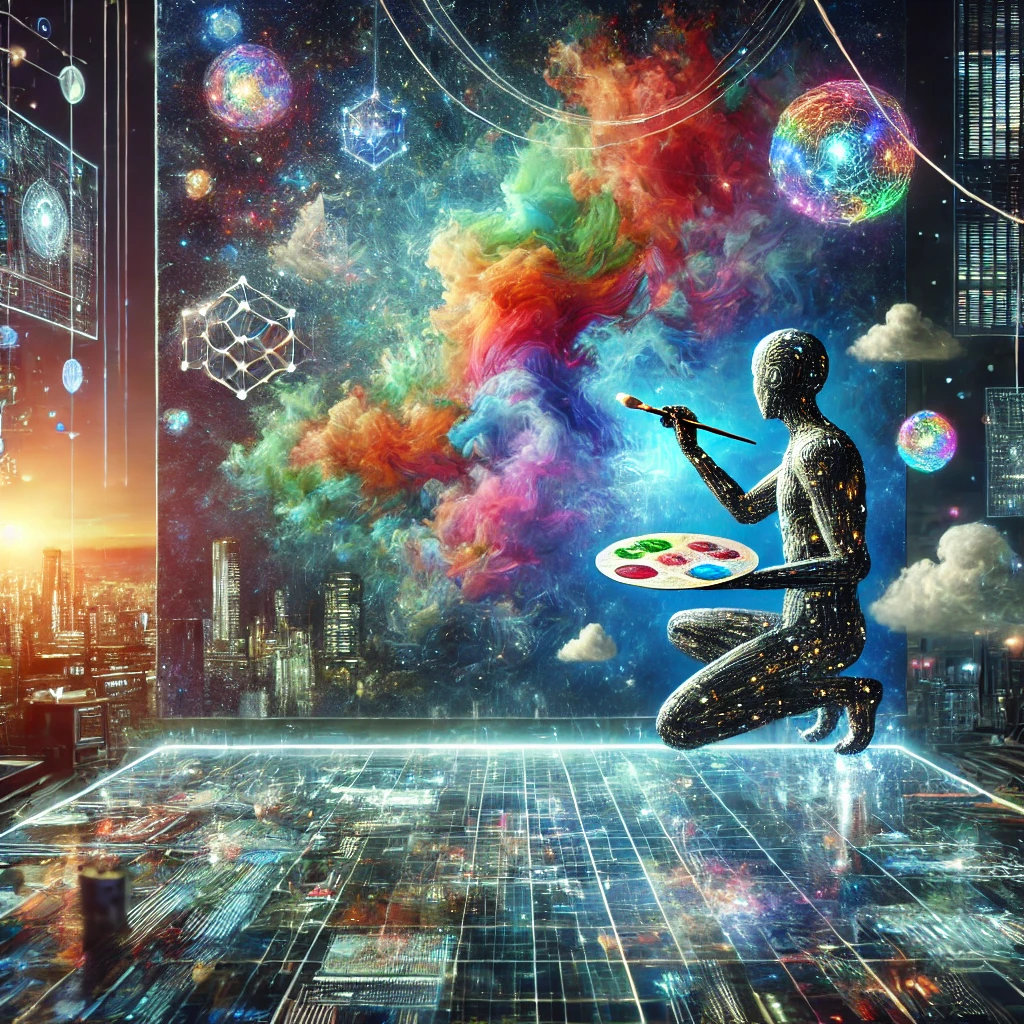
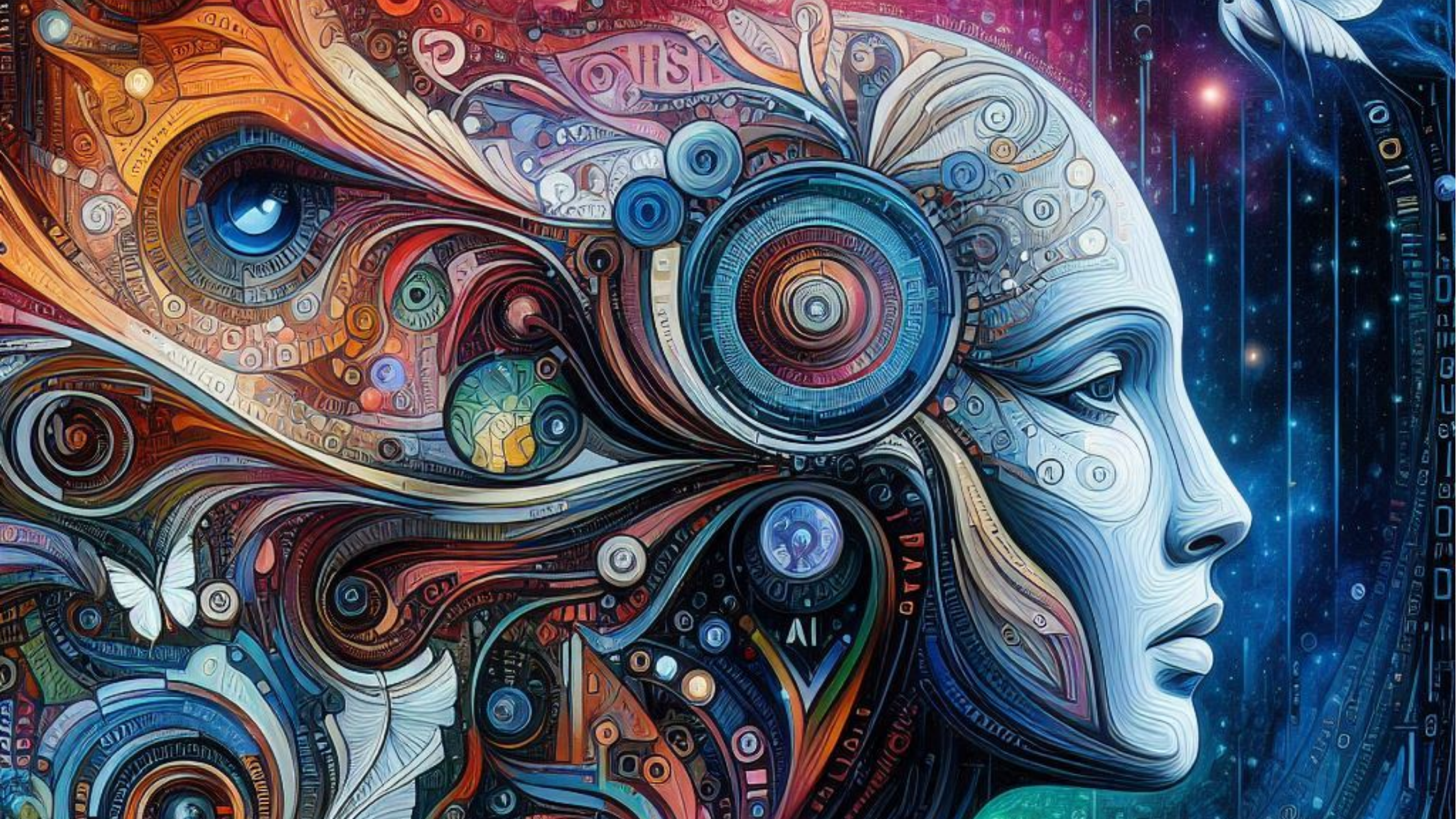
The advent of machine learning has ushered in a new paradigm in the world of generative art. While earlier forms of algorithmic art relied heavily on predetermined rules and mathematical functions, contemporary AI art leverages vast datasets and neural networks to generate works that can mimic, innovate, and even surprise. This shift represents a fundamental change in how art is created and understood.
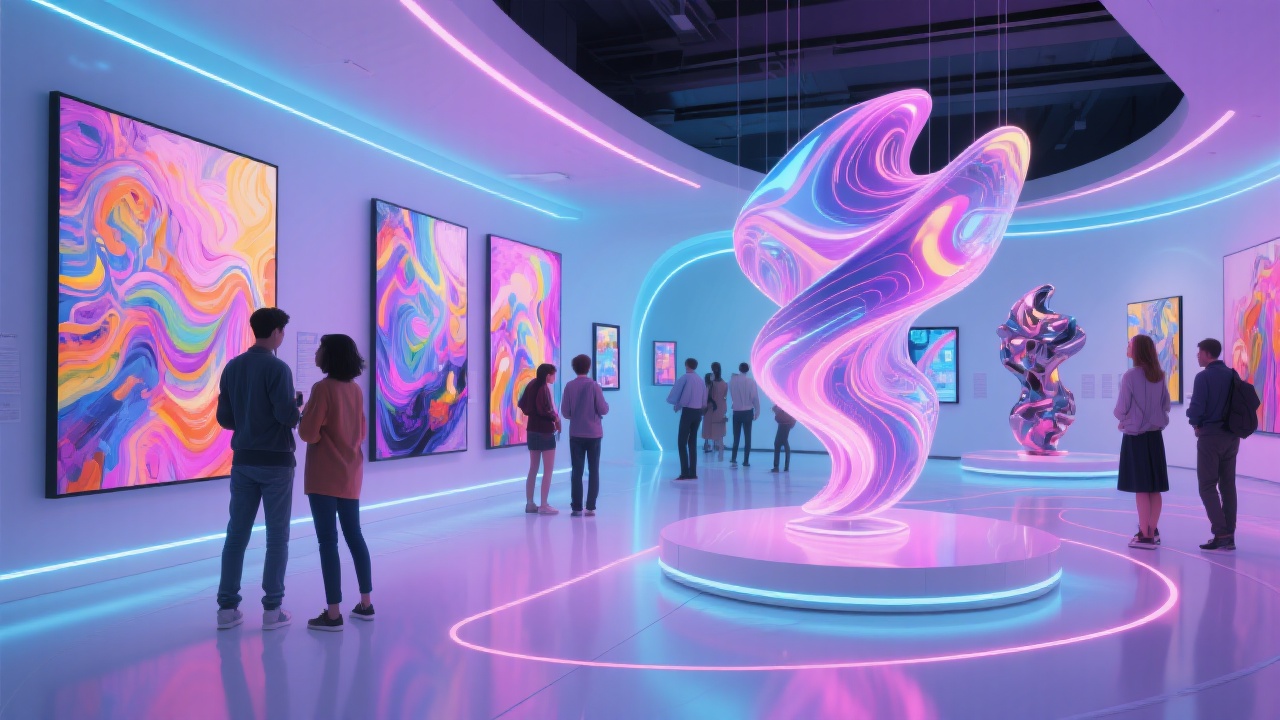
For instance, the work of artists like Refik Anadol and Mario Klingemann exemplifies this evolution. Anadol’s installations use AI to analyze and reinterpret vast amounts of visual data, creating mesmerizing audiovisual experiences that challenge our notions of authorship and creativity. Similarly, Klingemann’s exploration of neural networks and deep learning techniques produces artworks that blur the lines between human and machine creativity.
Unlike their predecessors, modern AI artists often embrace the unpredictability of the machine learning process. This acceptance of chance and randomness introduces a new layer of complexity to the artistic experience, inviting viewers to engage with the work in novel ways. The distinction between artist and machine becomes increasingly blurred, prompting us to reconsider what it means to create art in the age of AI.
The Ethical and Philosophical Implications of AI Art
As we navigate the ever-evolving landscape of AI artistry, it is essential to address the ethical and philosophical implications that arise from this new form of expression. Questions surrounding authorship, originality, and the role of the artist are more pertinent than ever. If a machine can create art, what does that mean for human creativity? Are we witnessing the democratization of art, or are we at risk of devaluing the emotional and experiential aspects that have traditionally defined artistic expression?
Moreover, the use of AI in art raises concerns about the potential for bias and the role of algorithms in shaping cultural narratives. The datasets used to train AI models often reflect societal biases, which can inadvertently influence the artworks produced. As artists and technologists grapple with these challenges, it becomes imperative to establish a framework that promotes ethical practices in AI art creation.
In conclusion, AI artistry represents a significant chapter in the ongoing narrative of visual expression. By tracing the historical lineage of generative and computational art, we can appreciate the evolution of artistic practices that have led to the current moment. From the early algorithmic art pioneers to the influence of cybernetics and the rise of interactive systems, each step has contributed to the rich tapestry of artistic innovation.
As we embrace the possibilities presented by machine learning and AI, we must also remain mindful of the ethical implications and philosophical questions that accompany this new form of expression. Ultimately, AI art challenges us to redefine our understanding of creativity, authorship, and the role of technology in shaping the future of art. As we move forward, it is clear that AI will continue to play a pivotal role in expanding the boundaries of artistic expression, leaving an indelible mark on the history of art.