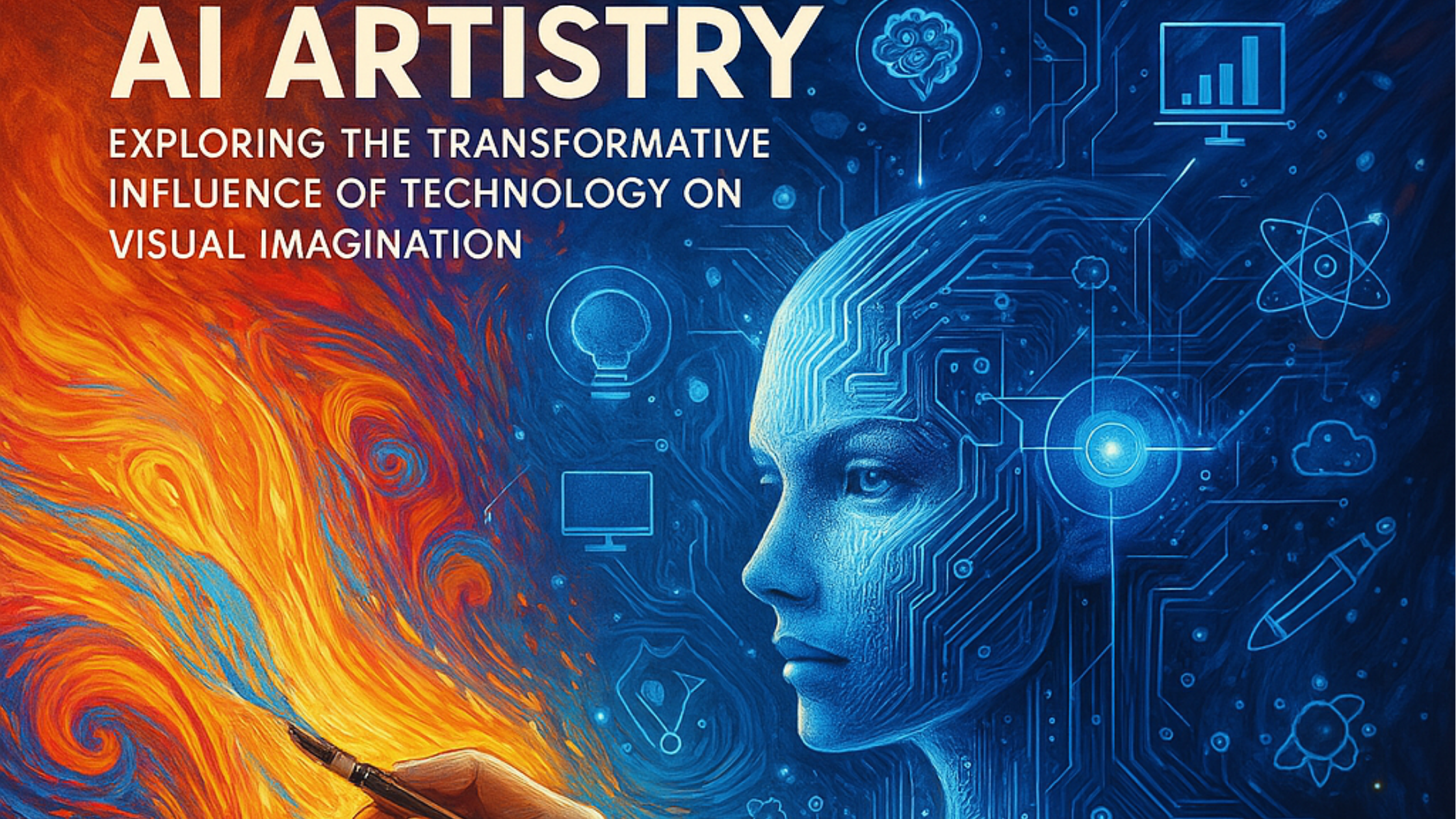
AI Artistry: Exploring the Transformative Influence of Technology on Visual Imagination
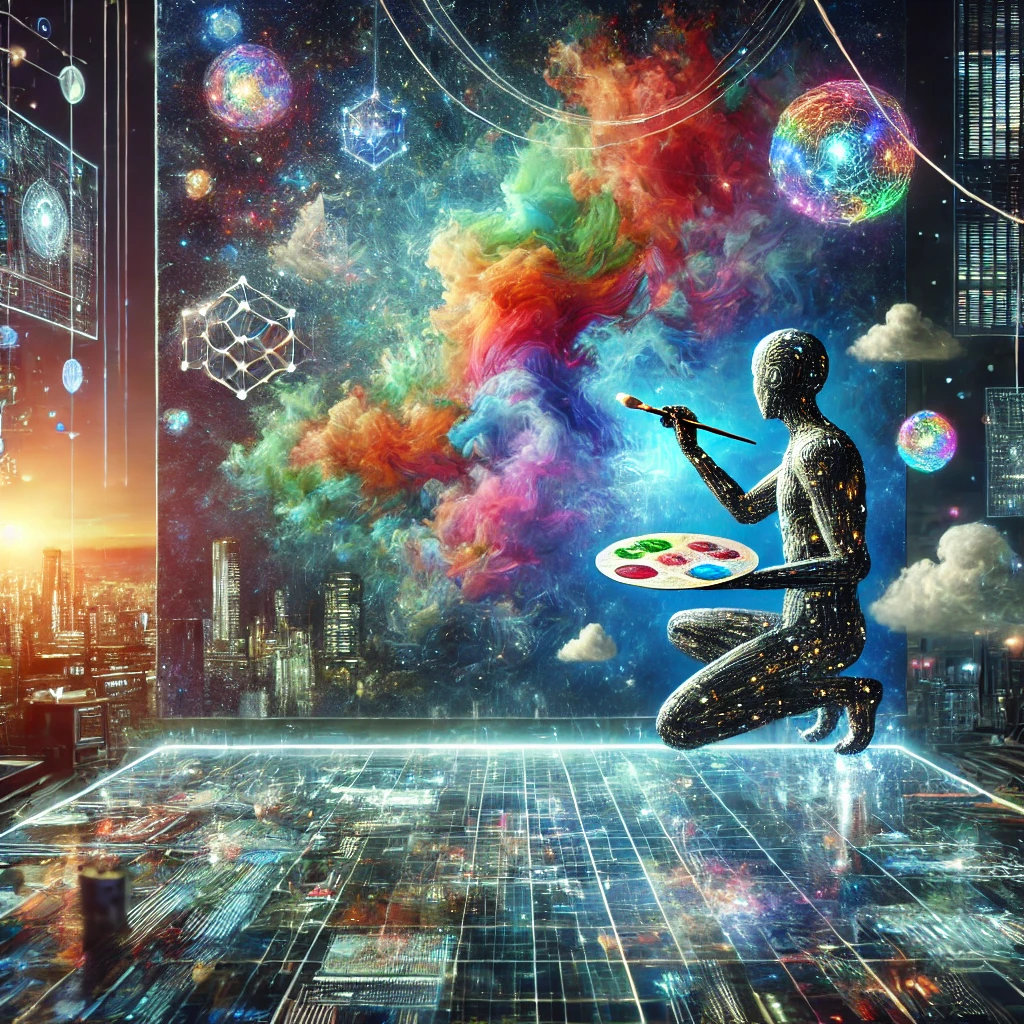
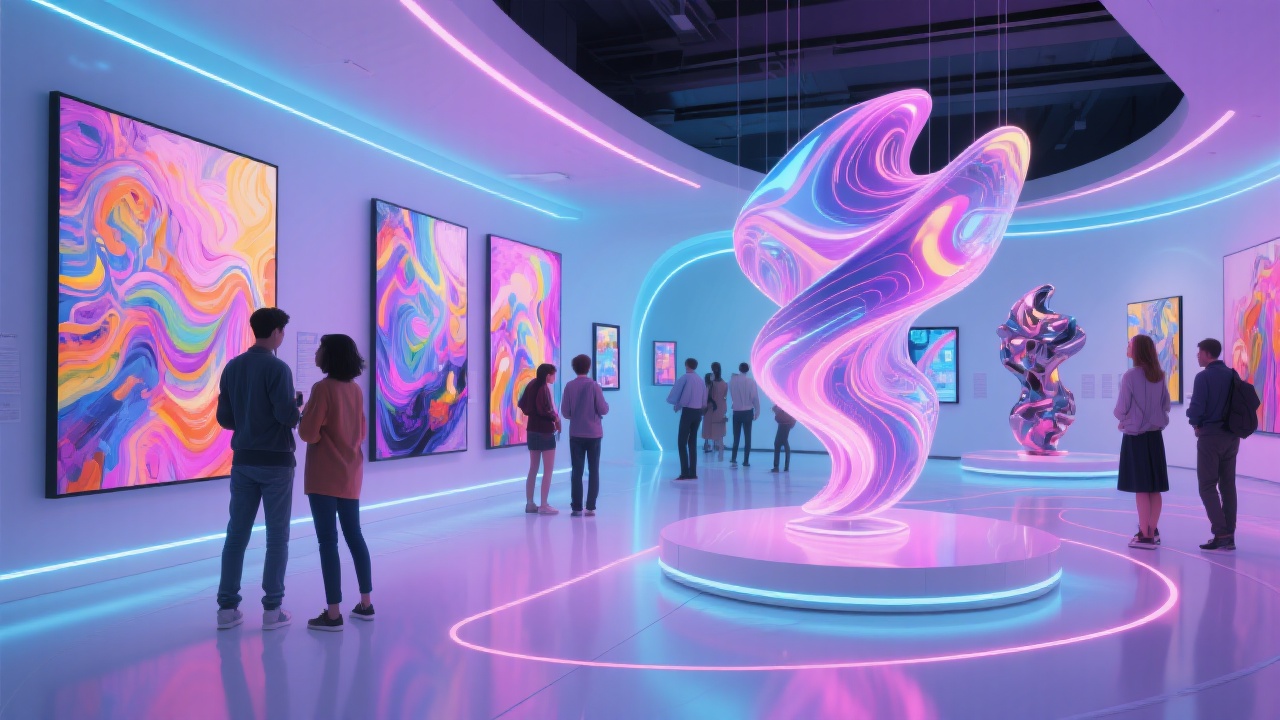
The world of art has always been a reflection of the times, and as technology advances, so too does the medium through which we express our creativity. Today, one of the most exciting developments in the art world is the emergence of AI artistry. This innovative approach not only challenges traditional notions of creativity but also opens up new avenues for artists and enthusiasts alike. In this article, we will explore how AI is transforming visual imagination and what it means for the future of art.
The Rise of AI Art
AI art refers to artwork created with the assistance of artificial intelligence. This can range from simple generative designs to complex pieces that mimic the styles of renowned artists. The rise of AI art can be attributed to advancements in machine learning, particularly in the fields of neural networks and deep learning. These technologies enable computers to analyze vast datasets of images, learning patterns and styles that they can then replicate or adapt.
The implications of AI art are profound. For one, it democratizes the creation of art, allowing individuals without formal training to produce compelling visuals. AI tools can assist in generating ideas, providing inspiration, and even executing intricate designs that might be challenging for a human artist to achieve alone. This fusion of technology and creativity is reshaping how we think about authorship, originality, and the very definition of art.
How AI is Transforming Visual Imagination
1. New Creative Possibilities: AI art tools enable artists to explore styles and concepts that they may not have considered otherwise. By leveraging algorithms, artists can generate unique compositions that blend different artistic influences, leading to innovative outcomes.
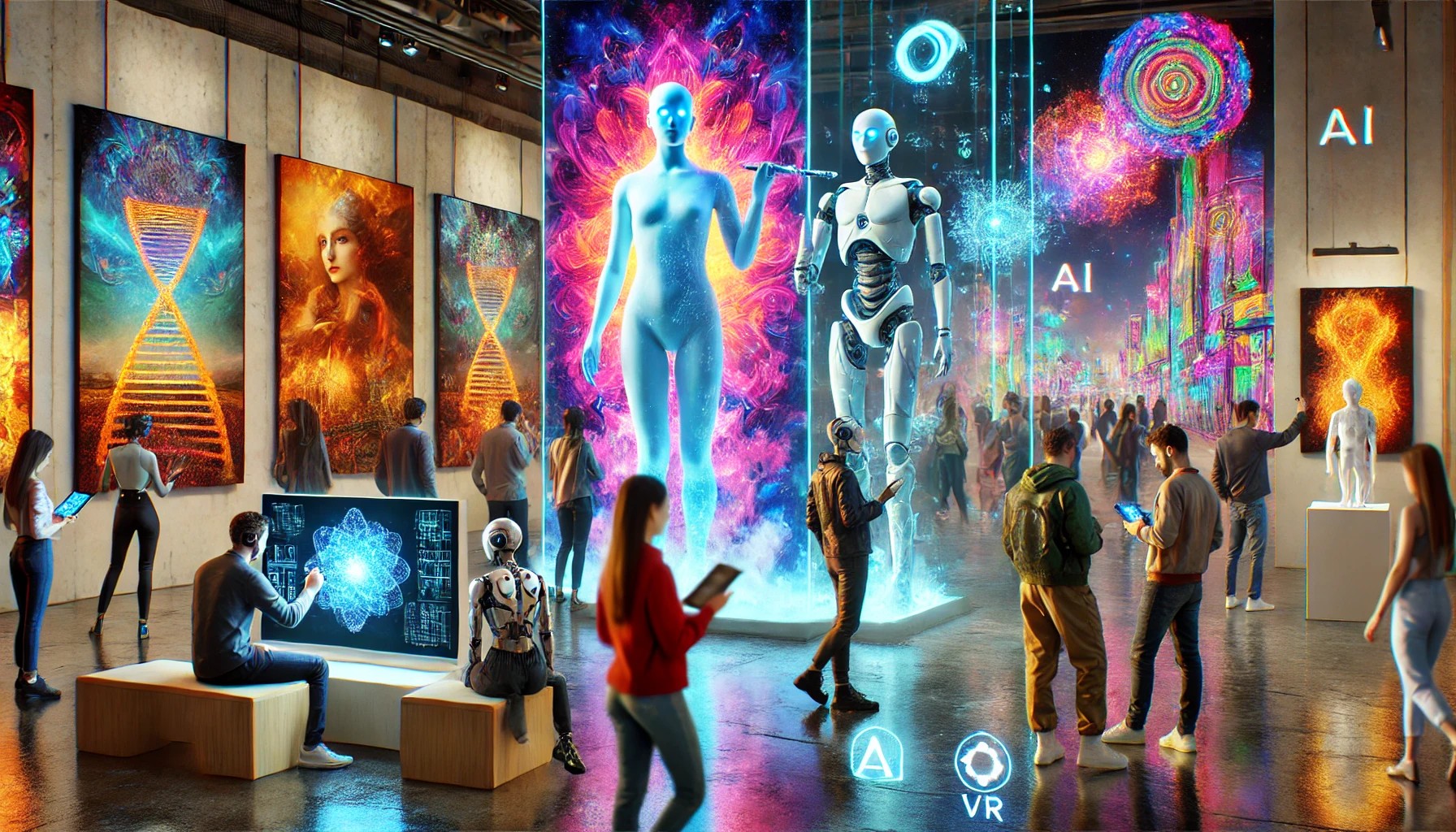
2. Collaboration Between Humans and Machines: Rather than replacing human creativity, AI acts as a collaborator. Artists can input their ideas into AI systems, which then generate variations or suggestions. This partnership can lead to unexpected and inspiring results.
3. Accessibility: With the proliferation of user-friendly AI art tools, anyone can dive into the world of digital art. This accessibility has led to a surge in interest from hobbyists and aspiring artists who may have previously felt intimidated by traditional artistic techniques.
4. Challenging Traditional Norms: AI art raises important questions about authorship and the value of human creativity. As machines produce art that can rival human work, the art community must grapple with what it means to be an artist in the age of AI.
5. Expanding the Definition of Art: AI challenges the boundaries of what constitutes art. As machines create works that evoke emotion and provoke thought, we must reconsider our definitions and criteria for artistic merit.
Getting Started with AI Art
For those intrigued by the possibilities of AI artistry, getting started is easier than ever. Here’s a step-by-step guide on how to create AI art:
1. Choose Your AI Art Tool: There are numerous AI art tools available, each with its unique features and capabilities. Some popular options include:
– DeepArt: Transforms photos into artworks using the styles of famous artists.
– Artbreeder: Allows users to blend images and create new artworks collaboratively.
– RunwayML: A platform that offers various machine-learning models for creative projects.
– DALL-E: Developed by OpenAI, it generates images from textual descriptions.
2. Familiarize Yourself with the Tool: Spend some time exploring the features of your chosen AI art tool. Most platforms offer tutorials or documentation to help you understand how to use their features effectively.
3. Experiment and Create: Start by inputting your ideas or images into the tool. Experiment with different styles, settings, and parameters to see what results you can achieve. Don’t be afraid to play around; creativity often flourishes through experimentation.
4. Refine Your Techniques: As you become more comfortable with the tool, start refining your approach. Learn about the nuances of the algorithms and how to manipulate them to achieve your desired outcomes.
5. Share Your Work: Once you’ve created some pieces you’re proud of, consider sharing them on social media or art communities. Engaging with other artists can provide valuable feedback and inspire further creativity.
Understanding AI Art Copyright
One of the most pressing issues in the realm of AI art is copyright. As AI-generated works become more prevalent, questions arise regarding ownership and intellectual property rights. Here are some key points to consider regarding AI art copyright:
1. Authorship: The question of who owns AI-generated art is complex. If an artist inputs specific parameters into an AI tool, they may claim some ownership over the final product. However, the AI itself is not a legal entity, making it difficult to assign authorship solely to the machine.
2. Using Existing Works: Many AI art tools learn from existing artworks. If your AI-generated piece closely resembles a specific artist’s style, it may raise copyright concerns. It’s essential to understand the source material your AI tool uses and ensure that you’re not infringing on anyone’s rights.
3. Licensing: Some AI art tools may have specific licensing agreements regarding the use of generated works. Always review the terms of service to understand your rights and obligations.
4. Future Legislation: As AI art continues to grow, it’s likely that legislation will evolve to address these copyright issues. Staying informed about changes in copyright law will be crucial for artists working in this space.
Resources for Learning More
For those eager to learn AI art, numerous resources are available:
– Online Courses: Platforms like Coursera, Udemy, and Skillshare offer courses on AI art, covering everything from basic concepts to advanced techniques.
– YouTube Tutorials: Many artists share their experiences and tips on YouTube, providing valuable insights into how to create AI art.
– Art Communities: Joining online forums or social media groups dedicated to AI art can help you connect with other enthusiasts, share your work, and receive feedback.
– Books and Articles: Look for books and articles that delve into the intersection of art and technology. These can provide a deeper understanding of the cultural implications of AI artistry.
Conclusion
AI artistry represents a remarkable convergence of technology and creativity, challenging our perceptions of what art can be. As tools become more accessible and the technology continues to evolve, the potential for innovation in visual imagination is limitless. Whether you’re an experienced artist or a curious beginner, embracing AI art can lead to exciting new creative pathways. The future of art is here, and it’s powered by AI.