AI Art Unleashed: Discovering New Dimensions of Visual Expression Through Technological Innovation
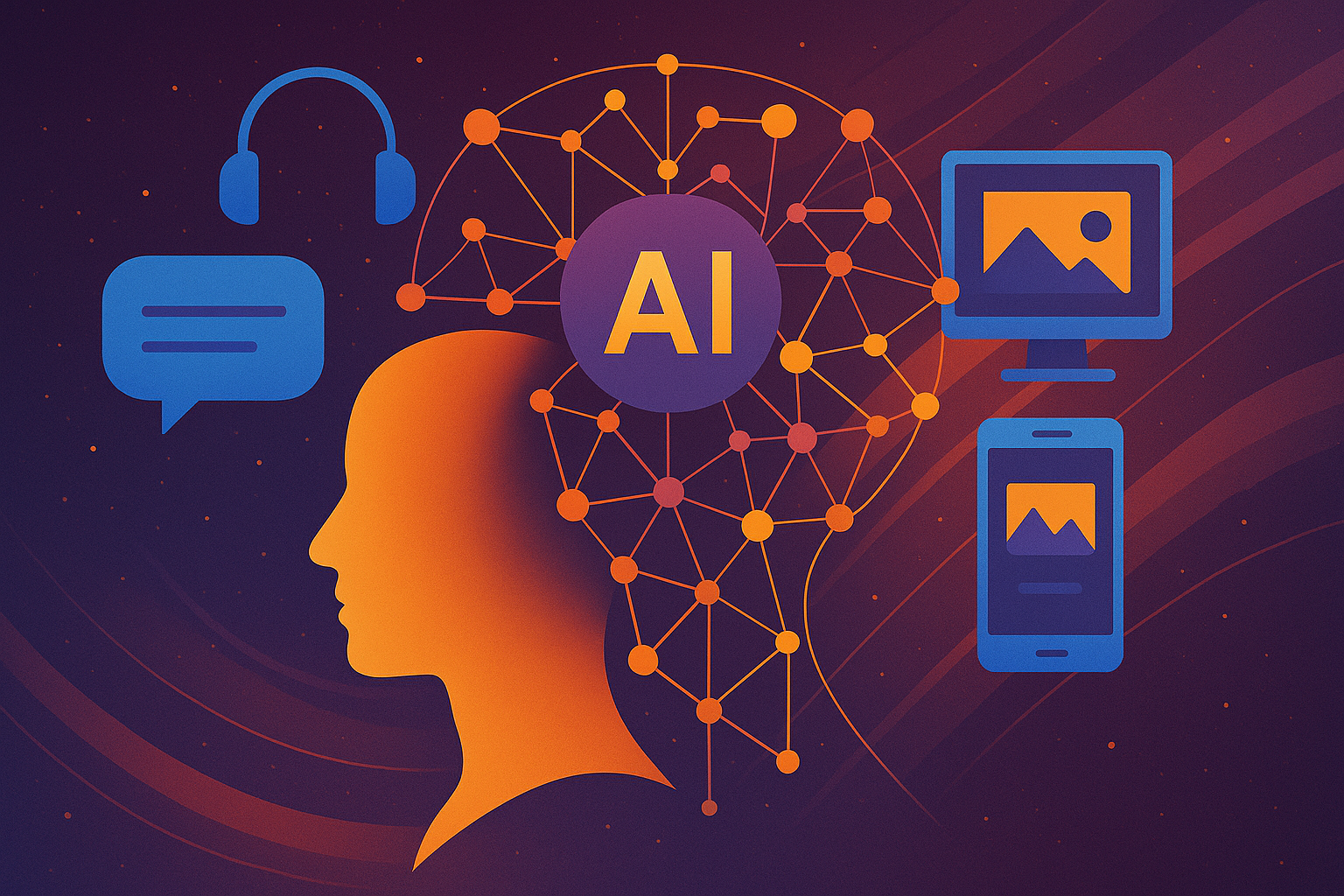
The realm of visual art is undergoing a profound transformation, driven by the rise of artificial intelligence (AI). As algorithms become increasingly sophisticated, artists and technologists are exploring new avenues of creativity that were previously unimaginable. The advent of AI art raises intriguing questions about the nature of creativity, the role of the artist, and the implications for the future of creative professions. This article delves into the multifaceted world of AI-generated art, examining its impact on creative jobs, the nuances of prompting, and the complex landscape of copyright issues.
The Effect of AI Art on Creative Jobs: A Shifting Landscape
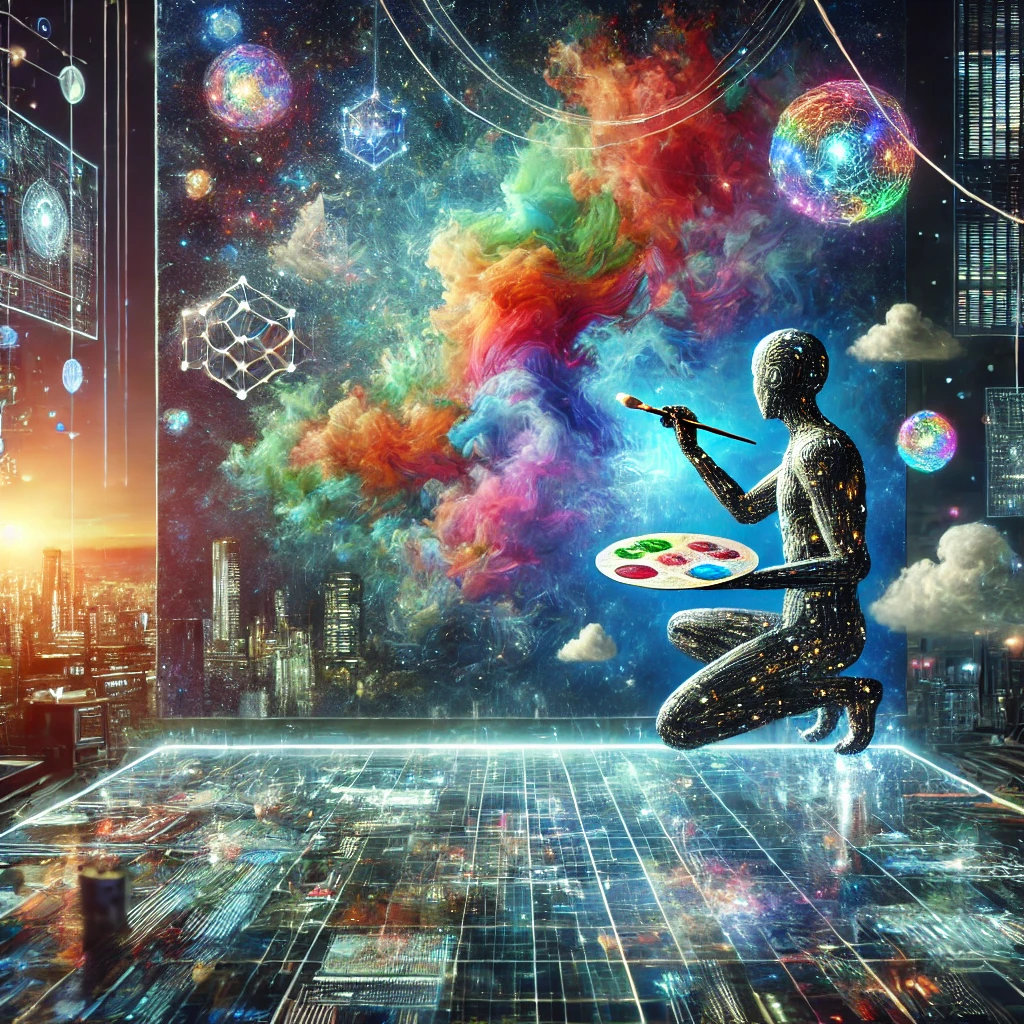
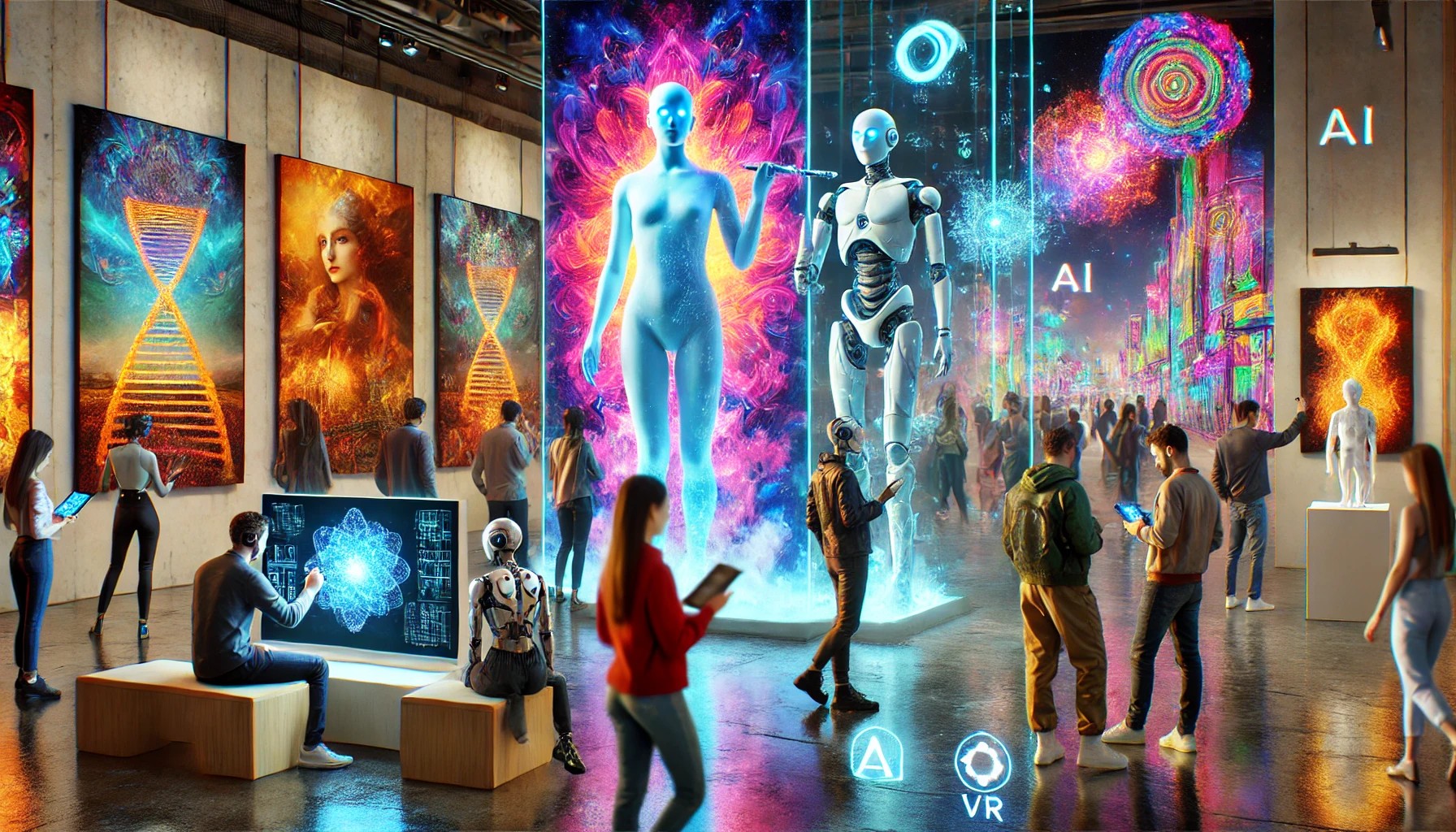
AI art has sparked a heated debate regarding its impact on creative jobs. Traditionalists argue that the rise of AI-generated art threatens the livelihood of human artists. However, this perspective overlooks the potential for collaboration between humans and machines. Rather than replacing artists, AI can serve as a powerful tool that augments human creativity. For instance, graphic designers can leverage AI to generate initial concepts, allowing them to focus on refining and personalizing their work.
New Opportunities for Artists
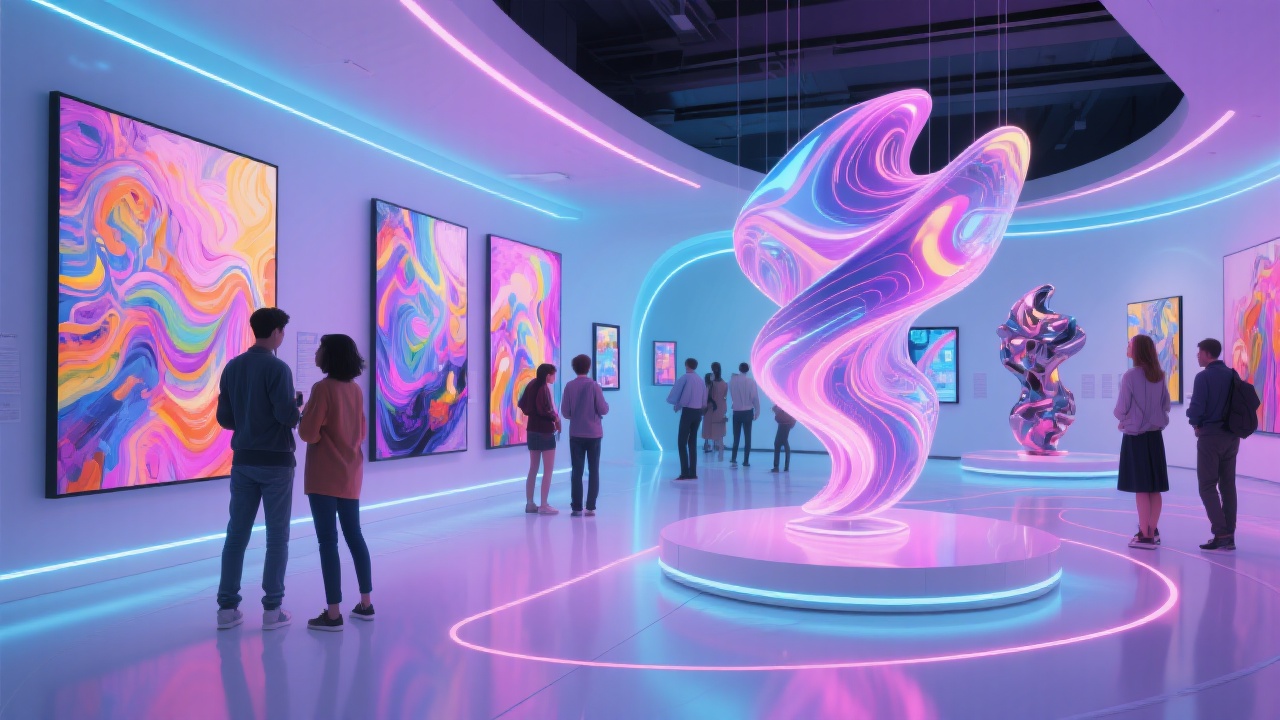
Moreover, AI art opens up new avenues for artistic expression. Artists can explore styles and techniques that may have been beyond their reach, experimenting with AI-generated visuals to inspire their own creations. This technology fosters a spirit of innovation, encouraging artists to push the boundaries of their craft. As AI tools become more accessible, a new generation of creators is emerging, equipped with the skills to harness these technologies effectively.
The Need for Adaptation
While AI may disrupt traditional roles in the art world, it also necessitates a shift in skills and knowledge. Artists and designers must adapt to this new landscape by learning to work alongside AI technologies. The ability to understand and manipulate AI tools will become increasingly valuable, leading to the emergence of hybrid roles that blend artistic talent with technological proficiency. As the art world evolves, the integration of AI could lead to a more diverse and inclusive creative ecosystem.
The Nuances of Prompting: Crafting the Perfect AI Input: Understanding the Art of Prompting
One of the most intriguing aspects of AI art generation is the process of prompting. Unlike traditional artistic methods, where the artist has complete control over the medium, AI art relies heavily on the input provided by the user. Crafting an effective prompt is both an art and a science, requiring a deep understanding of the AI’s capabilities and limitations.
The Power of Specificity
The specificity of a prompt can significantly influence the outcome of the generated artwork. Vague instructions often lead to ambiguous results, while detailed prompts can yield stunningly precise visuals. For example, a prompt that specifies color palettes, styles, and themes can guide the AI in producing artwork that aligns closely with the user’s vision. This nuance highlights the collaborative nature of AI art, where the human touch is essential in shaping the final product.
Experimentation and Iteration
Additionally, the iterative nature of prompting encourages experimentation. Artists can refine their prompts based on the AI’s output, learning from each iteration to achieve their desired results. This dynamic process fosters a unique dialogue between the artist and the machine, blurring the lines between human creativity and algorithmic generation. The outcome is often a fusion of human intent and machine learning, resulting in artworks that are both innovative and inspiring.
Copyright Issues: Navigating the Legal Landscape: The Complexity of Ownership
As AI art continues to gain traction, copyright issues have emerged as a critical concern. The question of ownership becomes complicated when the creator is not a human but an algorithm. Who holds the rights to an AI-generated artwork? Is it the programmer, the user who provided the prompt, or the AI itself? These questions highlight the need for a reevaluation of existing copyright laws to accommodate the unique characteristics of AI-generated content.
The Role of Originality
Copyright law traditionally hinges on the concept of originality, which poses a challenge in the context of AI art. Since AI systems learn from vast datasets of existing works, there is a risk that generated art may unintentionally mimic or replicate existing styles. This raises concerns about plagiarism and the authenticity of AI-generated pieces. Legal frameworks must adapt to address these challenges, ensuring that artists, whether human or machine, are protected and rewarded for their creative contributions.
Future Considerations
As the legal landscape evolves, it is crucial for artists and technologists to engage in discussions about the ethical implications of AI art. Collaborative efforts between artists, legal experts, and policymakers will be essential in shaping a framework that supports innovation while safeguarding the rights of creators. The future of AI art will depend on our ability to navigate these complex issues, ensuring that technology serves as a catalyst for creativity rather than a hindrance.
Conclusion: Embracing a New Era of Creativity
The emergence of AI art represents a significant shift in the way we perceive and create visual expression. While it poses challenges to traditional artistic roles and raises complex legal questions, it also offers unprecedented opportunities for innovation and collaboration. As artists learn to harness the power of AI, they are not only expanding their creative horizons but also redefining the very essence of what it means to be an artist in the 21st century. The future of AI art is bright, and it invites us all to explore the uncharted territories of visual expression.