AI Art: Redefining Aesthetics and Challenging Our Perception of Creativity in the Digital Age
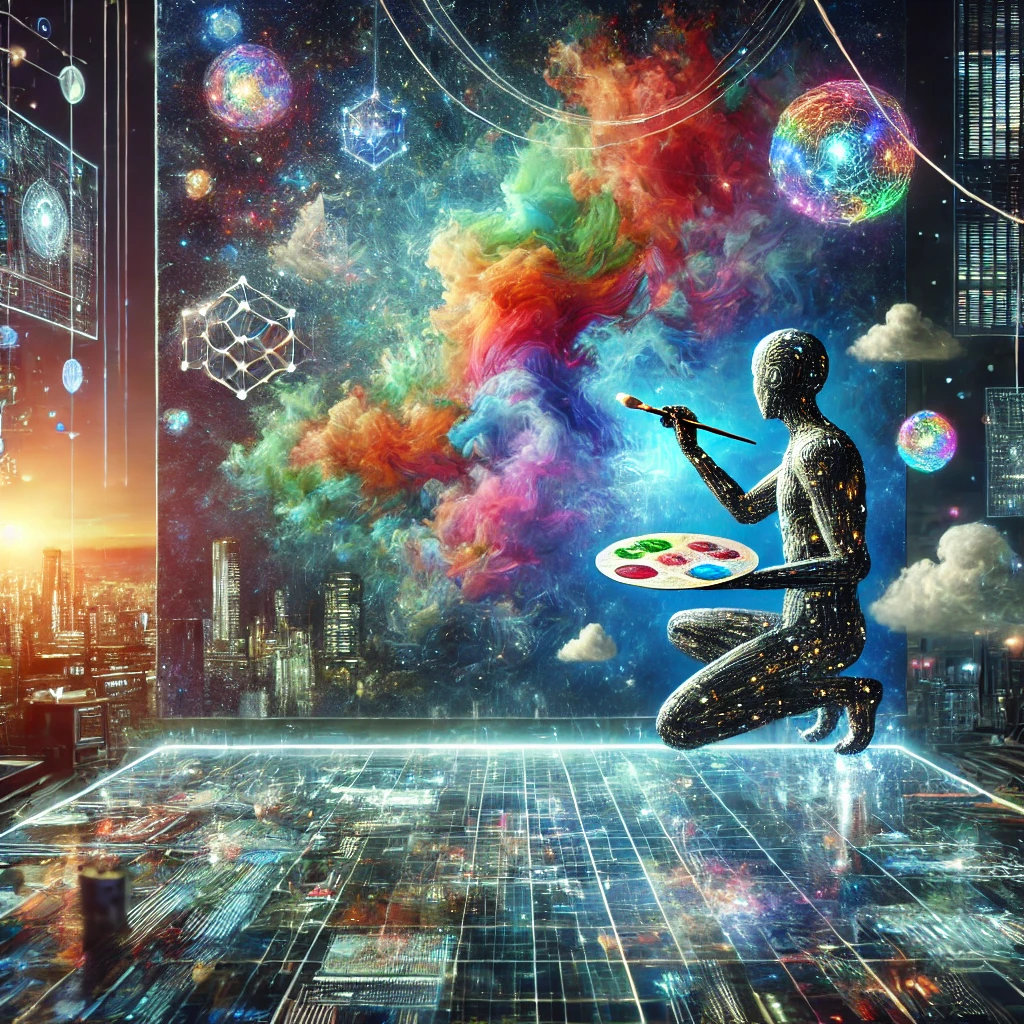
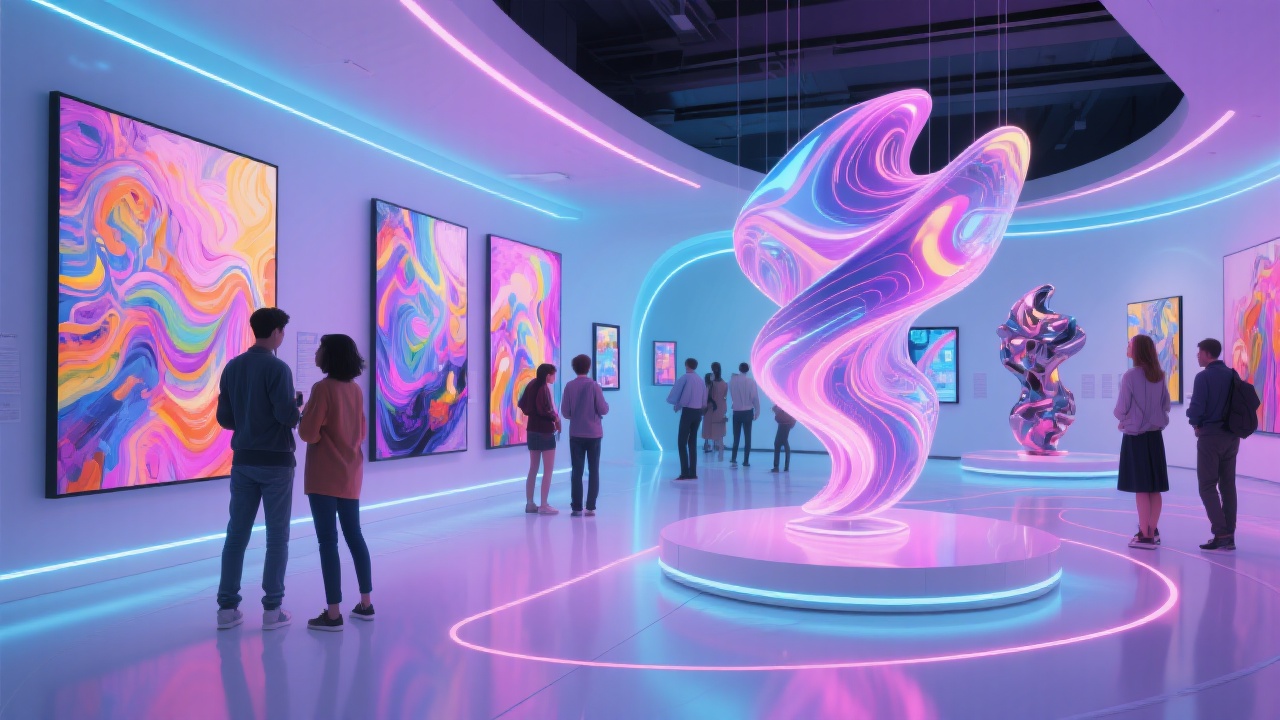
The advent of artificial intelligence (AI) has revolutionized various sectors, from healthcare to finance, but perhaps one of the most fascinating transformations has occurred in the realm of art. AI art, which encompasses works created with the assistance of algorithms and machine learning techniques, has not only redefined aesthetics but also challenged our understanding of creativity itself. This article will explore the implications of AI art on creative jobs, the nuances of prompting AI systems, and the complex issues surrounding copyright.
The Impact of AI Art on Creative Jobs: Displacement or Transformation?
As AI-generated art becomes more prevalent, a pressing question arises: Is this technology displacing artists or transforming the creative landscape? Traditional views of artistry often hinge on the unique human experience and emotional expression embedded in each piece. However, AI systems can analyze vast datasets, learning patterns and styles that allow them to create impressive works in a fraction of the time it would take a human artist.
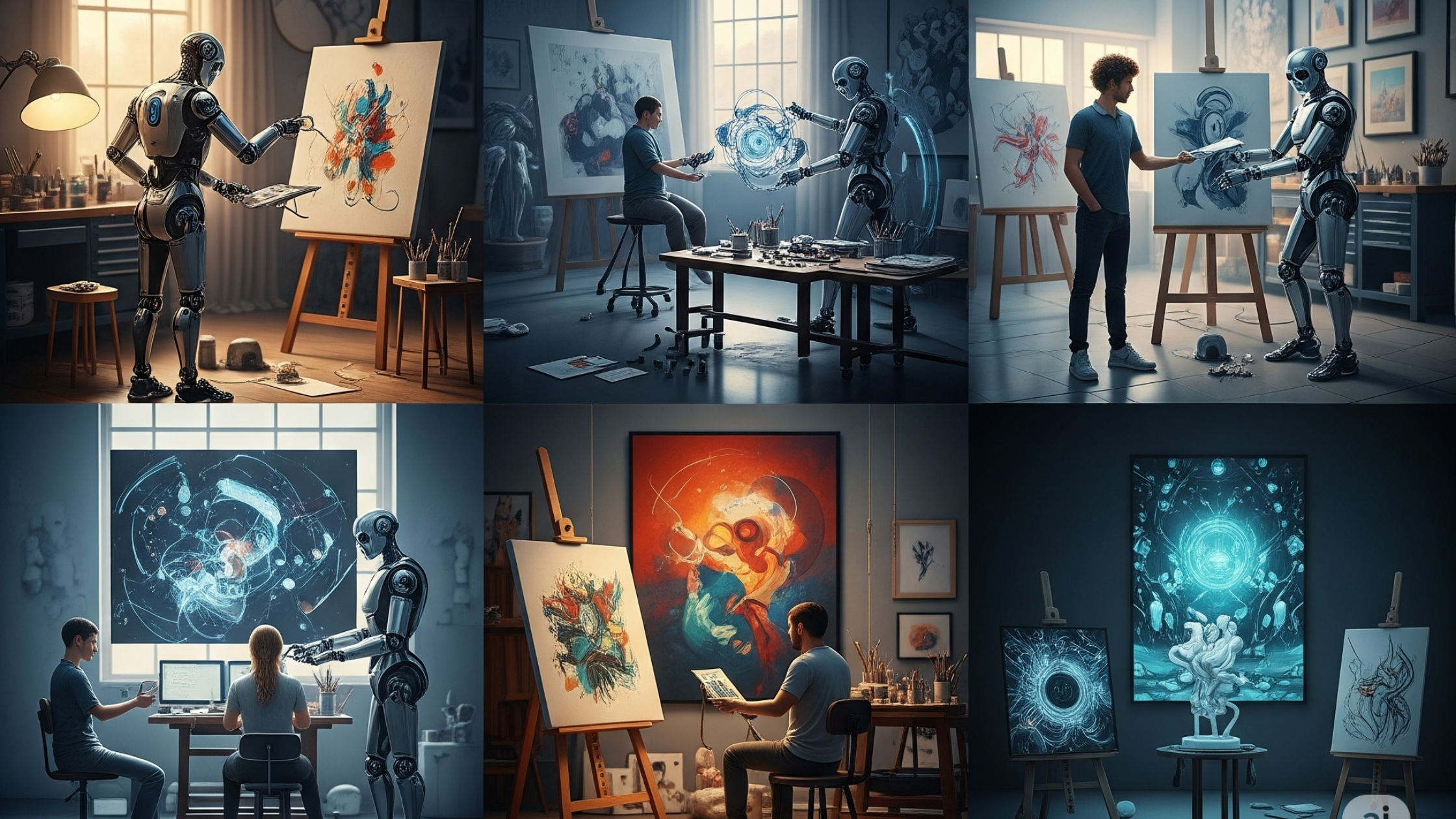
While some argue that this encroachment could threaten creative jobs, others suggest that AI can serve as a collaborative tool rather than a replacement. For instance, artists can harness AI to generate initial concepts or explore new styles, allowing them to focus more on refining their vision rather than getting bogged down in the technical aspects of creation. Consequently, the role of the artist may evolve, emphasizing curation and direction over execution.
New Opportunities for Employment
In addition to transforming existing roles, AI art is also creating new job opportunities. The demand for AI-generated content is growing, leading to a burgeoning field of AI art specialists and curators who can bridge the gap between technology and traditional artistry. Furthermore, as companies and individuals seek to leverage AI for marketing and branding, there is an increasing need for professionals who understand how to integrate AI art into their strategies effectively.
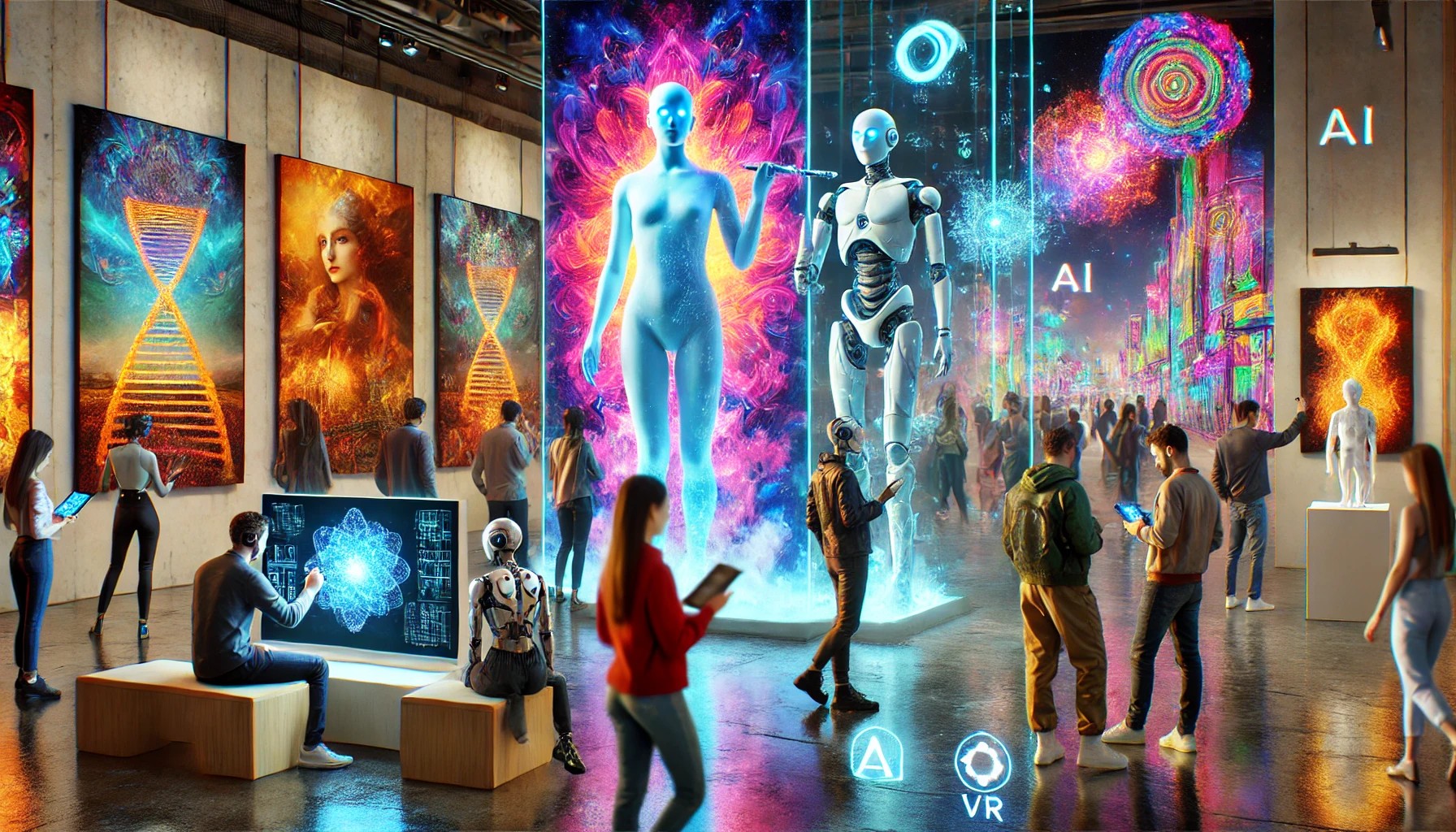
The rise of AI art also encourages interdisciplinary collaboration. Artists, programmers, and designers are working together to push the boundaries of what is possible with AI, fostering a new wave of creativity that blends technology with traditional artistic practices. This collaborative spirit could lead to a richer, more diverse artistic landscape that celebrates both human and machine creativity.
The Art of Prompting: Crafting the Perfect Input: The Language of AI
Creating art with AI is not as simple as pressing a button; it requires a nuanced understanding of how to communicate with these systems. The process begins with prompting, where users input specific instructions to guide the AI in generating art. The quality and specificity of these prompts can significantly influence the outcome, highlighting the importance of language in this new artistic medium.
For instance, a vague prompt like “create a landscape” may yield generic results, while a more detailed request such as “generate a surreal desert landscape at sunset with floating geometric shapes” can lead to a more compelling and unique piece. This shift emphasizes the role of the artist as a prompt engineer, where the skill lies not only in artistic vision but also in the ability to articulate that vision effectively.
The Challenges of Prompting
However, mastering the art of prompting is not without its challenges. The inherent unpredictability of AI can lead to unexpected results, requiring artists to embrace a mindset of experimentation and iteration. This process can be both exhilarating and frustrating, as artists navigate the fine line between control and chaos in their creative endeavors.
Moreover, the AI’s training data can introduce biases, which may affect the aesthetic outcomes. For example, if an AI model is trained predominantly on Western art, it may struggle to generate culturally diverse pieces, raising questions about representation and inclusivity in AI-generated art. Thus, artists must remain vigilant about the implications of their prompts and the underlying data that informs the AI’s creative process.
Copyright and Ownership: Navigating a New Landscape: The Legal Gray Area
As AI art continues to proliferate, the question of copyright and ownership becomes increasingly complex. Traditional copyright laws were designed with human creators in mind, leaving a significant gray area when it comes to works produced by AI. Who owns the rights to a piece of art generated by an AI system? The programmer? The user who provided the prompt? Or does the AI itself hold some form of ownership?
Current legal frameworks struggle to address these issues adequately, leading to a patchwork of regulations that vary by jurisdiction. Some argue that since AI lacks consciousness and intent, it cannot be considered an author in the traditional sense. Others contend that the unique contributions of both the AI and the human user warrant shared ownership. This ongoing debate raises critical questions about the future of art and the rights of creators in an increasingly automated world.
Ethical Considerations
Beyond legal concerns, ethical considerations also come into play. The use of AI to generate art raises questions about authenticity and originality. If an AI creates a piece that closely resembles the work of a human artist, does it diminish the value of the original? Furthermore, the potential for AI to replicate existing styles and techniques without proper attribution poses a risk to the integrity of artistic communities.
As we navigate this uncharted territory, it is essential for artists, technologists, and lawmakers to engage in meaningful dialogue about the implications of AI art. By establishing clear guidelines and ethical standards, we can foster a creative environment that respects the contributions of both human and machine.
Conclusion
AI art is not merely a passing trend; it represents a profound shift in how we understand creativity and aesthetics in the digital age. As we grapple with the implications for creative jobs, the nuances of prompting, and the complexities of copyright, it becomes clear that AI art challenges us to rethink our definitions of artistry and authorship. Embracing this new frontier requires a willingness to explore the intersections of technology and creativity, paving the way for a richer, more inclusive artistic landscape.