AI Art Evolution: Exploring How Technology is Transforming the World of Visual Expression
The intersection of art and technology has always been a fertile ground for innovation, and in recent years, artificial intelligence (AI) has emerged as a transformative force in the realm of visual expression. This evolution is not merely a trend; it signifies a profound shift in how art is created, perceived, and valued. By examining the role of AI in art, we can better understand its implications for artists, audiences, and the future of creativity itself.
The Genesis of AI Art
To appreciate the current landscape of AI-generated art, it is essential to trace its roots. The journey began in the mid-20th century when computer scientists and artists first explored the potential of algorithms in creative processes. Early experiments often involved simple geometric shapes and patterns, laying the groundwork for more complex interactions between human creativity and machine intelligence.
Fast forward to the 21st century, and we find ourselves in an era where neural networks and deep learning have revolutionized the way art is produced. Technologies such as Generative Adversarial Networks (GANs) allow machines to learn from vast datasets of existing artworks, enabling them to create original pieces that often blur the lines between human and machine-made art. This shift has not only democratized the creation of art but has also sparked a lively debate about authorship and originality in the digital age.
The Creative Process Reimagined
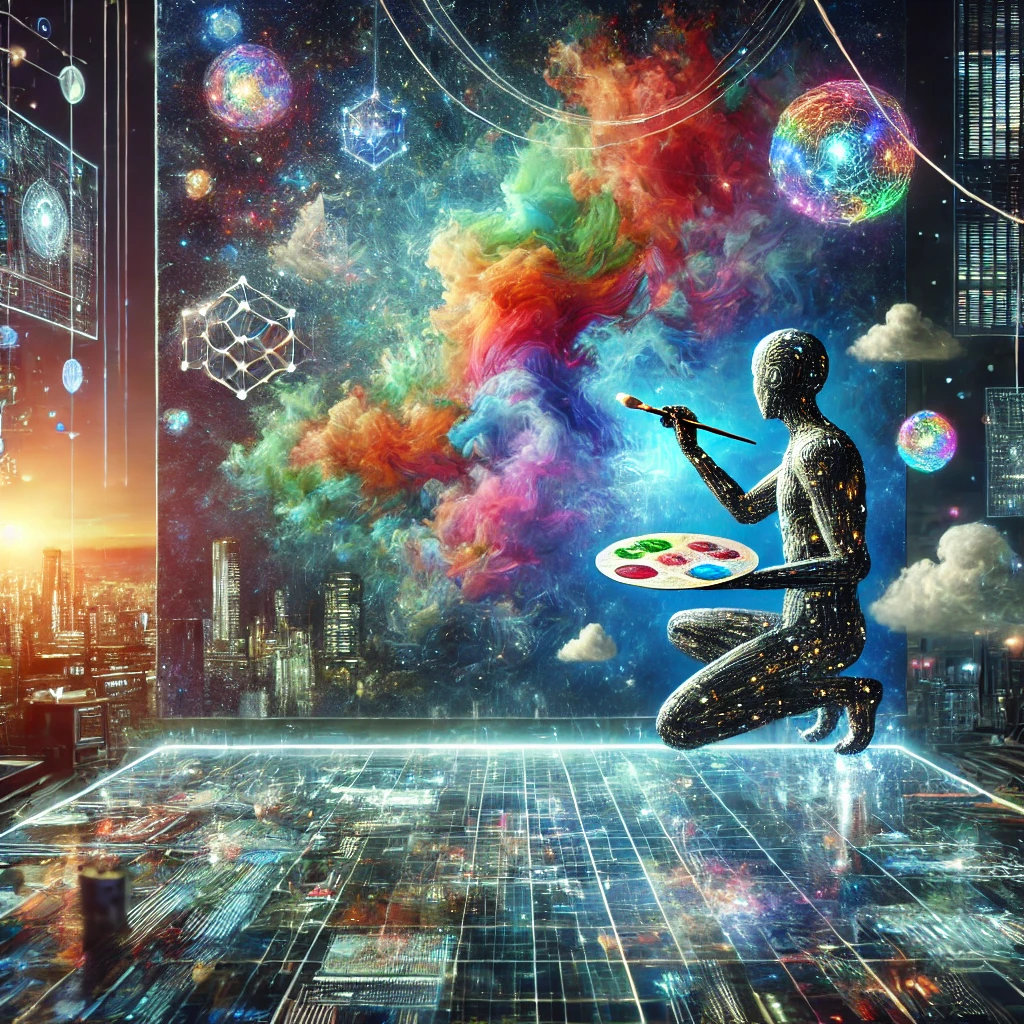
In traditional art-making, the artist’s hand and intuition play pivotal roles. However, AI introduces a new dimension to this creative process. Artists are increasingly collaborating with algorithms, using AI as a tool to explore uncharted territories of creativity. By inputting parameters and guiding the AI through iterative processes, artists can generate unexpected results that challenge their own artistic sensibilities.
Moreover, the role of the artist is evolving. No longer is the artist merely a creator; they are becoming curators of AI-generated content. This shift emphasizes the importance of human oversight in the creative process. Artists must critically engage with the output of AI systems, selecting and refining works that resonate with their vision. As a result, the collaborative nature of AI art fosters a dialogue between human creativity and machine learning, allowing for a richer exploration of artistic possibilities.
The Impact on Art Communities and Markets
The rise of AI-generated art has significant implications for art communities and markets. As AI tools become more accessible, a wider range of individuals can engage in artistic practices, breaking down traditional barriers to entry. This democratization of art creation invites diverse voices and perspectives, enriching the artistic landscape.
Art markets are also experiencing a transformation. AI-generated works have begun to gain recognition and value, with some pieces fetching high prices at auctions. This phenomenon raises questions about the nature of art itself: What constitutes value in art? Is it the artist’s intent, the emotional resonance of the piece, or the novelty of the technology used? Collectors and institutions are grappling with these questions as they navigate the evolving definitions of art in the age of AI.
Furthermore, AI art has sparked discussions about copyright and ownership. With machines generating artworks based on existing styles and techniques, the issue of intellectual property becomes increasingly complex. Artists and legal experts are now faced with the challenge of adapting existing frameworks to accommodate the unique characteristics of AI-generated works. This ongoing dialogue will likely shape the future of art law and ethical considerations in the creative industry.
The Future of AI in Visual Expression
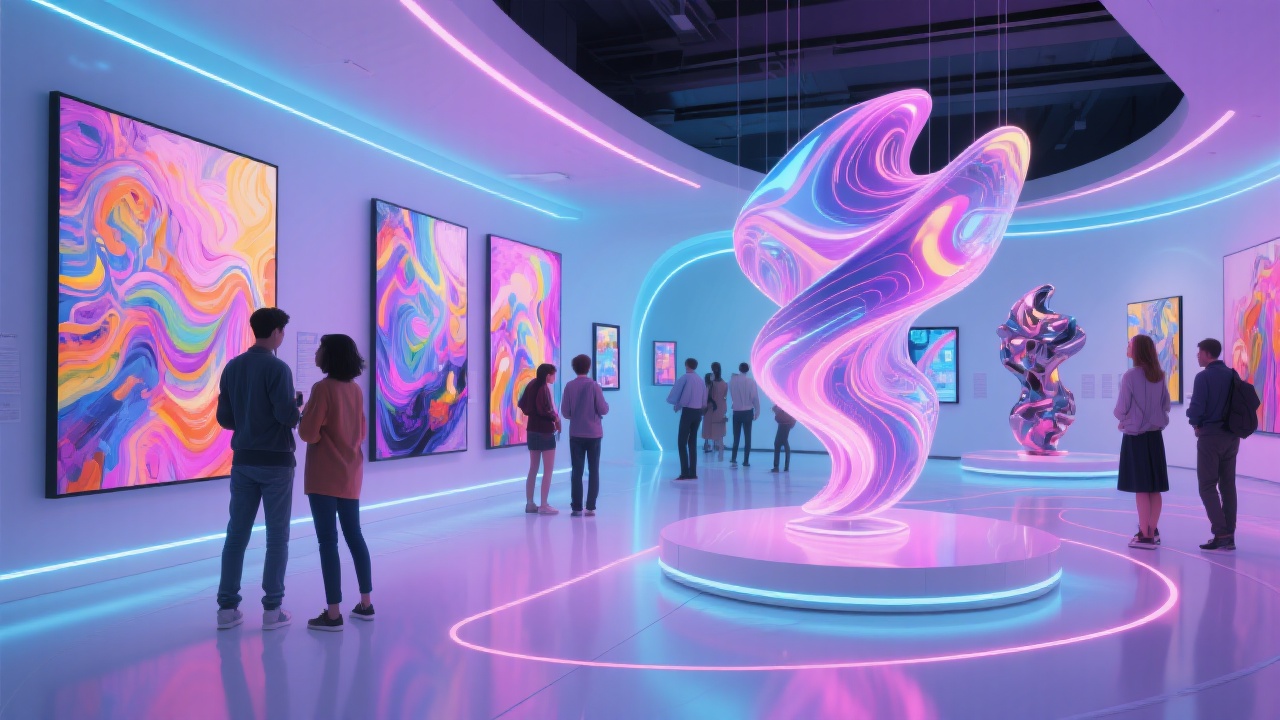
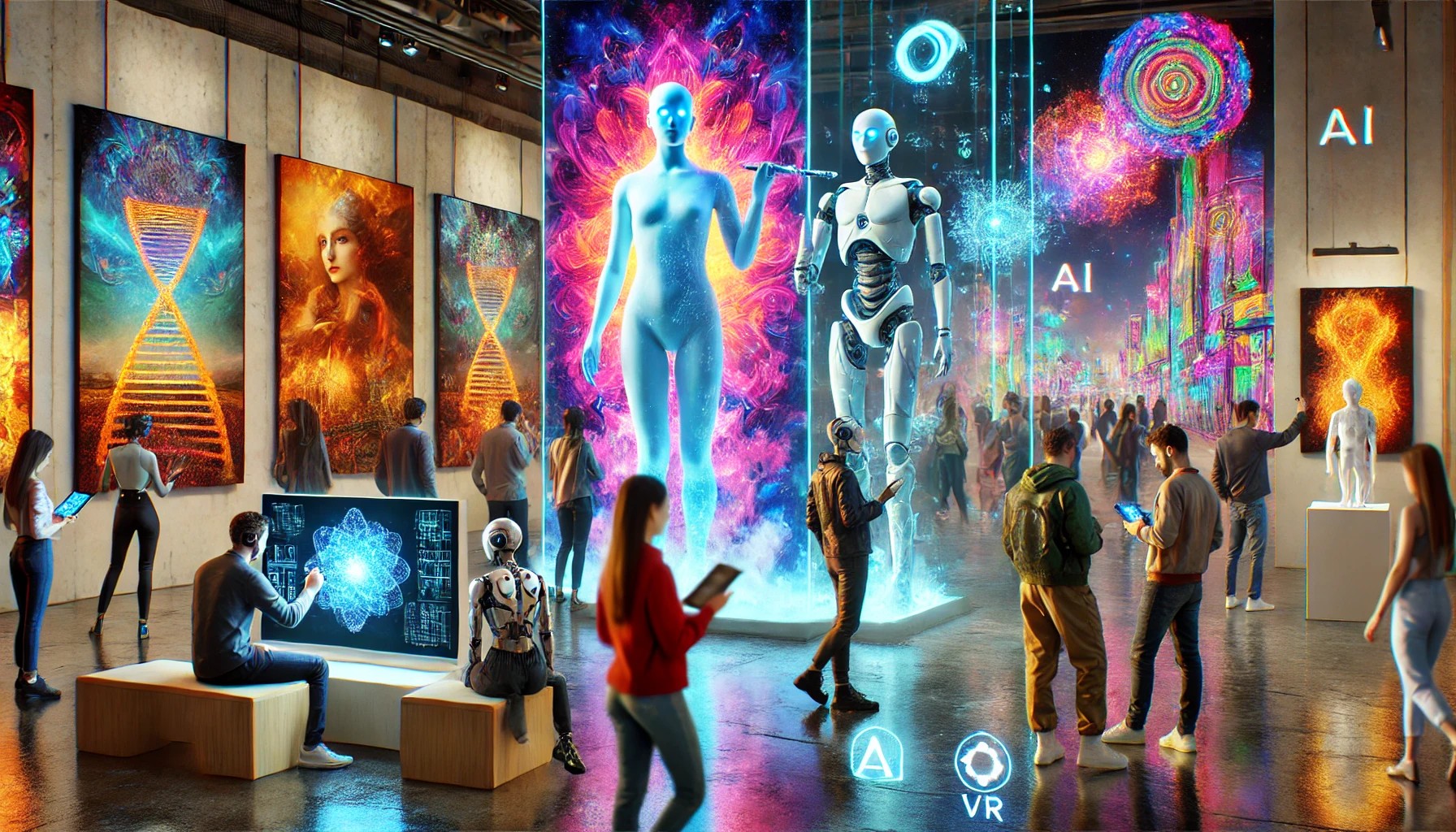
Looking ahead, the potential for AI to shape the future of visual expression is vast. As technology continues to advance, we can expect even more sophisticated tools that enhance the creative process. The integration of augmented reality (AR) and virtual reality (VR) with AI art could lead to immersive experiences that redefine how audiences interact with visual art. Imagine walking through a gallery where AI curates a personalized art experience based on your preferences, emotions, and past interactions with art.
Additionally, the role of AI in art education is gaining traction. Educational institutions are beginning to incorporate AI tools into their curricula, allowing students to experiment with machine learning as a means of artistic exploration. This not only prepares the next generation of artists for a tech-driven world but also fosters a mindset of innovation and adaptability.
In the realm of public art, AI has the potential to engage communities in new ways. Collaborative projects that involve local residents in the creation of AI-generated murals or installations can foster a sense of ownership and connection to the art. Such initiatives can also serve as a platform for dialogue around social issues, as AI-generated art can reflect the diverse narratives of a community.
Conclusion: Embracing the AI Art Revolution
The evolution of AI in the world of visual expression is not without its challenges, but it undeniably opens up a plethora of opportunities for innovation and exploration. As artists, audiences, and institutions navigate this new landscape, embracing the potential of AI can lead to a richer, more inclusive artistic dialogue. By understanding and leveraging the capabilities of AI, we can redefine the boundaries of creativity and cultivate a future where technology and art coexist harmoniously.
Ultimately, the AI art revolution invites us to reconsider our relationship with creativity itself. As we stand at the crossroads of human and machine-made art, we must remain open to the transformative possibilities that lie ahead. In doing so, we can ensure that the evolution of art continues to inspire, challenge, and connect us in profound ways.