Understanding Generative Adversarial Networks (GANs)
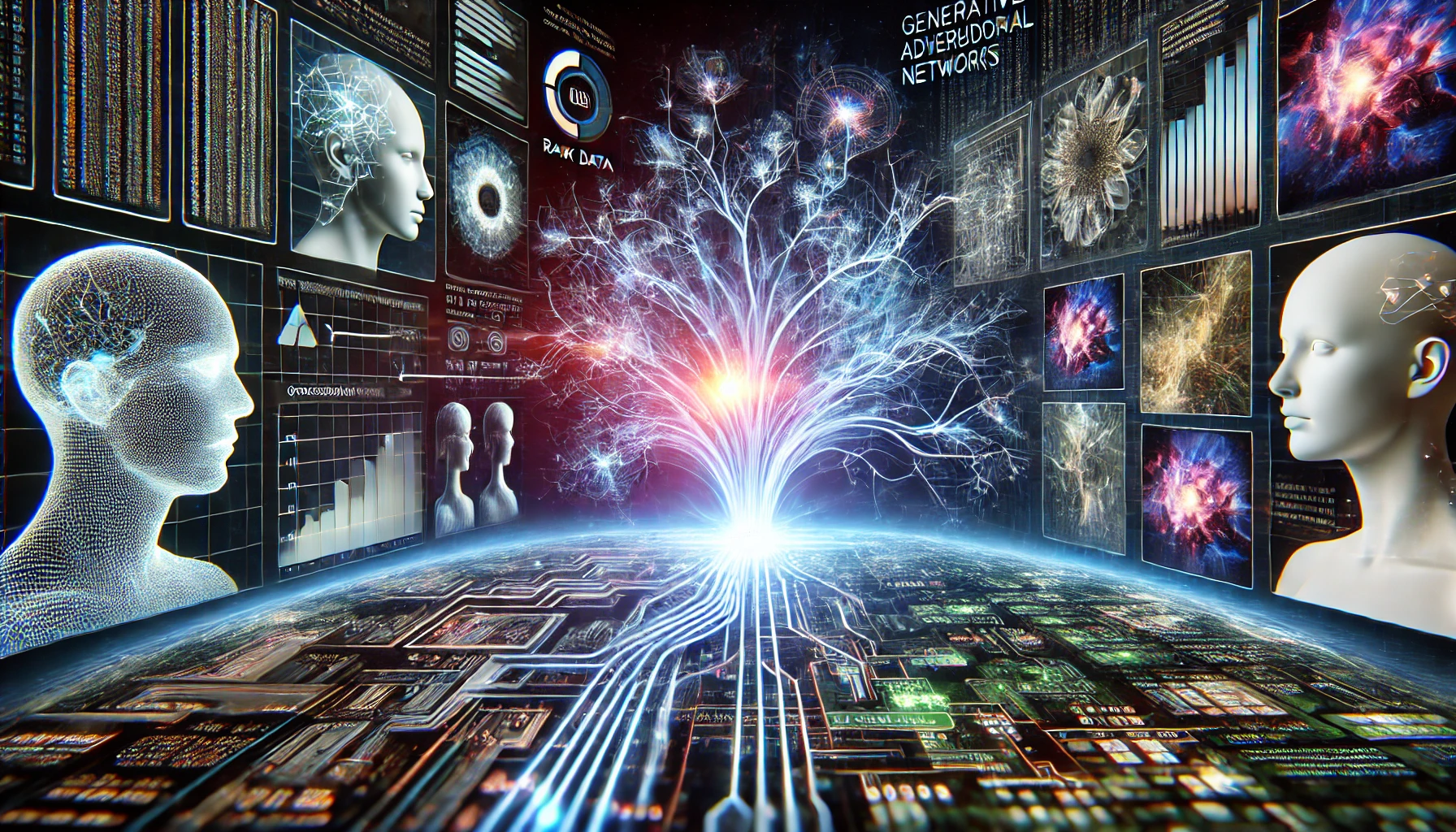
Generative Adversarial Networks, commonly known as GANs, represent a groundbreaking approach in the field of artificial intelligence and machine learning. Introduced by Ian Goodfellow and his collaborators in 2014, GANs consist of two neural networks—the generator and the discriminator—that work in opposition to each other. The generator creates new data instances, while the discriminator evaluates their authenticity, determining whether they are real or generated. This adversarial setup allows GANs to produce highly realistic outputs, making them a powerful tool in the realm of visual content creation.
The architecture of GANs is relatively straightforward yet profoundly effective. The generator network takes random noise as input and transforms it into a data sample, such as an image. Meanwhile, the discriminator receives both real images from the training dataset and the fake images produced by the generator. Through this continuous cycle of generation and evaluation, both networks improve over time. The generator learns to create more convincing images, while the discriminator becomes better at distinguishing real from fake. This dynamic interplay is what drives the remarkable capabilities of GANs.
As a result of their unique structure, GANs have found applications across various domains, particularly in visual content generation. From creating photorealistic images to generating artwork, GANs have revolutionized the way we think about digital content. Their ability to produce high-quality visuals has opened new avenues for innovation in areas such as gaming, film, advertising, and even virtual reality.
Applications of GANs in Visual Content Creation
Exploring the applications of GANs reveals their transformative impact on visual content creation. One of the most notable uses is in the realm of image synthesis. GANs can generate entirely new images based on learned patterns from existing datasets. For instance, artists and designers leverage GANs to create unique artworks or design prototypes that blend various styles and elements. This capability not only enhances creativity but also accelerates the design process, allowing creators to experiment with ideas that may not have been feasible otherwise.
In the fashion industry, GANs are being utilized to design clothing and accessories. By training on vast collections of fashion images, GANs can generate new outfit combinations and styles that reflect current trends. This application not only aids designers in brainstorming new collections but also provides consumers with personalized fashion recommendations based on their preferences. Additionally, brands can utilize GAN-generated images in marketing campaigns, showcasing products in innovative and engaging ways.
Moreover, GANs are making strides in the field of video game development. Game designers can use these networks to create realistic textures and environments, significantly reducing the time and resources required for manual design. By generating lifelike characters and landscapes, GANs contribute to a more immersive gaming experience. Furthermore, they can adapt to user inputs, enabling dynamic content generation that responds to player actions, thus enhancing interactivity and engagement.
The Future of Media Innovation with GANs
Looking ahead, the future of media innovation is poised to be significantly influenced by GANs. As these networks continue to evolve, their potential applications are expected to expand, leading to new forms of content creation and consumption. One promising area is in the realm of deepfake technology. While deepfakes have raised ethical concerns, they also present opportunities for creative storytelling in film and entertainment. By utilizing GANs, filmmakers can create realistic visual effects, enabling innovative narratives that blend real and generated content seamlessly.
Another exciting prospect lies in the field of virtual reality (VR) and augmented reality (AR). GANs can enhance these experiences by generating realistic environments and objects that adapt to user interactions. As VR and AR technologies become more mainstream, the integration of GANs can lead to immersive experiences that feel more authentic and engaging. This could redefine how users interact with digital content, blurring the lines between the virtual and physical worlds.
Additionally, the democratization of content creation is likely to be accelerated by GAN technology. As tools powered by GANs become more accessible, individuals without extensive technical skills will be able to produce high-quality visuals. This shift can empower a new generation of creators, fostering diversity and innovation in the media landscape. From amateur artists to small businesses, the ability to generate professional-grade content can level the playing field and inspire creativity across various sectors.
Conclusion
In summary, Generative Adversarial Networks (GANs) are at the forefront of visual content and media innovation. Their unique architecture, which pits two neural networks against each other, enables the generation of highly realistic images and videos. The applications of GANs span across various industries, including fashion, gaming, and film, showcasing their versatility and potential to enhance creativity.
As we look to the future, the impact of GANs on media innovation is undeniable. With advancements in technology and increased accessibility, GANs are set to transform how we create, consume, and interact with visual content. While challenges such as ethical considerations and the potential for misuse remain, the positive applications of GANs can drive significant progress in the creative industries. Ultimately, as GANs continue to advance, they will play a critical role in shaping the future of visual content and media innovation, paving the way for a new era of creativity and expression.