
Harnessing Education AI: Transforming Learning Environments and Enhancing Student Outcomes
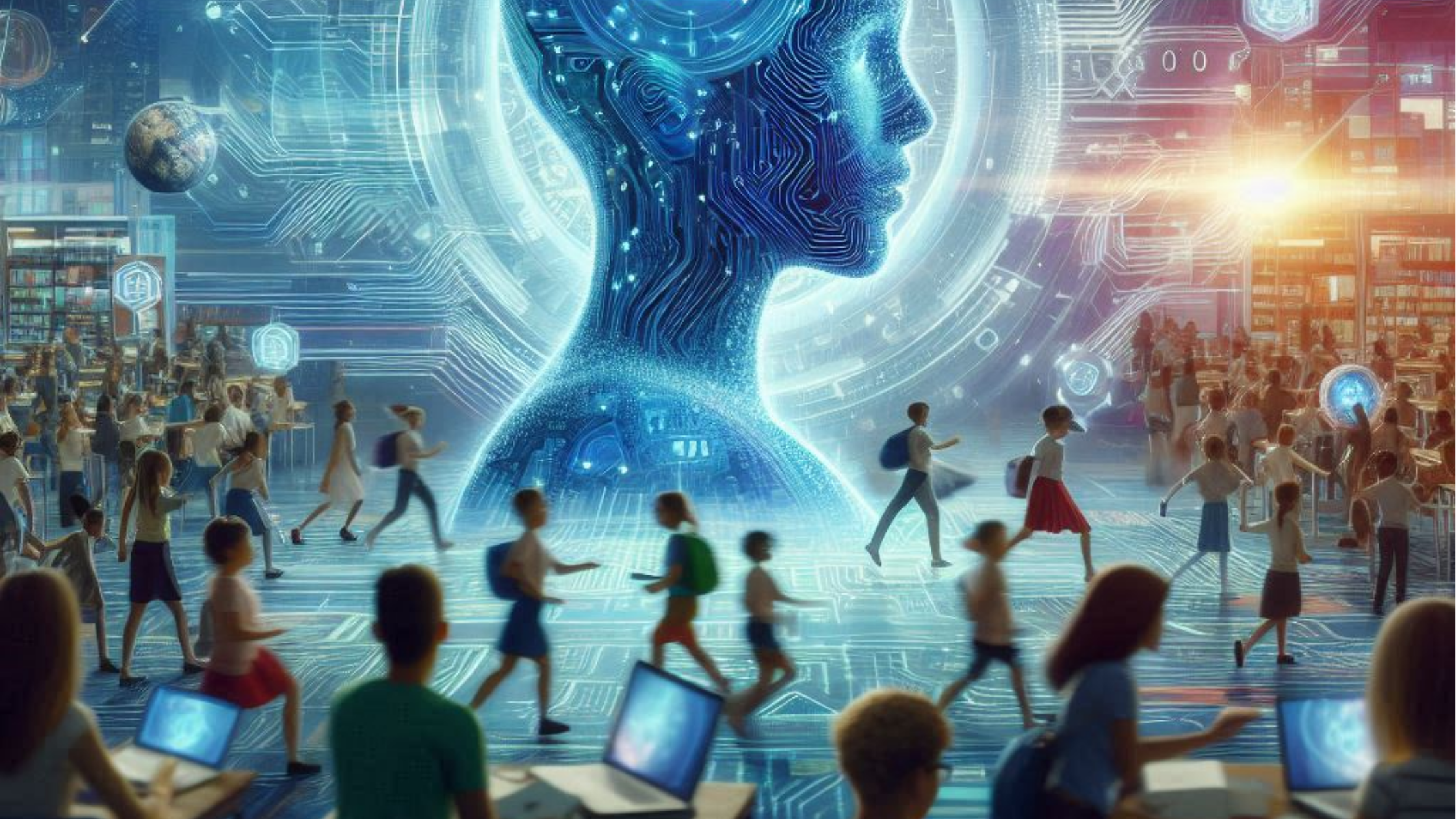
The integration of artificial intelligence (AI) into educational settings is not merely a trend; it represents a profound shift in how we understand teaching and learning. As AI tools become increasingly sophisticated, they offer unprecedented opportunities to enhance student outcomes and transform traditional learning environments. However, this integration necessitates a fundamental reevaluation of teaching methodologies and educational philosophies. This article will explore the pedagogical shift from knowledge transmission to critical thinking facilitation, the role of project-based learning with AI tools, and the development of personalized assessment strategies.
The Shift from Knowledge Transmission to Critical Thinking Facilitation
Traditionally, education has often focused on the transmission of knowledge from teacher to student. This approach, characterized by rote memorization and standardized testing, is becoming increasingly outdated in the age of AI. With AI tools capable of providing instant access to vast amounts of information, the role of the educator must evolve.
Embracing Inquiry-Based Learning
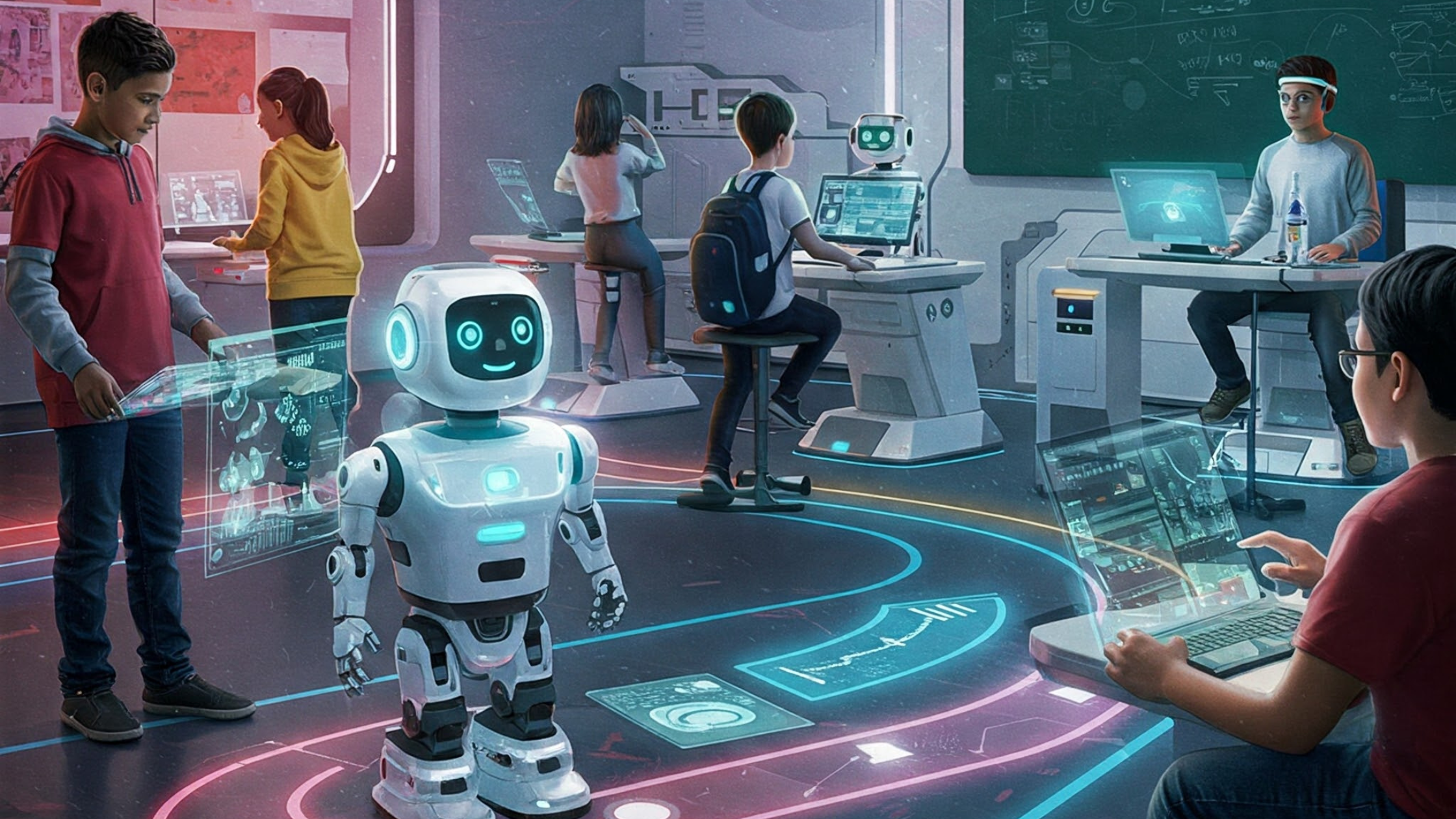
In an AI-enhanced learning environment, educators can shift their focus from simply delivering content to facilitating inquiry-based learning. By leveraging AI, teachers can create scenarios where students engage in problem-solving and critical thinking. For instance, AI systems can analyze student progress and suggest personalized learning paths, encouraging students to explore topics that pique their interest. This approach fosters a culture of curiosity and encourages students to ask questions rather than passively receive information.
Encouraging Collaboration and Communication
Moreover, AI tools can facilitate collaboration among students, allowing them to work together on projects and share diverse perspectives. This collaborative environment not only enhances critical thinking but also equips students with essential skills for the 21st century, such as communication and teamwork. Educators can utilize AI to group students based on their strengths and weaknesses, promoting peer learning and enabling students to teach each other, thereby deepening their understanding of complex concepts.
The Role of Project-Based Learning with AI Tools
Project-based learning (PBL) is an educational approach that emphasizes hands-on, real-world projects as a means of learning. The integration of AI tools can significantly enhance the effectiveness of PBL by providing students with resources and support tailored to their specific needs.
Real-World Applications
AI can assist in identifying real-world problems for students to tackle through their projects. For example, AI algorithms can analyze local community issues, allowing students to engage in projects that have tangible impacts. This engagement not only makes learning more relevant but also instills a sense of responsibility and civic engagement in students.
Enhanced Feedback Mechanisms
Furthermore, AI tools can provide immediate and personalized feedback on student projects. Traditional assessment methods often delay feedback, which can hinder student learning. In contrast, AI can analyze student work in real-time, offering suggestions for improvement and encouraging iterative learning. This immediate feedback loop fosters a growth mindset, where students view challenges as opportunities for development rather than obstacles.
Personalized Assessment Strategies in the Age of AI
Assessment is a critical component of the educational process, yet traditional assessment methods often fail to capture the complexities of student learning. The advent of AI offers new possibilities for personalized assessment strategies that align with individual learning styles and needs.
Adaptive Learning Environments
AI-driven adaptive learning platforms can tailor assessments to match each student’s proficiency level. By analyzing data on student performance, these platforms can adjust the difficulty of questions and provide targeted resources to address gaps in knowledge. This personalized approach not only enhances student engagement but also promotes mastery of content, as students are neither bored by material that is too easy nor overwhelmed by content that is too challenging.
Formative Assessment and Continuous Improvement
In addition to adaptive assessments, AI can facilitate formative assessments that occur throughout the learning process. By continuously monitoring student progress, AI tools can help educators identify trends and areas for improvement. This data-driven approach allows for timely interventions and supports a culture of continuous improvement, where students are encouraged to reflect on their learning journey and take ownership of their educational outcomes.
Ethical education in the Age of AI
As we embrace the benefits of AI in education, it is imperative to consider the ethical implications of these technologies. The potential for bias in AI algorithms and the importance of data privacy must be at the forefront of educational discussions.
Promoting Digital Citizenship
Educators have a responsibility to teach students about digital citizenship and the ethical use of technology. As AI becomes more integrated into learning environments, students must understand the implications of their digital footprints and the importance of responsible technology use. This includes discussions around data privacy, algorithmic bias, and the societal impacts of AI.
Fostering Critical Media Literacy
Additionally, educators should focus on fostering critical media literacy skills. In an age where misinformation can spread rapidly, teaching students to critically evaluate sources and understand the mechanics of AI-driven content is essential. By equipping students with these skills, we prepare them to navigate a complex digital landscape and become informed, responsible citizens.
Conclusion: Evolving Education Paradigms
The integration of AI into education is not just about enhancing learning outcomes; it represents a paradigm shift in how we conceive of teaching and learning. As we move away from traditional knowledge transmission models, we must embrace new methodologies that prioritize critical thinking, collaboration, and personalized learning. The role of educators will evolve into that of facilitators and guides, fostering inquiry and creativity in students.
As we navigate this transition, it is essential to remain vigilant about the ethical implications of AI in education. By promoting digital citizenship and critical media literacy, we can ensure that students are not only equipped with knowledge but also prepared to thrive in an increasingly complex world. The future of education lies in our ability to harness the power of AI while maintaining a commitment to equitable and ethical teaching practices.