




AI and Productivity: How Intelligent Technology is Redefining Work Efficiency and Output
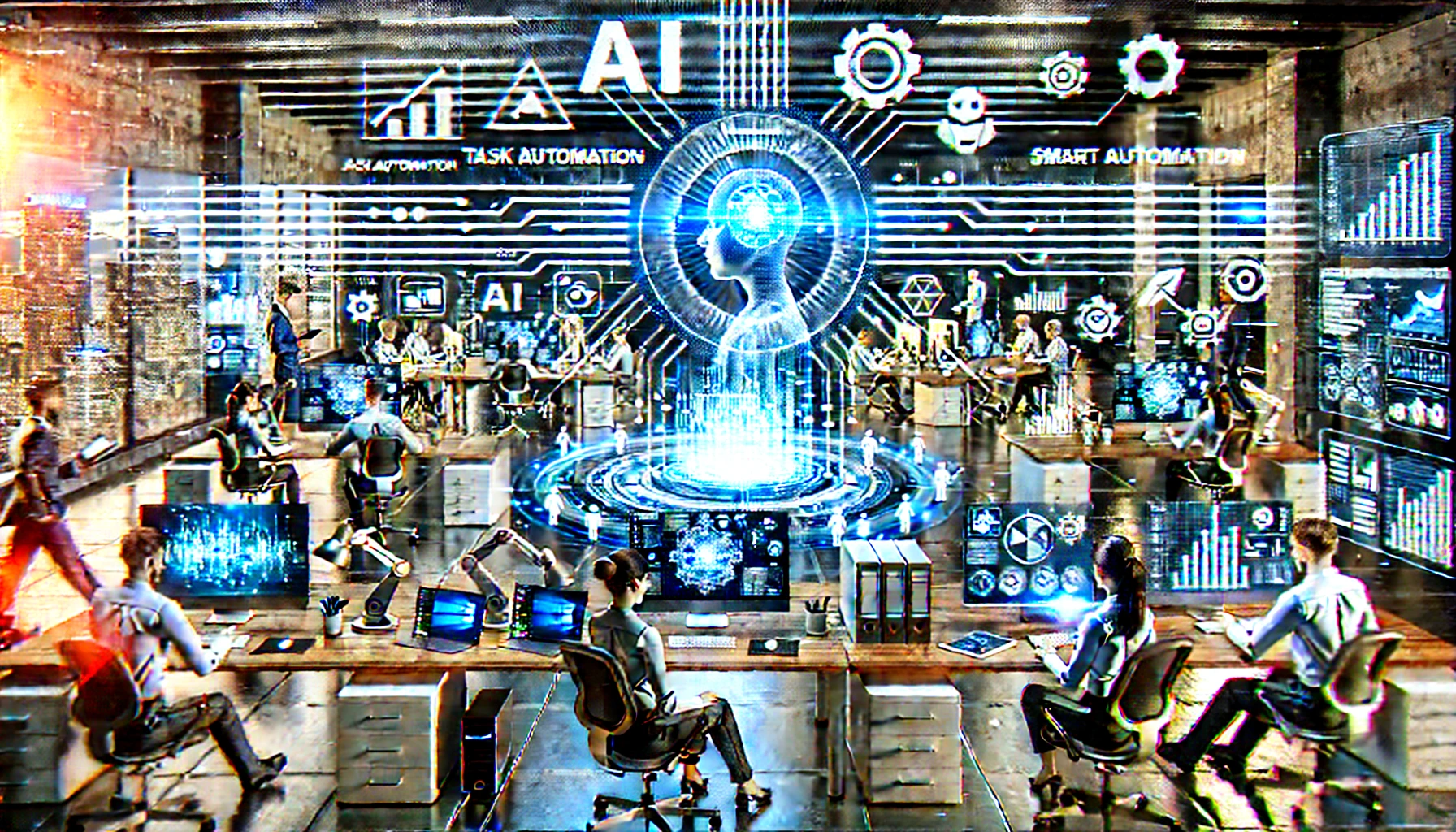
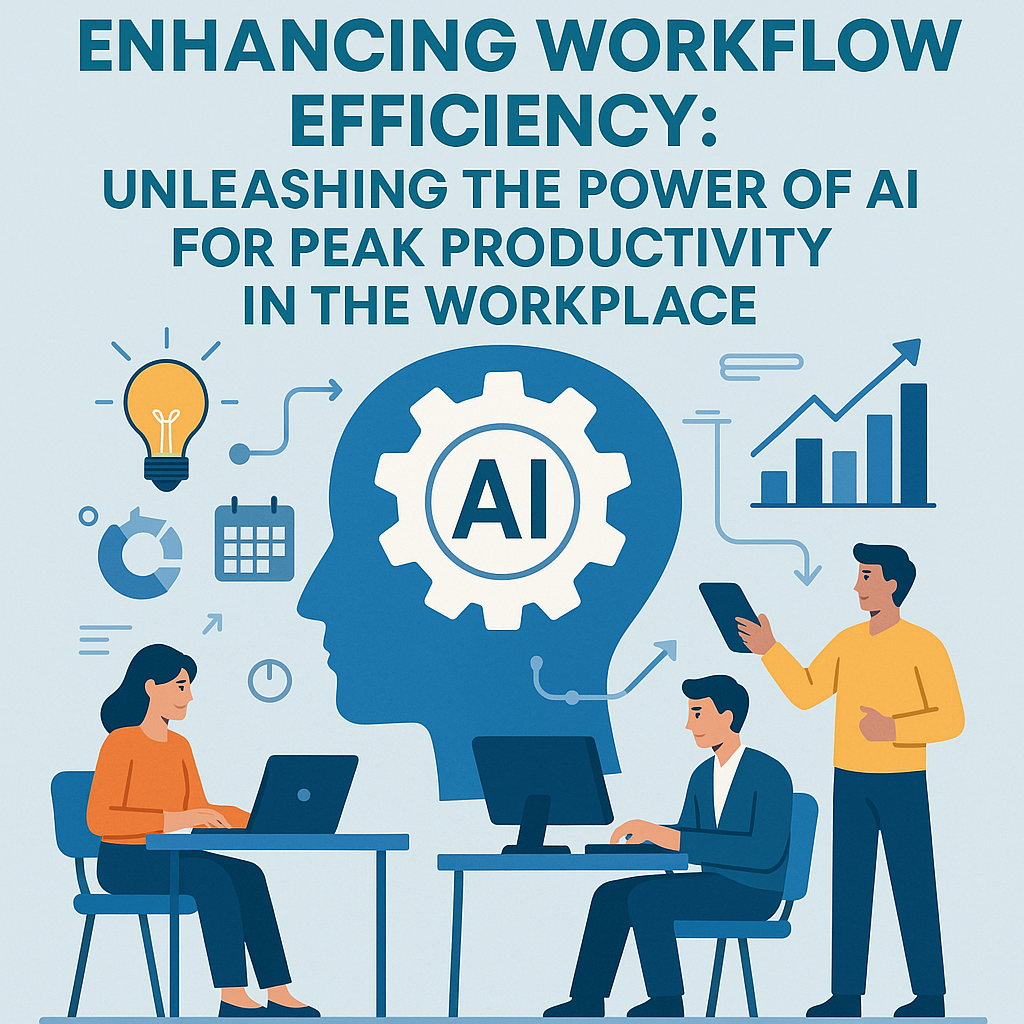
In today’s fast-paced world, the integration of Artificial Intelligence (AI) into the workplace is transforming how organizations operate and achieve their goals. As businesses strive to enhance productivity, AI is emerging as a crucial ally, redefining work efficiency and output across various sectors. This article delves into the specific aspect of AI-driven workflow automation and explores how it is revolutionizing productivity in the modern workplace.
Understanding Workflow Automation
Workflow automation refers to the use of technology to streamline and automate repetitive tasks and processes within an organization. By eliminating manual interventions, workflow automation enhances efficiency, reduces errors, and frees up employees to focus on more strategic activities. AI plays a pivotal role in this transformation by enabling intelligent automation that adapts and learns from data, thereby optimizing workflows continuously.
The Rise of Intelligent Automation
As organizations increasingly adopt AI technologies, the concept of intelligent automation has gained prominence. Unlike traditional automation, which follows predefined rules, intelligent automation leverages machine learning and natural language processing to make decisions based on real-time data. This adaptability allows businesses to respond swiftly to changing conditions and demands.
For example, in customer service, AI-powered chatbots can handle routine inquiries, allowing human agents to concentrate on complex issues. By automating these interactions, companies not only improve response times but also enhance customer satisfaction. This shift towards intelligent automation is not limited to customer service; it spans various domains, including finance, human resources, and supply chain management.
Enhancing Workflow Efficiency with AI Tools
One of the most significant benefits of AI in workflow automation is the availability of advanced tools that streamline processes. Platforms like Zapier, Microsoft Power Automate, and UiPath allow organizations to create automated workflows without extensive coding knowledge. These tools integrate with existing software applications, enabling seamless data transfer and task execution.
For instance, consider a marketing team that uses multiple tools for email campaigns, social media management, and analytics. By employing AI tools, they can automate the process of gathering data from various platforms, generating reports, and scheduling posts. This not only saves time but also ensures that the team can focus on crafting creative strategies rather than getting bogged down by manual data entry.
Moreover, AI tools can analyze historical data to predict trends and optimize workflows further. By understanding patterns in customer behavior, organizations can adjust their marketing strategies in real time, leading to higher conversion rates and improved ROI.
Measuring Productivity Gains Through AI
While implementing AI-driven workflow automation can lead to significant productivity gains, measuring these improvements is equally important. Organizations must establish key performance indicators (KPIs) to evaluate the effectiveness of their automated processes. Metrics such as time saved, error reduction, and employee satisfaction can provide valuable insights into the impact of AI on productivity.
For example, a company that automates its invoicing process can measure the reduction in processing time and the decrease in errors associated with manual entry. Additionally, employee surveys can gauge how automation has affected job satisfaction and engagement levels. By analyzing these metrics, organizations can make informed decisions about future investments in AI technologies and identify areas for further improvement.
Furthermore, AI can assist in measuring productivity by providing real-time analytics and insights. Dashboards powered by AI can visualize workflow performance, allowing managers to identify bottlenecks and inefficiencies quickly. This proactive approach to measurement ensures that organizations can adapt and optimize their processes continuously.
Challenges and Considerations
Despite the numerous benefits of AI-driven workflow automation, organizations must also navigate several challenges. Resistance to change is a common hurdle, as employees may fear job displacement or lack the necessary skills to work alongside AI technologies. To address these concerns, companies should prioritize training and change management initiatives that emphasize the collaborative nature of AI and human workers.
Additionally, data privacy and security are paramount considerations when implementing AI solutions. Organizations must ensure that sensitive information is protected and that AI systems comply with relevant regulations. By adopting robust security measures and transparent practices, businesses can build trust among employees and customers alike.
Conclusion
AI-driven workflow automation is undoubtedly reshaping the landscape of productivity in the workplace. By streamlining processes, enhancing efficiency, and providing valuable insights, intelligent automation empowers organizations to achieve higher output levels while allowing employees to focus on strategic initiatives. As AI technology continues to evolve, businesses that embrace this transformation will likely gain a competitive edge in their respective markets.
In summary, the integration of AI into workflow automation represents a significant leap forward in redefining work efficiency. By investing in AI tools, measuring productivity gains, and addressing challenges, organizations can unlock the full potential of their workforce and drive sustainable growth in the digital age.