


Collaborative Futures: Exploring the Synergy Between Humans and AI in Today’s Work Environment
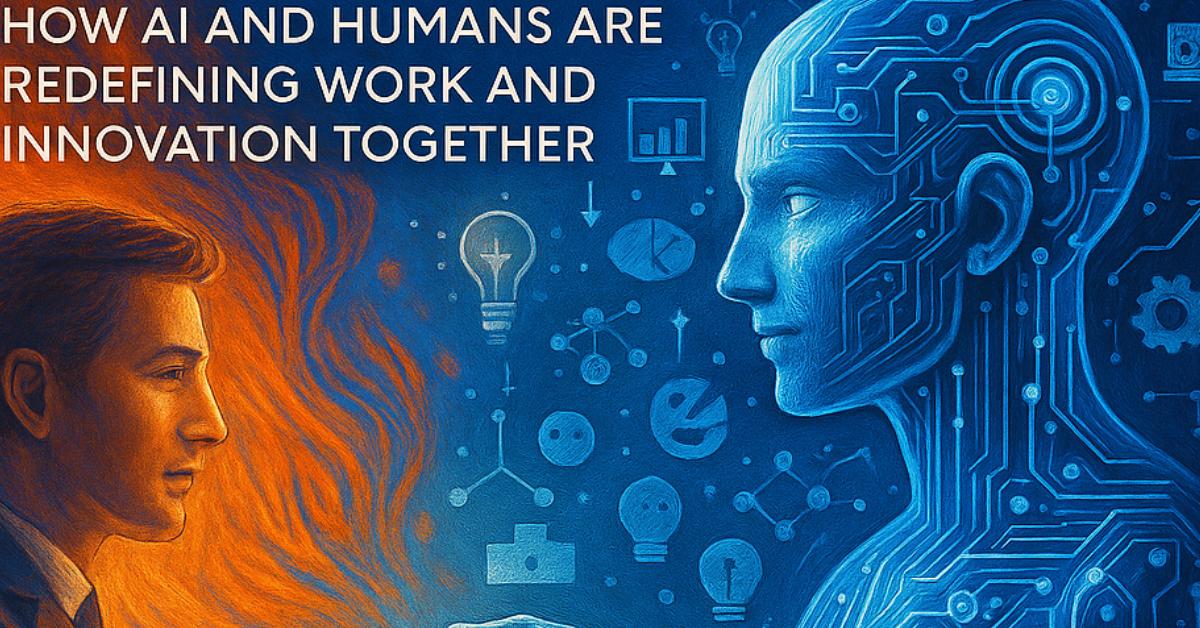
In the evolving landscape of today’s work environment, the collaboration between humans and artificial intelligence (AI) is no longer a futuristic concept; it’s a present-day reality. As organizations increasingly integrate AI into their operations, the nature of work is changing. This article delves into the unique angle of the impact of human-AI collaboration on job roles and skills, highlighting how this partnership is reshaping the workplace and redefining what it means to be effective in various professional domains.
The Changing Nature of Job Roles
The infusion of AI technologies into the workplace is transforming job roles across industries. Traditionally, many jobs were defined by repetitive tasks and routine processes. However, AI’s ability to automate these tasks is allowing human workers to shift their focus toward more strategic and creative endeavors. For instance, in the field of customer service, chatbots can handle basic inquiries, freeing up human agents to tackle complex issues that require emotional intelligence and nuanced problem-solving skills.
Moreover, the integration of AI into job roles necessitates a reevaluation of what skills are essential. Workers are now expected to possess a blend of technical skills—such as data analysis and familiarity with AI tools—and soft skills, including communication and adaptability. This shift demands ongoing training and development to prepare employees for a collaborative future where AI is a partner rather than a replacement. As a result, organizations must invest in reskilling and upskilling initiatives to ensure their workforce is equipped to thrive in this new landscape.
Redefining Skill Sets for Collaboration
The collaboration between humans and AI is not merely about coexistence; it’s about enhancing capabilities and redefining skill sets. Human workers are increasingly required to develop a new set of competencies that complement AI technologies. Critical thinking, creativity, and emotional intelligence are becoming paramount as AI takes over more routine tasks. For example, in fields such as marketing, AI can analyze vast amounts of data to identify trends and consumer preferences, but it is the human marketer’s role to interpret these insights and craft compelling narratives that resonate with audiences.
Furthermore, interdisciplinary knowledge is gaining importance. Professionals who can bridge the gap between technology and their respective fields—be it healthcare, finance, or education—will find themselves in high demand. This convergence of skills highlights the need for a more holistic approach to education and professional development, where learning is continuous and evolves alongside technological advancements.
Designing Effective Interfaces for Human-AI Collaboration
The success of human-AI collaboration significantly depends on the design of interfaces that facilitate seamless interaction between humans and machines. User experience (UX) design plays a crucial role in ensuring that AI tools are intuitive and accessible. A well-designed interface can enhance productivity by allowing users to leverage AI capabilities without the steep learning curve often associated with new technologies.
For instance, in the realm of data analytics, AI-driven platforms can provide insights through visual dashboards that are easy to interpret. When users can easily understand and interact with AI outputs, they are more likely to engage with the technology and incorporate it into their decision-making processes. Therefore, investing in thoughtful interface design is essential for fostering a collaborative environment where humans and AI can work together effectively.
Moreover, transparency in AI systems is vital. Users must understand how AI arrives at its conclusions to trust and utilize its recommendations fully. This calls for a focus on explainable AI, where algorithms are designed to provide insights into their decision-making processes. As organizations strive for ethical AI deployment, ensuring that users can comprehend and challenge AI outputs will be a critical aspect of interface design.
Ethical Considerations in Human-AI Collaboration
As organizations embrace AI technologies, ethical considerations surrounding human-AI collaboration become increasingly important. Issues such as bias in AI algorithms, data privacy, and accountability must be addressed to foster trust and ensure equitable outcomes. For instance, if an AI system used in recruitment is trained on biased data, it may inadvertently perpetuate discrimination in hiring practices. Organizations must prioritize ethical AI development by implementing rigorous testing and validation processes to identify and mitigate bias.
Additionally, the implications of job displacement due to AI automation cannot be overlooked. While AI can enhance productivity, it also raises concerns about job security for certain roles. Organizations have a responsibility to communicate transparently with their employees about AI integration and provide support for those whose jobs may be affected. This includes offering reskilling programs and creating pathways for employees to transition into new roles that leverage their unique human skills.
Furthermore, as AI systems become more autonomous, questions about accountability and decision-making arise. Organizations must establish clear guidelines for the use of AI, ensuring that human oversight remains a cornerstone of collaborative processes. This balance between leveraging AI capabilities and maintaining human judgment is essential for ethical collaboration.
Conclusion
The synergy between humans and AI in today’s work environment presents both challenges and opportunities. As job roles evolve and skill sets are redefined, organizations must prioritize training and development to prepare their workforce for a collaborative future. Effective interface design will facilitate seamless interaction between humans and AI, while ethical considerations will ensure that this collaboration is equitable and responsible. By embracing these elements, businesses can harness the full potential of human-AI collaboration, paving the way for innovative and productive work environments.